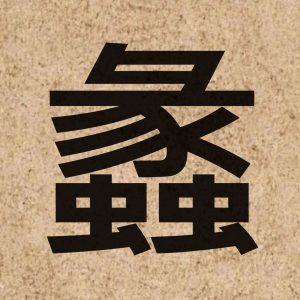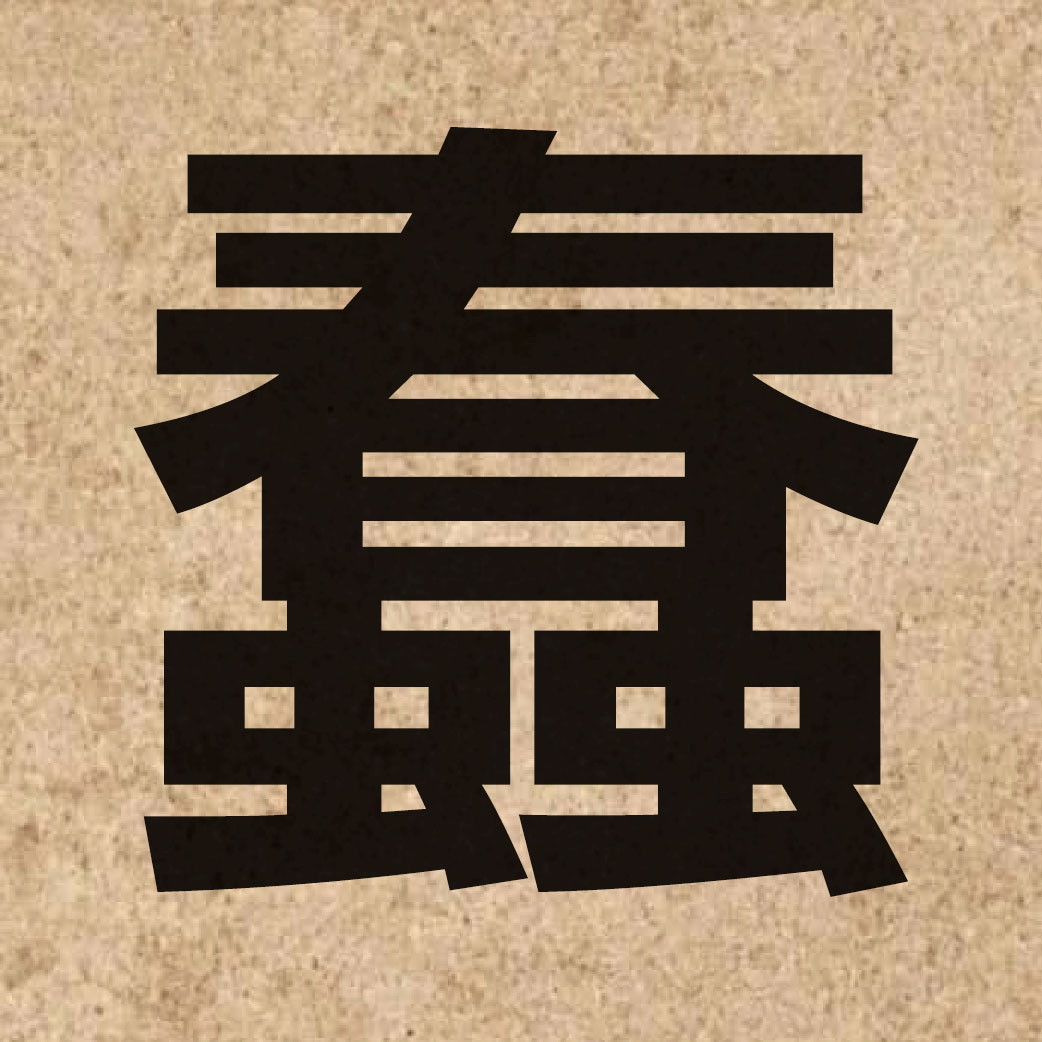
The Chinese character【蠢】(stupid) that we will explain today is a character or state-of-being word, and is mainly used for the following meanings:
Clumsy or slow.
Below is the correct pronunciation of this particular Chinese character.
Mandarin Pinyin of 【蠢】:chǔn
Cantonese Jyutping of 【蠢】:ceon2
This section covers the key information related to the character 【蠢】︰
Here are some situations where you can use【蠢】, for example:Describe a character or state , It means mainly clumsy or slow .With the depth and complexity of Chinese characters, some refined meanings and specific usages might not be entirely expressed here.
【蠢】can be used alone, but when combined with other words, it forms richer expressions, such as【愚蠢、蠢動】(Mandarin Pinyin:yú chǔn 、chǔn dòng/ Cantonese Jyutping:jyu4 ceon2 、ceon2 dung6)
There are exactly 21 strokes in this character,It is a Chinese character that must be learned by those aiming to reach a near-native level of proficiency in Chinese,The following sentence showcases how this character is used.:
他因犯下愚蠢的錯誤而自責。
He blamed himself for making a stupid mistake.
I wish for you to embrace the charm of Chinese and acquire greater knowledge along the way. Take a moment to explore the details provided.