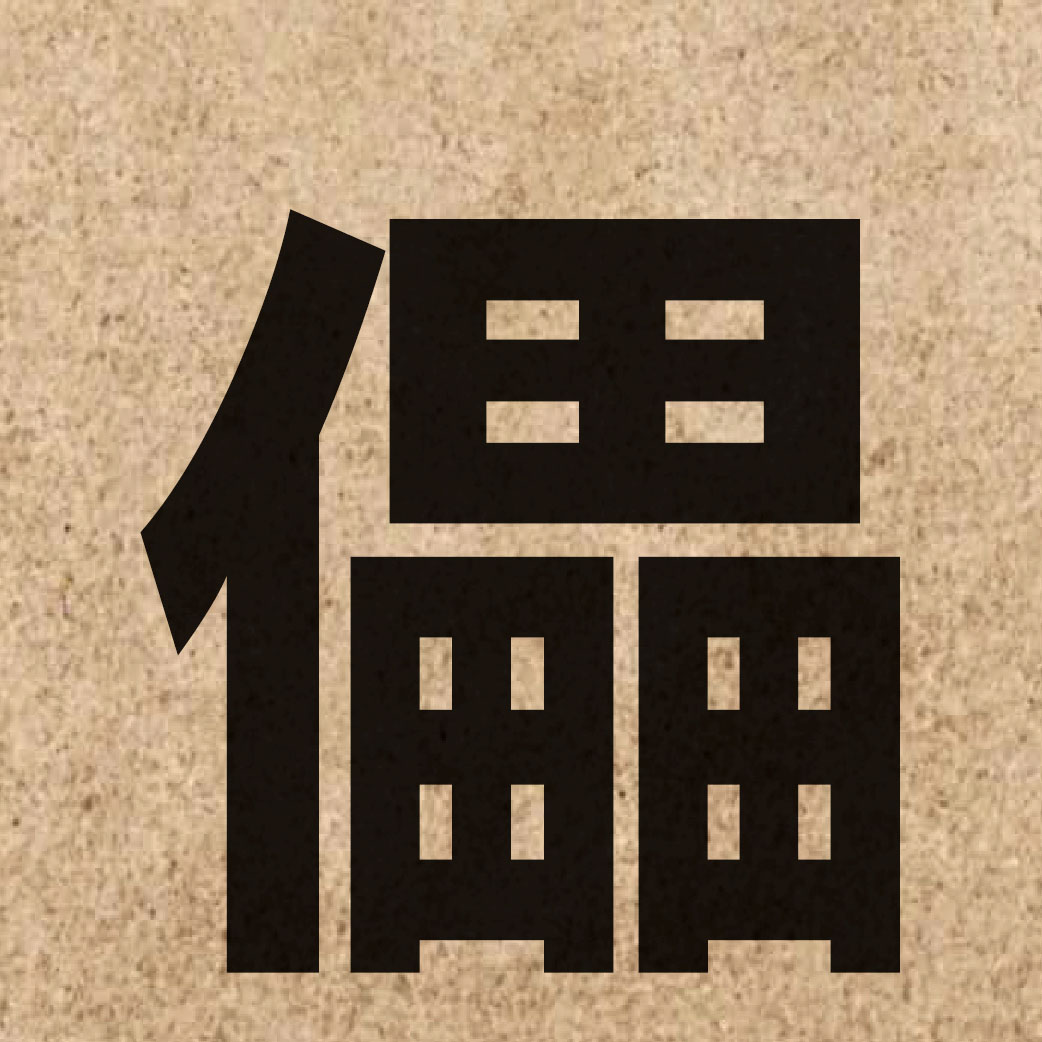
The Chinese word【儡】that we will introduce this time is a word that describes a person or a symbol. It is mainly used for the following meanings:
Puppet or controlled. Explanation: Puppet: A>A doll with strings tied to its head and limbs, controlled by people to perform. For example: “Puppet show”. B>A metaphor for people or organizations that have no autonomy and are manipulated by others. For example: “On the surface, he is a very authoritative monarch, but in reality he is just a puppet.”
You’ll find the pronunciation for this Chinese character here.
Mandarin Pinyin of 【儡】:lěi
Cantonese Jyutping of 【儡】:leoi5
This section presents general background information on the Chinese character 【儡】︰
Here are some situations where you can use【儡】, for example:Describing a person or symbol , It means mainly puppet or controlled .The depth of meaning in Chinese characters encompasses intricate interpretations, some of which may be difficult to fully articulate here.
【儡】exists independently, yet its interaction with other words enriches expressions, such as【傀儡、木偶】(Mandarin Pinyin:guī lěi 、mù ǒu/ Cantonese Jyutping:faai3 leoi5 、muk6 ngau5)
It takes 17 strokes to write this character,It is a Chinese character that must be learned by those aiming to reach a near-native level of proficiency in Chinese,Below is an example sentence related to this character.:
他被視為傀儡,沒有實際的權力。
He was seen as a figurehead with no real power.
May you appreciate the elegance of Chinese and grow in understanding through learning. Feel free to navigate through the materials leisurely.