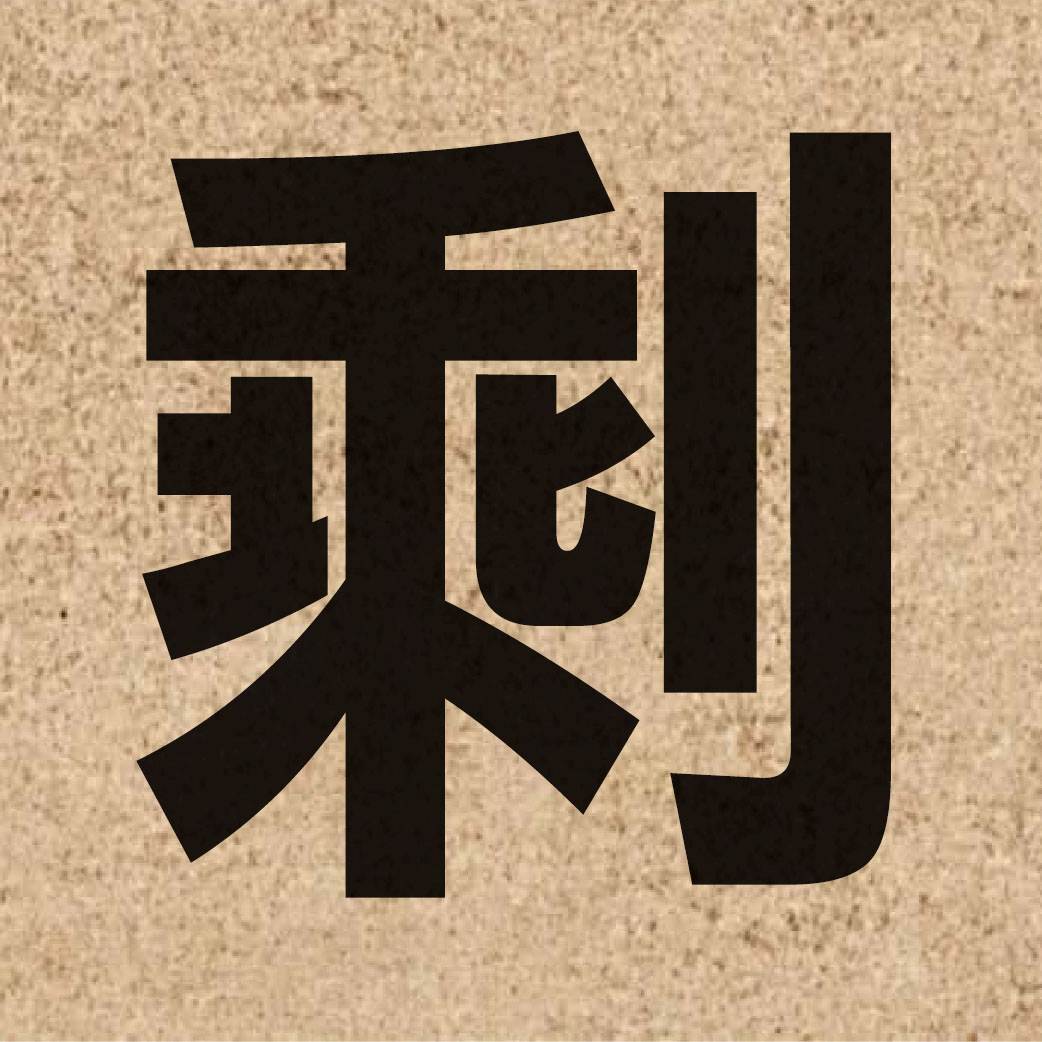
The Chinese character【剩】(leftover) that we will be discussing today is a word that describes quantity or status. It is mainly used for the following meanings:
Remaining or remaining. Explanation: (1) Remaining. Such as: “leftover”, “remaining”. (2) Surplus or remaining. Such as: “leftover money”, “leftover rice”, “leftover vegetables”, “leftover goods”.
Below is the correct pronunciation of this particular Chinese character.
Mandarin Pinyin of 【剩】:shèng
Cantonese Jyutping of 【剩】:zing6
Here is some fundamental information about the character 【剩】︰
Here are some situations where you can use【剩】, for example:Describe quantity or status , It means mainly what is left or what remains .The depth of meaning in Chinese characters encompasses intricate interpretations, some of which may be difficult to fully articulate here.
【剩】is a word that can combine with others to create more detailed terms or phrases, such as【剩餘、剩菜】(Mandarin Pinyin:shèng yú 、shèng cài/ Cantonese Jyutping:zing6 jyu4 、zing6 coi3)
This character has a total of 12 strokes,It is a more advanced Chinese character that is essential for daily use,Below is a sample sentence featuring this character in real usage.:
他將剩餘的食物打包帶回家。
He packed up the remaining food and took it home.
May you appreciate the elegance of Chinese and grow in understanding through learning. Feel free to navigate through the materials leisurely.