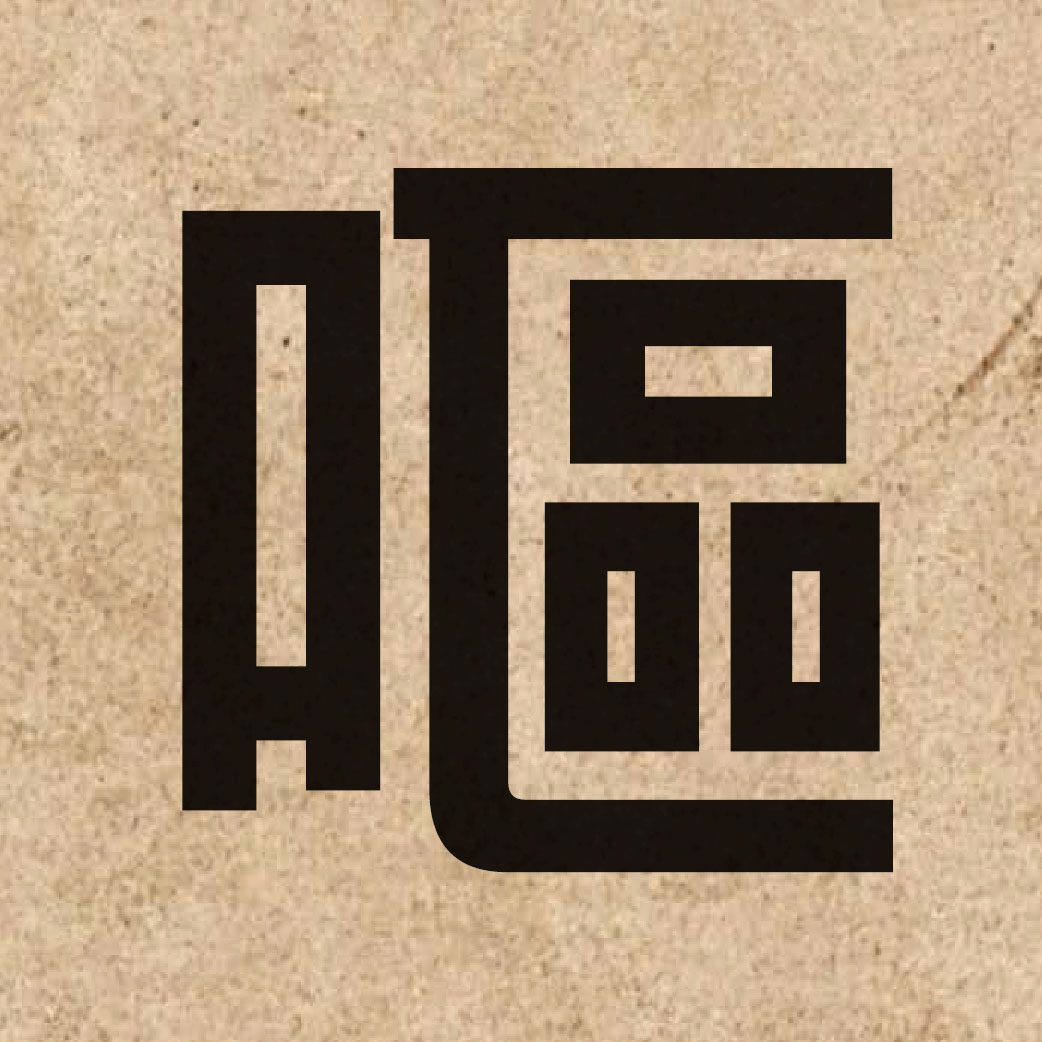
Speaking of the Chinese character【嘔】, it is a word that describes health or emotion, and is mainly used for the following meanings:
Vomiting or nausea. Explanation: 1. (1) Singing. Such as: “vomit song”. (2) Onomatopoeia. Describes the sound of a baby learning to speak, birds singing, or oars. Such as: “vomit”, “ah”. 2. Vomit. Such as: “vomiting”, “vomiting blood”, “working hard”. 3. (1) To deliberately use words to provoke or cause someone to get angry. For example: “You said this deliberately to disgust me!” (2) Depressed and unhappy. For example: “It’s disgusting enough that he lost his wallet, so please stop blaming him.”
Below, you can see how this Chinese character is pronounced.
Mandarin Pinyin of 【嘔】:ǒu
Cantonese Jyutping of 【嘔】:au2
This introduces some basic knowledge regarding the Chinese character 【嘔】︰
Here are some situations where you can use【嘔】, for example:Describing health or emotions , It means mainly vomiting or nausea. .Since Chinese characters embody profound layers of interpretation, some complex meanings may be beyond the scope of this explanation.
【嘔】serves as a standalone word but gains depth when partnered with others to form detailed expressions, like【嘔吐、反嘔】(Mandarin Pinyin:ǒu tǔ 、fǎn ǒu/ Cantonese Jyutping:au2 tou3 、faan2 au2)
The total stroke number of this character is 14 ,It is a Chinese character that must be learned by those aiming to reach a near-native level of proficiency in Chinese,Here’s a sample sentence featuring this character.:
他因身體不適開始嘔吐。
He started vomiting because he was feeling unwell.
Hoping you will delight in learning Chinese and deepen your understanding as you go. There’s more to discover, so take your time.