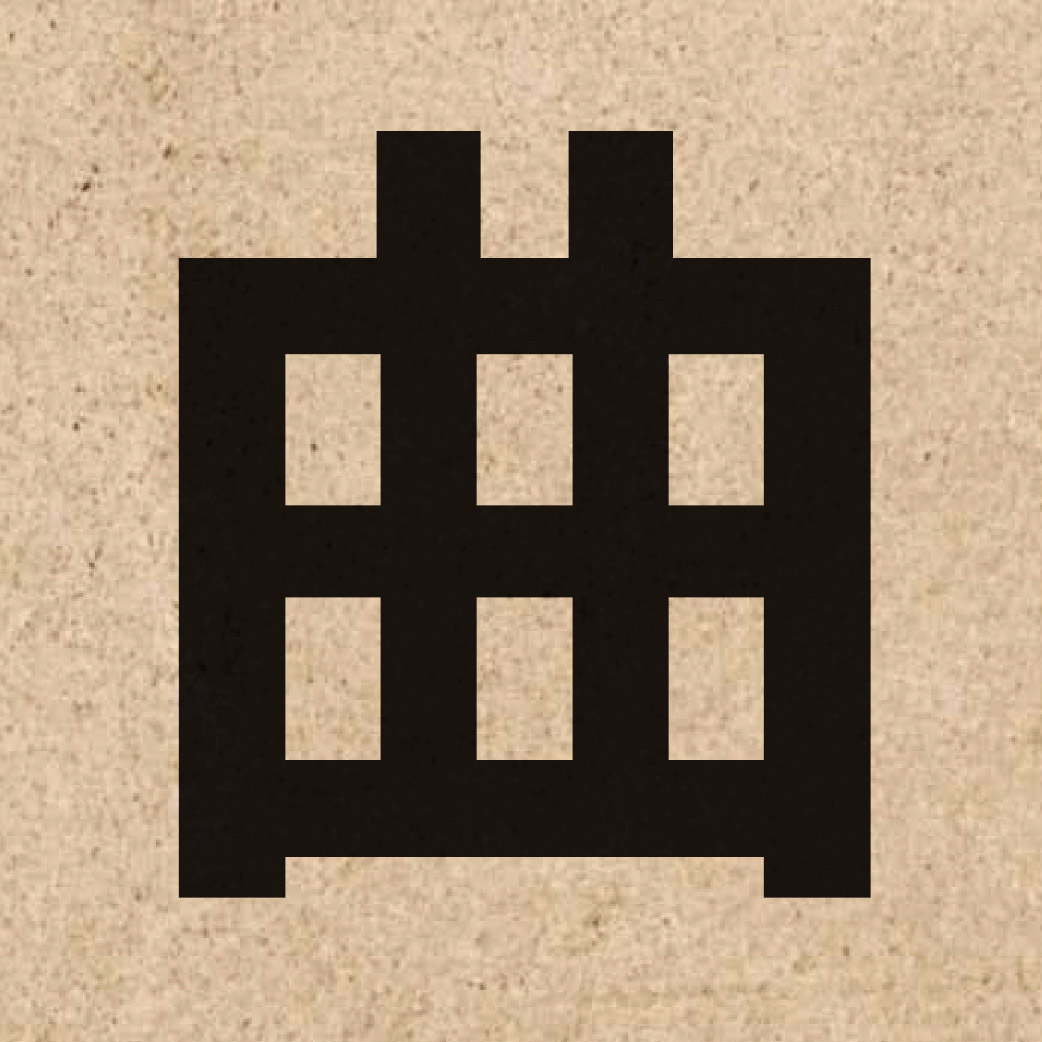
The Chinese character【曲】that I will teach you this time is a word that describes music or shape. It is mainly used for the following meanings:
Tune or bend. Explanation: 1. (1) Not straight. Such as: “winding road”, “bend”, “curve”. (2) To bend. For example: “bend your knees”. (3) Incorrect. Such as: “misinterpretation”, “right and wrong”. (4) The turning point. Such as: “river bend”, “mountain bend”. (5) Hidden feelings in one’s heart. Such as: “Zhongqu”, “Xinqu”. (6) Euphemism. Such as: “Qu Fan”, “Qu Shun”, “Qu Jin Xiao Du”. 2. (1) Music and songs. Such as: “song”, “dance music”, “dizzy”. (2) A type of classical Chinese rhymed prose. It was most popular during the Yuan Dynasty. Such as: “Yuanqu”, “Sanqu”, “Drama”. (3) Quantifier. A unit used to calculate songs and music. For example: “Sing a song.”
Here’s the way to say this Chinese character aloud.
Mandarin Pinyin of 【曲】:qū
Cantonese Jyutping of 【曲】:kuk1
This section presents general background information on the Chinese character 【曲】︰
Here are some situations where you can use【曲】, for example:Describe music or shapes , It means mainly a tune or bend.The richness and complexity of Chinese characters enable various interpretations, some of which may exceed what is presented here.
【曲】exists independently, yet its interaction with other words enriches expressions, such as【曲調、彎曲】(Mandarin Pinyin:qǔ diào 、wān qǔ/ Cantonese Jyutping:kuk1 diu6 、waan1 kuk1)
It takes 6 strokes to write this character,It is a highly common and fundamental Chinese character that must be learned,This sentence serves as an example of how to use this character.:
他演奏了一首動人的曲調。
He played a touching tune.
I trust you’ll have a rewarding experience exploring Chinese and expanding your insights. Take your time to browse through the information provided.