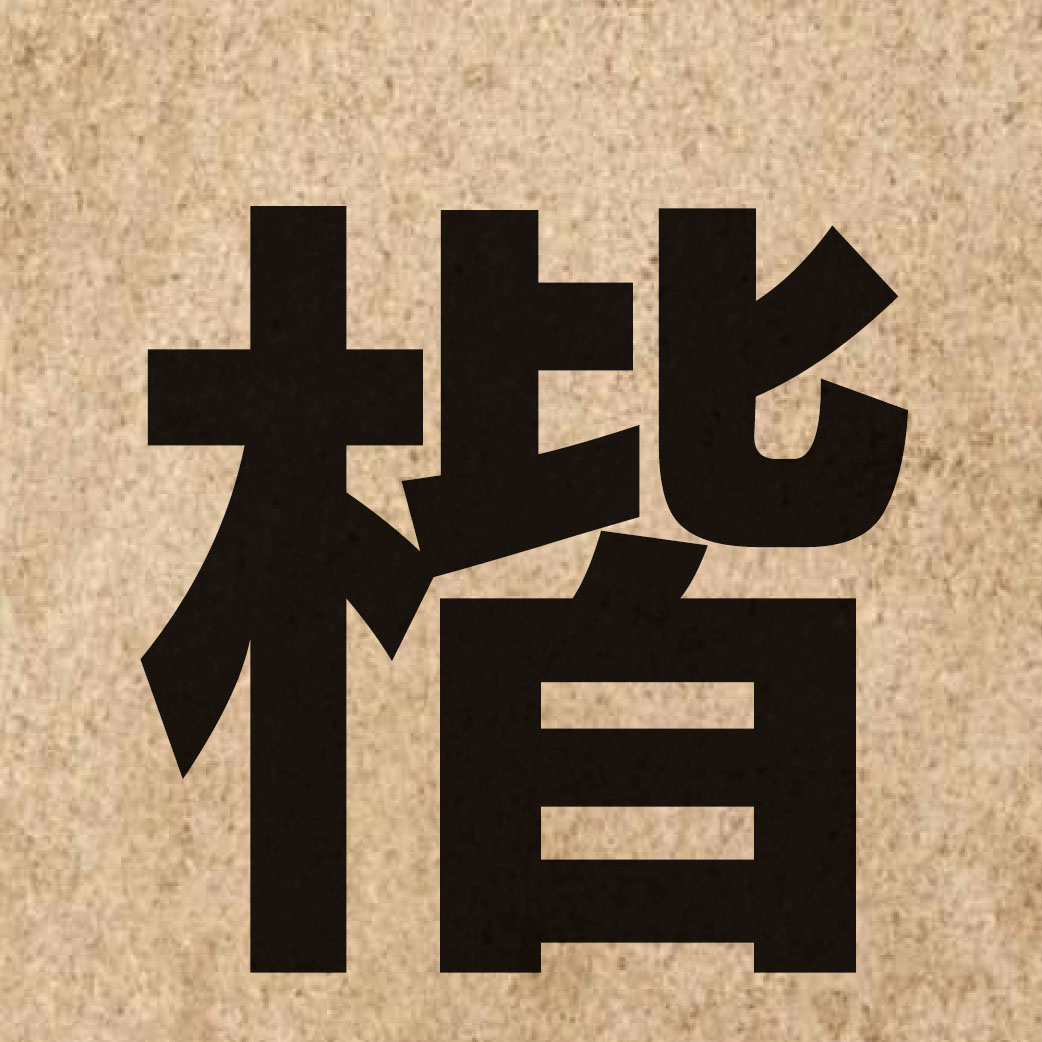
The Chinese character【楷】is used to describe actions or calligraphy, and is mainly used for the following meanings:
Model or font. Explanation: (1) Model, example. Such as: “model”, “style”. (2) Regular script: a formal calligraphy style. Also called “regular script”. For example: “The calligraphy of Ouyang Xun, Yan Zhenqing, and Liu Gongquan is a model for learning regular script.”
This is how you pronounce the given Chinese character.
Mandarin Pinyin of 【楷】:kǎi
Cantonese Jyutping of 【楷】:gaai1/kaai2
This section presents general background information on the Chinese character 【楷】︰
Here are some situations where you can use【楷】, for example:Describe action or calligraphy , It means mainly model or font .Chinese characters possess deep and diverse meanings, and some detailed aspects may not be entirely covered in this discussion.
【楷】exists independently, yet its interaction with other words enriches expressions, such as【楷模、楷書】(Mandarin Pinyin:kǎi mó 、kǎi shū/ Cantonese Jyutping:gaai1 mou4 、gaai1 syu1)
It takes 13 strokes to write this character,It is a Chinese character that must be learned by those aiming to reach a near-native level of proficiency in Chinese,Here’s a practical example using this character.:
他是年輕人的楷模。
He is a role model for young people.
I hope you appreciate the depth of the Chinese language and gain useful knowledge here. Explore the information at your own pace.