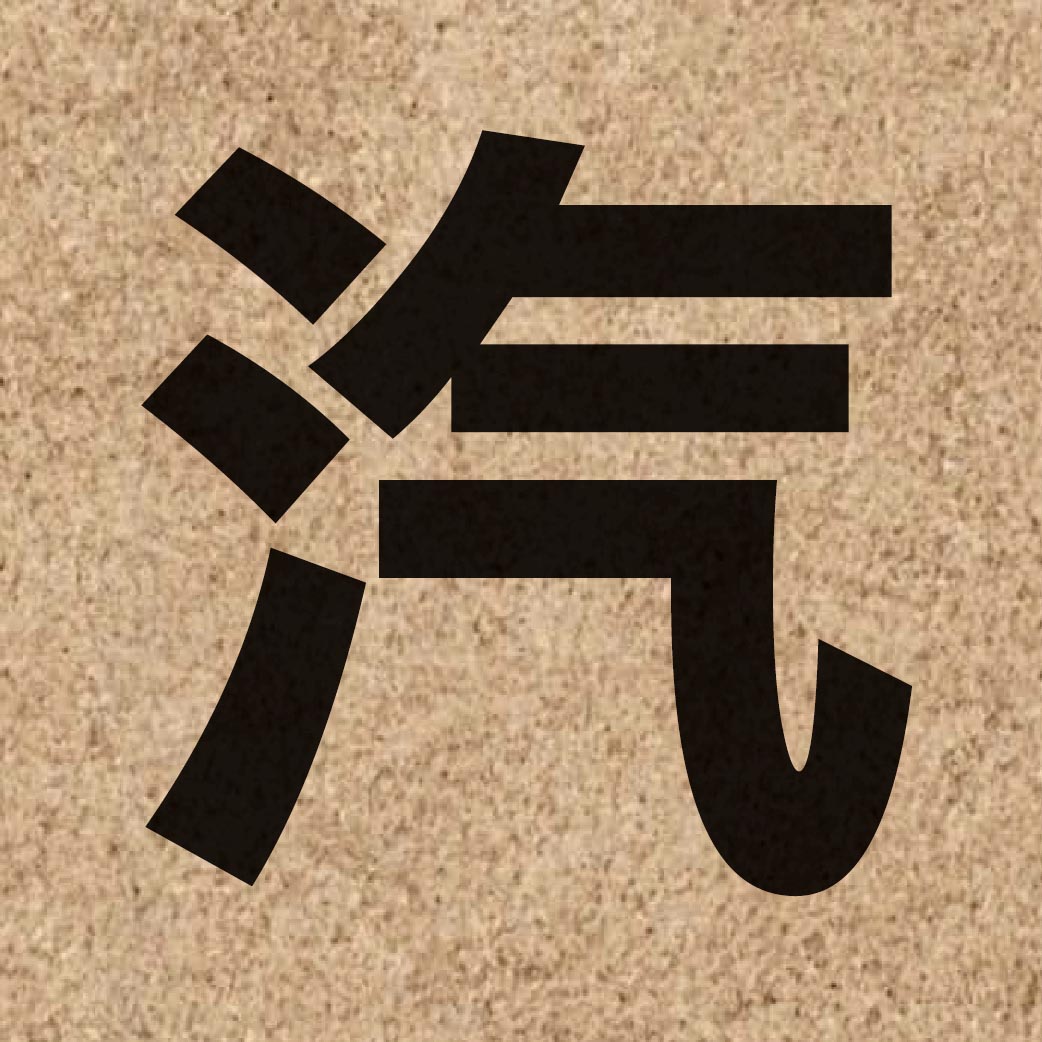
The Chinese character【汽】is a word that describes state or energy, and is mainly used for the following meanings:
Water vapor or steam. Explanation: (1) Water vapor, the gas that a solid or liquid becomes when heated. For example: steam. (2) Gasoline: Volatile oil used as a power source for automobiles, etc. For example: “premium gasoline” and “unleaded gasoline”.
Below, you can see how this Chinese character is pronounced.
Mandarin Pinyin of 【汽】:qì
Cantonese Jyutping of 【汽】:hei3
Below is an introduction to the basics of the Chinese character 【汽】︰
Here are some situations where you can use【汽】, for example:Describes state or energy , It means mainly water vapor or steam .Because Chinese characters embody extensive meanings, there may be deeper interpretations and specific functions beyond what is presented here.
【汽】functions as a standalone word but can pair with others to form more descriptive expressions, like【汽車、蒸汽】(Mandarin Pinyin:qì chē 、zhēng qì/ Cantonese Jyutping:hei3 ce1 、zing1 hei3)
The stroke count for this character is 7 ,It is a highly common and fundamental Chinese character that must be learned,Listed below is a sentence demonstrating the application of this character.:
水燒開後,鍋蓋上覆滿了水汽。
After the water boiled, the lid of the pot was covered with steam.
May you experience the pleasure of studying Chinese and broaden your knowledge as you go. Feel free to check out more information here.