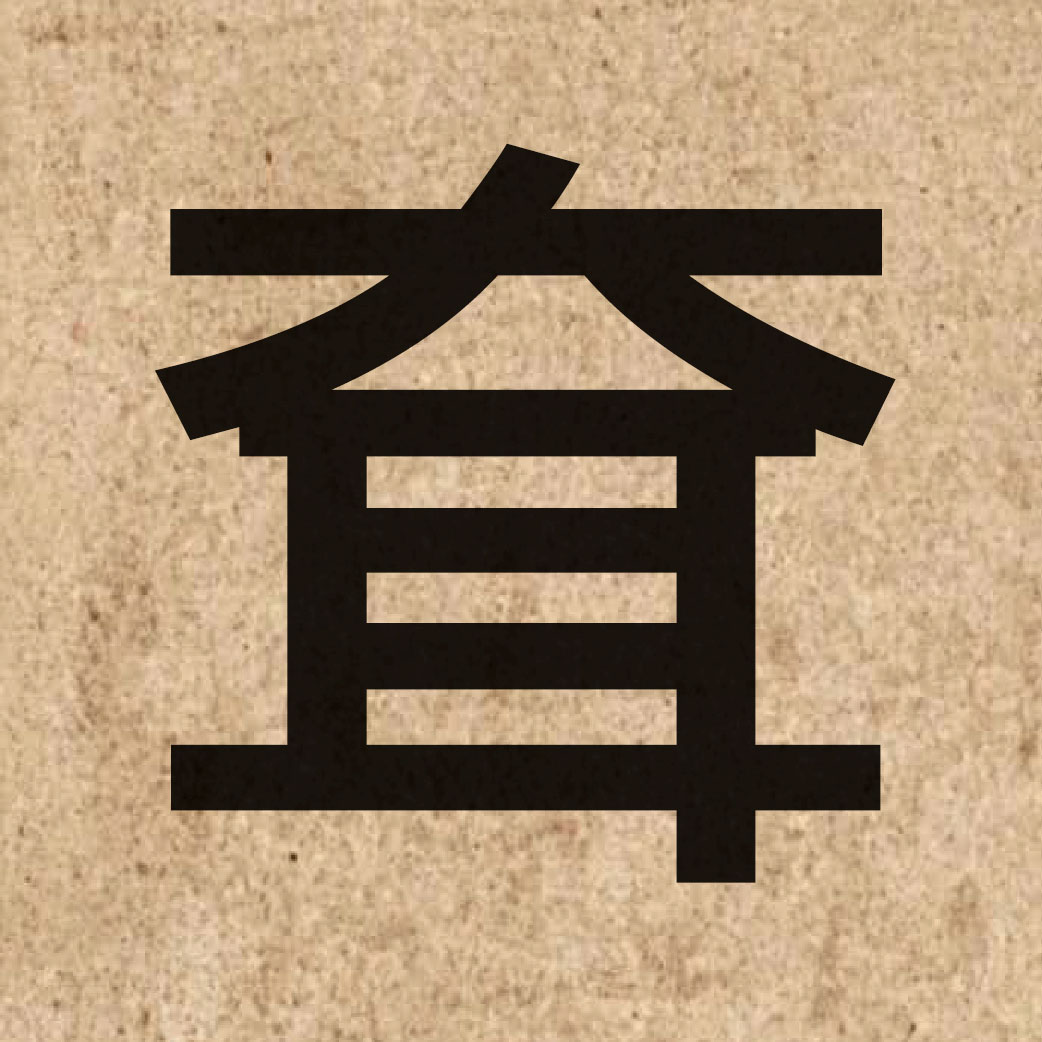
The Chinese character【耷】that I will teach you this time is a character that describes form or state, and is mainly used for the following meanings:
Droopy or loose.
You can refer to this for the pronunciation of the mentioned Chinese character.
Mandarin Pinyin of 【耷】:dā
Cantonese Jyutping of 【耷】:dap1/daap3
Here is an explanation of the primary details of the Chinese character 【耷】︰
Here are some situations where you can use【耷】, for example:Describe the state or condition , It means mainly droopy or loose .Since Chinese characters have profound meanings, they may carry additional complexities and specific usages that are difficult to fully convey here.
【耷】stands alone as a word, yet when paired with others, it leads to complex linguistic structures, for instance【耷拉、耳耷】(Mandarin Pinyin:dā lā 、ěr dā/ Cantonese Jyutping:dap1 laai1 、ji5 dap1)
Writing this character requires 9 strokes,Its usage is more restrictive, making it an advanced-level Chinese character that one only needs to learn when seeking to challenge their own abilities,Here is a sentence demonstrating the use of this character.:
他的帽子耷拉在額頭上。
His hat drooped on his forehead.
I hope you can appreciate and enjoy the beauty of Chinese, while gaining more knowledge here. Take your time exploring the information available.