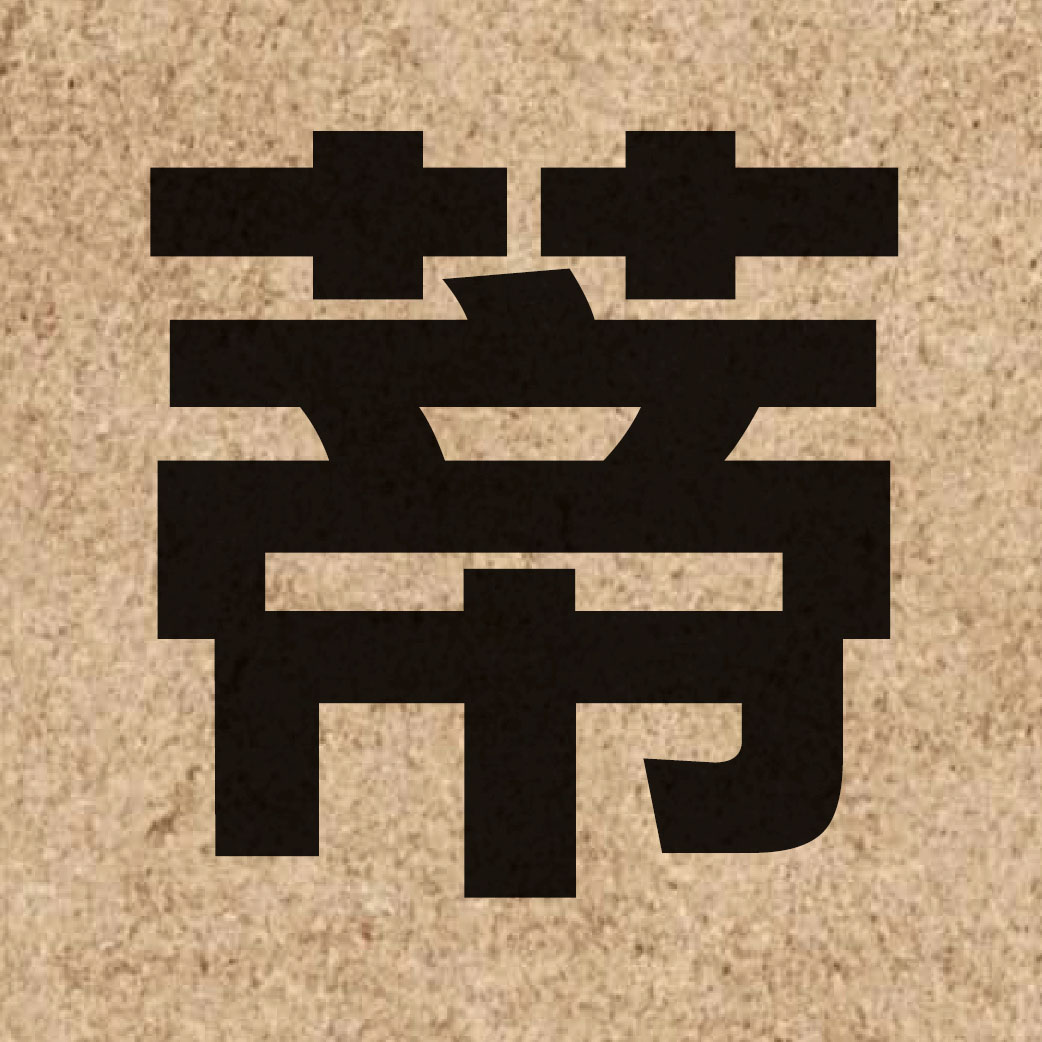
The Chinese character【蒂】(Di) that we will be discussing today is a word that describes plants or structures. It is mainly used for the following meanings:
Flower stalk or fruit stalk. Explanation: (1) The part of a plant where the flower or fruit is connected to the stem. Such as: “melon stem”, “melon falls off the stem when ripe”, “deep-rooted”. (2) Refers to the end of something. For example: “cigarette butt”. (3) Grudge: a metaphor for minor grudges or dissatisfaction. For example: “holding a grudge.”
Below is the correct pronunciation of this particular Chinese character.
Mandarin Pinyin of 【蒂】:dì
Cantonese Jyutping of 【蒂】:dai3
Here’s a brief introduction to the basic aspects of the character 【蒂】︰
Here are some situations where you can use【蒂】, for example:Describing a plant or structure , It mainly means flower stalk or fruit stalk .Since Chinese characters embody profound layers of interpretation, some complex meanings may be beyond the scope of this explanation.
【蒂】is a fundamental term that integrates with others to create meaningful expressions, such as【果蒂、花蒂】(Mandarin Pinyin:guǒ dì 、huā dì/ Cantonese Jyutping:gwo2 dai3 、faa1 dai3)
The number of strokes required for this character is 13 ,It is a Chinese character that, once mastered, allows for a deeper understanding and more diverse expression in communication,Below is a sample sentence featuring this character in real usage.:
她將果蒂摘掉,方便食用。
She removed the fruit stems to make them easier to eat.
Hoping you will delight in learning Chinese and deepen your understanding as you go. There’s more to discover, so take your time.