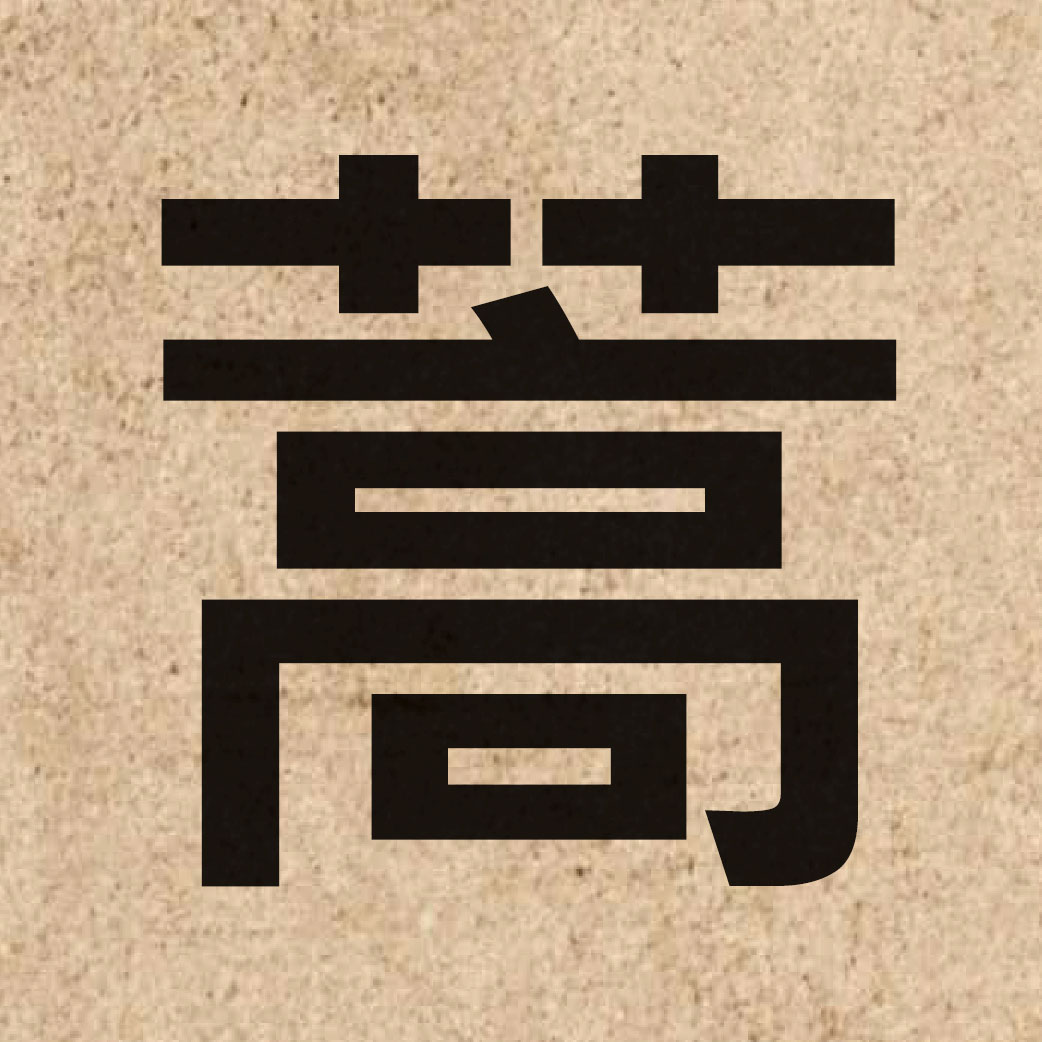
The Chinese character【蒿】that we will explain today is a word that describes nature or herbs. It is mainly used for the following meanings:
Mugwort or plant. Explanation: Chrysanthemum: an annual herb. The leaves are alternate with irregular pinnate-shaped margins. Inflorescence, flowers are yellow or white. The young stems and leaves are edible.
Below is the correct pronunciation of this particular Chinese character.
Mandarin Pinyin of 【蒿】:hāo
Cantonese Jyutping of 【蒿】:hou1
Here is an explanation of the primary details of the Chinese character 【蒿】︰
Here are some situations where you can use【蒿】, for example:Describe natural or herbal medicine , It means mainly mugwort or plant .Due to the depth of Chinese characters, certain intricate meanings and specialized applications might not be entirely expressed in this context.
【蒿】stands alone as a word, yet when paired with others, it leads to complex linguistic structures, for instance【艾蒿、青蒿】(Mandarin Pinyin:ài hāo 、qīng hāo/ Cantonese Jyutping:ngaai6 hou1 、cing1 hou1)
Writing this character requires 14 strokes,It is a Chinese character that must be learned by those aiming to reach a near-native level of proficiency in Chinese,Below is a sample sentence featuring this character in real usage.:
青蒿被用於製作抗瘧疾的藥物。
Artemisia annua is used to make anti-malarial drugs.
May you discover the joy of learning Chinese and deepen your understanding along the way. Feel free to browse through the details at your own pace.