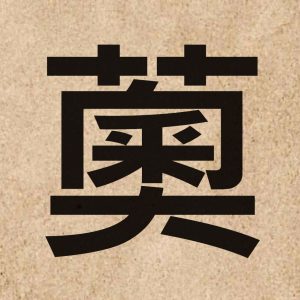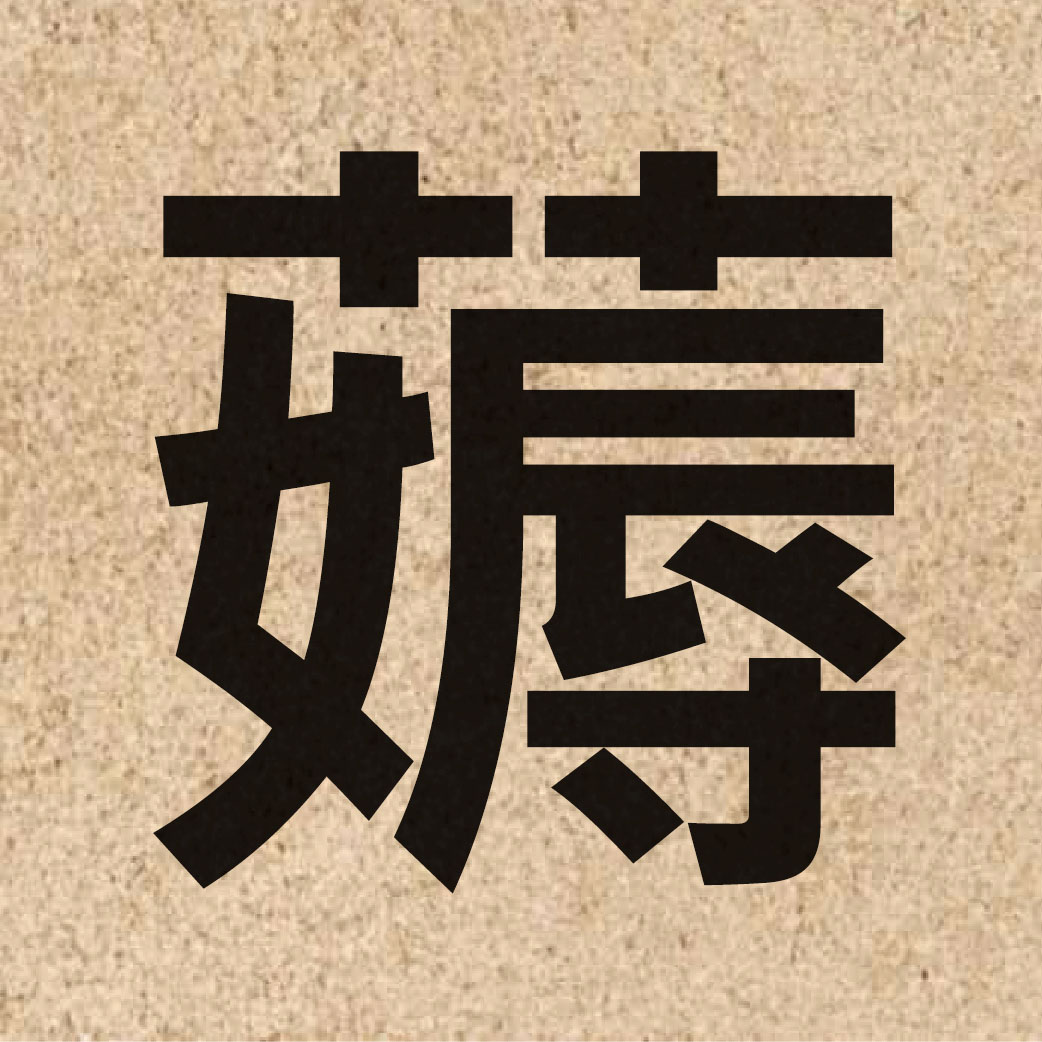
The Chinese word【薅】that we will introduce this time is a word that describes action or agriculture. It is mainly used for the following meanings:
Weeding or pulling weeds.
Below is the correct pronunciation of this particular Chinese character.
Mandarin Pinyin of 【薅】:hāo
Cantonese Jyutping of 【薅】:hou1
This introduces some basic knowledge regarding the Chinese character 【薅】︰
Here are some situations where you can use【薅】, for example:Describe action or agriculture , It means mainly weeding or pulling weeds.The vast and layered meanings of Chinese characters can involve refined details and particular applications that may not be completely conveyed here.
【薅】serves as a standalone word but gains depth when partnered with others to form detailed expressions, like【薅草、拔薅】(Mandarin Pinyin:hāo cǎo 、bá hāo/ Cantonese Jyutping:hou1 cou2 、bat6 hou1)
The total stroke number of this character is 17 ,Its usage is more restrictive, making it an advanced-level Chinese character that one only needs to learn when seeking to challenge their own abilities,Here is a sentence that illustrates the meaning and function of this character.:
農民正在田裡薅草。
The farmers are weeding in the fields.
I trust you’ll enjoy immersing yourself in the world of Chinese and discovering more insights. You can browse through the additional details at your own speed.