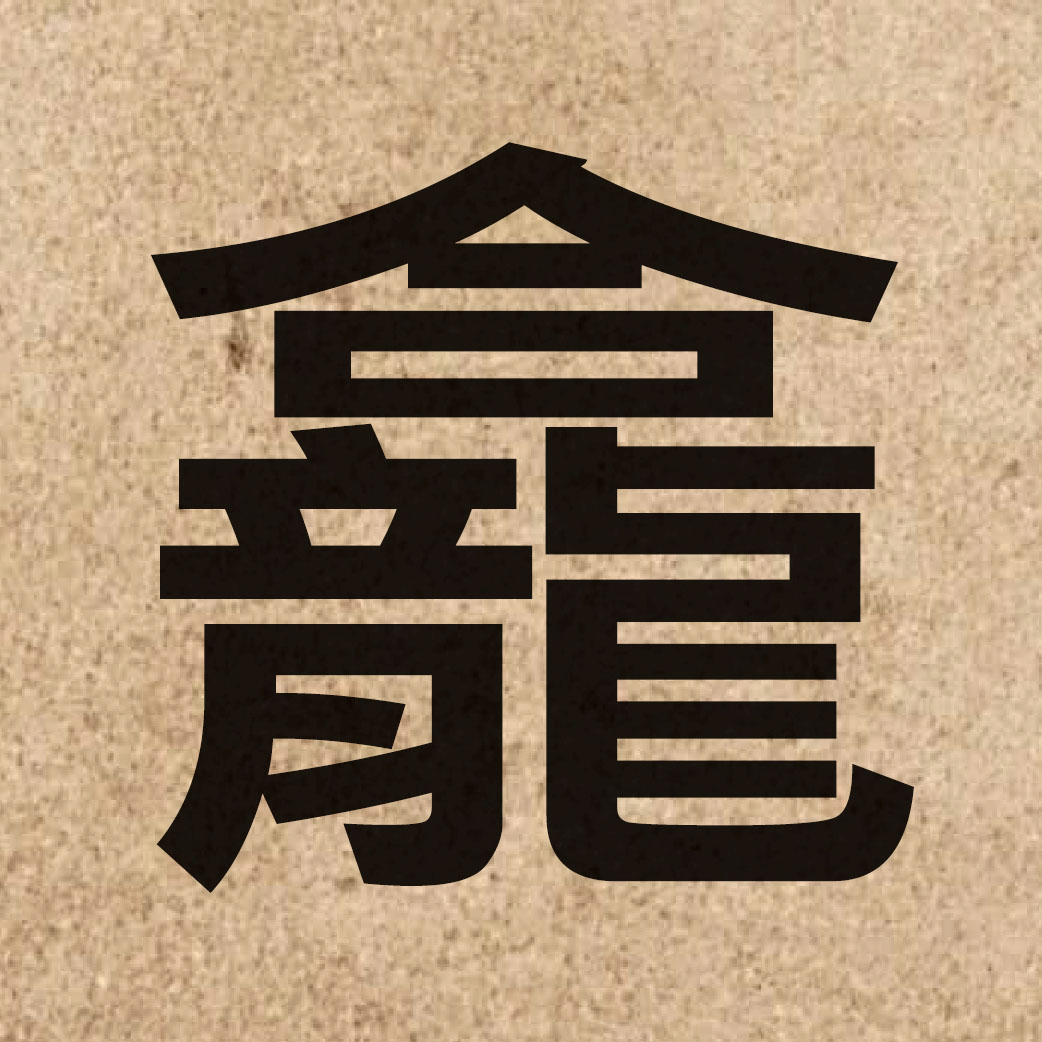
The Chinese character【龕】that we will explain today is a word that describes architecture or culture. It is mainly used for the following meanings:
A shelf for placing a statue of a deity or an urn. Explanation: A stone chamber or cabinet for enshrining gods, Buddha statues or ancestral tablets. Such as: “shrine”, “Buddha shrine”.
Here is the pronunciation of this Chinese character.
Mandarin Pinyin of 【龕】:kān
Cantonese Jyutping of 【龕】:ham1
Below, I will share fundamental aspects of the meaning and usage of the character 【龕】︰
Here are some situations where you can use【龕】, for example:Describing architecture or culture , It mainly means a shelf for placing statues of gods or urns. .Since Chinese characters embody profound layers of interpretation, some complex meanings may be beyond the scope of this explanation.
【龕】is a simple word when used alone, but its meaning broadens when combined with others to form intricate phrases, like【神龕、骨灰龕】(Mandarin Pinyin:shén kān 、gǔ huī kān/ Cantonese Jyutping:san4 ham1 、gwat1 fui1 ham1)
To complete this character, you need 22 strokes,It is a highly difficult Chinese character that is rarely used in daily life and has a lower frequency of usage,Below is a sample sentence featuring this character in real usage.:
神龕裡供奉著神像。
There is a statue of a deity enshrined in the shrine.
Hoping you will delight in learning Chinese and deepen your understanding as you go. There’s more to discover, so take your time.