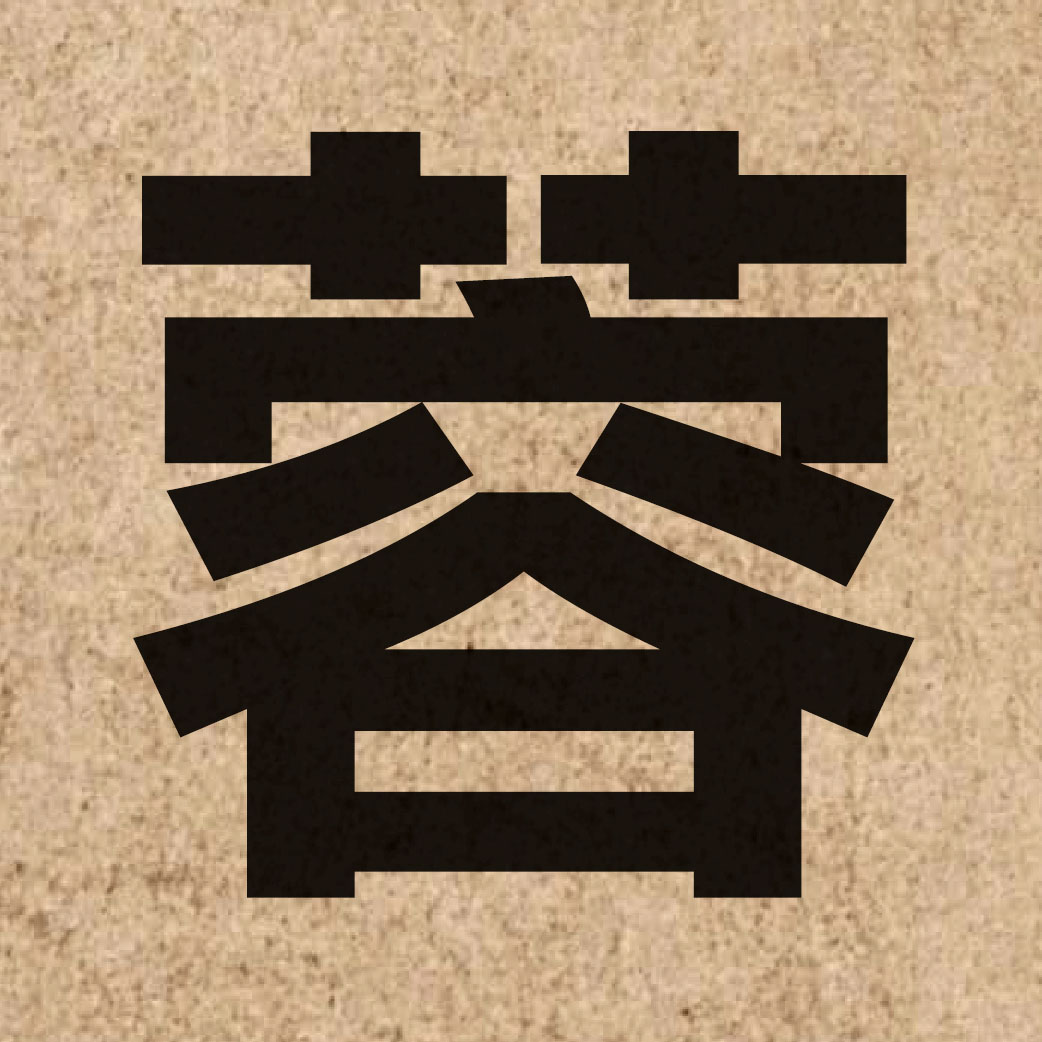
The Chinese character【蓉】that I will teach you this time is a character that describes nature or a person’s name. It is mainly used for the following meanings:
Plants, flowers or names of people. Explanation: (1) Pastry filling made from ground fruits, beans and other ingredients. Such as: “coconut paste”, “soy bean paste”, “lotus paste”. (2) Hibiscus: It is a large deciduous shrub or sub-tree. It is about five meters tall, with palm-shaped leaves covered with short hairs. In the early morning of late autumn, the flowers bloom in white, red, yellow and other colors, turning into deep red at dusk. The flowers are large and bright, also known as “hibiscus”, which can be used for ornamental purposes, and both the flowers and leaves can be used as medicine. For example: “In addition to being ornamental, the fibers of hibiscus can also be used to make ropes and cloth.”
Here’s the way to say this Chinese character aloud.
Mandarin Pinyin of 【蓉】:róng
Cantonese Jyutping of 【蓉】:jung4
This section covers the key information related to the character 【蓉】︰
Here are some situations where you can use【蓉】, for example:Describe natural or personal names , It mainly means plants, flowers or people’s names..Since Chinese characters embody profound layers of interpretation, some complex meanings may be beyond the scope of this explanation.
【蓉】can be used alone, but when combined with other words, it forms richer expressions, such as【芙蓉、玉蓉】(Mandarin Pinyin:fú róng 、yù róng/ Cantonese Jyutping:fu4 jung4 、juk6 jung4)
There are exactly 14 strokes in this character,It is a Chinese character that, once mastered, allows for a deeper understanding and more diverse expression in communication,Here is a single example incorporating this character.:
芙蓉花在秋天開得特別美麗。
Hibiscus flowers bloom particularly beautifully in the fall.
Hoping you will delight in learning Chinese and deepen your understanding as you go. There’s more to discover, so take your time.