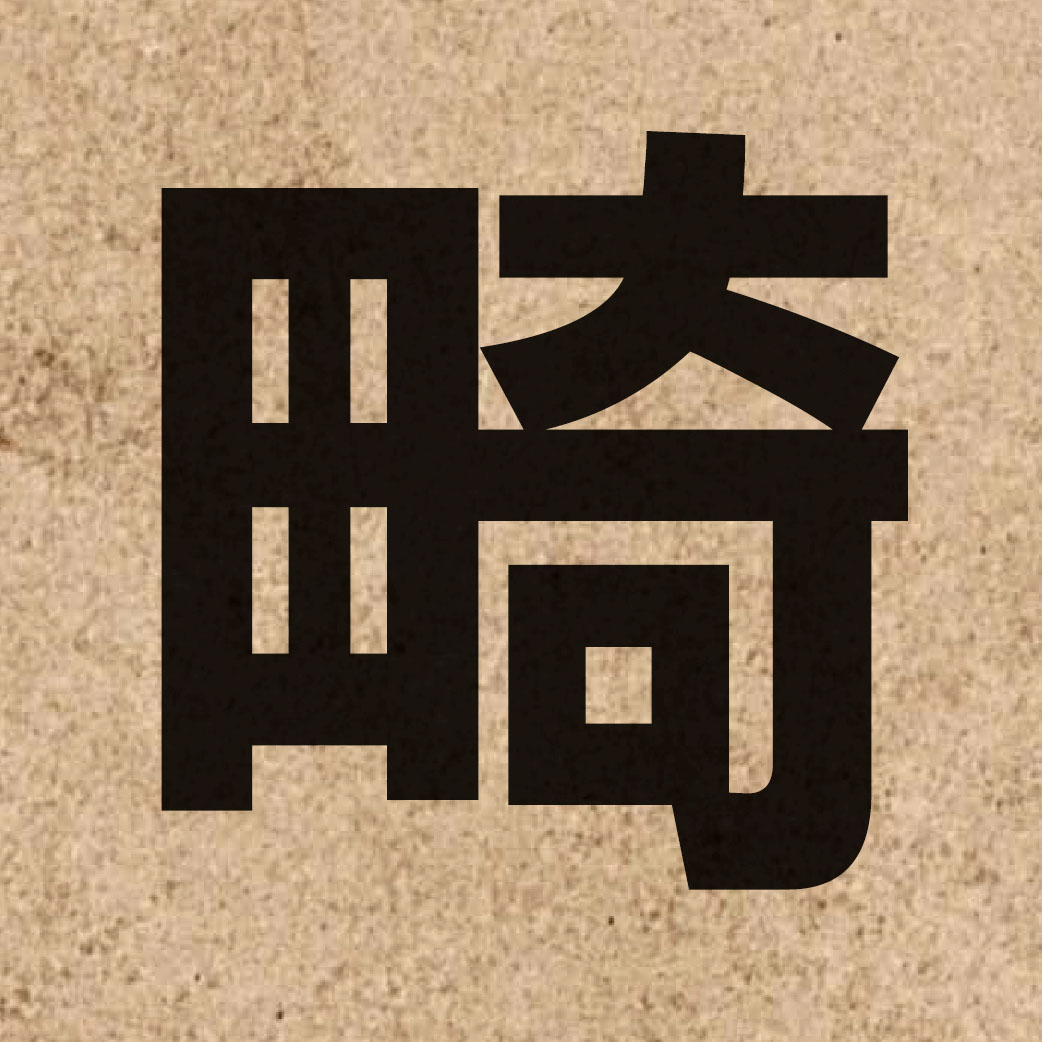
The Chinese character【畸】is a word that describes shape or state, and is mainly used for the following meanings:
Abnormal or irregular. Definition: (1) Abnormal, irregular, irregular. Such as: “deformity”, “freak fetus”, “abnormal love”. (2) The number of remainders. Such as: “oddity”, “oddity place”.
Here is the phonetic guide for pronouncing this Chinese character.
Mandarin Pinyin of 【畸】:jī
Cantonese Jyutping of 【畸】:kei1
Here is an explanation of the primary details of the Chinese character 【畸】︰
Here are some situations where you can use【畸】, for example:Describe the shape or state , It means mainly abnormal or irregular .The vast and layered meanings of Chinese characters can involve refined details and particular applications that may not be completely conveyed here.
【畸】stands alone as a word, yet when paired with others, it leads to complex linguistic structures, for instance【畸形、畸零】(Mandarin Pinyin:jī xíng 、jī líng/ Cantonese Jyutping:kei1 jing4 、kei1 ling4)
Writing this character requires 13 strokes,It is a Chinese character that must be learned by those aiming to reach a near-native level of proficiency in Chinese,Listed below is a sentence demonstrating the application of this character.:
植物因環境因素生長出畸形的果實。
Plants grow deformed fruits due to environmental factors.
I trust you’ll enjoy immersing yourself in the world of Chinese and discovering more insights. You can browse through the additional details at your own speed.