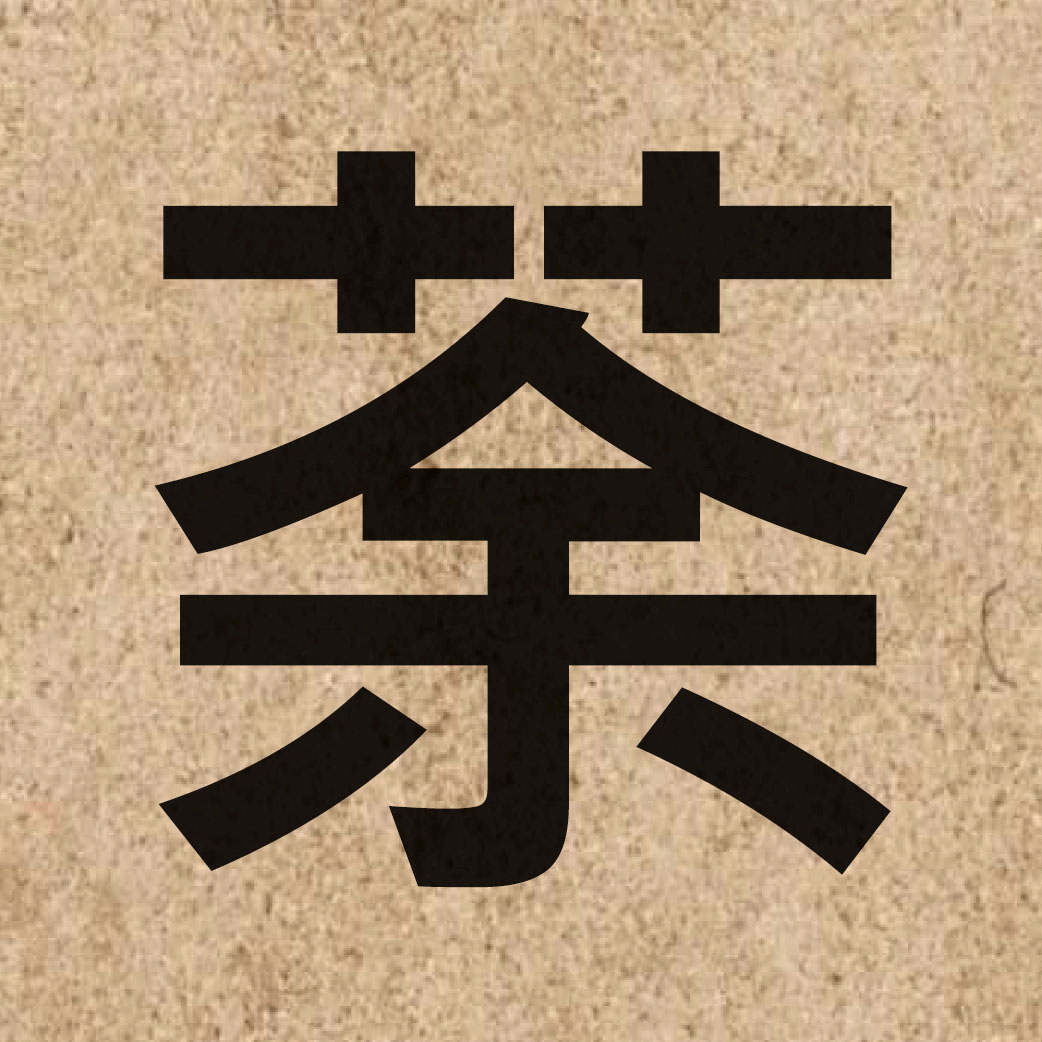
The Chinese word【荼】that we will introduce this time is a word that describes nature or culture. It is mainly used for the following meanings:
Bitter tea or plant. Explanation: 1. (1) It means bitter herb. Biennial or perennial herbs. The stem is more than one foot tall, hollow, and both it and the leaves contain white juice. The leaves are soft, thornless and have irregular serrations. Yellow flowers bloom in spring and summer. The young leaves are edible. (2) A metaphor for poison. For example: “poisoning living beings.” (3) The white flowers of reed and grass. Once this white flower blooms, it covers the mountains and fields, so it is used to describe the enthusiastic situation of things unfolding. For example: “in full swing.” 2. Shentu: a door god in ancient legends. For example: “Shentu Yulei”.
The pronunciation of this specific Chinese character is given below.
Mandarin Pinyin of 【荼】:tú
Cantonese Jyutping of 【荼】:caa4/tou4
Below, I will share fundamental aspects of the meaning and usage of the character 【荼】︰
Here are some situations where you can use【荼】, for example:Describing nature or culture , It means mainly bitter tea or plant .Chinese characters possess deep and diverse meanings, and some detailed aspects may not be entirely covered in this discussion.
【荼】is a simple word when used alone, but its meaning broadens when combined with others to form intricate phrases, like【茶荼、荼毒】(Mandarin Pinyin:chá tú 、tú dú/ Cantonese Jyutping:caa4 tou4 、tou4 duk6)
To complete this character, you need 11 strokes,Its usage is more restrictive, making it an advanced-level Chinese character that one only needs to learn when seeking to challenge their own abilities,Provided below is a sentence illustrating this character in context.:
荼毒表達了某種不良的影響。
Poisoning expresses some kind of adverse influence.
I hope you appreciate the depth of the Chinese language and gain useful knowledge here. Explore the information at your own pace.