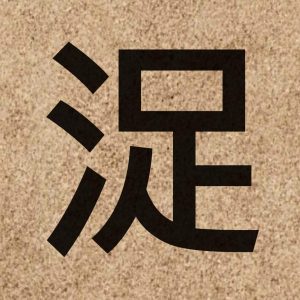
The Chinese character【楔】is used to describe objects or structures, and is mainly used for the following meanings:
Wedge or shape. Explanation: A wooden block with a flat and thick upper end and a pointed and flat lower end that is inserted into the hole for fixing. For example: “wooden wedge”.
This is how you pronounce the given Chinese character.
Mandarin Pinyin of 【楔】:xiē
Cantonese Jyutping of 【楔】:sit3
Here’s a brief introduction to the basic aspects of the character 【楔】︰
Here are some situations where you can use【楔】, for example:Describing an object or structure , It means primarily a wedge or shape .As Chinese characters hold complex and sophisticated meanings, certain aspects may be too detailed to fully articulate in this explanation.
【楔】is a fundamental term that integrates with others to create meaningful expressions, such as【木楔、楔形】(Mandarin Pinyin:mù xiē 、xiē xíng/ Cantonese Jyutping:muk6 sit3 、sit3 jing4)
The number of strokes required for this character is 13 ,It is a Chinese character that, once mastered, allows for a deeper understanding and more diverse expression in communication,Here’s a practical example using this character.:
他用木楔固定住了傾斜的桌子。
He secured the tilted table with wooden wedges.
Hoping that you’ll be captivated by Chinese and gain valuable knowledge here. There’s plenty for you to explore—take your time!