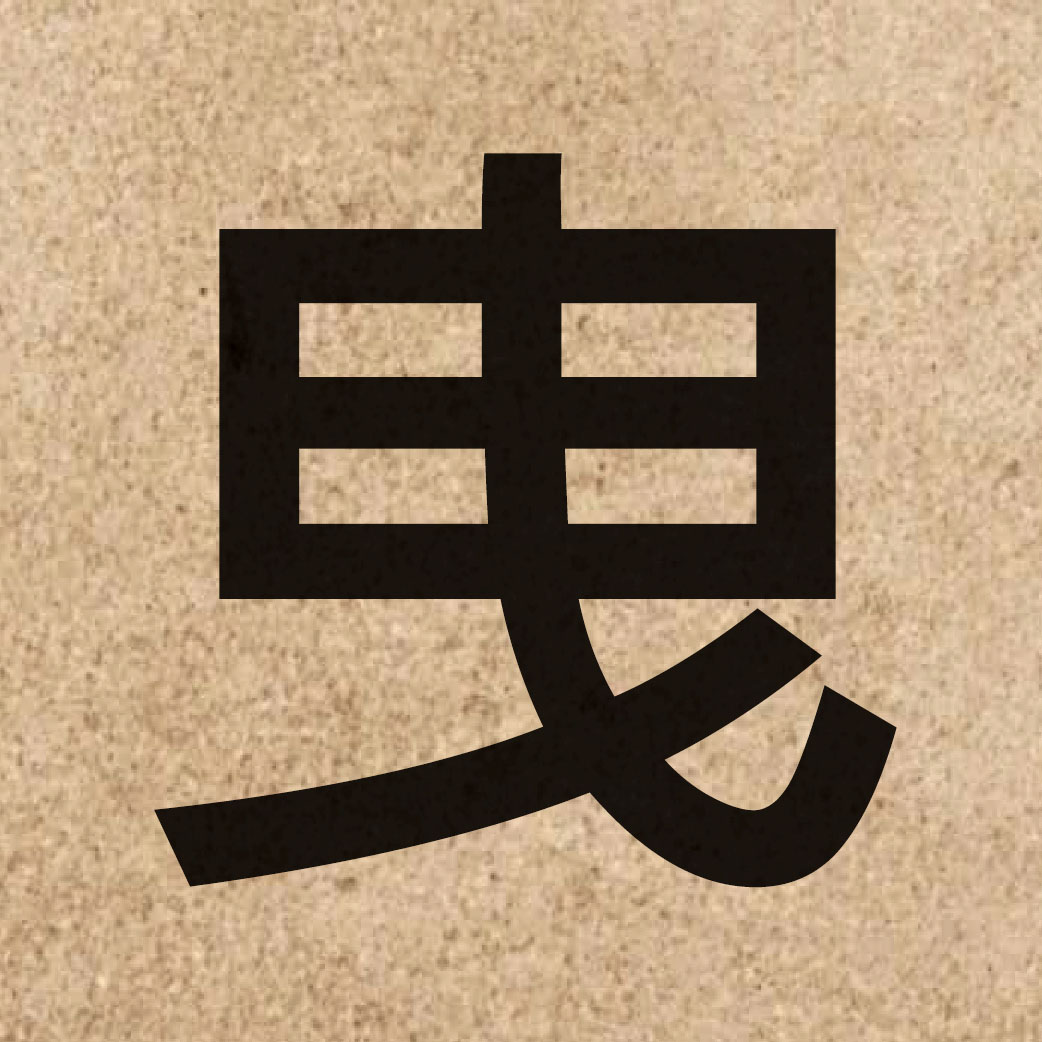
The Chinese character【曳】(Yi) that we will be discussing today is a character that describes an action or behavior. It is mainly used for the following meanings:
drag.
Below is the correct pronunciation of this particular Chinese character.
Mandarin Pinyin of 【曳】:yè
Cantonese Jyutping of 【曳】:jai5
This section presents general background information on the Chinese character 【曳】︰
Here are some situations where you can use【曳】, for example:Describing an action or behavior , It means mainly drag .As Chinese characters have broad and intricate meanings, certain details might be too specific to be entirely explained in this overview.
【曳】exists independently, yet its interaction with other words enriches expressions, such as【曳步、拖曳】(Mandarin Pinyin:yè bù 、tuō yè/ Cantonese Jyutping:jai6 bou6 、to1 jai6)
It takes 6 strokes to write this character,It is a Chinese character that must be learned by those aiming to reach a near-native level of proficiency in Chinese,This example sentence will help clarify the usage of this character.:
長裙在地面上輕輕曳過,顯得優雅。
The long skirt dragged gently on the ground, looking elegant.
Wishing you an enriching journey in discovering the beauty of Chinese and acquiring new knowledge. Feel free to check out the details here.