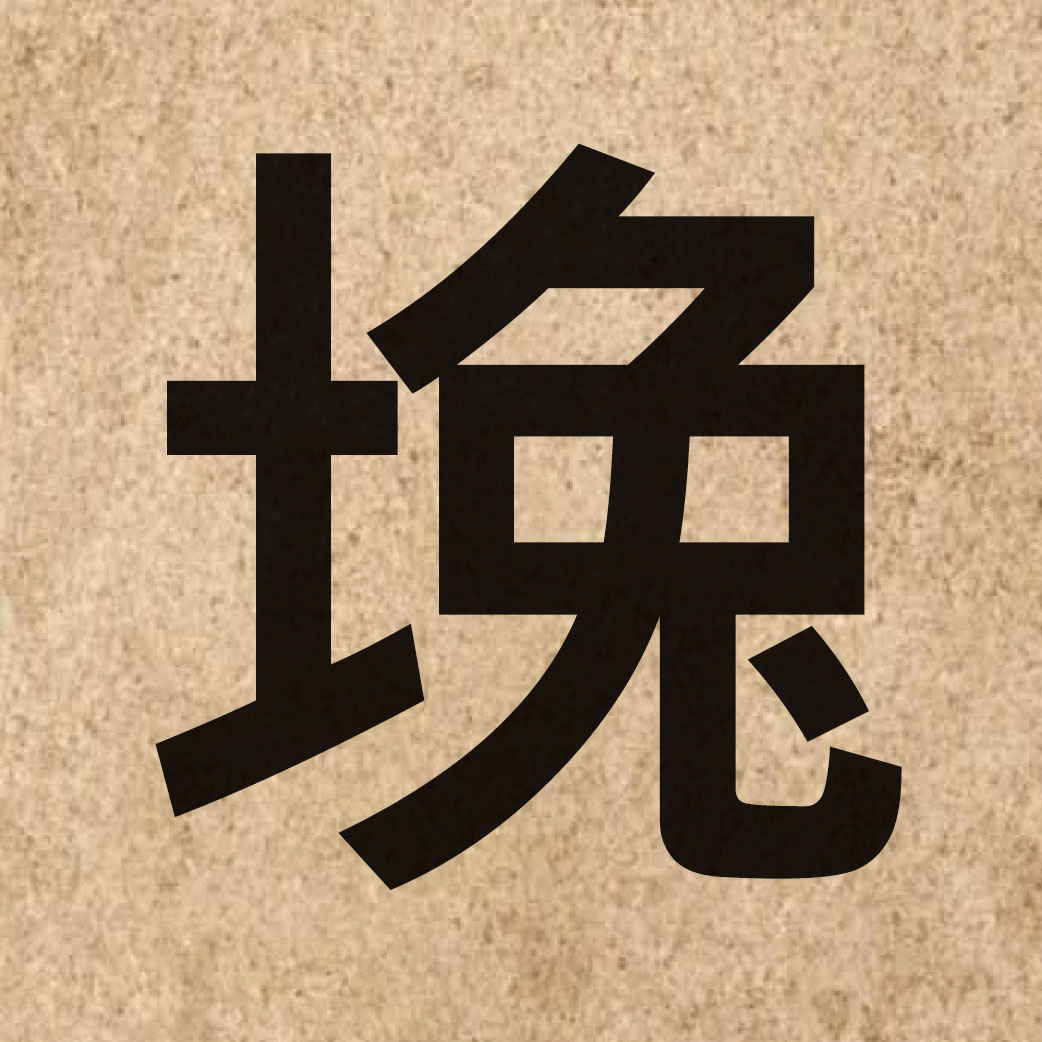
The Chinese character【堍】that we will explain today is a word that describes geography or architecture. It is mainly used for the following meanings:
A dam or mound.
This section provides the pronunciation of the Chinese character.
Mandarin Pinyin of 【堍】:tù
Cantonese Jyutping of 【堍】:tou3
Below is an introduction to the basics of the Chinese character 【堍】︰
Here are some situations where you can use【堍】, for example:Describing geography or architecture , It means mainly a dam or a mound of earth. .Given the broad and profound nature of Chinese characters, some nuances and precise usages may not be entirely captured in this space.
【堍】functions as a standalone word but can pair with others to form more descriptive expressions, like【土堍、堤堍】(Mandarin Pinyin:tǔ tù 、dī tù/ Cantonese Jyutping:tou2 tou3 、tai4 tou3)
The stroke count for this character is 11 ,It is an obscure Chinese character that may only be found in ancient texts,Below, you’ll find a sentence connected to this character.:
工人加固了河邊的土堍以防洪水。
Workers reinforced the river bank to prevent flooding.
I hope you find delight in the richness of the Chinese language and learn new things here. Take your time going through the materials provided.