1. Digging Into the Harsh Truth of 「一文不值」
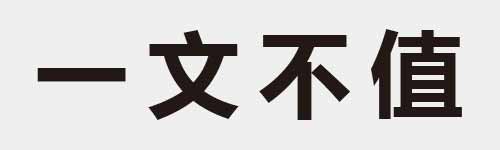
Chinese idioms, or 成语 (chéngyǔ), are powerful tools for expression, and 「一文不值」 is no exception. Literally meaning “not worth even one coin,” this idiom conveys utter worthlessness—whether referring to an object, an opinion, or even someone’s character. Historically, “一文” was the smallest currency unit in ancient China, so saying something is “不值” (not worth) even that amount is a strong statement of insignificance.
Breaking it down:
- 一 (yī): one
- 文 (wén): coin
- 不值 (bù zhí): not worth
This idiom often carries a sharp, dismissive tone, making it perfect for criticism or blunt evaluations.
Pronunciation Guide
- Mandarin (普通话): yī wén bù zhí
- Cantonese (廣東話): yat1 man4 bat1 jik6
2. Everyday Scenarios: How 「一文不值」 Shows Up in Real Life
Unlike some poetic idioms, 「一文不值」 is common in daily speech, especially when expressing strong disapproval or frustration. Here are two examples:
- 這台舊機器已經壞得一文不值。
This old machine is so broken that it’s completely worthless. - 他的承諾一文不值,根本不可信。
His promises are worthless and completely unreliable.
This idiom is often used in arguments, reviews, or blunt opinions—so be careful, as it can sound harsh and judgmental.
3. Related Idioms That Hit Similar Notes
If you want to expand your vocabulary, here are some idioms with similar meanings:
- 微不足道 (wēi bù zú dào) – insignificant; hardly worth mentioning
- 不屑一顧 (bù xiè yī gù) – not worth a glance; utter disdain
- 價值連城 (jià zhí lián chéng) – worth a fortune; extremely valuable (antonym)
- 無價之寶 (wú jià zhī bǎo) – a priceless treasure (antonym)
These phrases help you express value—or the lack of it—with precision and flair.
我是這樣看這個成語的… My Personal Take on 「一文不值」
To me, 「一文不值」 feels sharp and judgmental, which makes it less suitable for casual conversation. It’s often used in strong critiques, so yes—it carries a negative tone.
But that’s exactly why learning it is valuable: it teaches how Chinese expresses disdain vividly. While I wouldn’t use it lightly, understanding idioms like this adds depth to my language skills and cultural insight.