

The Chinese word【騙】that we will introduce this time is a word that describes behavior or attitude. It is mainly used for the following meanings: cheat.…
View More 騙: Describing behavior or attitude, it is definitely used in daily life, more advanced Chinese characters (more than 7,000 characters in total)
陶: Describe culture or art, which is used in daily life, more advanced Chinese characters (with Cantonese and Mandarin pronunciation)
The Chinese character【陶】that I will teach you this time is a word that describes culture or art. It is mainly used for the following meanings:…
View More 陶: Describe culture or art, which is used in daily life, more advanced Chinese characters (with Cantonese and Mandarin pronunciation)
網: Describing objects or connections, which are definitely used in daily life, more advanced Chinese characters (with basic explanations)
The Chinese word【網】that we will introduce this time is a word that describes an object or a connection. It is mainly used for the following…
View More 網: Describing objects or connections, which are definitely used in daily life, more advanced Chinese characters (with basic explanations)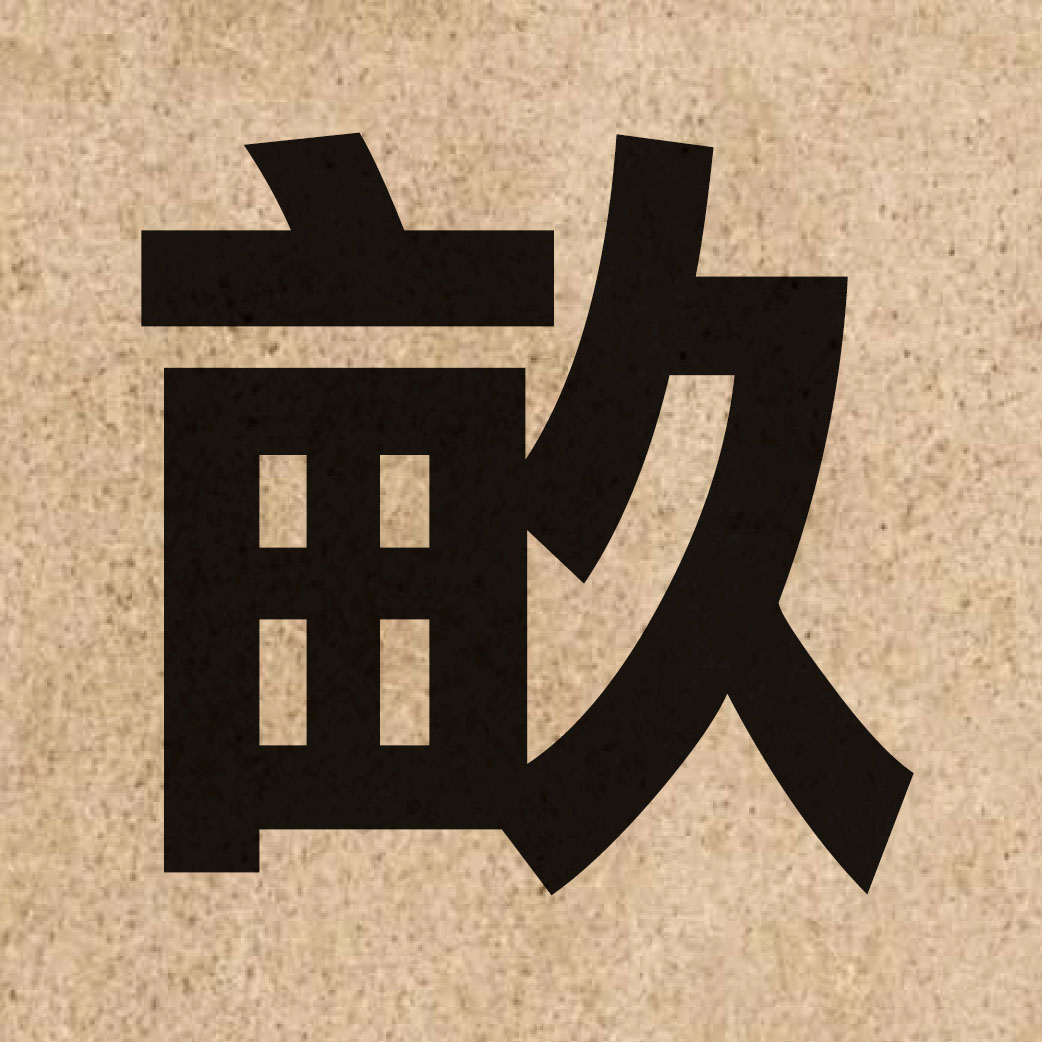
畝: Describing agriculture or area, which is used in daily life, more advanced Chinese characters (more than 7,000 characters in total)
The Chinese character【畝】that I will teach you this time is a word that describes agriculture or area. It is mainly used for the following meanings:…
View More 畝: Describing agriculture or area, which is used in daily life, more advanced Chinese characters (more than 7,000 characters in total)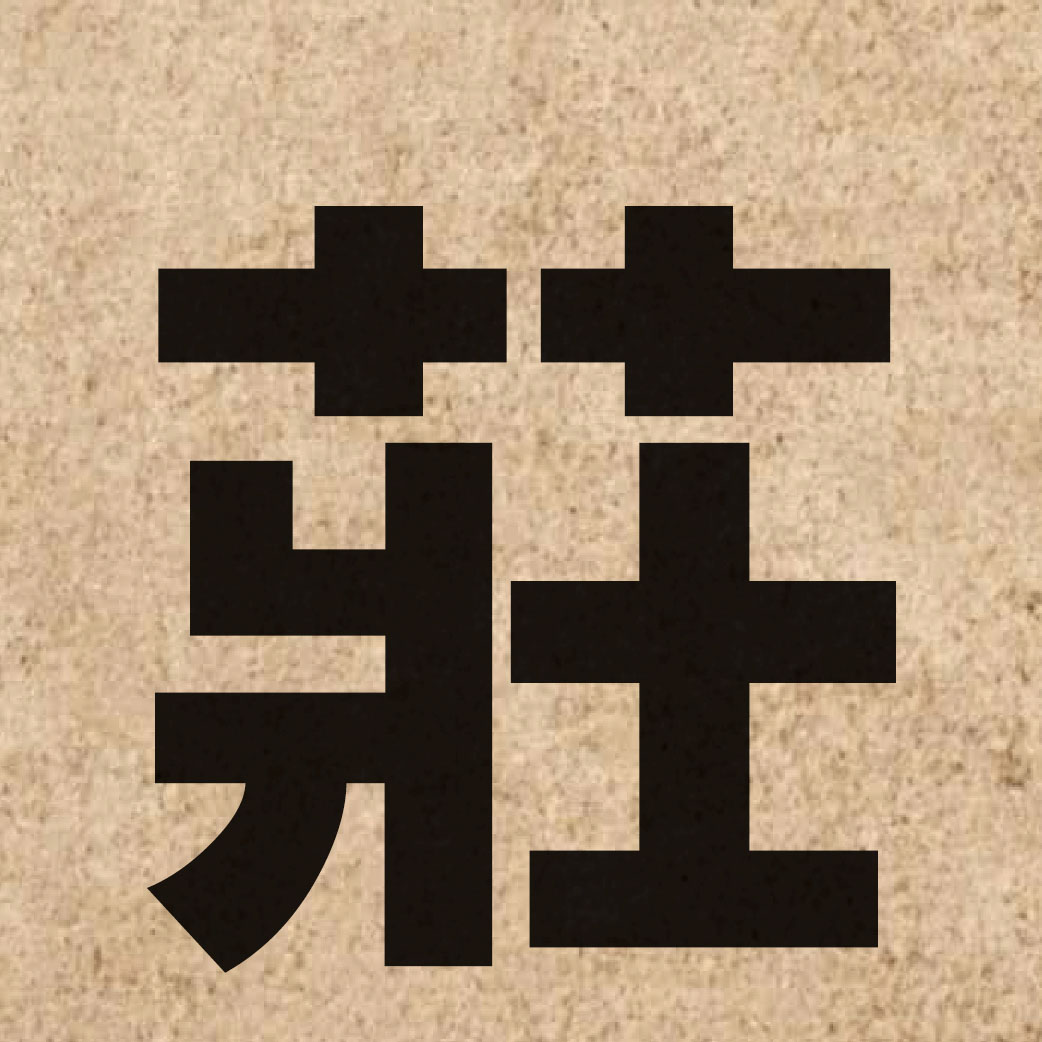
莊: Describing attitudes or places, which are used in daily life, more advanced Chinese characters (with Cantonese and Mandarin pronunciation)
The Chinese character【莊】that we will talk about today is a word that describes attitude or place. It is mainly used for the following meanings: Stately,…
View More 莊: Describing attitudes or places, which are used in daily life, more advanced Chinese characters (with Cantonese and Mandarin pronunciation)
糖: Describing food or health, which is used in daily life, more advanced Chinese characters (more than 7,000 characters in total)
When it comes to the Chinese word【糖】, it is used to describe food or health, and is mainly used for the following meanings: Sweet substances.…
View More 糖: Describing food or health, which is used in daily life, more advanced Chinese characters (more than 7,000 characters in total)
泉: Describing nature or water resources, which are used in daily life, more advanced Chinese characters (free learning resources)
The Chinese character【泉】that I will teach you this time is a word that describes nature or water resources. It is mainly used for the following…
View More 泉: Describing nature or water resources, which are used in daily life, more advanced Chinese characters (free learning resources)
蠟: Describing materials or brightness, it is a relatively advanced Chinese word that is used in daily life (with basic explanation)
The Chinese word【蠟】is a word that describes material or brightness, and is mainly used for the following meanings: Candle wax or coating. Explanation: (1) Fats…
View More 蠟: Describing materials or brightness, it is a relatively advanced Chinese word that is used in daily life (with basic explanation)
付: Describing actions or transactions, which are used in daily life, more advanced Chinese characters (with basic explanations)
The Chinese character【付】that I will teach you this time is a word that describes an action or transaction. It is mainly used for the following…
View More 付: Describing actions or transactions, which are used in daily life, more advanced Chinese characters (with basic explanations)
遊: Describes actions or states, which are used in daily life, more advanced Chinese characters (with Cantonese and Mandarin pronunciation)
The Chinese character【遊】is a word that describes an action or a state, and is mainly used for the following meanings: Travel or have fun. Explanation:…
View More 遊: Describes actions or states, which are used in daily life, more advanced Chinese characters (with Cantonese and Mandarin pronunciation)