
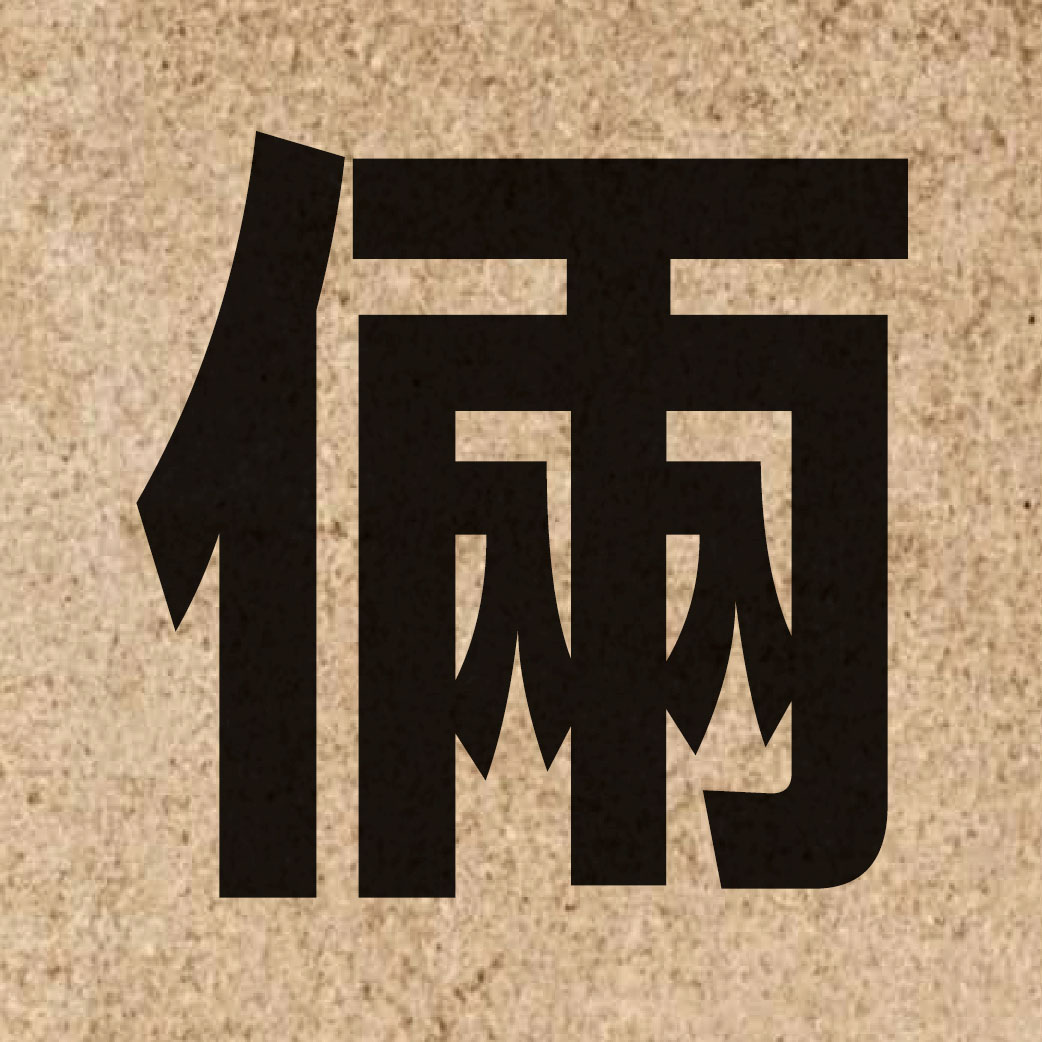
The Chinese character【倆】that we will explain today is a word that describes quantity or relationship. It is mainly used for the following meanings: Two or…
View More 倆: Describing quantities or relationships, you will definitely use them in your daily life. More advanced Chinese characters (free learning resources)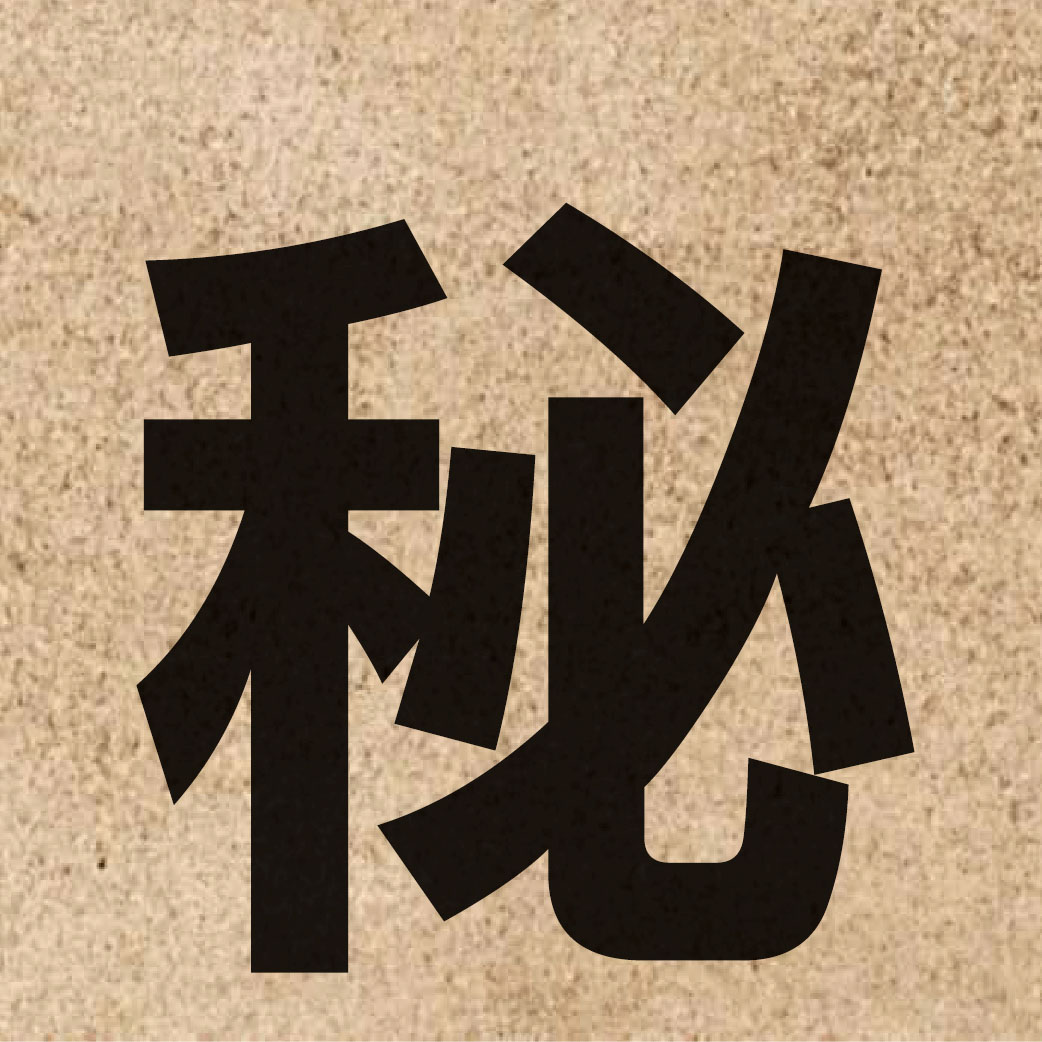
秘: Describing status or action, it is definitely used in daily life, more advanced Chinese characters (with basic explanations)
The Chinese word【秘】that we will introduce this time is a word that describes a state or action. It is mainly used for the following meanings:…
View More 秘: Describing status or action, it is definitely used in daily life, more advanced Chinese characters (with basic explanations)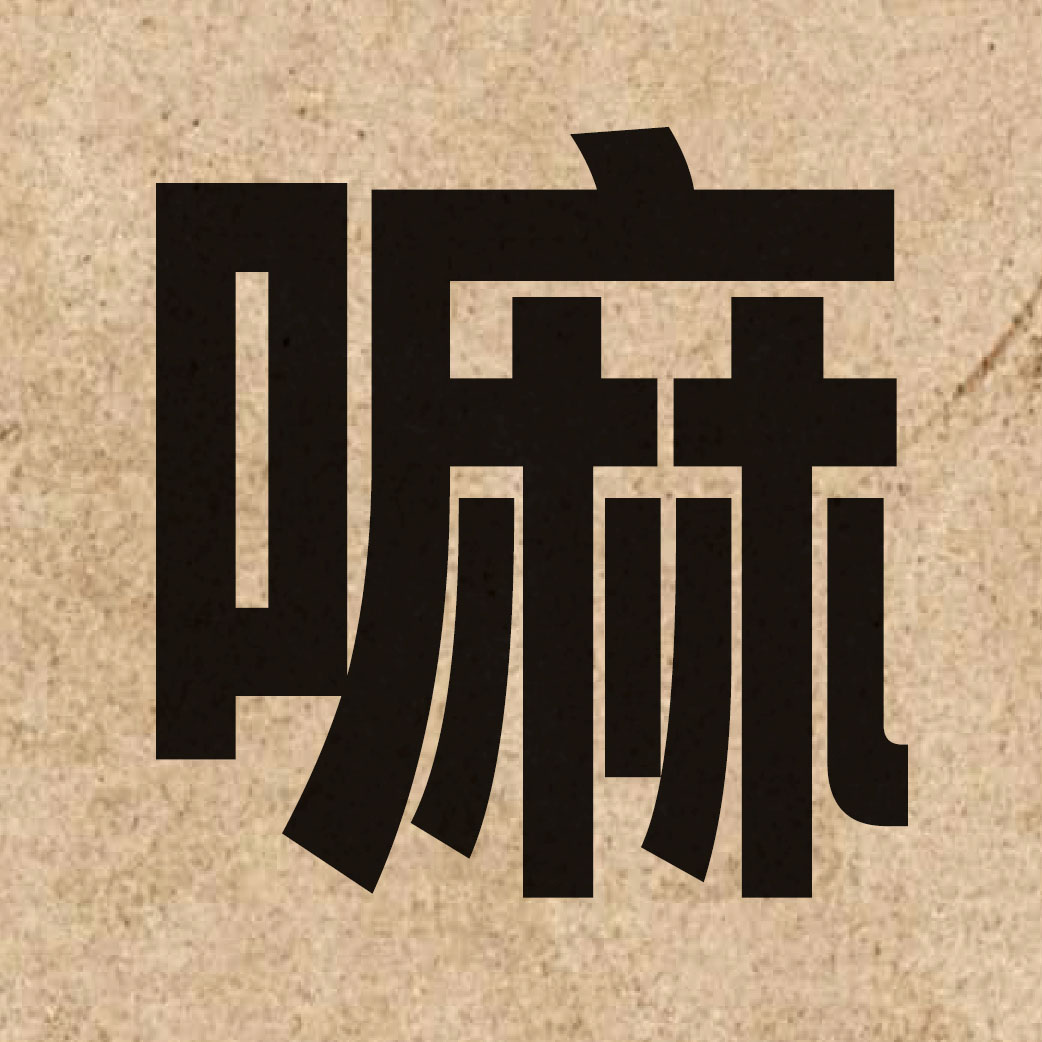
嘛: Describes tone or attitude, which is used in daily life. It is a relatively advanced Chinese dictionary (a simple version of the dictionary)
The Chinese word【嘛】that we will introduce this time is a word that describes tone or attitude. It is mainly used for the following meanings: An…
View More 嘛: Describes tone or attitude, which is used in daily life. It is a relatively advanced Chinese dictionary (a simple version of the dictionary)
荷: Describing plants or conditions, which are used in daily life, more advanced Chinese characters (with basic explanations)
The Chinese character【荷】that I will teach you this time is a word that describes plants or states, and is mainly used for the following meanings:…
View More 荷: Describing plants or conditions, which are used in daily life, more advanced Chinese characters (with basic explanations)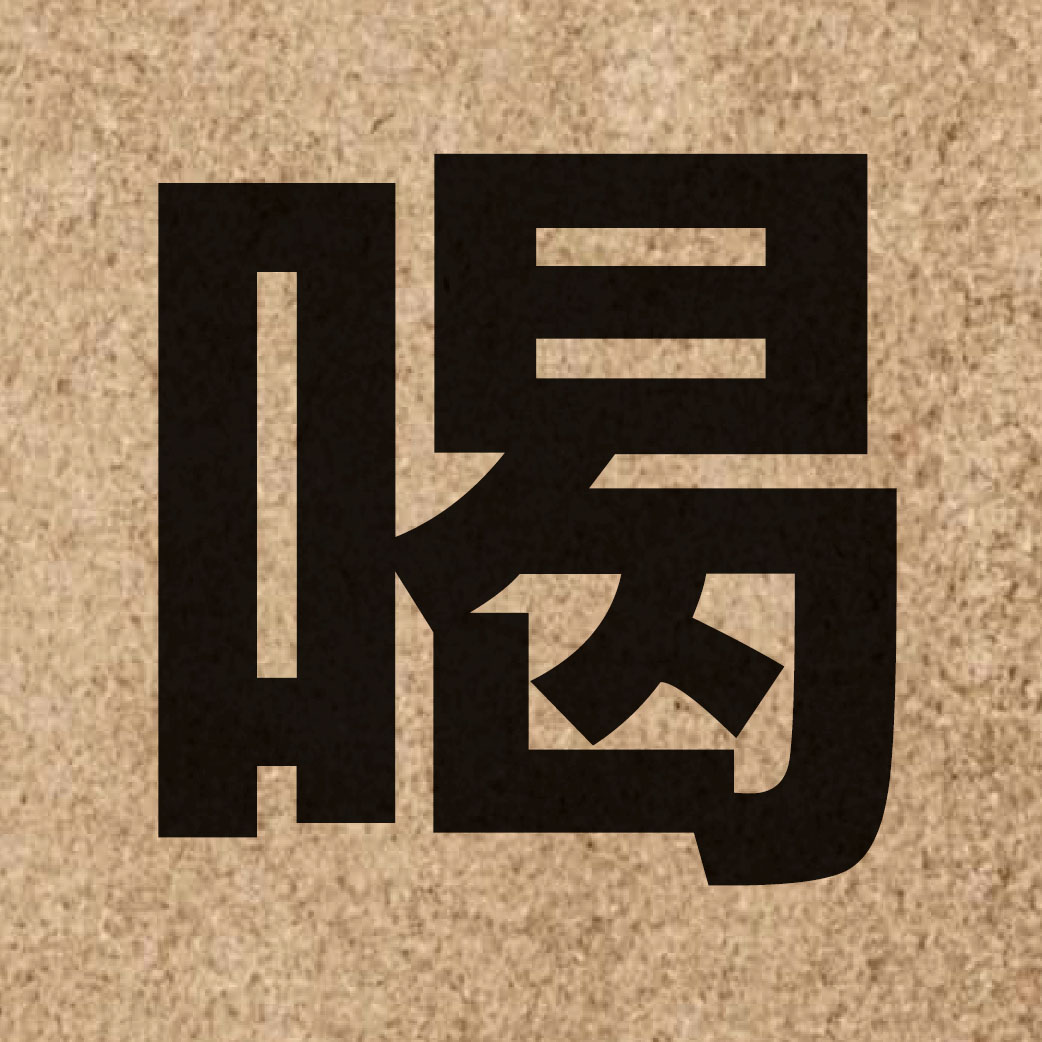
喝: Describes actions or sounds, which are used in daily life. More advanced Chinese characters (with Cantonese and Mandarin pronunciation)
The Chinese character【喝】is a word that describes an action or a sound, and is mainly used for the following meanings: Drink or shout. Explanation: 1.…
View More 喝: Describes actions or sounds, which are used in daily life. More advanced Chinese characters (with Cantonese and Mandarin pronunciation)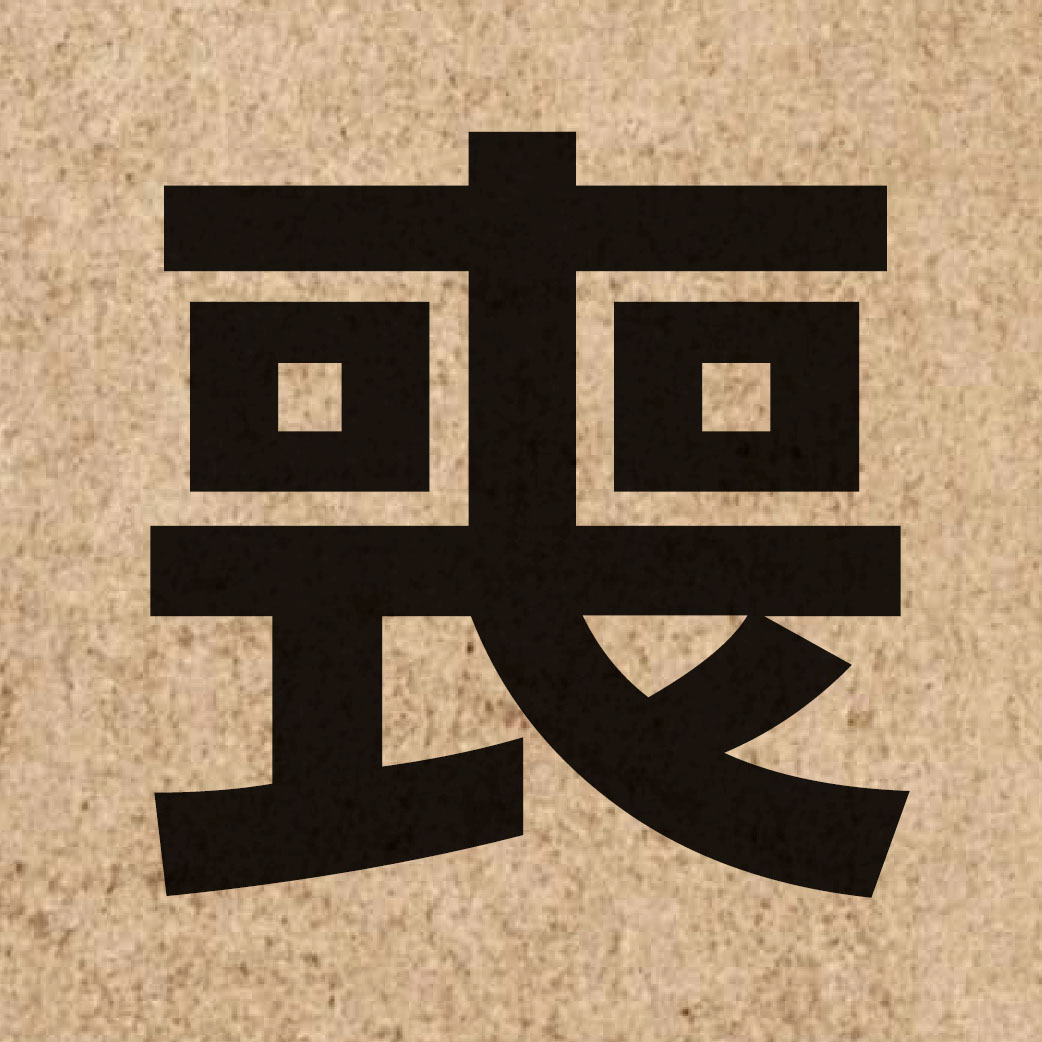
喪: Describing actions or emotions, these are common in daily life. They are relatively advanced Chinese characters (with basic explanations)
The Chinese word【喪】that we will introduce this time is a word that describes actions or emotions. It is mainly used for the following meanings: Loss…
View More 喪: Describing actions or emotions, these are common in daily life. They are relatively advanced Chinese characters (with basic explanations)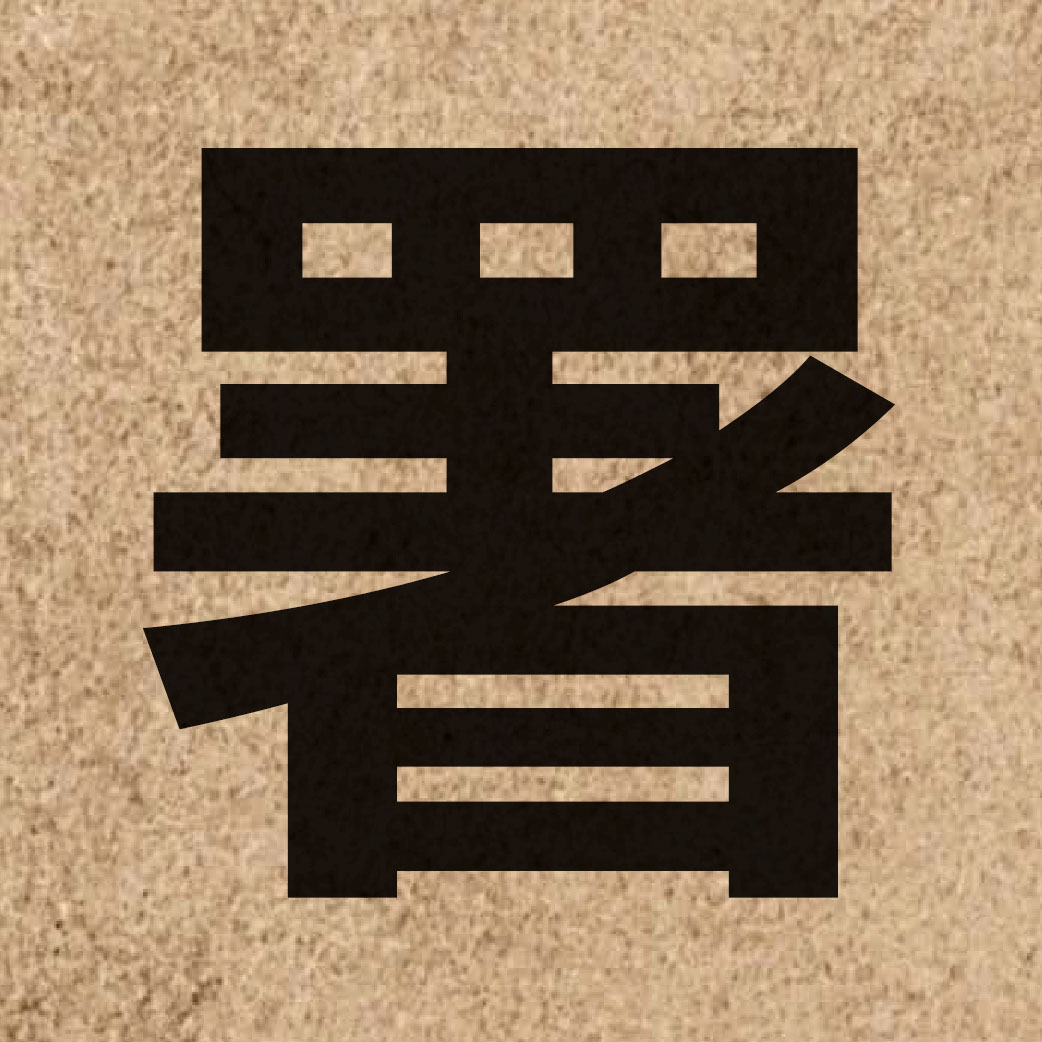
署: Describe actions or units, which are used in daily life. More advanced Chinese characters (with Cantonese and Mandarin pronunciation)
The Chinese character【署】that we will talk about today is a word that describes an action or unit. It is mainly used for the following meanings:…
View More 署: Describe actions or units, which are used in daily life. More advanced Chinese characters (with Cantonese and Mandarin pronunciation)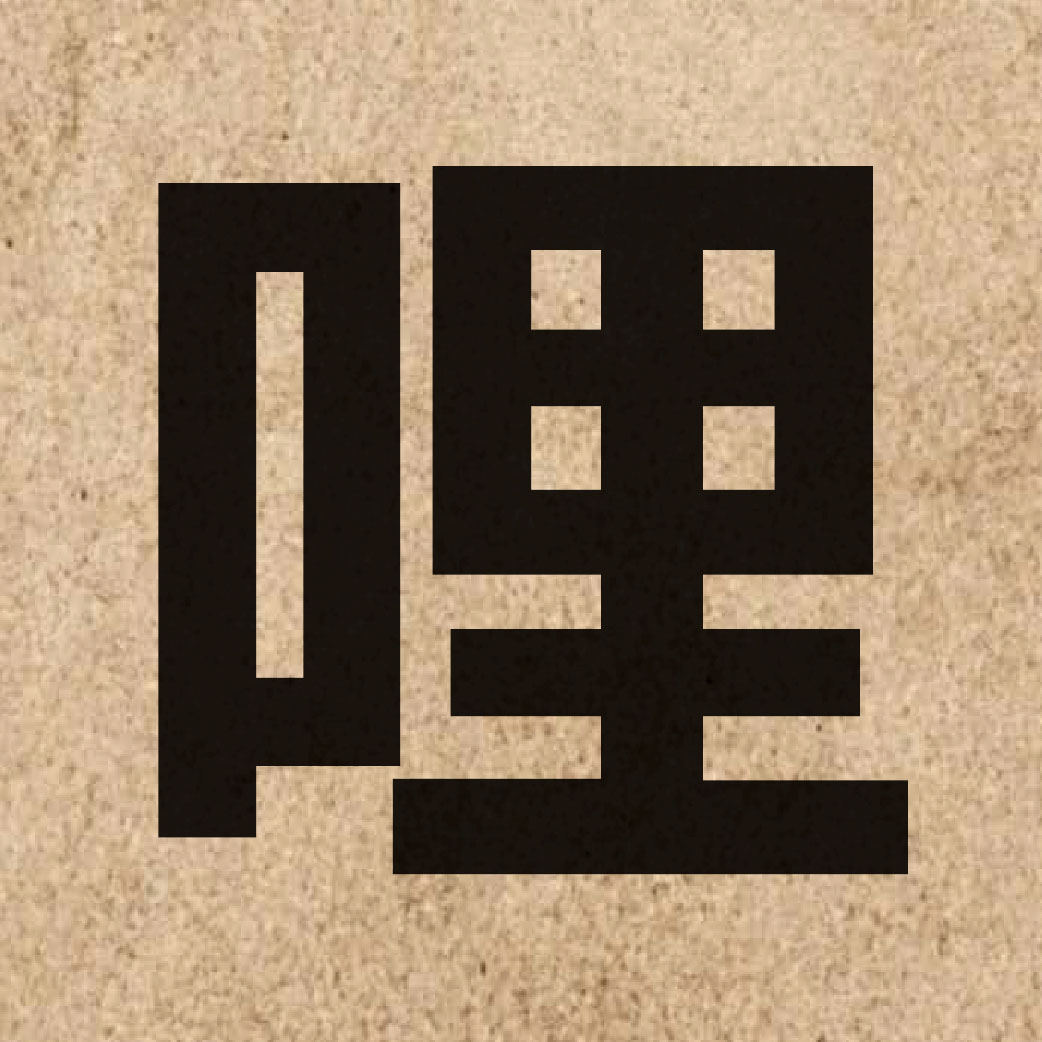
哩: Describe tone or emphasis, you will definitely use it in daily life, more advanced Chinese characters (with Cantonese and Mandarin pronunciation)
The Chinese character【哩】is used to describe tone or emphasis, and is mainly used for the following meanings: An interjection used to express questions or exclamations.…
View More 哩: Describe tone or emphasis, you will definitely use it in daily life, more advanced Chinese characters (with Cantonese and Mandarin pronunciation)
倡: Describe actions or goals, which are often used in daily life. Advanced Chinese characters (with Cantonese and Mandarin pronunciation)
The Chinese word【倡】that we will introduce this time is a word that describes an action or a goal. It is mainly used for the following…
View More 倡: Describe actions or goals, which are often used in daily life. Advanced Chinese characters (with Cantonese and Mandarin pronunciation)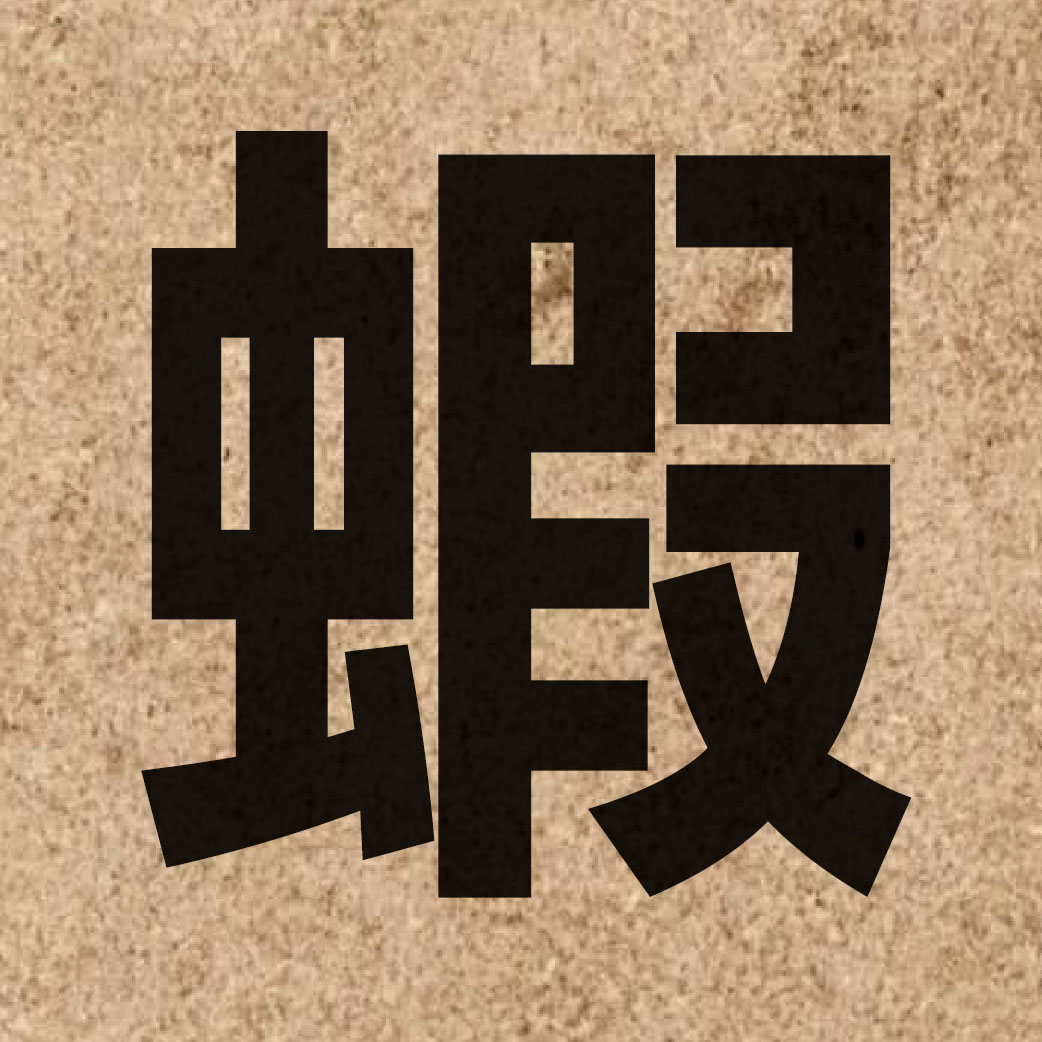
蝦: Describing biology or cooking, which is definitely used in daily life, more advanced Chinese characters (simple version of the dictionary)
The Chinese character【蝦】(shrimp) that we will be discussing today is a word that describes a creature or a dish. It is mainly used for the…
View More 蝦: Describing biology or cooking, which is definitely used in daily life, more advanced Chinese characters (simple version of the dictionary)