
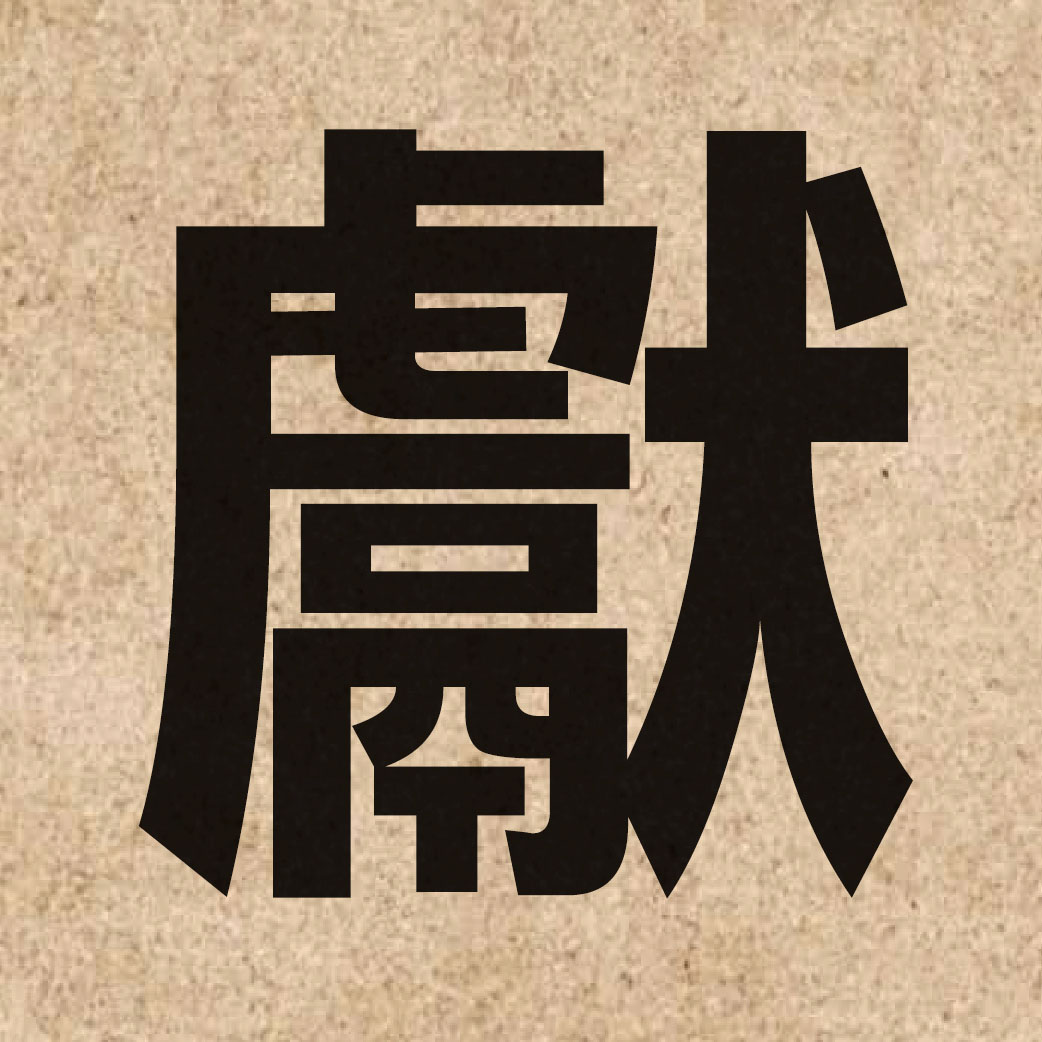
The Chinese character【獻】that I will teach you this time is a word that describes action or emotion. It is mainly used for the following meanings:…
View More 獻: Describing actions or emotions, which are used in daily life, more advanced Chinese characters (with Cantonese and Mandarin pronunciation)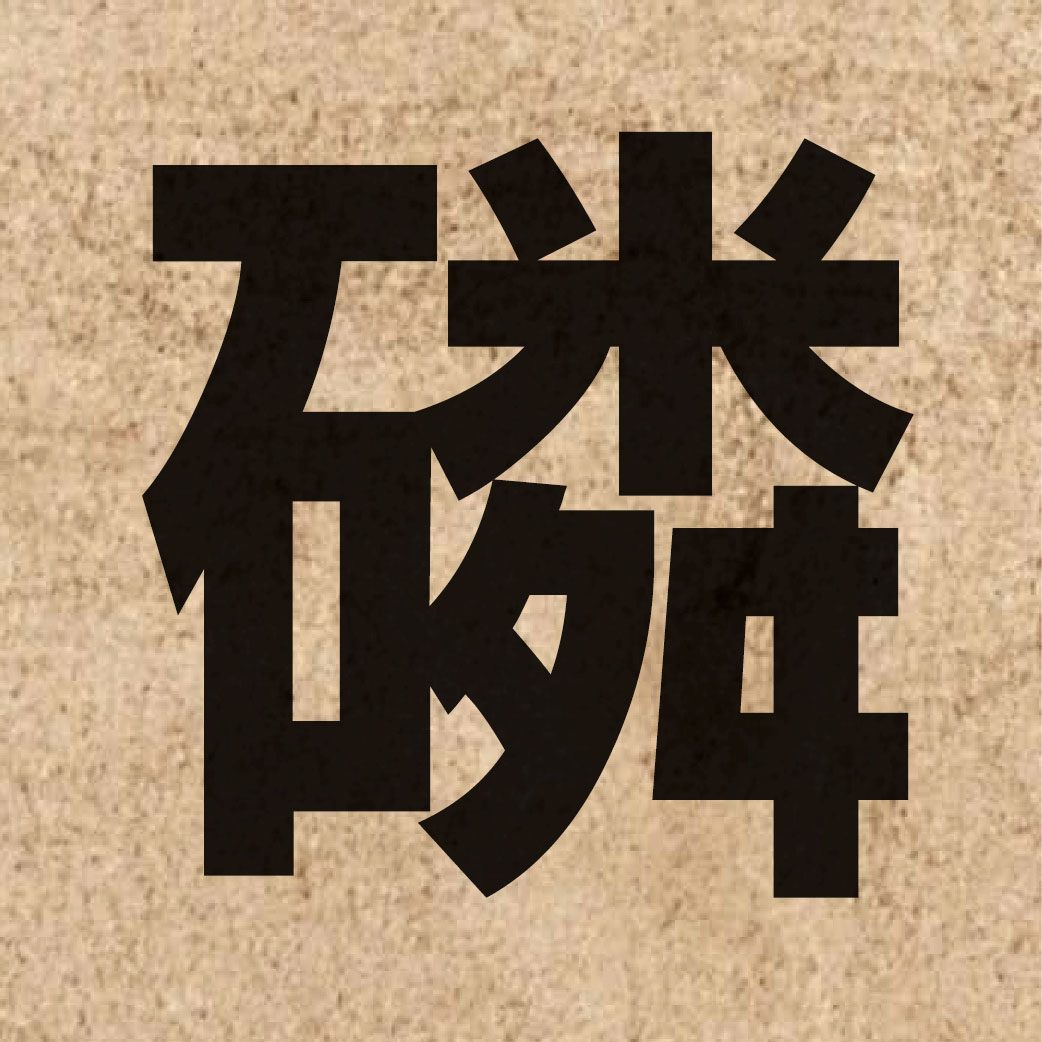
磷: Describing substances or science, which are used in daily life, more advanced Chinese characters (free learning resources)
The Chinese character【磷】that we will explain today is a word that describes matter or science. It is mainly used for the following meanings: Chemical element,…
View More 磷: Describing substances or science, which are used in daily life, more advanced Chinese characters (free learning resources)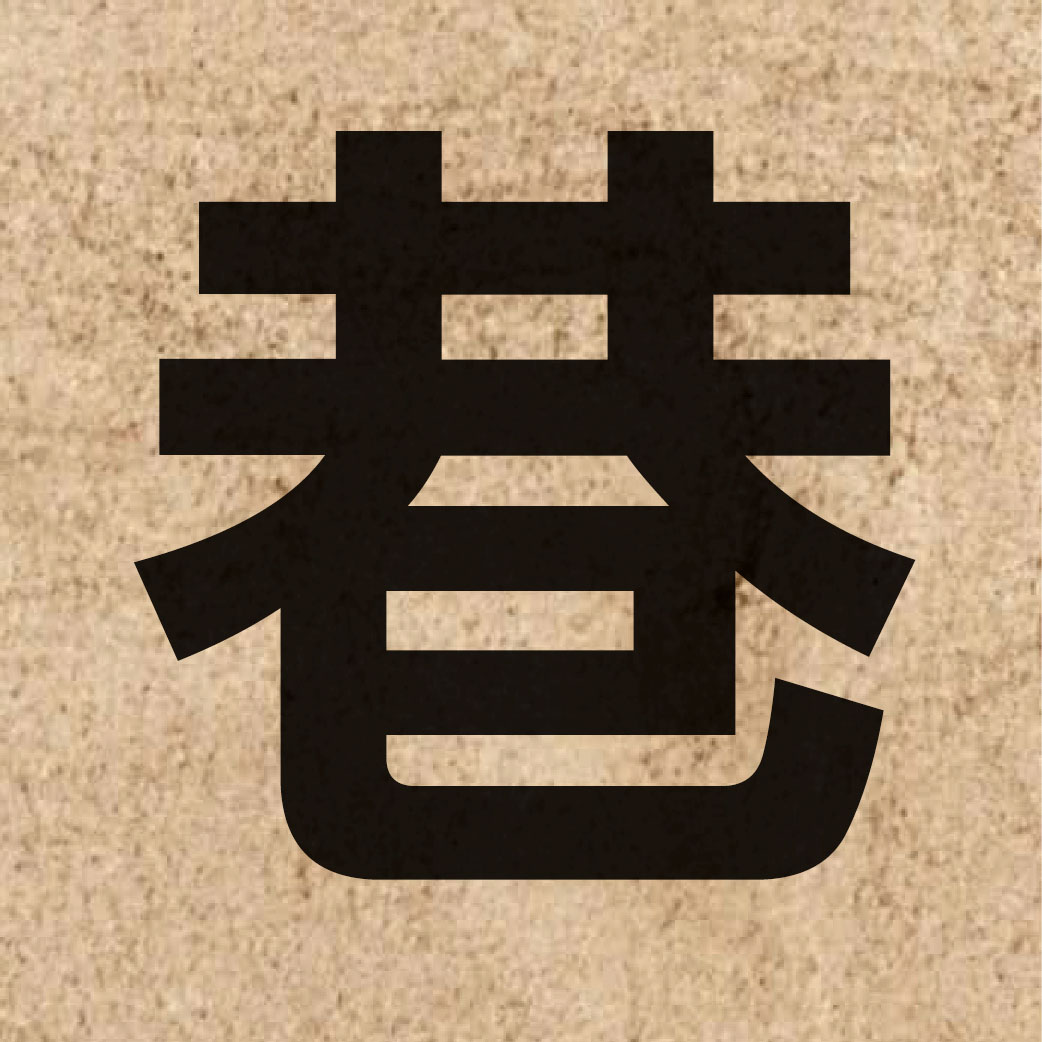
巷: Describing places or environments, which are used in daily life, more advanced Chinese characters (with basic explanations)
The Chinese character【巷】that we will explain today is a word that describes a place or environment. It is mainly used for the following meanings: Alley…
View More 巷: Describing places or environments, which are used in daily life, more advanced Chinese characters (with basic explanations)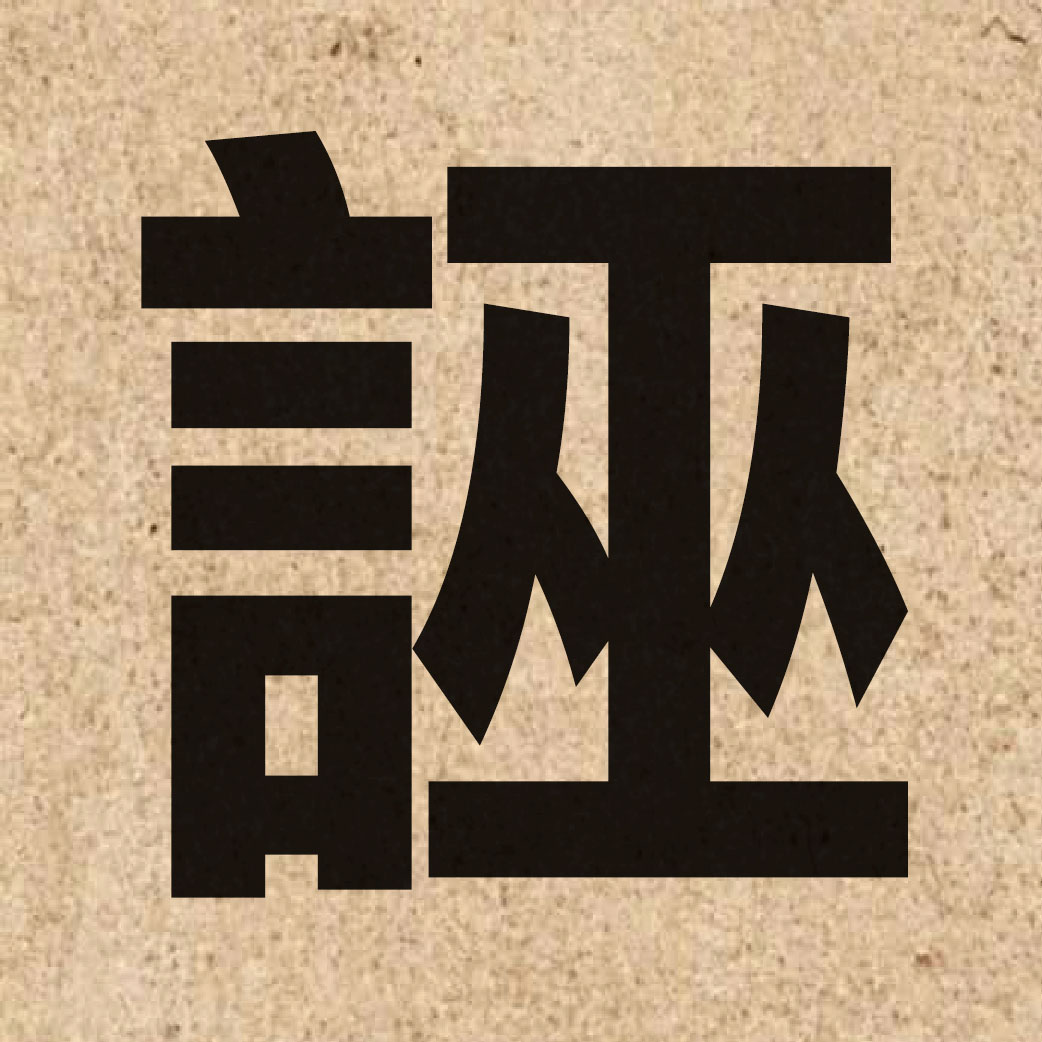
誣: Describing actions or accusations, it is definitely used in daily life, more advanced Chinese characters (with basic explanations)
The Chinese word【誣】that we will introduce this time is a word that describes an action or accusation. It is mainly used for the following meanings:…
View More 誣: Describing actions or accusations, it is definitely used in daily life, more advanced Chinese characters (with basic explanations)
廷: Describing organizations or politics, which are definitely used in daily life, more advanced Chinese characters (free learning resources)
The Chinese character【廷】that I will teach you today is a word that describes an institution or politics. It is mainly used for the following meanings:…
View More 廷: Describing organizations or politics, which are definitely used in daily life, more advanced Chinese characters (free learning resources)
犧: Describing actions or emotions, these are common in daily life. They are relatively advanced Chinese characters (with basic explanations)
The Chinese word【犧】that we will introduce this time is a word that describes action or emotion. It is mainly used for the following meanings: Sacrifice…
View More 犧: Describing actions or emotions, these are common in daily life. They are relatively advanced Chinese characters (with basic explanations)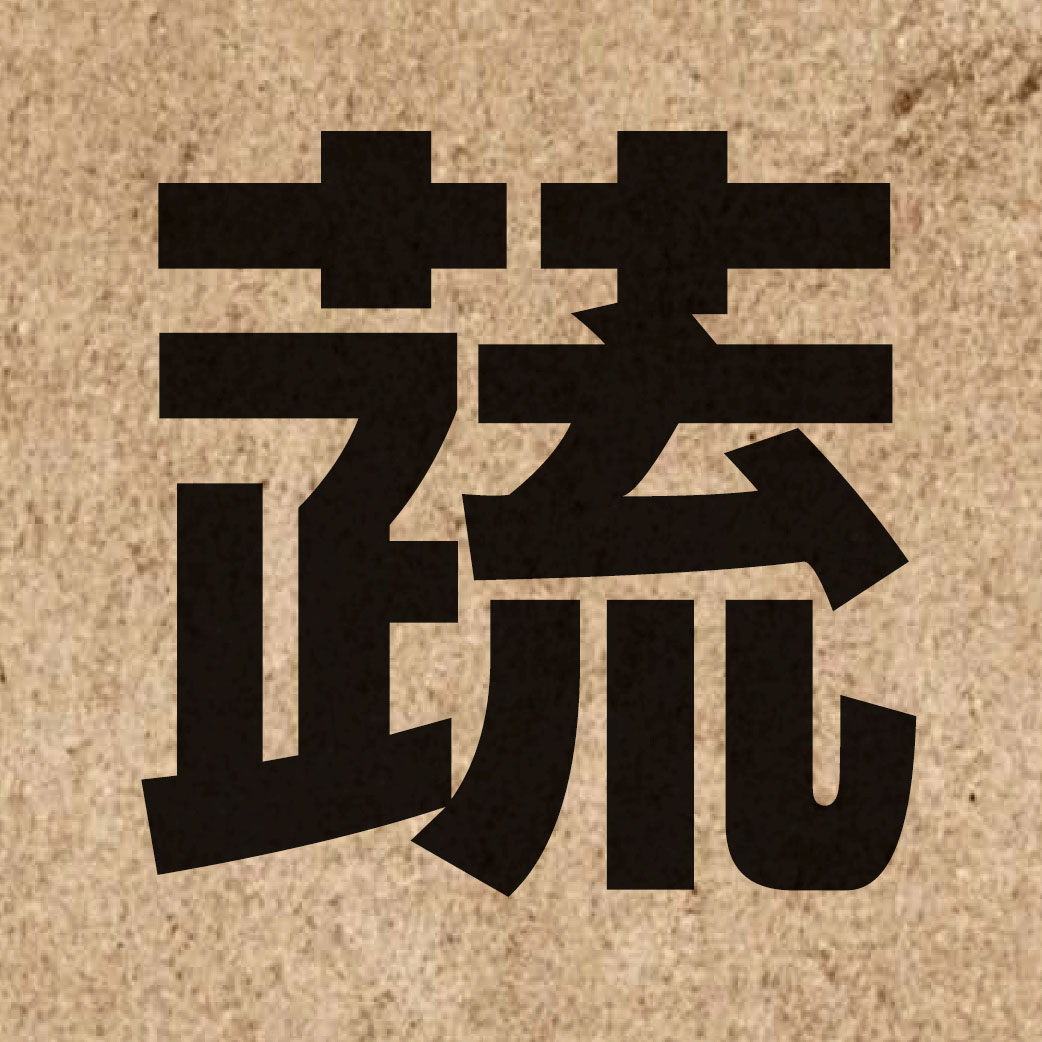
蔬: Describing food or agriculture, which is used in daily life, more advanced Chinese characters (more than 7,000 characters in total)
The Chinese character【蔬】that I will teach you this time is a word that describes food or agriculture. It is mainly used for the following meanings:…
View More 蔬: Describing food or agriculture, which is used in daily life, more advanced Chinese characters (more than 7,000 characters in total)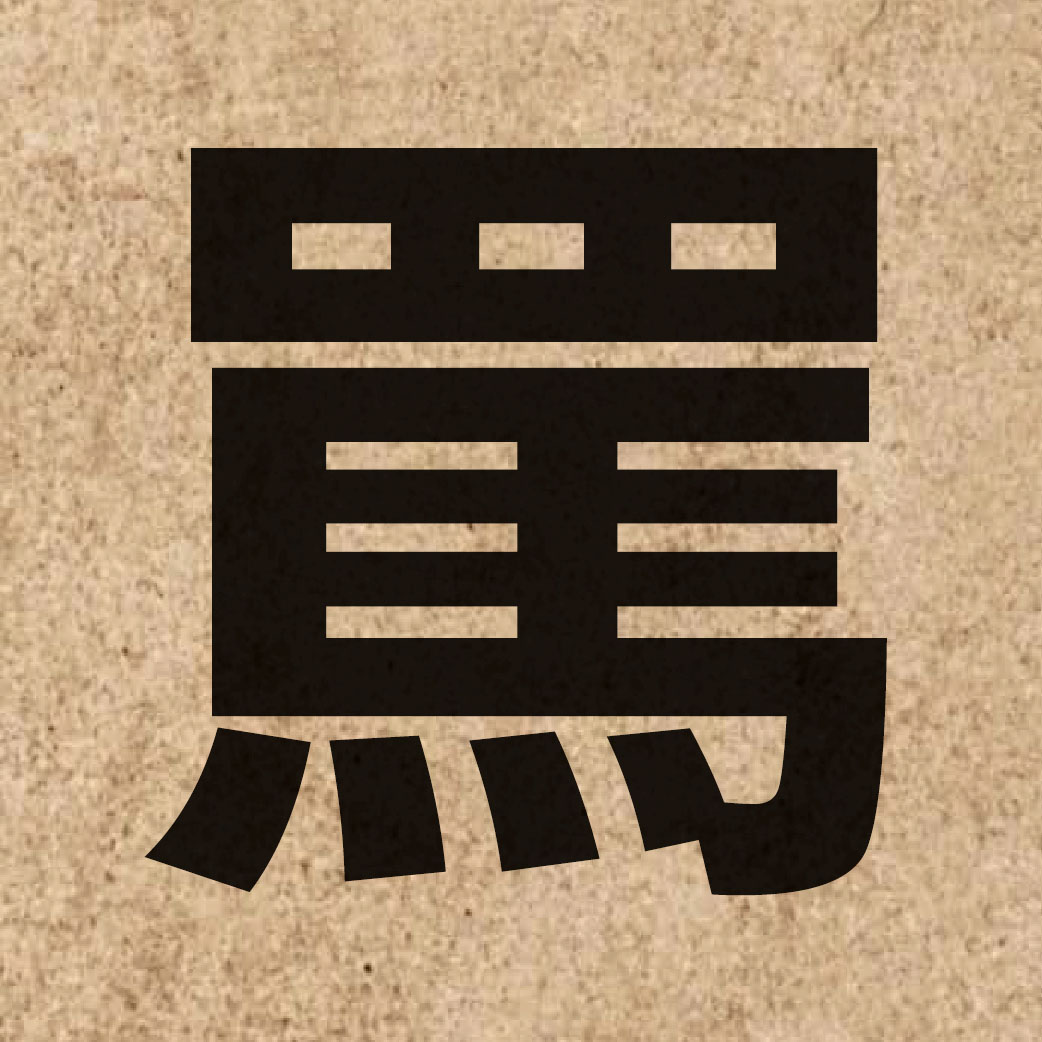
罵: Describing actions or emotions, you will definitely use them in your daily life, more advanced Chinese characters (free learning resources)
The Chinese character【罵】that I will teach you this time is a word that describes an action or emotion. It is mainly used for the following…
View More 罵: Describing actions or emotions, you will definitely use them in your daily life, more advanced Chinese characters (free learning resources)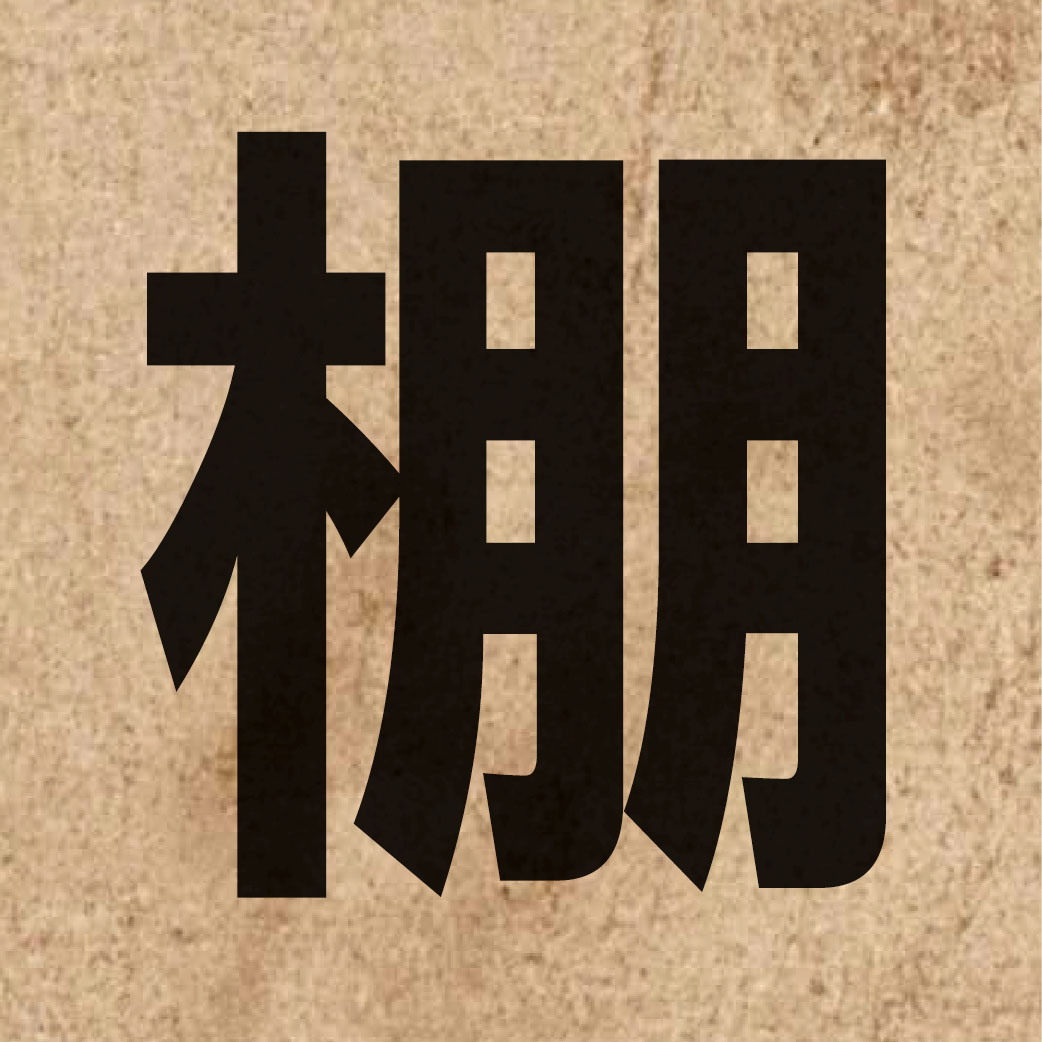
棚: Describe buildings or places, which are used in daily life. More advanced Chinese characters (more than 7,000 characters in total)
The Chinese word【棚】that we will introduce this time is a word that describes a building or a place. It is mainly used for the following…
View More 棚: Describe buildings or places, which are used in daily life. More advanced Chinese characters (more than 7,000 characters in total)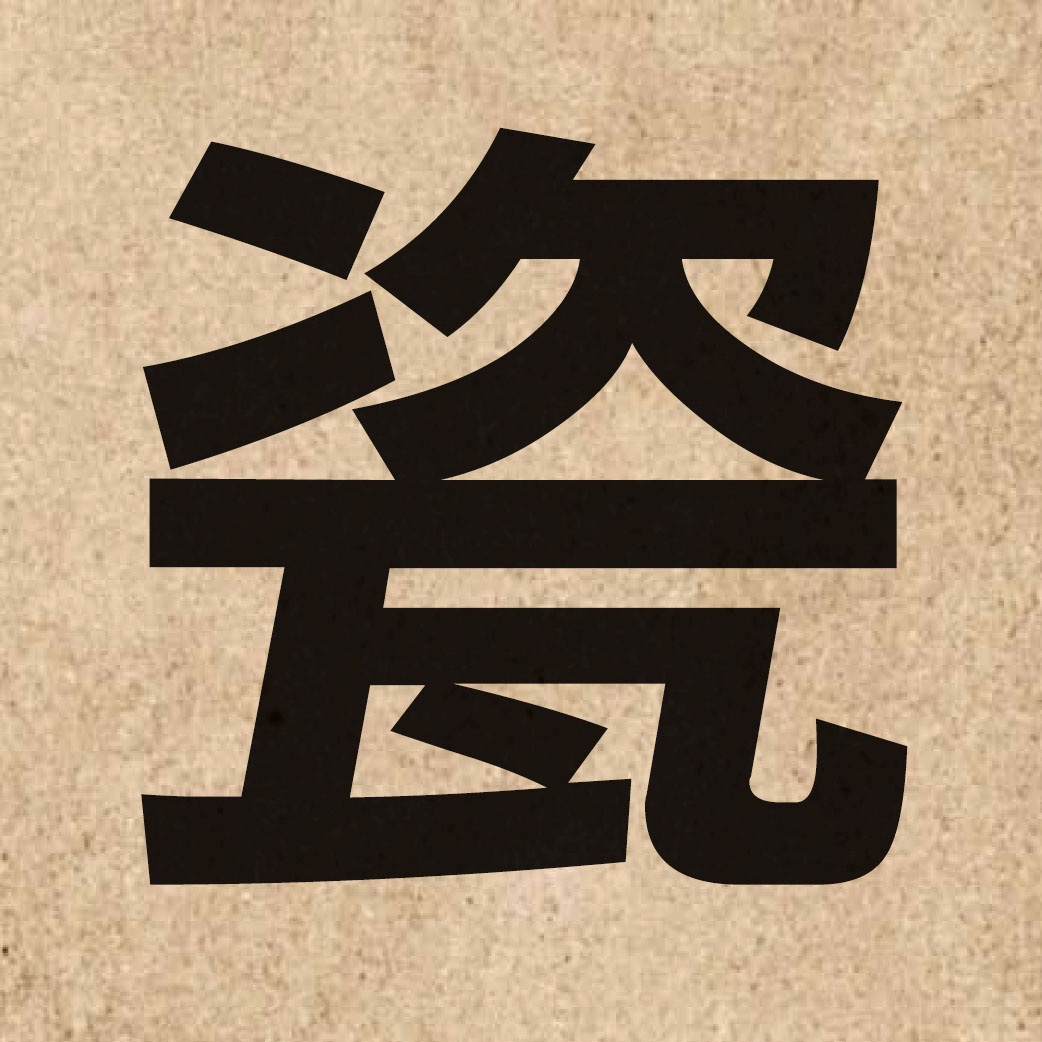
瓷: Describe items or crafts that are definitely used in daily life, more advanced Chinese characters (with Cantonese and Mandarin pronunciation)
The Chinese character【瓷】that I will teach you this time is a word that describes objects or crafts, and is mainly used for the following meanings:…
View More 瓷: Describe items or crafts that are definitely used in daily life, more advanced Chinese characters (with Cantonese and Mandarin pronunciation)