
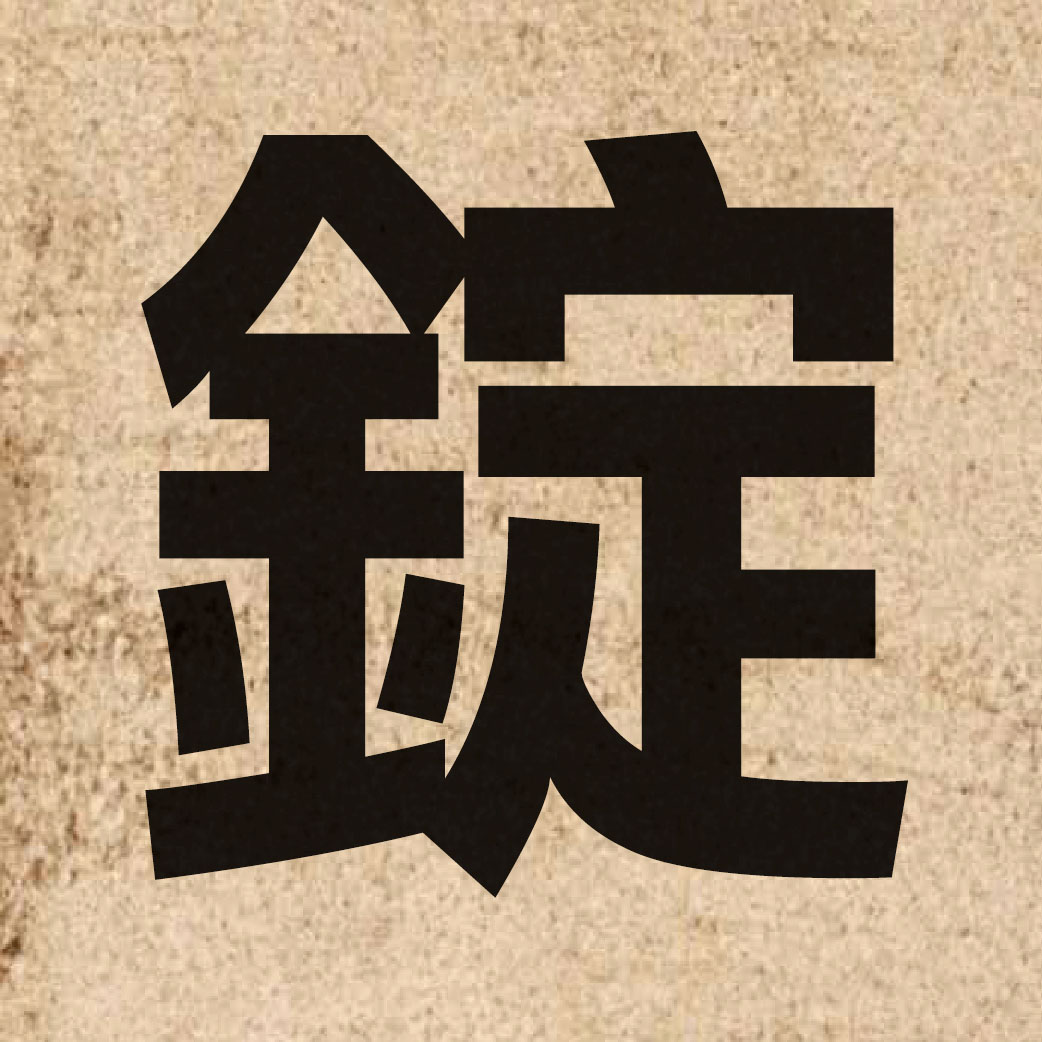
The Chinese character【錠】that I will teach you this time is a word that describes materials or forms. It is mainly used for the following meanings:…
View More 錠: Describing materials or forms, which are used in daily life, more advanced Chinese characters (with basic explanations)
錫: Describe science or technology, which is used in daily life, more advanced Chinese characters (simple version of the dictionary)
The Chinese character【錫】that I will teach you this time is a word that describes science or technology. It is mainly used for the following meanings:…
View More 錫: Describe science or technology, which is used in daily life, more advanced Chinese characters (simple version of the dictionary)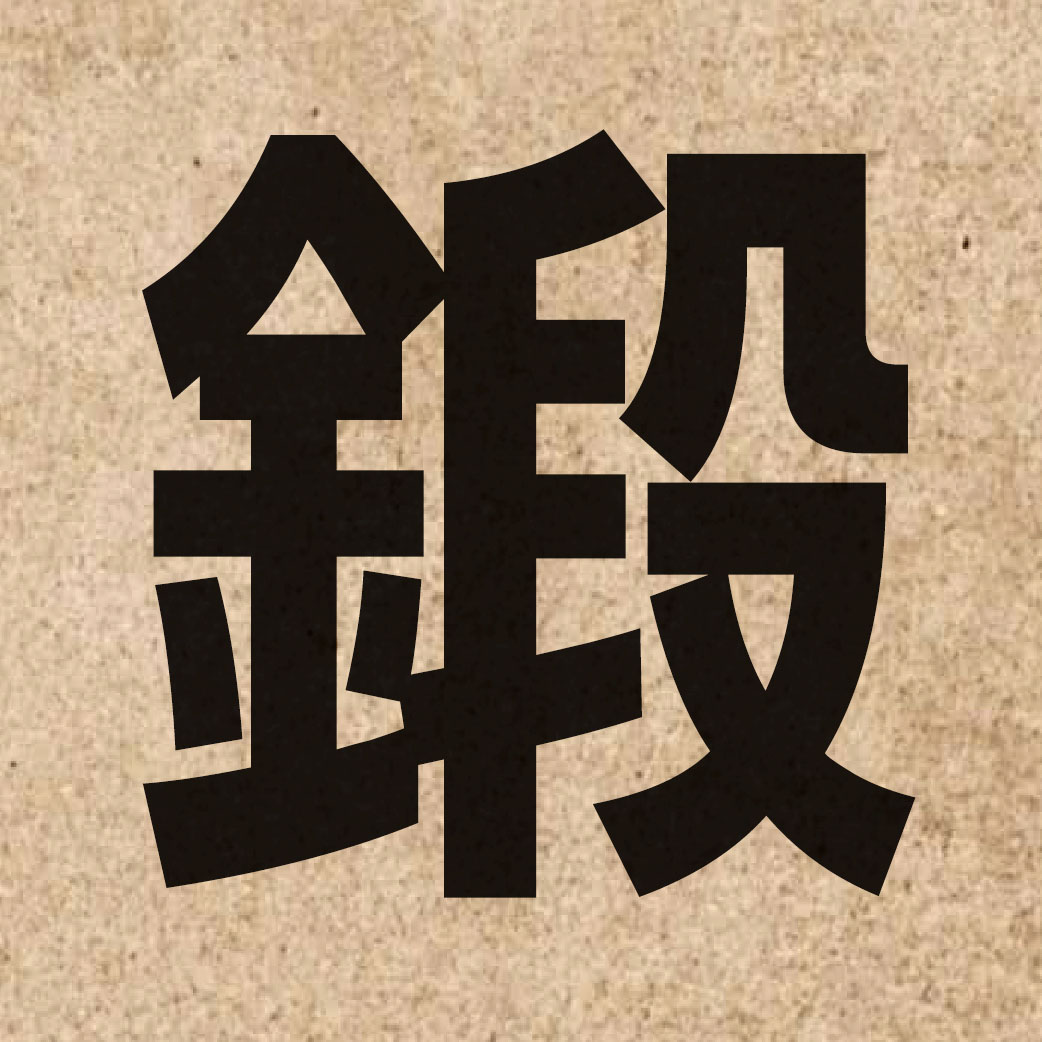
鍛: Describes crafts or actions that are used in daily life. Advanced Chinese characters (with Cantonese and Mandarin pronunciation)
The Chinese character【鍛】that I will teach you this time is a word that describes craft or action. It is mainly used for the following meanings:…
View More 鍛: Describes crafts or actions that are used in daily life. Advanced Chinese characters (with Cantonese and Mandarin pronunciation)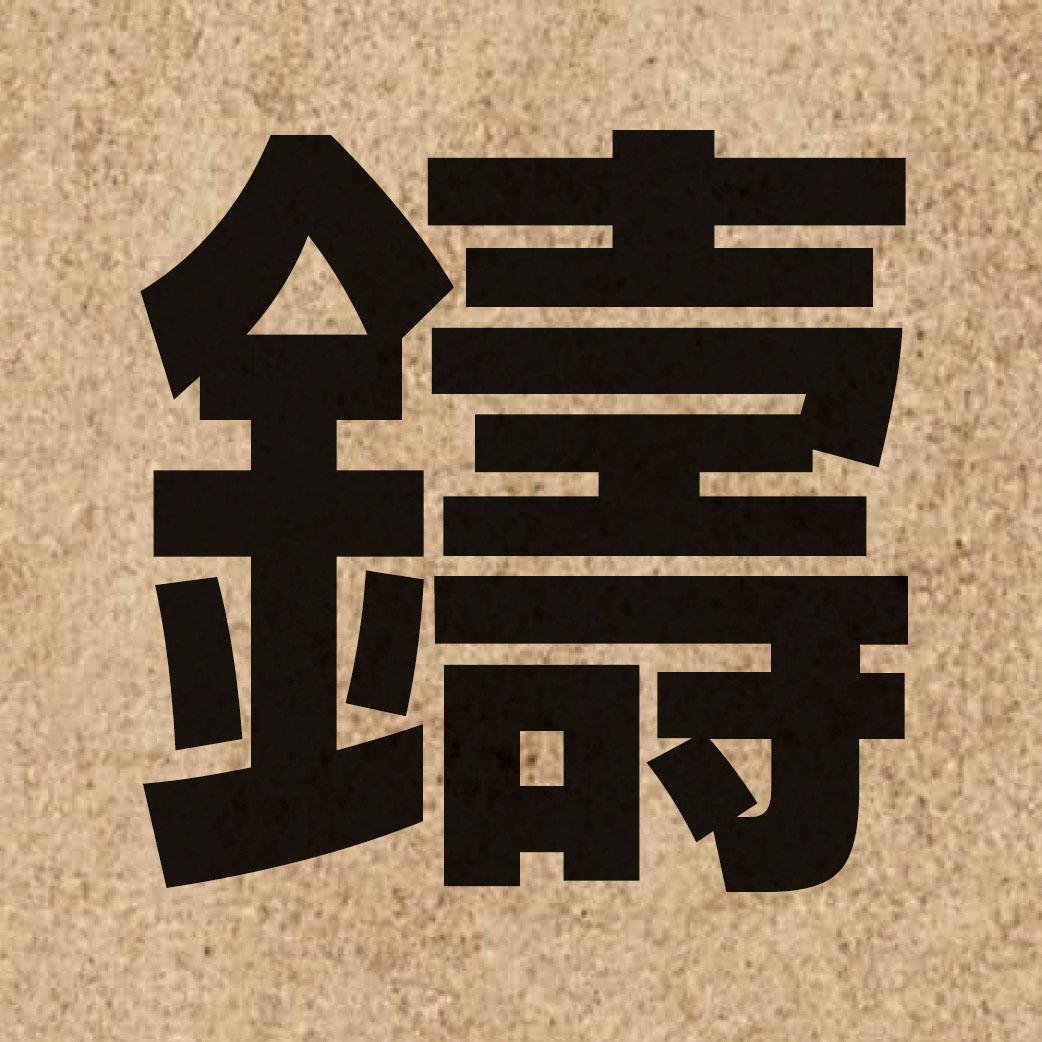
鑄: Describe actions or crafts, which are definitely used in daily life, more advanced Chinese characters (simplified version of the dictionary)
The Chinese word【鑄】that we will introduce this time is a word that describes action or craft, and is mainly used for the following meanings: Cast…
View More 鑄: Describe actions or crafts, which are definitely used in daily life, more advanced Chinese characters (simplified version of the dictionary)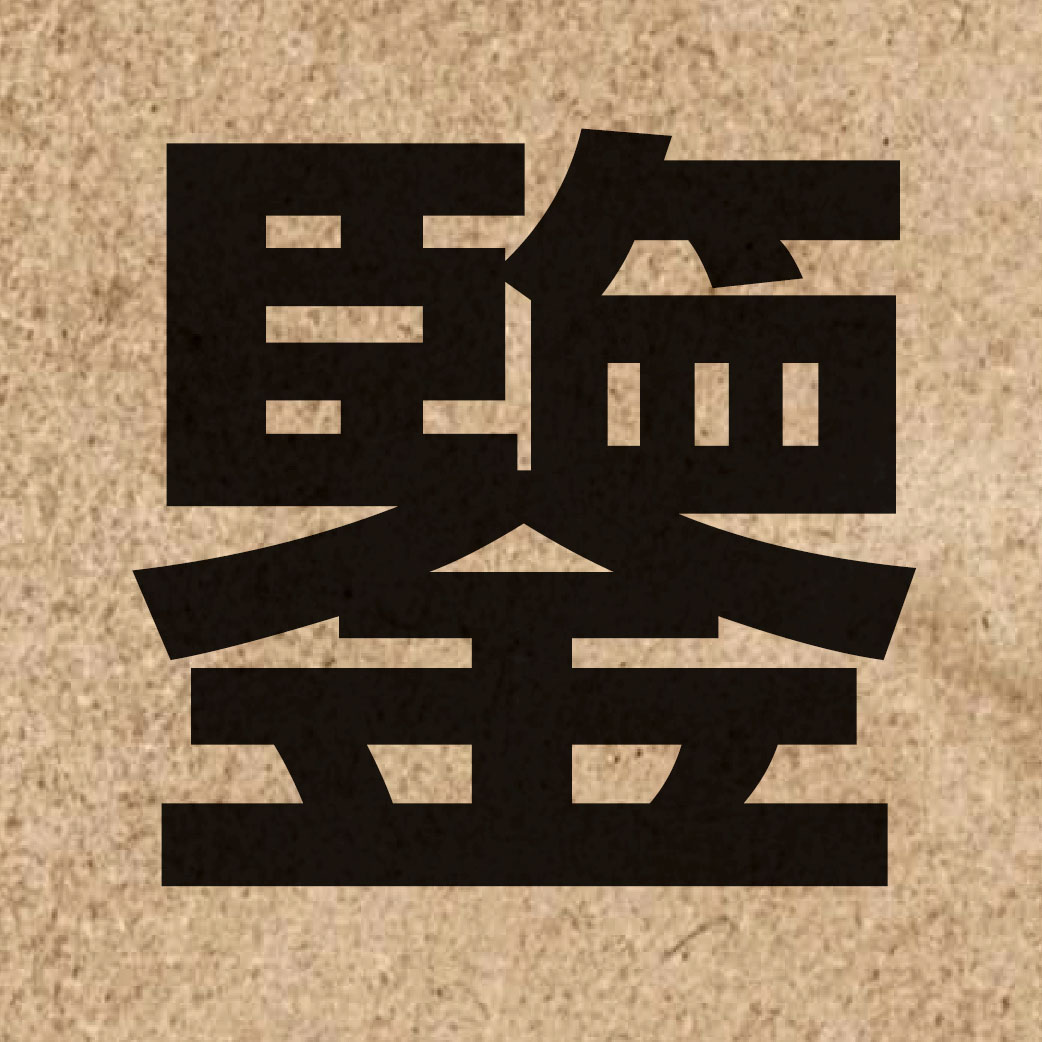
鑒: Describing actions or culture, which are used in daily life, more advanced Chinese characters (more than 7,000 characters in total)
The Chinese character【鑒】that we will talk about today is a word that describes action or culture. It is mainly used for the following meanings: Appreciate…
View More 鑒: Describing actions or culture, which are used in daily life, more advanced Chinese characters (more than 7,000 characters in total)
艱: Describing status or emotion, it is definitely used in daily life, more advanced Chinese characters (free learning resources)
The Chinese character【艱】(hard) that I will teach you this time is a word that describes a state or emotion. It is mainly used for the…
View More 艱: Describing status or emotion, it is definitely used in daily life, more advanced Chinese characters (free learning resources)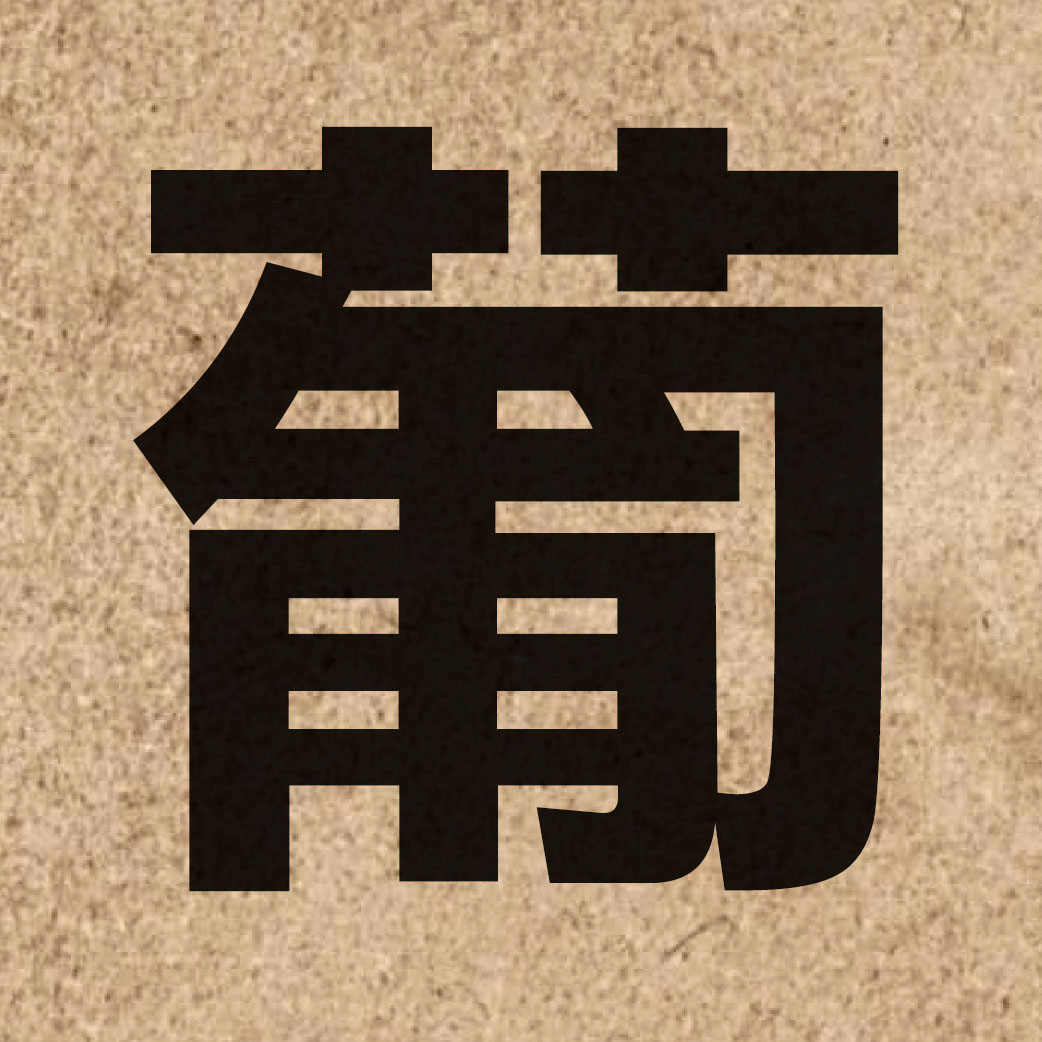
葡: Describing nature or food, which is used in daily life, more advanced Chinese characters (more than 7,000 characters in total)
The Chinese character【葡】that I will teach you this time is a word that describes nature or food. It is mainly used for the following meanings:…
View More 葡: Describing nature or food, which is used in daily life, more advanced Chinese characters (more than 7,000 characters in total)
蓄: Describes actions or states, which are used in daily life, more advanced Chinese characters (with Cantonese and Mandarin pronunciation)
The Chinese character【蓄】that we will explain today is a word that describes an action or a state. It is mainly used for the following meanings:…
View More 蓄: Describes actions or states, which are used in daily life, more advanced Chinese characters (with Cantonese and Mandarin pronunciation)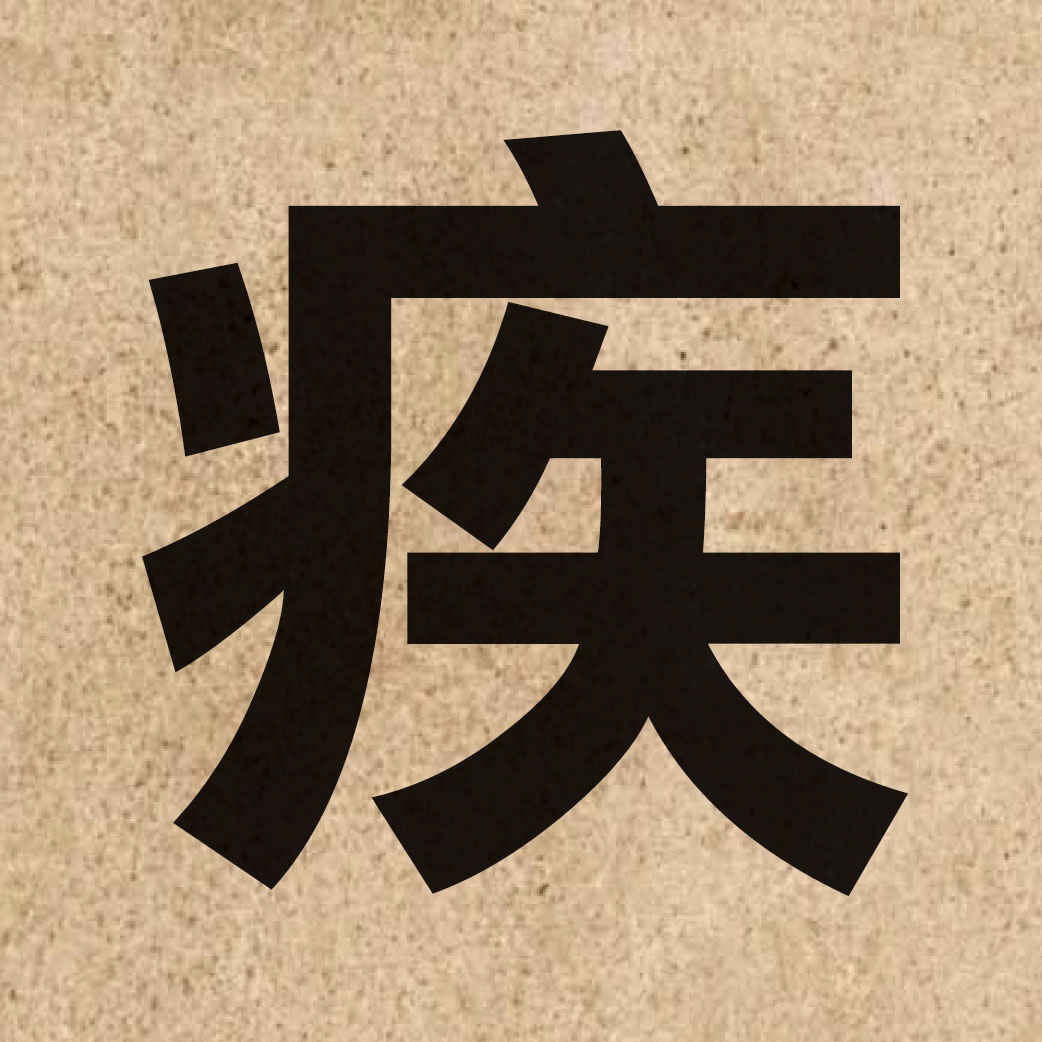
疾: Describing health or actions, which are definitely used in daily life, more advanced Chinese characters (simple version of the dictionary)
The Chinese word【疾】that we will introduce this time is a word that describes health or action. It is mainly used for the following meanings: Disease…
View More 疾: Describing health or actions, which are definitely used in daily life, more advanced Chinese characters (simple version of the dictionary)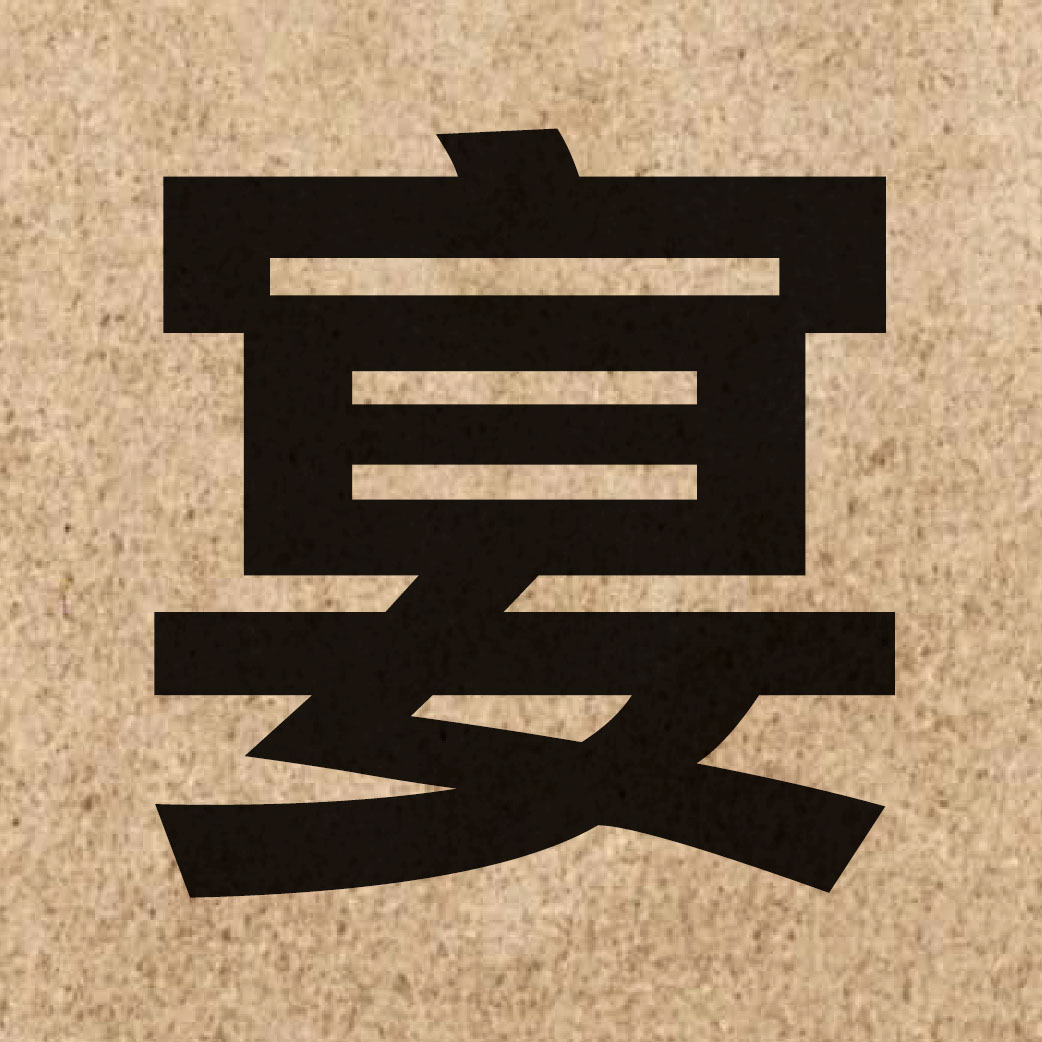
宴: Describe activities or culture, which are definitely used in daily life, more advanced Chinese characters (with Cantonese and Mandarin pronunciation)
The Chinese word【宴】that we will introduce this time is a word that describes activities or culture. It is mainly used for the following meanings: Dinner…
View More 宴: Describe activities or culture, which are definitely used in daily life, more advanced Chinese characters (with Cantonese and Mandarin pronunciation)