
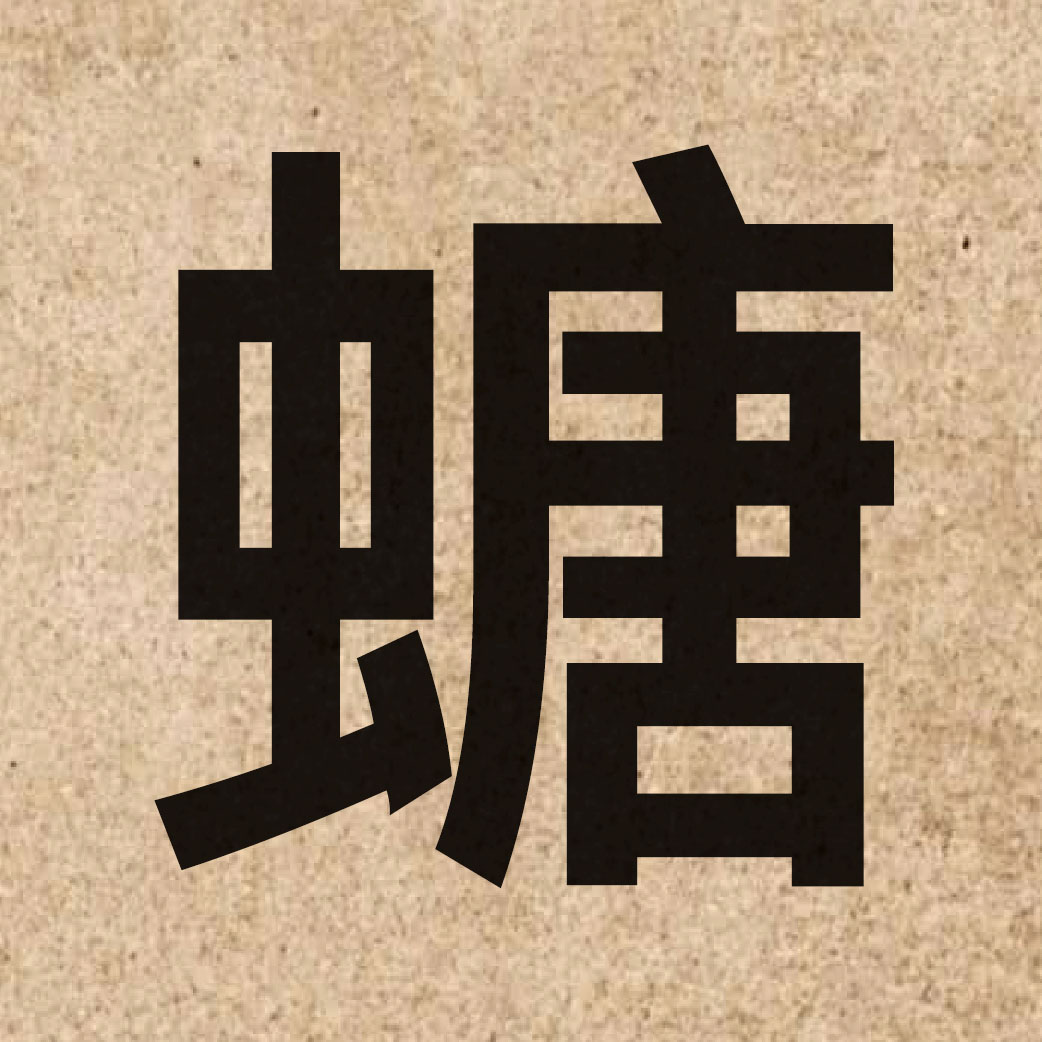
The Chinese character【螗】that we will explain today is a word that describes nature or organisms. It is mainly used for the following meanings: A kind…
View More 螗: Describing nature or biology, rare Chinese characters that may only be found in ancient documents (with Cantonese and Mandarin pronunciation)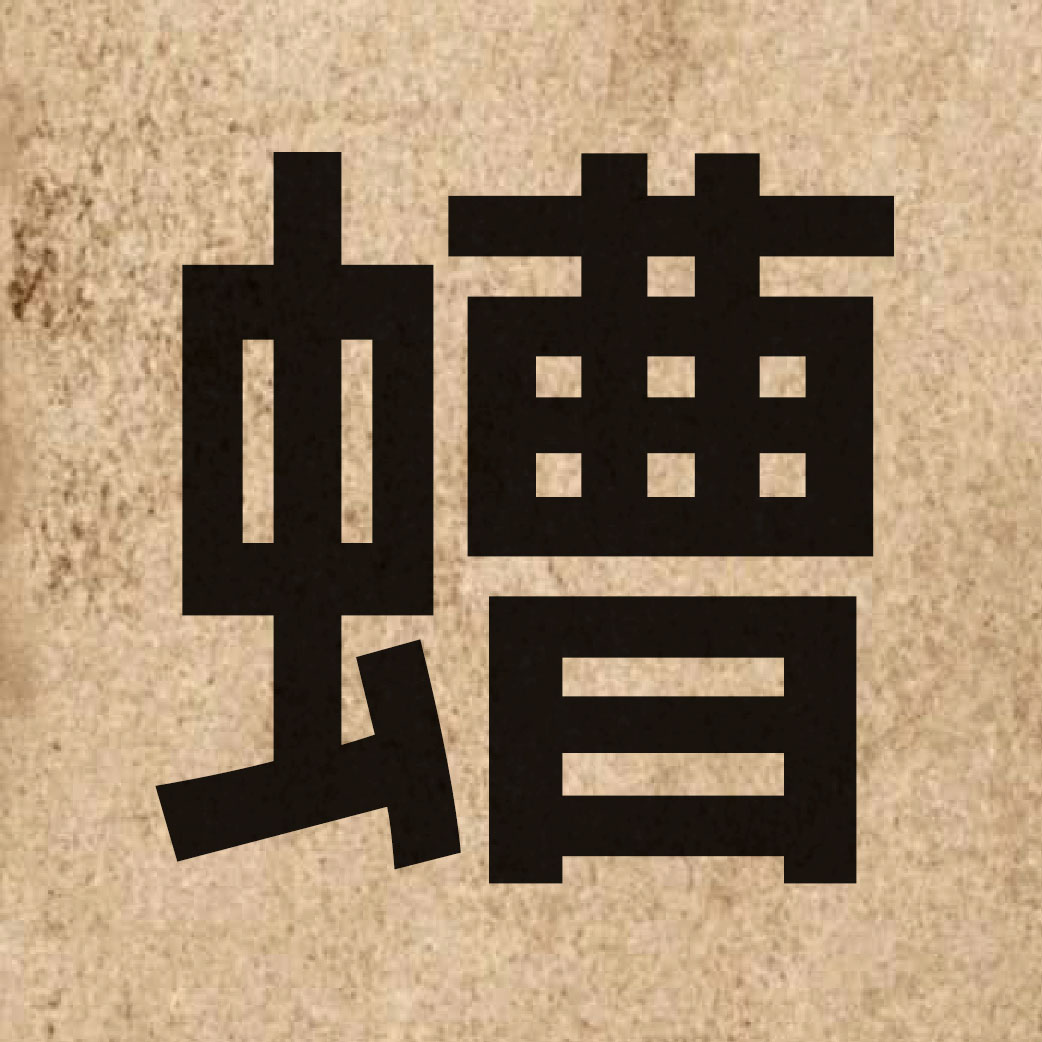
螬: Describing nature or biology, rare Chinese characters that may only be found in ancient documents (more than 7,000 characters in total)
The Chinese character【螬】that we will explain today is a word that describes nature or biology. It is mainly used for the following meanings: The larvae…
View More 螬: Describing nature or biology, rare Chinese characters that may only be found in ancient documents (more than 7,000 characters in total)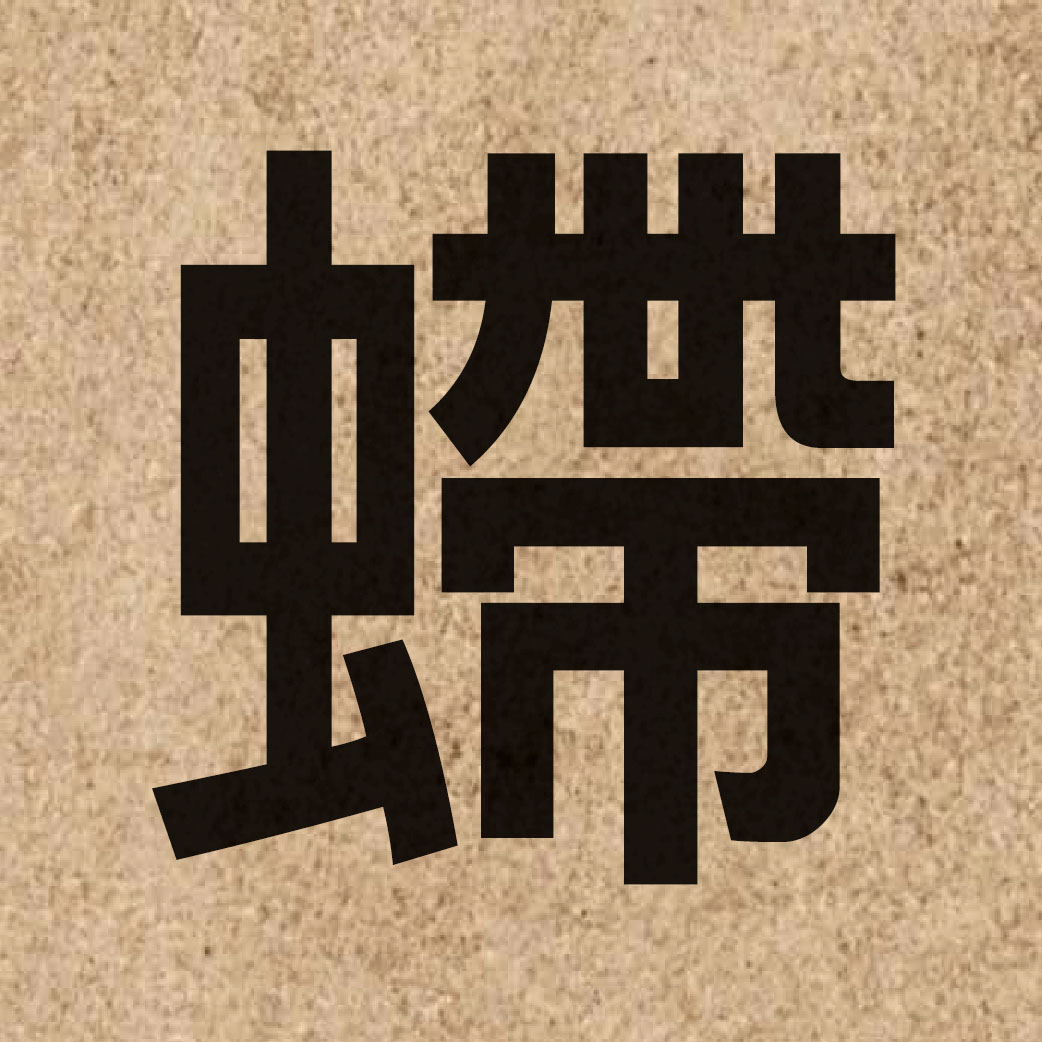
螮: Describing nature or form, rare Chinese characters that may only be found in ancient documents (with Cantonese and Mandarin pronunciation)
The Chinese character【螮】is a word that describes nature or form, and is mainly used for the following meanings: A flying insect or describing something light.…
View More 螮: Describing nature or form, rare Chinese characters that may only be found in ancient documents (with Cantonese and Mandarin pronunciation)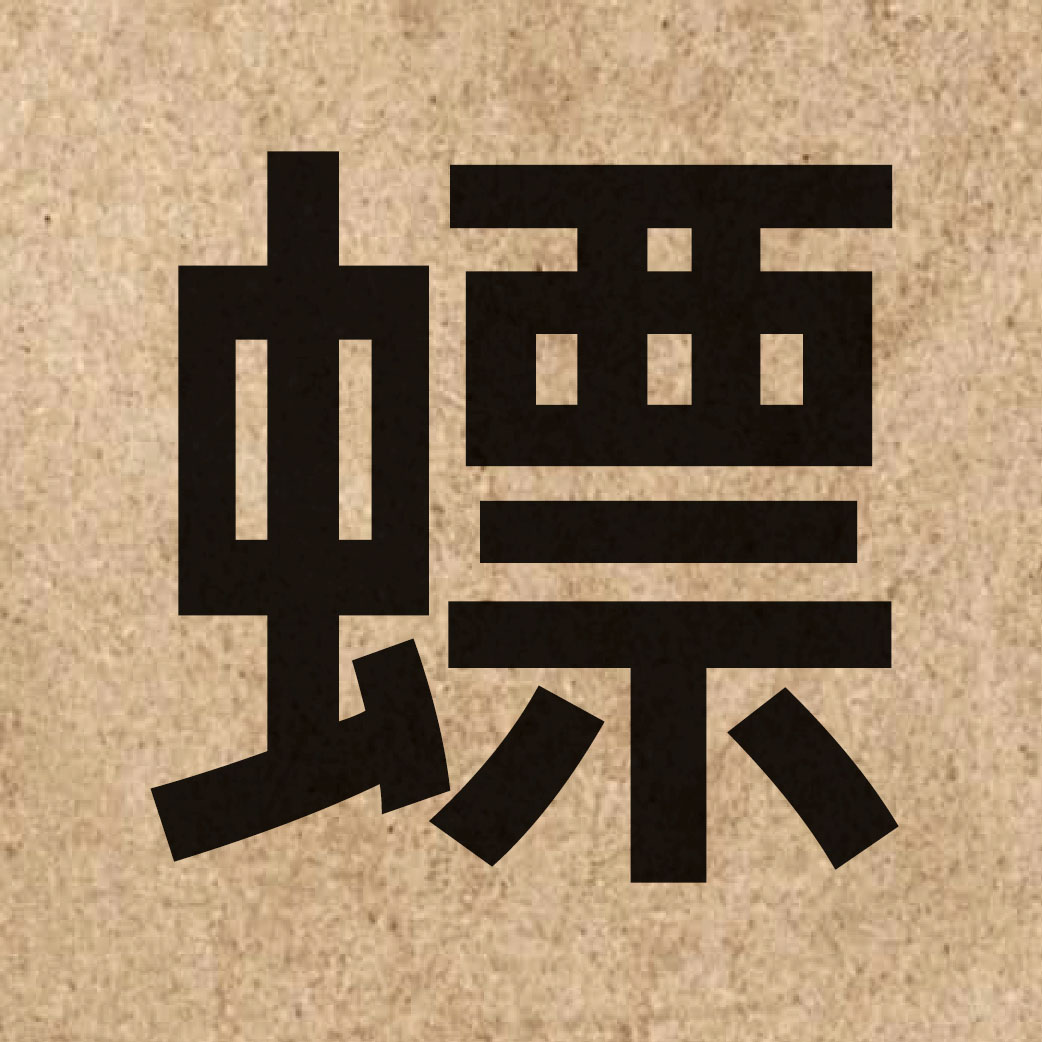
螵: Describing nature or food, rare Chinese characters may only be found in ancient documents (a simple version of the dictionary)
The Chinese character【螵】that I will teach you this time is a word that describes nature or food. It is mainly used for the following meanings:…
View More 螵: Describing nature or food, rare Chinese characters may only be found in ancient documents (a simple version of the dictionary)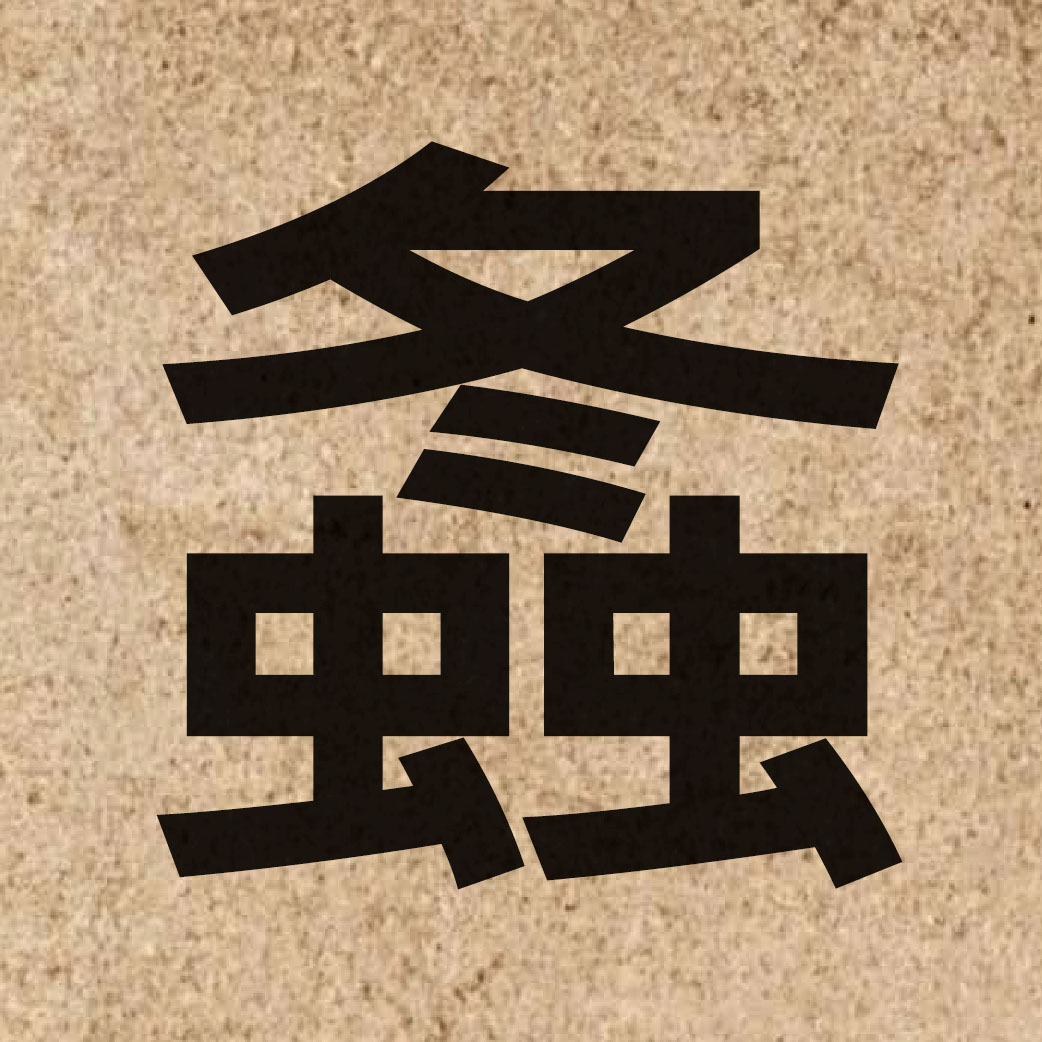
螽: Describing nature or biology, rare Chinese characters that may only be found in ancient documents (more than 7,000 characters in total)
The Chinese character【螽】is a word that describes nature or organisms, and is mainly used for the following meanings: Katydid, a type of locust-like insect. You…
View More 螽: Describing nature or biology, rare Chinese characters that may only be found in ancient documents (more than 7,000 characters in total)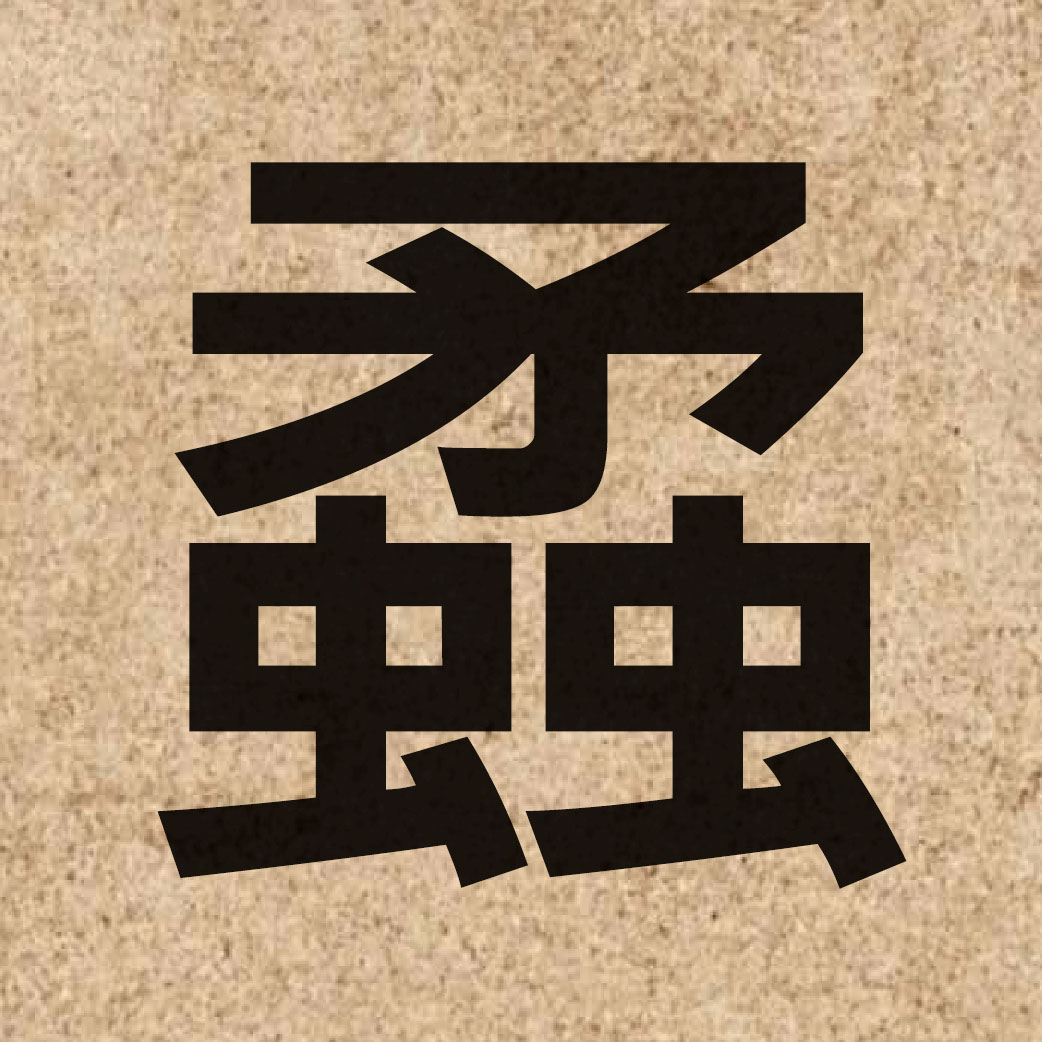
蟊: Describing nature or agriculture, rare Chinese characters may only be found in ancient documents (with basic explanations)
The Chinese character【蟊】is a word that describes nature or agriculture, and is mainly used for the following meanings: Pests or parasites. Here’s the way to…
View More 蟊: Describing nature or agriculture, rare Chinese characters may only be found in ancient documents (with basic explanations)
蟢: Describing nature or biology, rare Chinese characters may only be seen in ancient documents (free learning resources)
The Chinese character【蟢】that we will explain today is a word that describes nature or biology. It is mainly used for the following meanings: An insect…
View More 蟢: Describing nature or biology, rare Chinese characters may only be seen in ancient documents (free learning resources)
蟯: Describing health or nature, rare Chinese characters may only be found in ancient documents (with basic explanations)
The Chinese word【蟯】that we will introduce this time is a word that describes health or nature. It is mainly used for the following meanings: Pinworms,…
View More 蟯: Describing health or nature, rare Chinese characters may only be found in ancient documents (with basic explanations)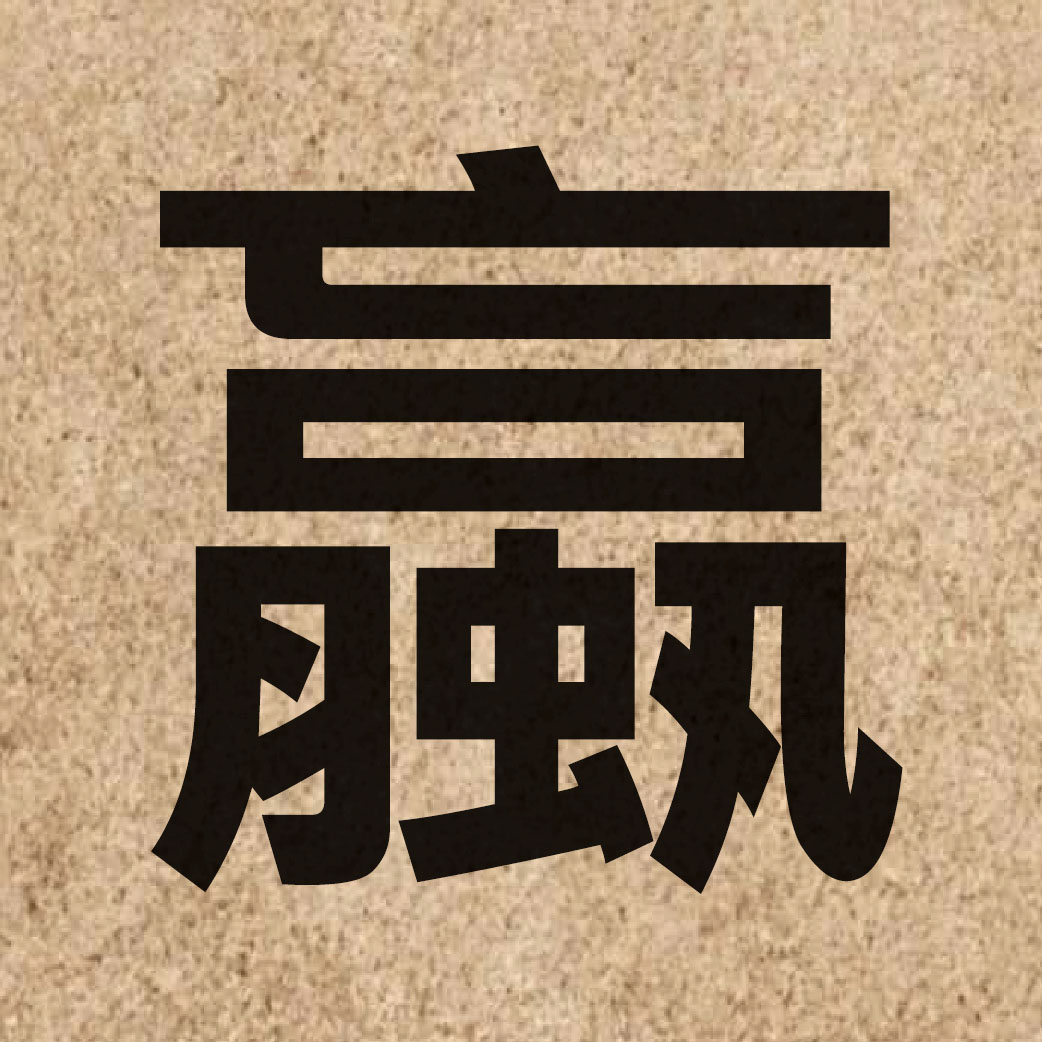
蠃: Describing nature or culture, rare Chinese characters may only be found in ancient documents (a simple version of the dictionary)
The Chinese word【蠃】that we will introduce this time is a word that describes nature or culture. It is mainly used for the following meanings: Snail,…
View More 蠃: Describing nature or culture, rare Chinese characters may only be found in ancient documents (a simple version of the dictionary)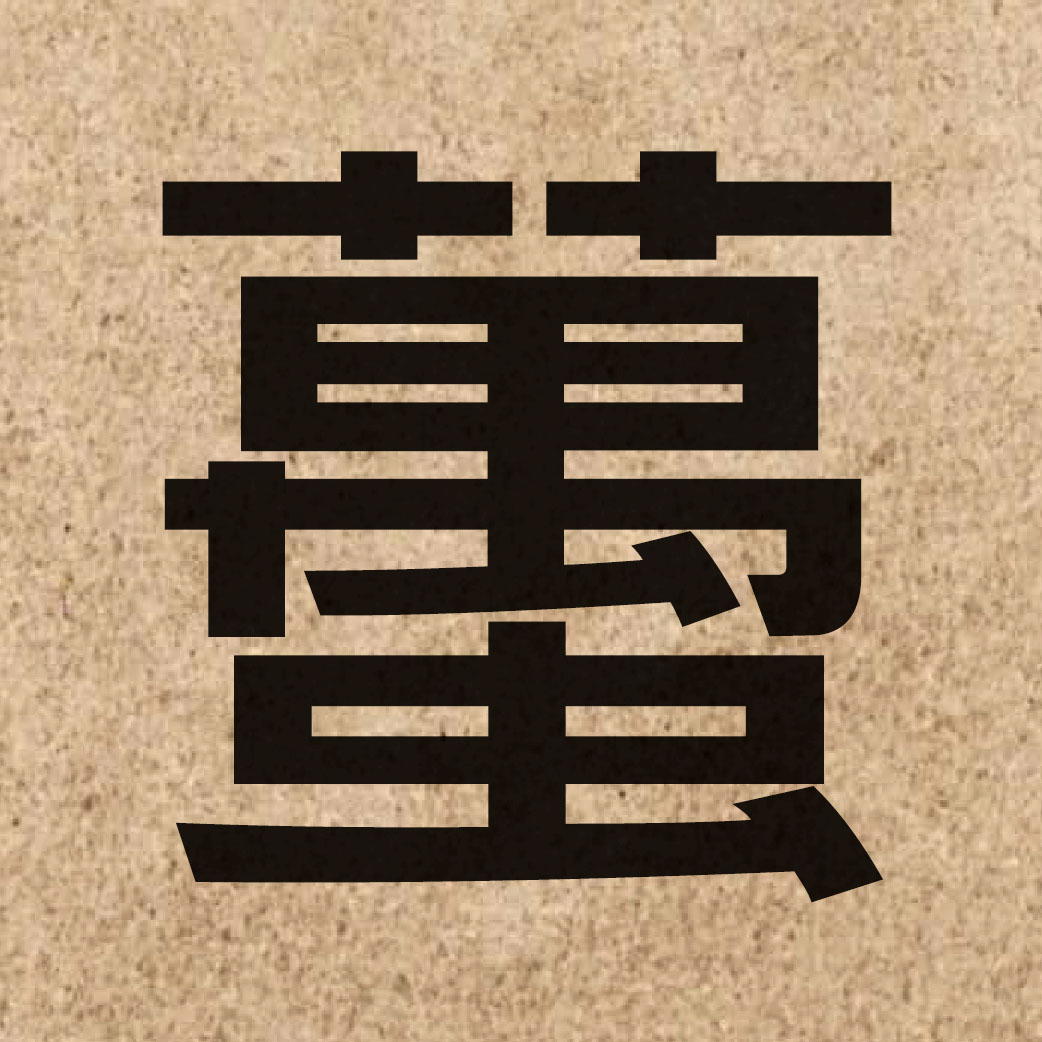
蠆: Describing nature or culture, rare Chinese characters may only be found in ancient documents (with basic explanations)
The Chinese character【蠆】that I will teach you this time is a word that describes nature or culture. It is mainly used for the following meanings:…
View More 蠆: Describing nature or culture, rare Chinese characters may only be found in ancient documents (with basic explanations)