
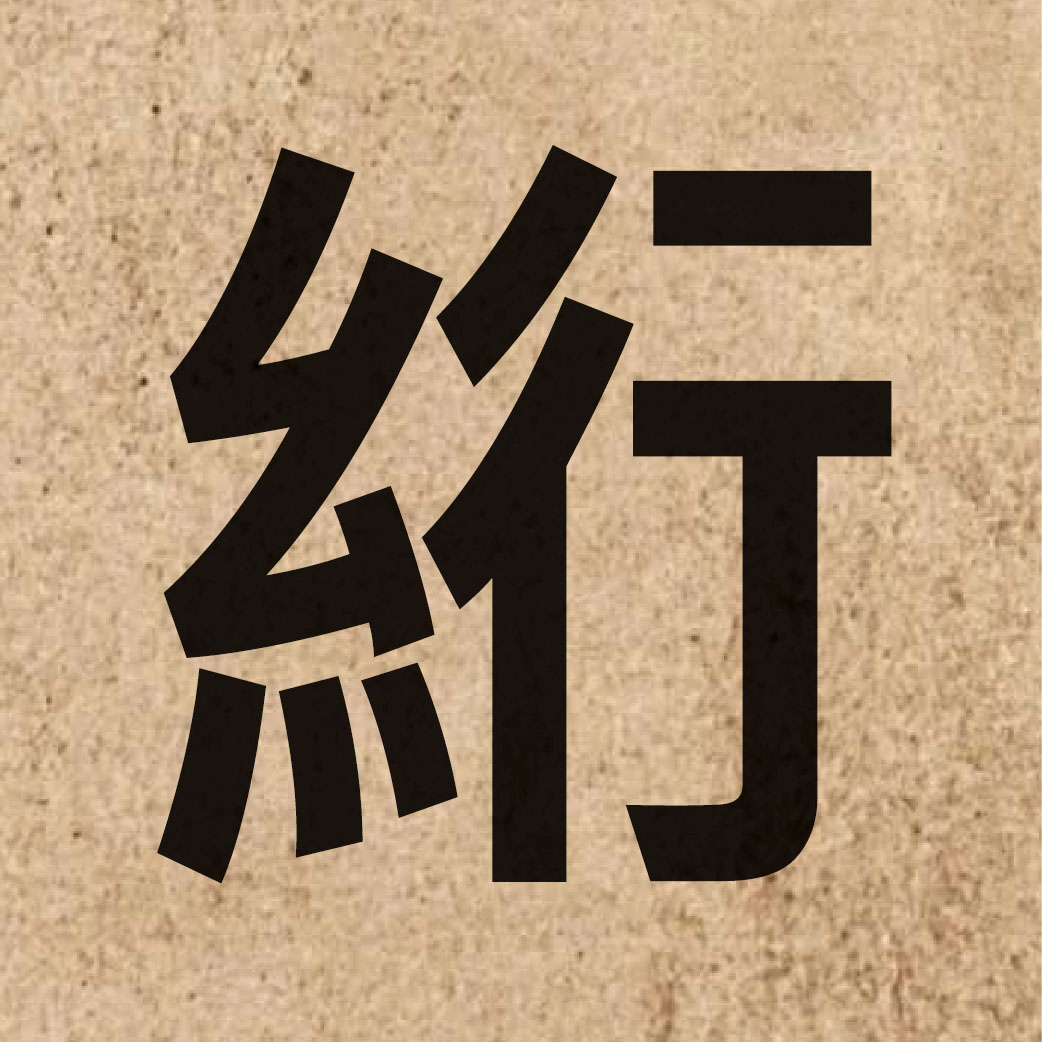
The Chinese word【絎】to be introduced this time is a word that describes action or technique, and is mainly used for the following meanings: Stitching or…
View More 絎: Describing actions or techniques, rare Chinese characters may only be found in ancient documents (simplified version of the dictionary)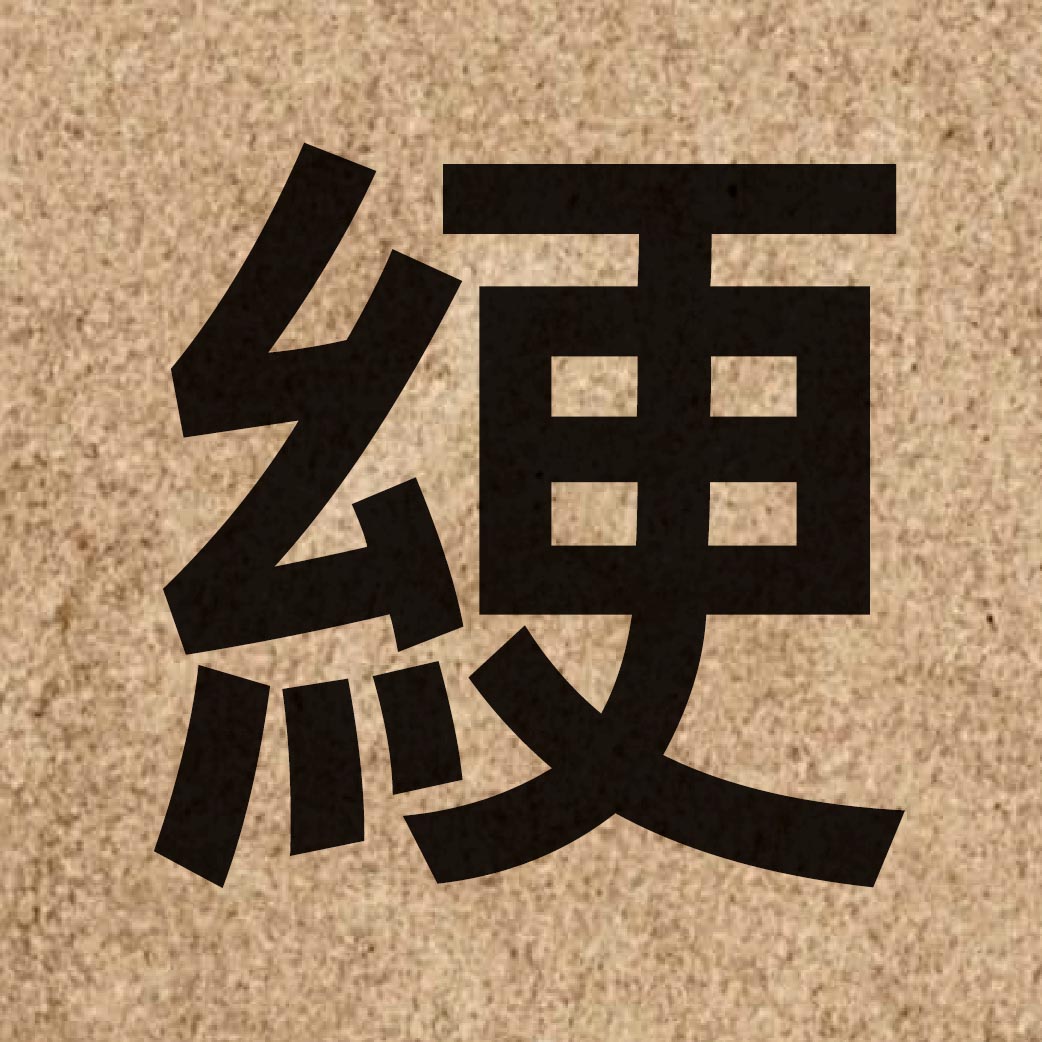
綆: Describing objects or their uses, rare Chinese characters may only be found in ancient documents (with basic explanations)
The Chinese character【綆】that we will explain today is a word that describes an object or purpose. It is mainly used for the following meanings: Rope…
View More 綆: Describing objects or their uses, rare Chinese characters may only be found in ancient documents (with basic explanations)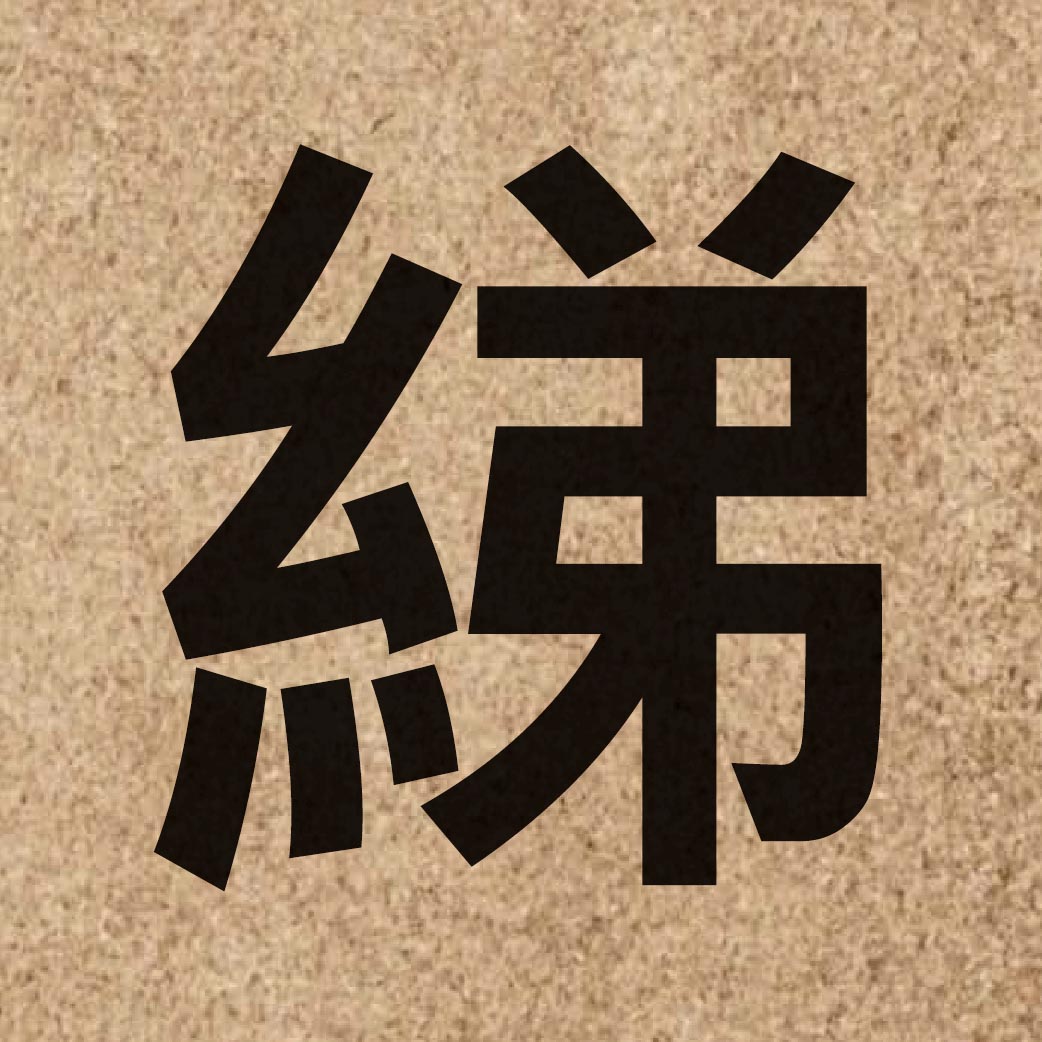
綈: Describing objects or crafts, rare Chinese characters that may only be found in ancient documents (more than 7,000 characters in total)
The Chinese character【綈】is used to describe objects or crafts, and is mainly used for the following meanings: Silk cloth or fabric. You can refer to…
View More 綈: Describing objects or crafts, rare Chinese characters that may only be found in ancient documents (more than 7,000 characters in total)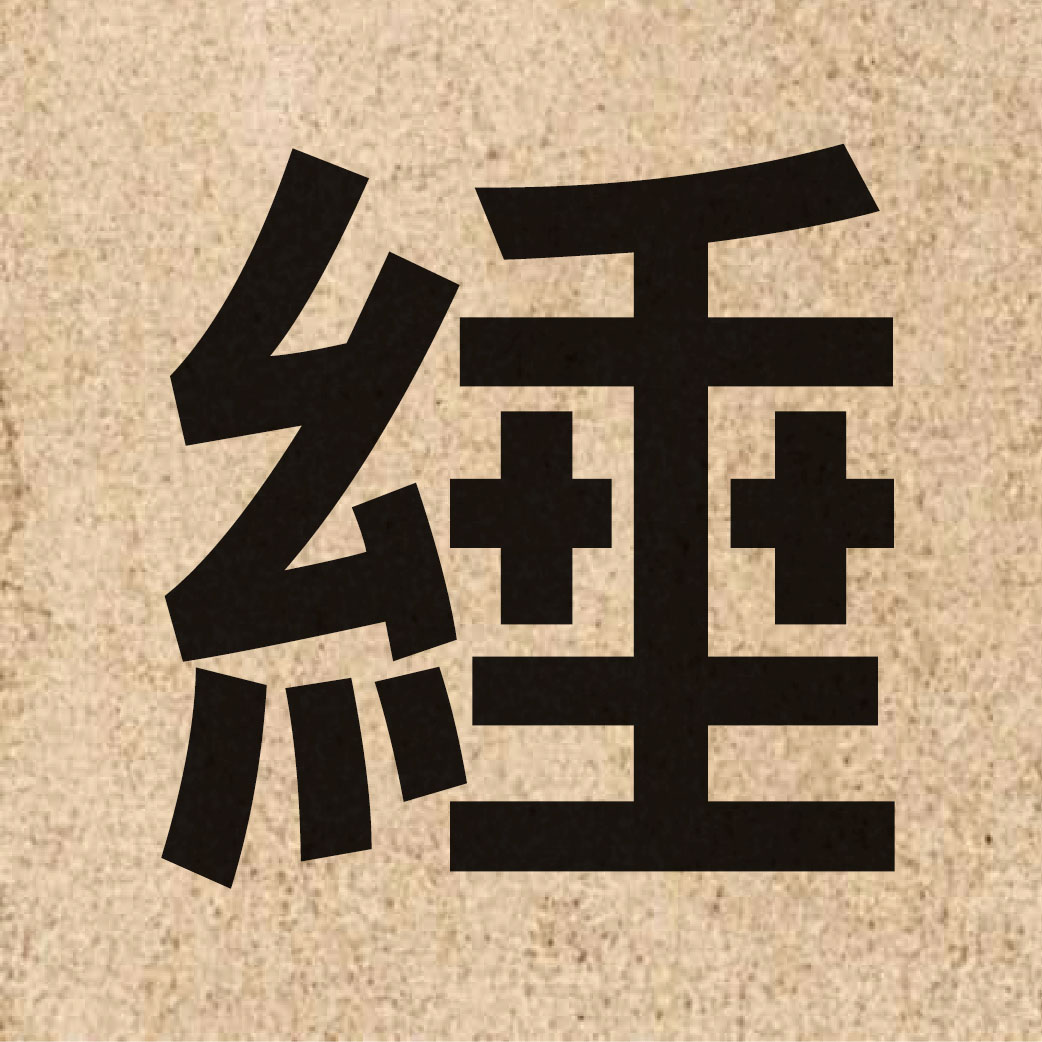
綞: Describe objects or their uses, using rare Chinese characters that may only be found in ancient documents (with Cantonese and Mandarin pronunciation)
The Chinese character【綞】that I will teach you this time is a word that describes an object or its purpose. It is mainly used for the…
View More 綞: Describe objects or their uses, using rare Chinese characters that may only be found in ancient documents (with Cantonese and Mandarin pronunciation)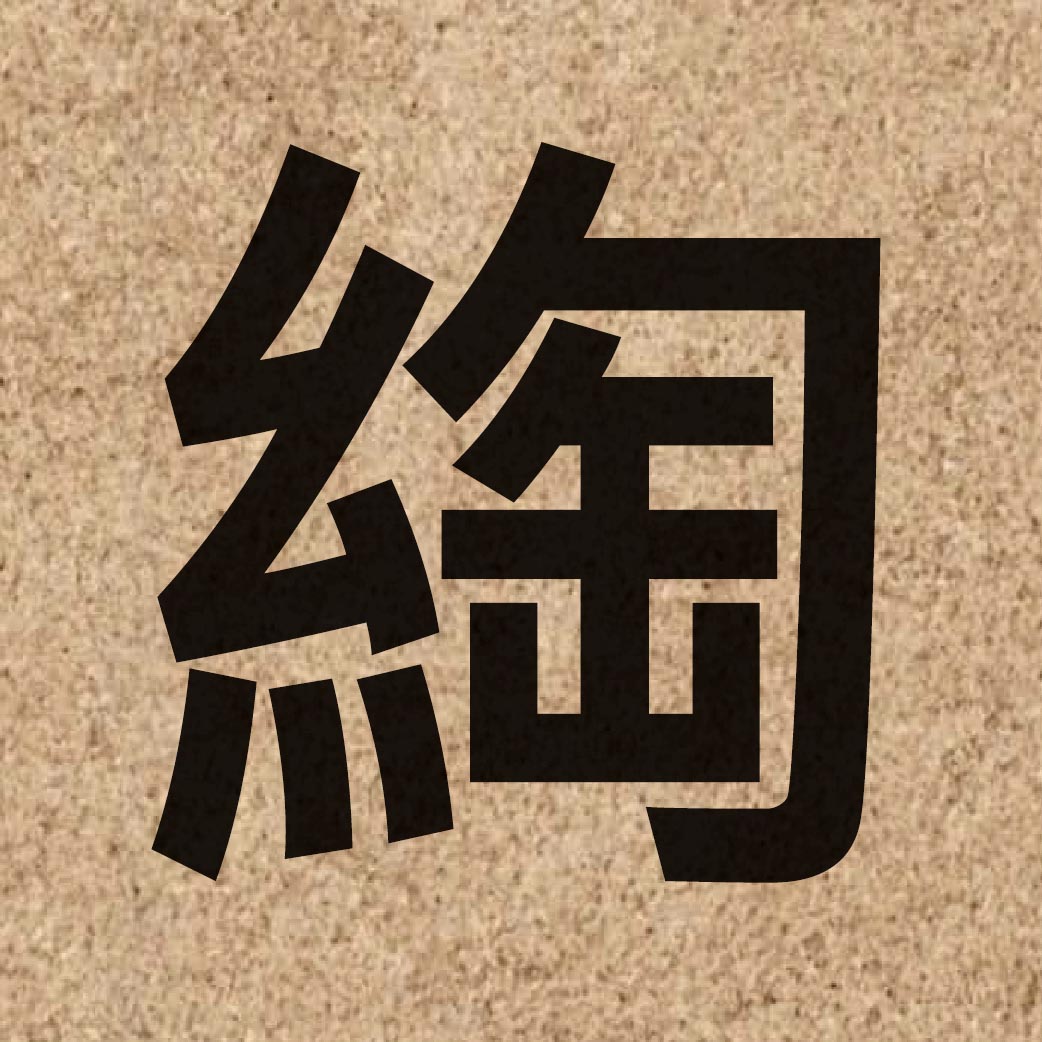
綯: Describe objects or their uses, rare Chinese characters that may only be found in ancient documents (more than 7,000 characters in total)
The Chinese character【綯】that I will teach you this time is a word that describes an object or its purpose. It is mainly used for the…
View More 綯: Describe objects or their uses, rare Chinese characters that may only be found in ancient documents (more than 7,000 characters in total)
緦: Describing culture or clothing, rare Chinese characters may only be found in ancient documents (with basic explanations)
The Chinese character【緦】is used to describe culture or clothing, and is mainly used for the following meanings: Mourning clothes or fine fabrics. Here’s the way…
View More 緦: Describing culture or clothing, rare Chinese characters may only be found in ancient documents (with basic explanations)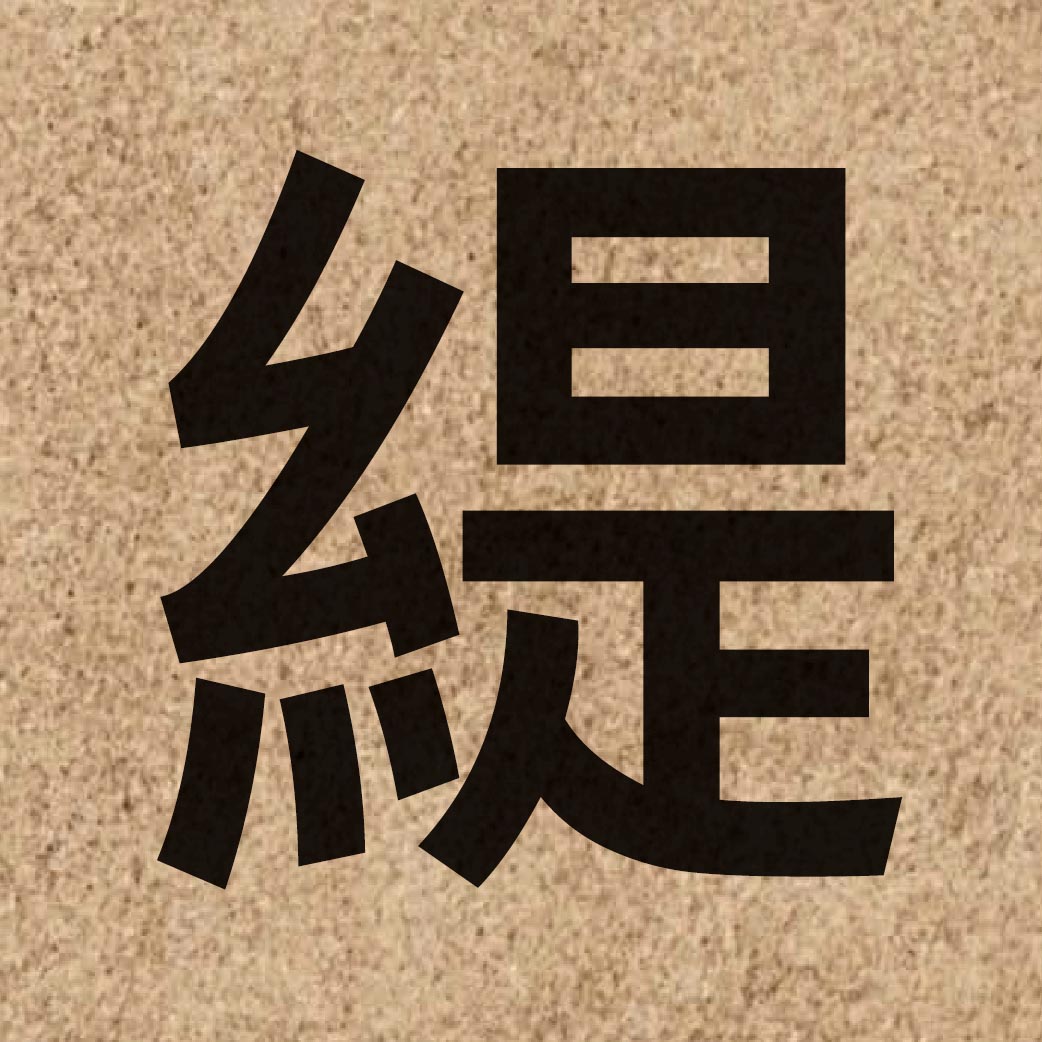
緹: Describing colors or objects, rare Chinese characters may only be found in ancient documents (with basic explanations)
The Chinese word【緹】that we will introduce this time is a word that describes color or objects. It is mainly used for the following meanings: Scarlet…
View More 緹: Describing colors or objects, rare Chinese characters may only be found in ancient documents (with basic explanations)
縕: Describe objects or their uses, using rare Chinese characters that may only be found in ancient documents (with Cantonese and Mandarin pronunciation)
The Chinese character【縕】is used to describe objects or uses, and is mainly used for the following meanings: Blanket or soft cloth. Below, you can see…
View More 縕: Describe objects or their uses, using rare Chinese characters that may only be found in ancient documents (with Cantonese and Mandarin pronunciation)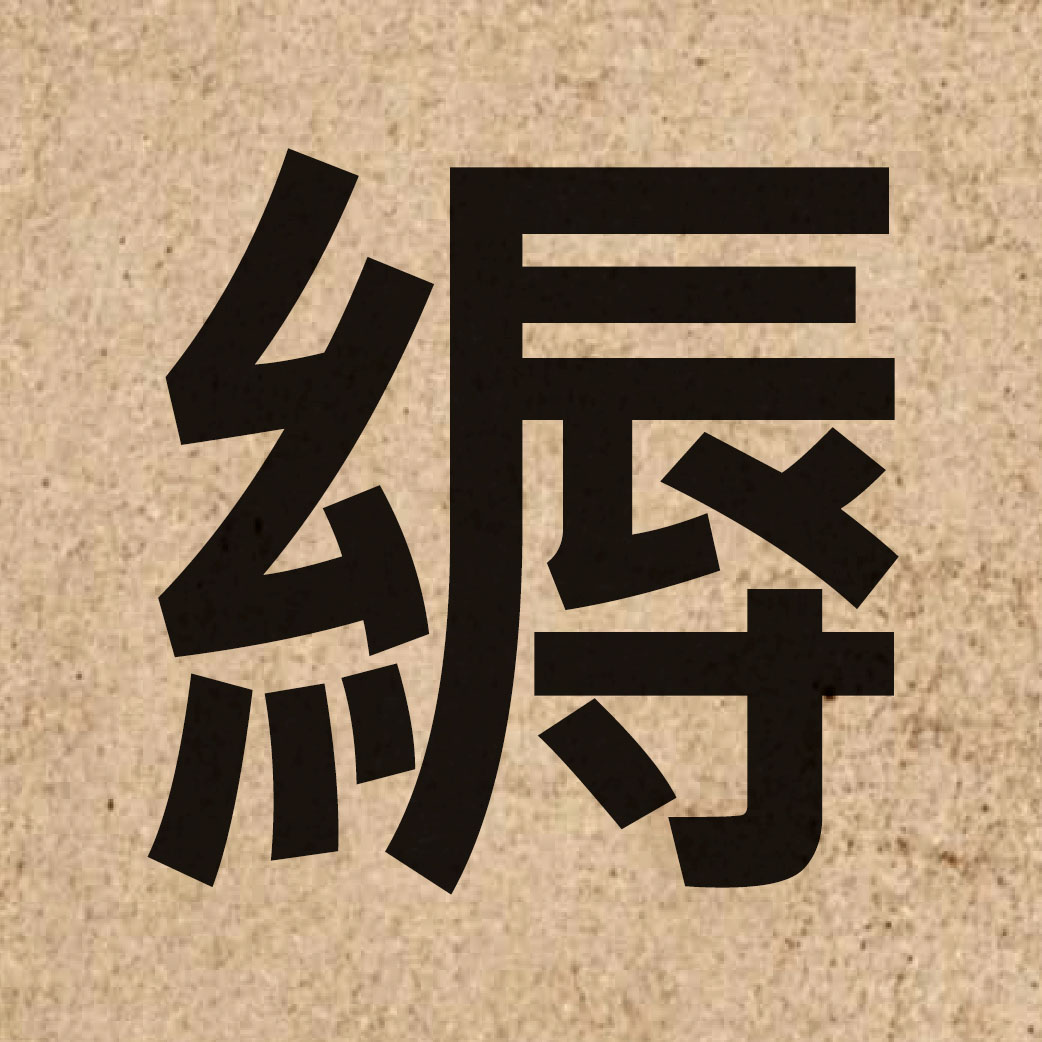
縟: Describes a state or image, and may only be found in ancient documents. Rare Chinese characters (with Cantonese and Mandarin pronunciation)
The Chinese word【縟】that we will introduce this time is a word that describes a state or image. It is mainly used for the following meanings:…
View More 縟: Describes a state or image, and may only be found in ancient documents. Rare Chinese characters (with Cantonese and Mandarin pronunciation)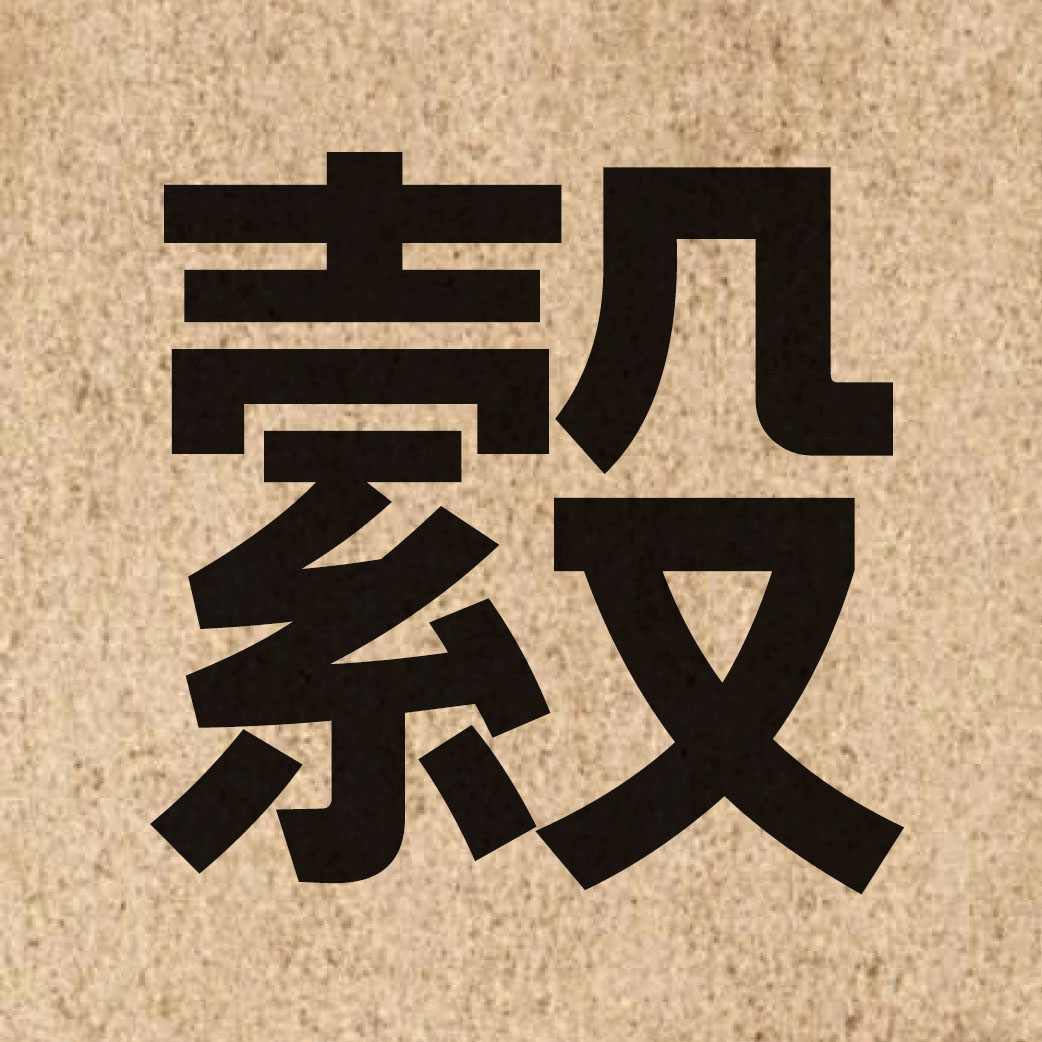
縠: Describing objects or appearances, rare Chinese characters may only be found in ancient documents (free learning resources)
The Chinese character【縠】that I will teach you this time is a word that describes an object or appearance. It is mainly used for the following…
View More 縠: Describing objects or appearances, rare Chinese characters may only be found in ancient documents (free learning resources)