
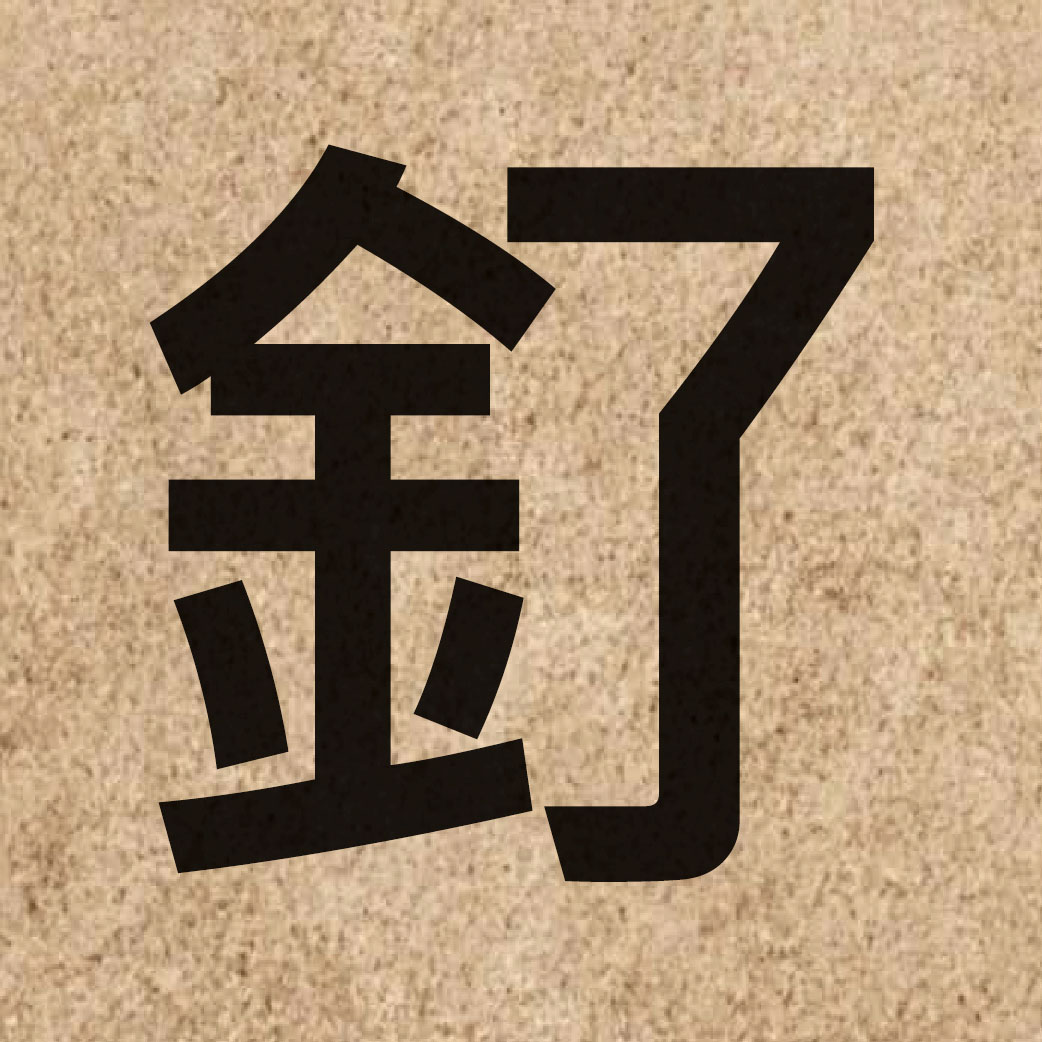
The Chinese character【釕】is a word that describes science or technology, and is mainly used for the following meanings: Chemical elements. Here’s the way to say…
View More 釕: Describing science or technology, rare Chinese characters may only be found in ancient documents (with basic explanations)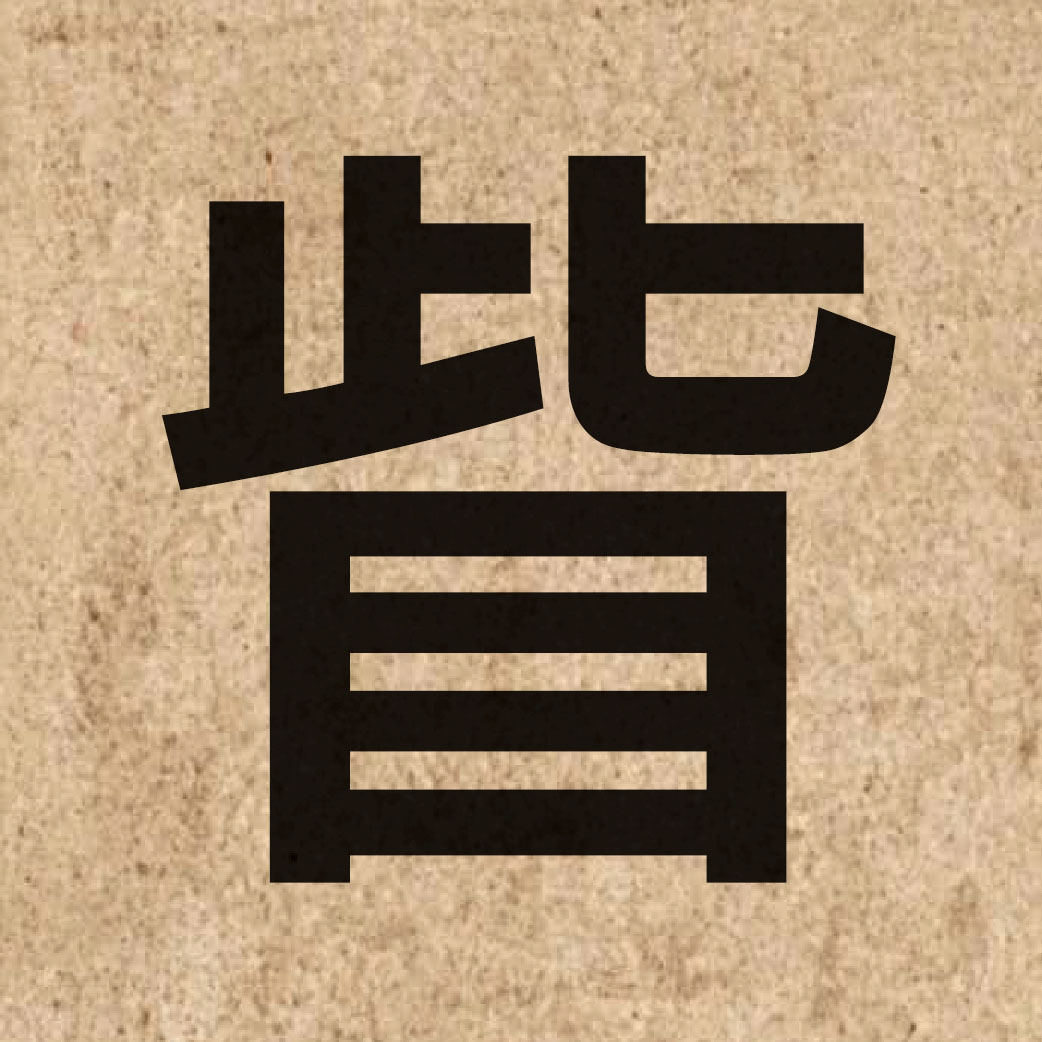
眥: Describing the body or feelings, rare Chinese characters may only be found in ancient documents (free learning resources)
The Chinese character【眥】that we will explain today is a word that describes the body or feelings. It is mainly used for the following meanings: The…
View More 眥: Describing the body or feelings, rare Chinese characters may only be found in ancient documents (free learning resources)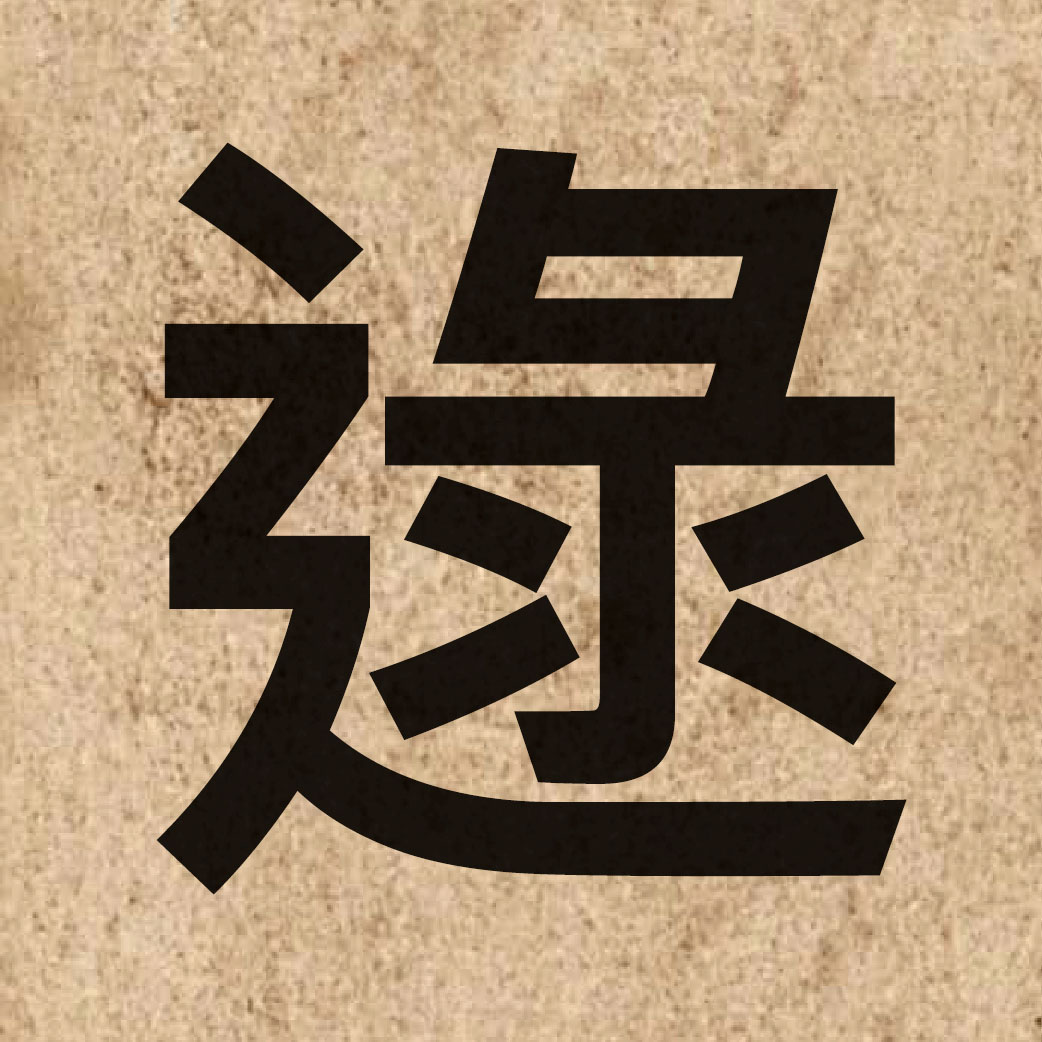
逯: Describing people or culture, rare Chinese characters may only be found in ancient documents (with basic explanations)
The Chinese word【逯】that we will introduce this time is a word that describes a person or culture. It is mainly used for the following meanings:…
View More 逯: Describing people or culture, rare Chinese characters may only be found in ancient documents (with basic explanations)
遨: Describe actions or attitudes, rare Chinese characters that may only be found in ancient documents (more than 7,000 characters in total)
The Chinese character【遨】that I will teach you this time is a word that describes action or attitude. It is mainly used for the following meanings:…
View More 遨: Describe actions or attitudes, rare Chinese characters that may only be found in ancient documents (more than 7,000 characters in total)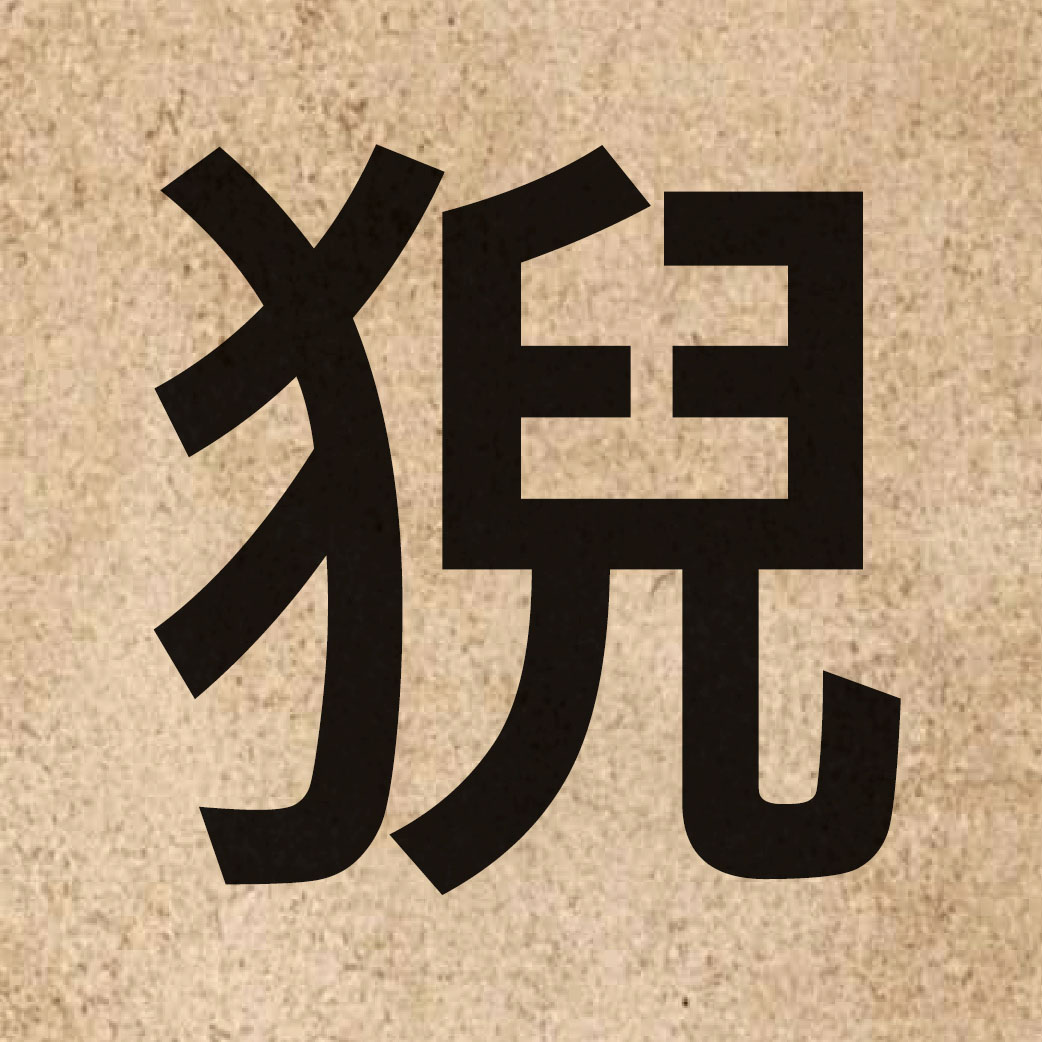
猊: Describing nature or culture, rare Chinese characters may only be found in ancient documents (a simple version of the dictionary)
The Chinese character【猊】that we will explain today is a character that describes nature or culture. It is mainly used for the following meanings: A kind…
View More 猊: Describing nature or culture, rare Chinese characters may only be found in ancient documents (a simple version of the dictionary)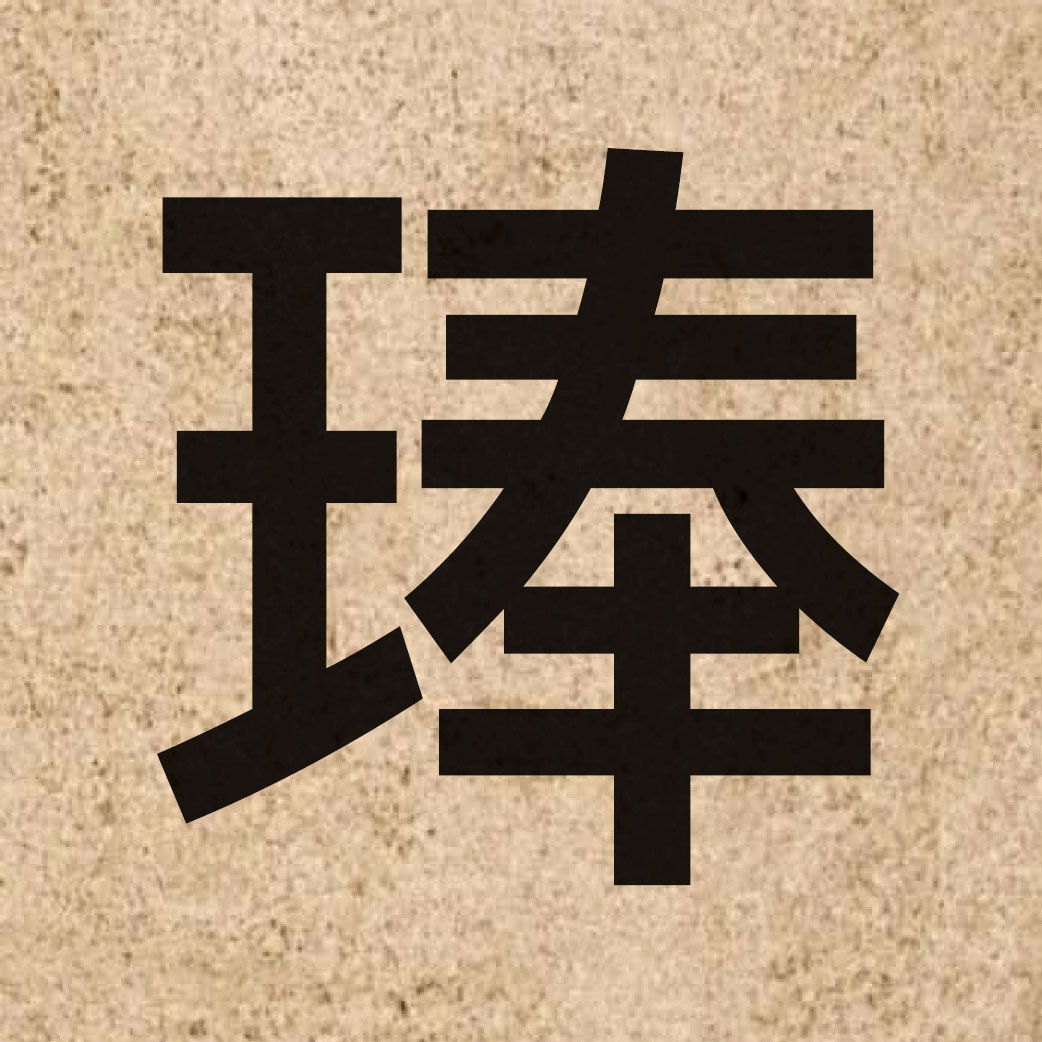
琫: Describing objects or culture, rare Chinese characters that may only be found in ancient documents (more than 7,000 characters in total)
The Chinese character【琫】that I will teach you this time is a word that describes objects or culture. It is mainly used for the following meanings:…
View More 琫: Describing objects or culture, rare Chinese characters that may only be found in ancient documents (more than 7,000 characters in total)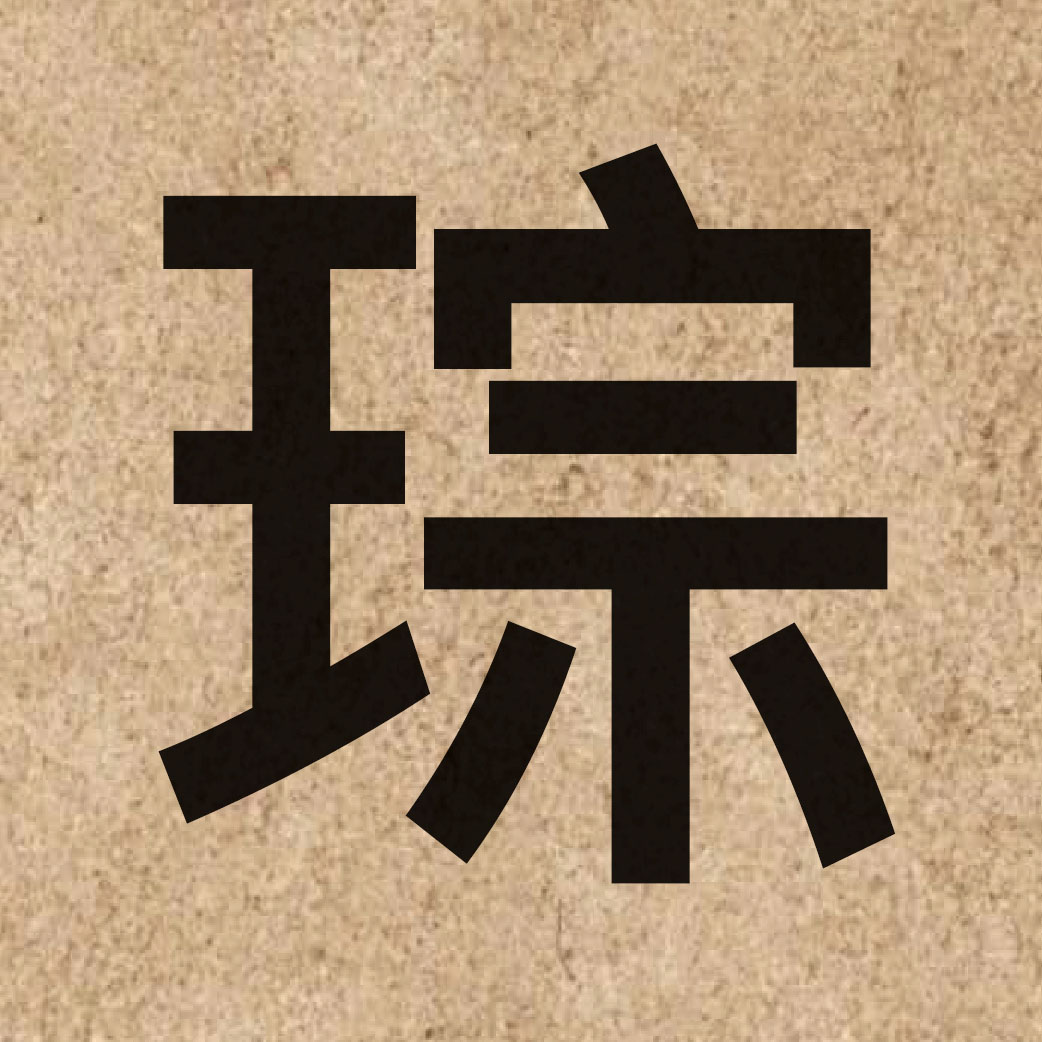
琮: Describing objects or culture, rare Chinese characters may only be found in ancient documents (a simple version of the dictionary)
The Chinese word【琮】that we will introduce this time is a word that describes objects or culture. It is mainly used for the following meanings: Jade…
View More 琮: Describing objects or culture, rare Chinese characters may only be found in ancient documents (a simple version of the dictionary)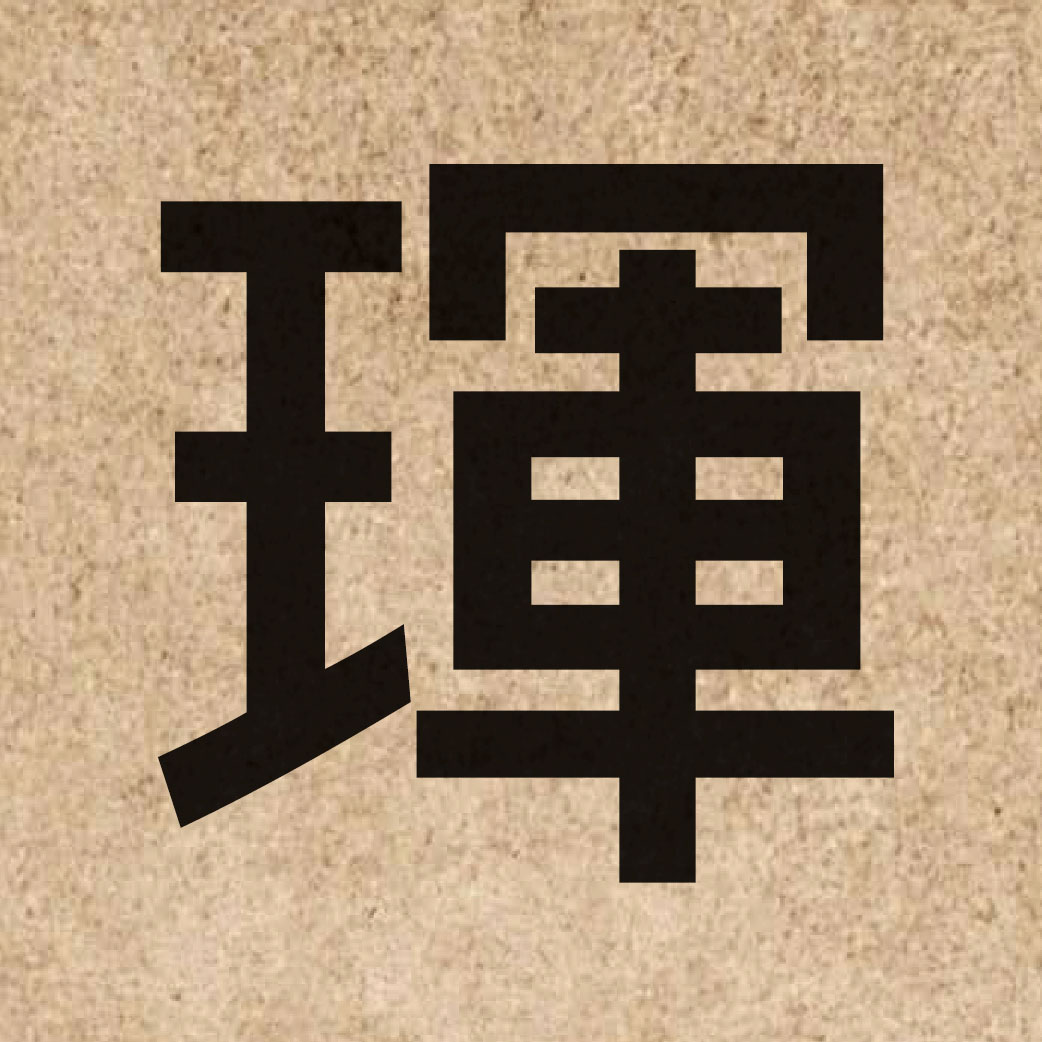
琿: Describing objects or nature, rare Chinese characters may only be found in ancient documents (a simple version of the dictionary)
The Chinese character【琿】that I will teach you this time is a word that describes objects or nature. It is mainly used for the following meanings:…
View More 琿: Describing objects or nature, rare Chinese characters may only be found in ancient documents (a simple version of the dictionary)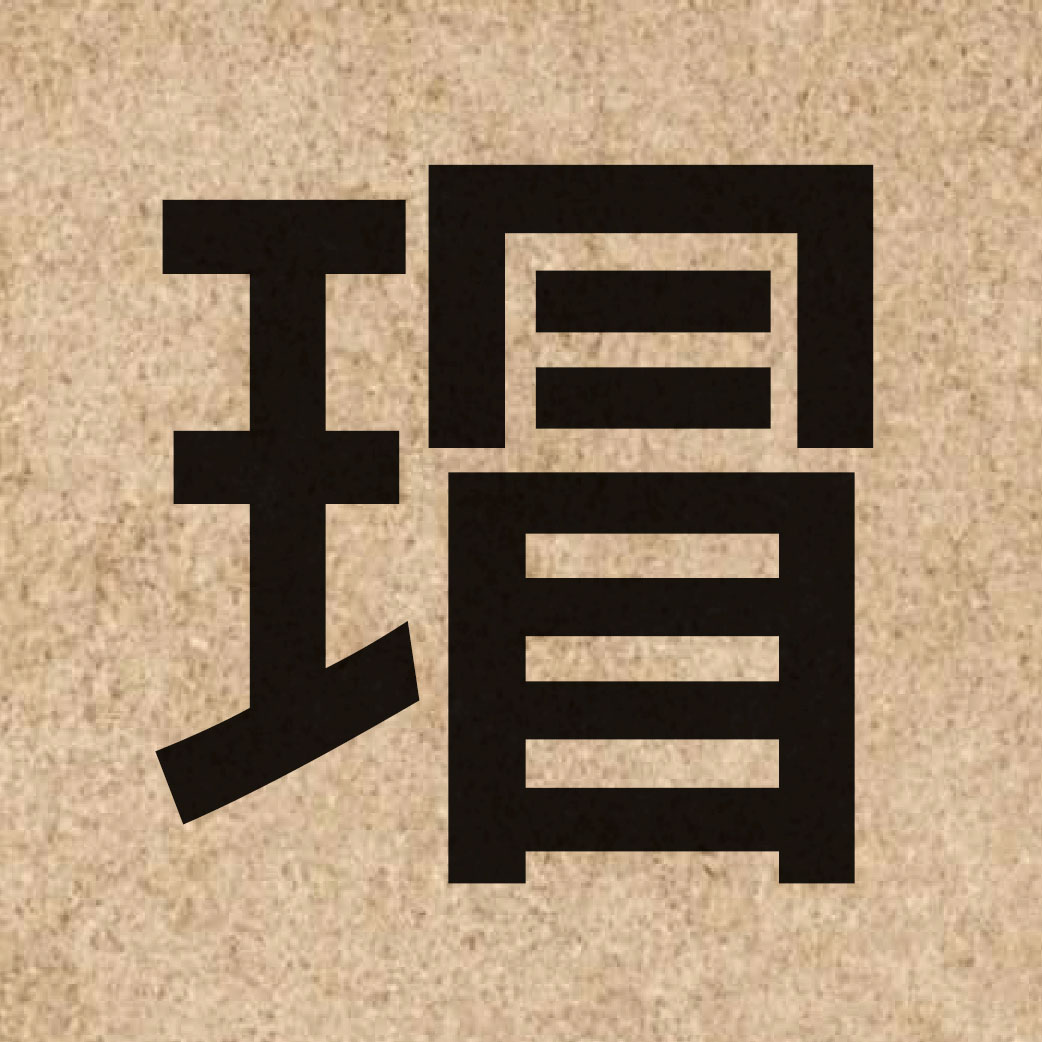
瑁: Describing nature or crafts, rare Chinese characters that may only be found in ancient documents (more than 7,000 characters in total)
The Chinese character【瑁】is a word that describes nature or craftsmanship, and is mainly used for the following meanings: A precious shell. You can refer to…
View More 瑁: Describing nature or crafts, rare Chinese characters that may only be found in ancient documents (more than 7,000 characters in total)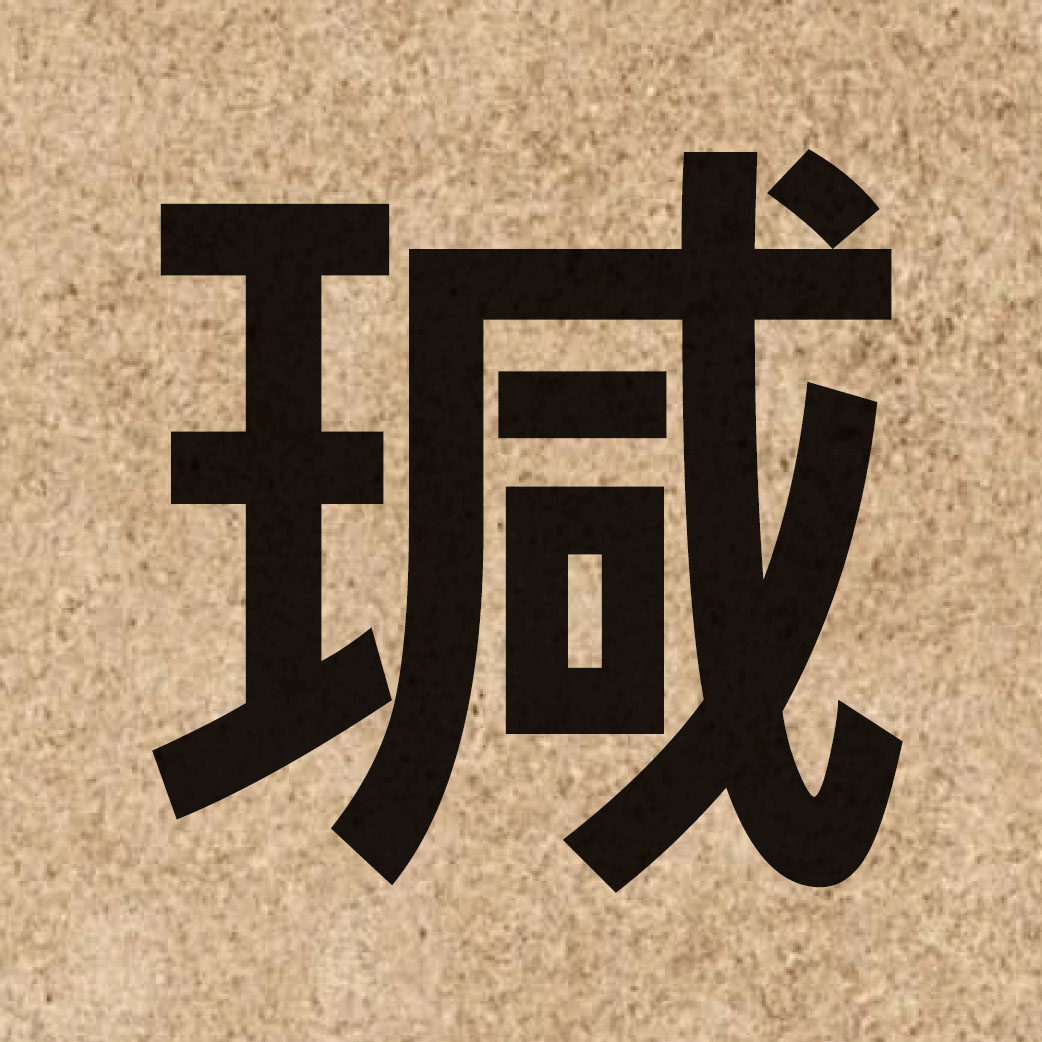
瑊: Describing objects or culture, rare Chinese characters that may only be found in ancient documents (with Cantonese and Mandarin pronunciation)
The Chinese word【瑊】that we will introduce this time is a word that describes objects or culture. It is mainly used for the following meanings: Beautiful…
View More 瑊: Describing objects or culture, rare Chinese characters that may only be found in ancient documents (with Cantonese and Mandarin pronunciation)