
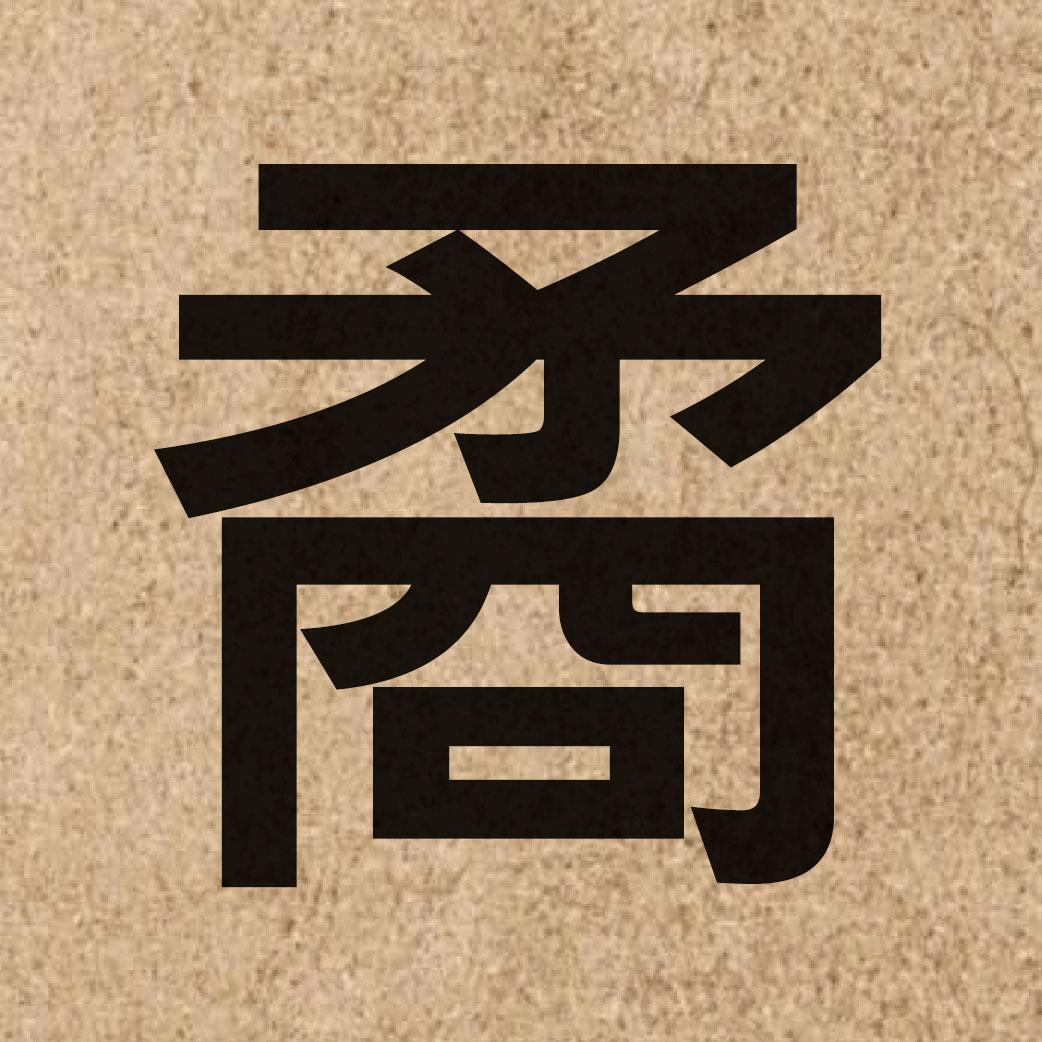
The Chinese character【矞】that I will teach you this time is a word that describes nature or state, and is mainly used for the following meanings:…
View More 矞: Describing nature or status, rare Chinese characters may only be seen in ancient documents (free learning resources)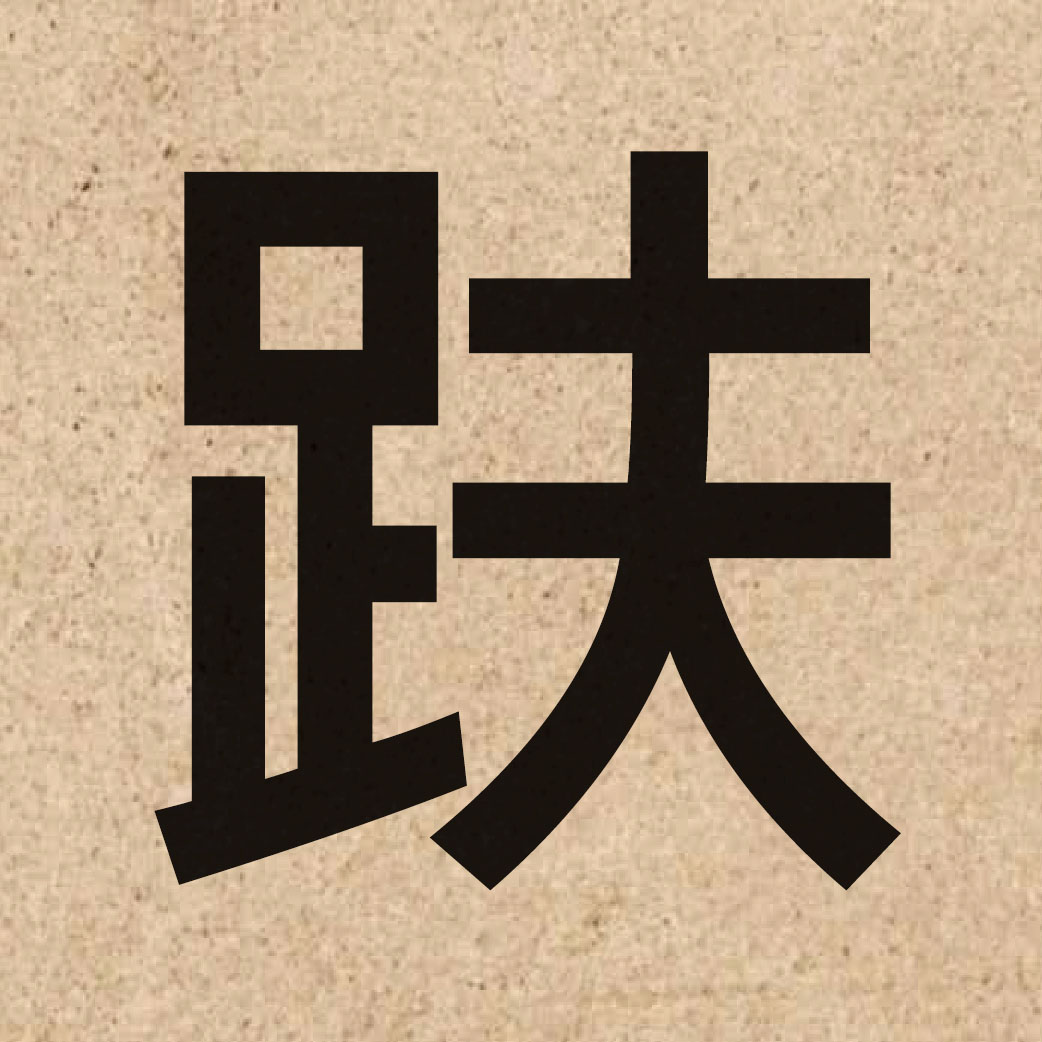
趺: Describing actions or body, rare Chinese characters that may only be found in ancient documents (more than 7,000 characters in total)
The Chinese word【趺】that we will introduce this time is a word that describes action or body, and is mainly used for the following meanings: Sitting…
View More 趺: Describing actions or body, rare Chinese characters that may only be found in ancient documents (more than 7,000 characters in total)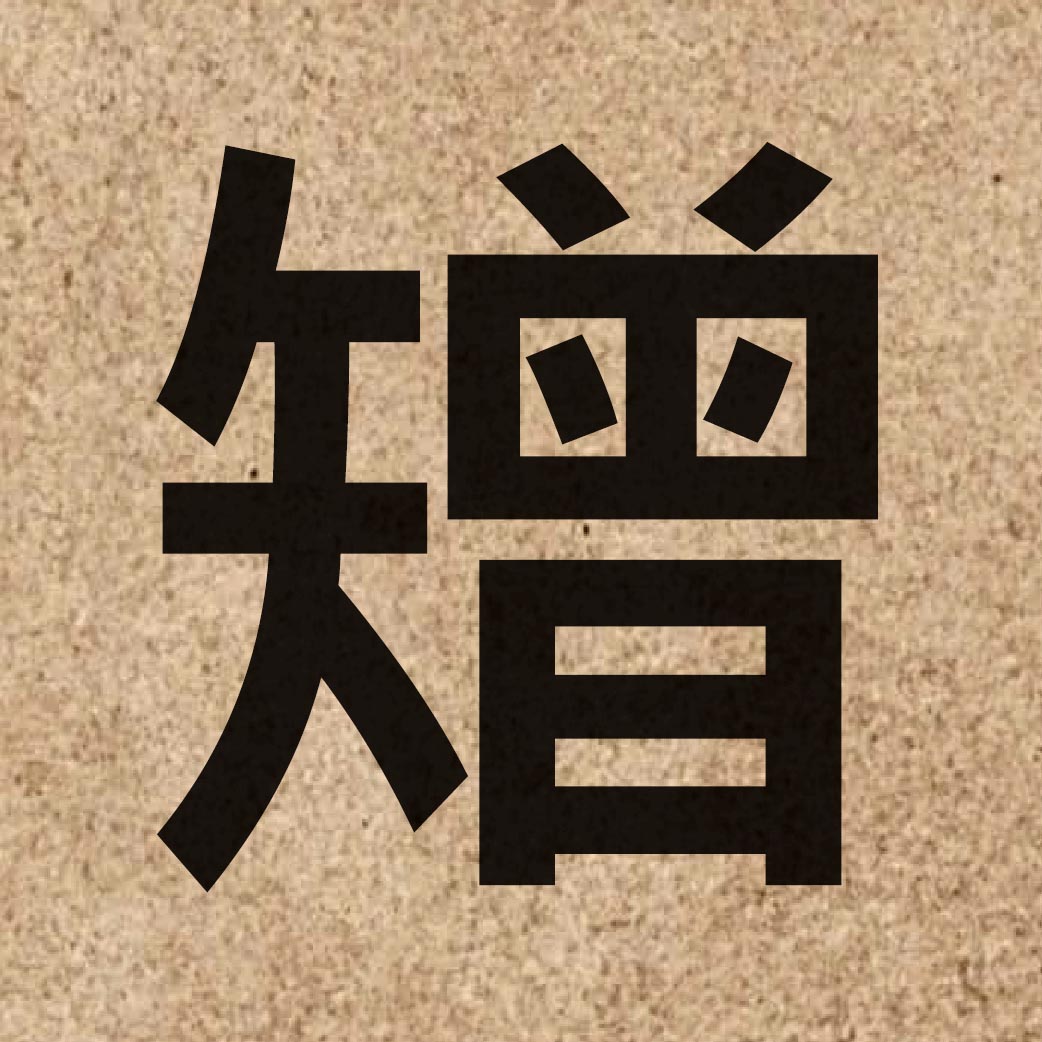
矰: Describing objects or culture, rare Chinese characters may only be found in ancient documents (a simple version of the dictionary)
The Chinese character【矰】is used to describe objects or culture, and is mainly used for the following meanings: Ancient arrows. Here is the phonetic guide for…
View More 矰: Describing objects or culture, rare Chinese characters may only be found in ancient documents (a simple version of the dictionary)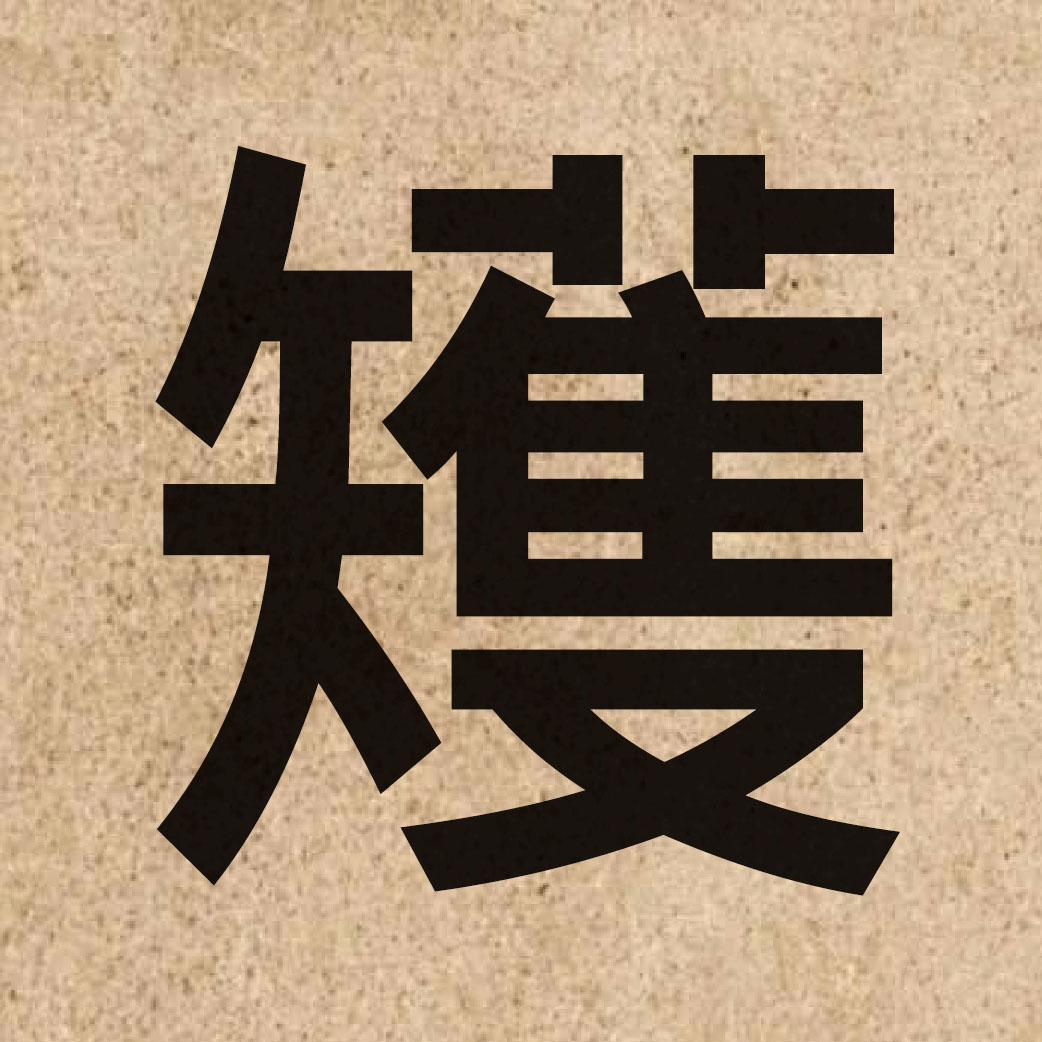
矱: Describing actions or culture, rare Chinese characters may only be found in ancient documents (with basic explanations)
The Chinese word【矱】that we will introduce this time is a word that describes action or culture. It is mainly used for the following meanings: Standard…
View More 矱: Describing actions or culture, rare Chinese characters may only be found in ancient documents (with basic explanations)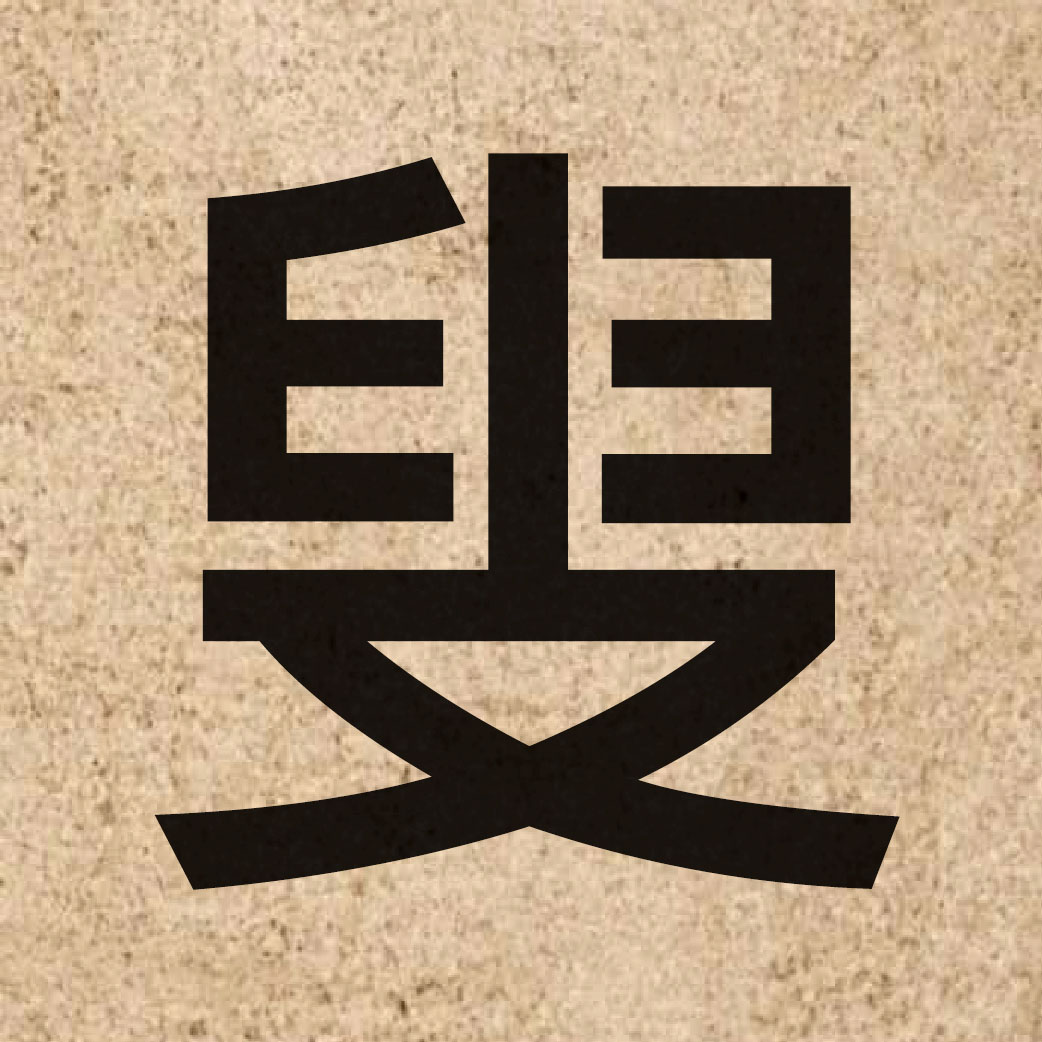
叟: Describing characters or relationships, using rare Chinese characters that may only be found in ancient documents (with Cantonese and Mandarin pronunciation)
The Chinese character【叟】is used to describe people or relationships, and is mainly used for the following meanings: Elderly or older people. Below, you can see…
View More 叟: Describing characters or relationships, using rare Chinese characters that may only be found in ancient documents (with Cantonese and Mandarin pronunciation)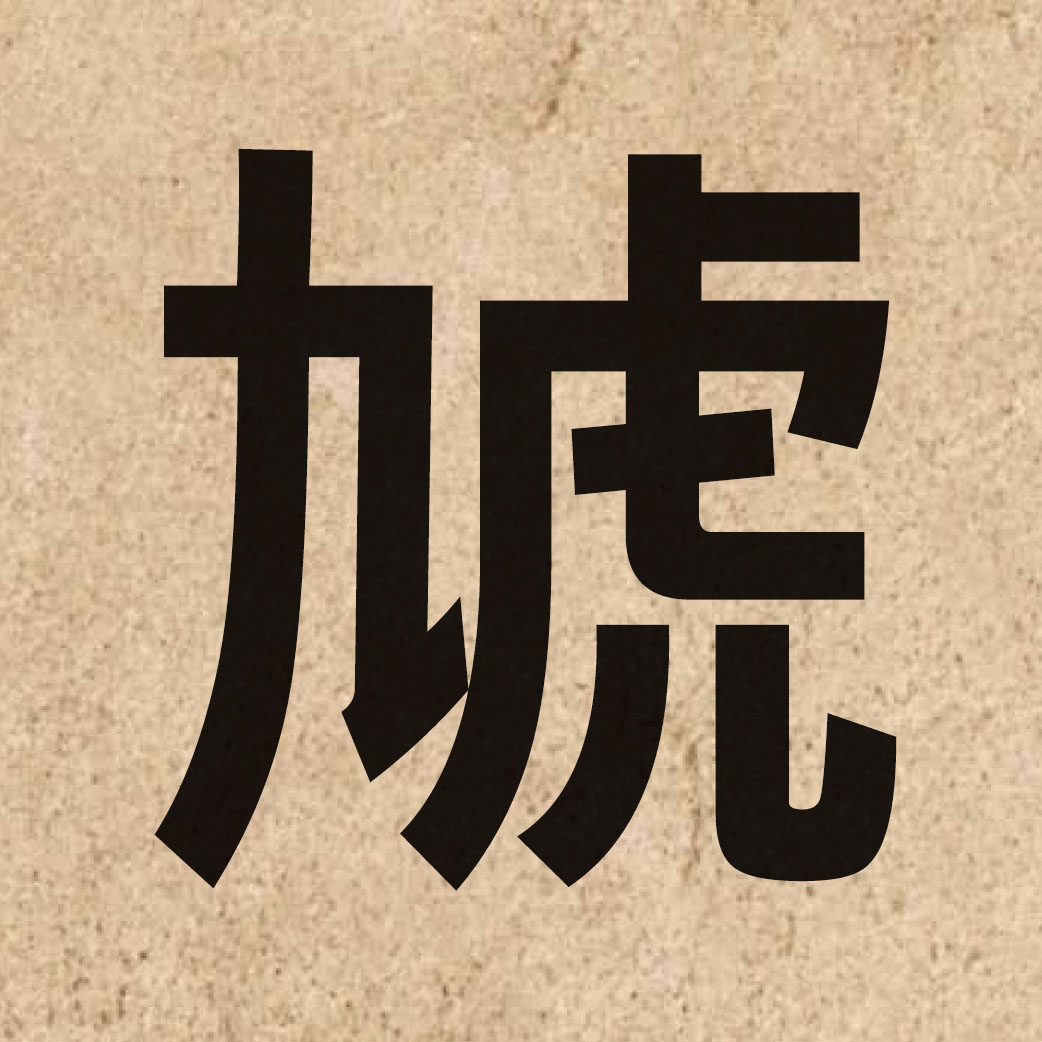
虓: Describe actions or creatures, using rare Chinese characters that may only be found in ancient documents (with Cantonese and Mandarin pronunciation)
The Chinese word【虓】that we will introduce this time is a word that describes an action or a creature. It is mainly used for the following…
View More 虓: Describe actions or creatures, using rare Chinese characters that may only be found in ancient documents (with Cantonese and Mandarin pronunciation)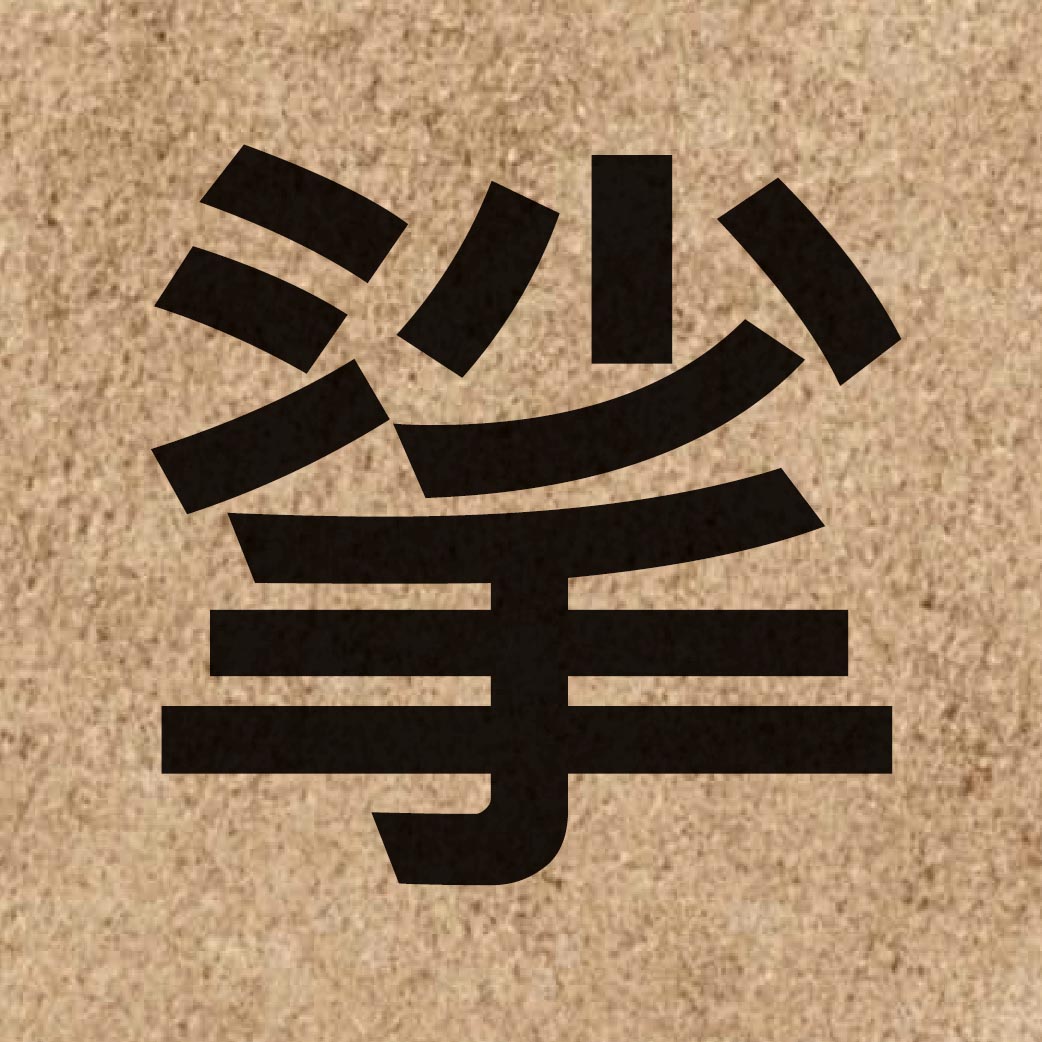
挲: Describes actions or behaviors, and may only be found in ancient Chinese texts (with Cantonese and Mandarin pronunciation)
The Chinese character【挲】that I will teach you today is a word that describes an action or behavior. It is mainly used for the following meanings:…
View More 挲: Describes actions or behaviors, and may only be found in ancient Chinese texts (with Cantonese and Mandarin pronunciation)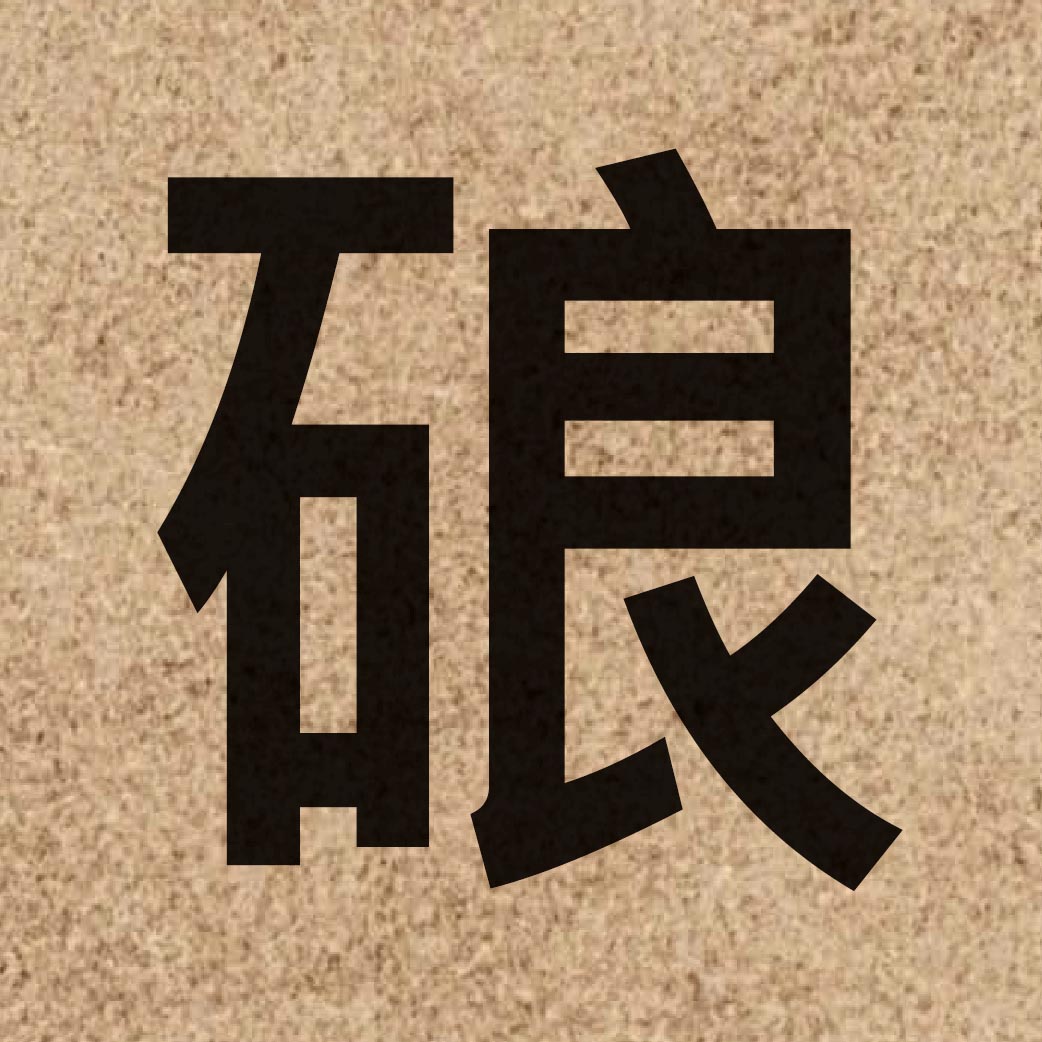
硠: Describing nature or objects, rare Chinese characters that may only be found in ancient documents (more than 7,000 characters in total)
The Chinese character【硠】that I will teach you this time is a word that describes nature or objects. It is mainly used for the following meanings:…
View More 硠: Describing nature or objects, rare Chinese characters that may only be found in ancient documents (more than 7,000 characters in total)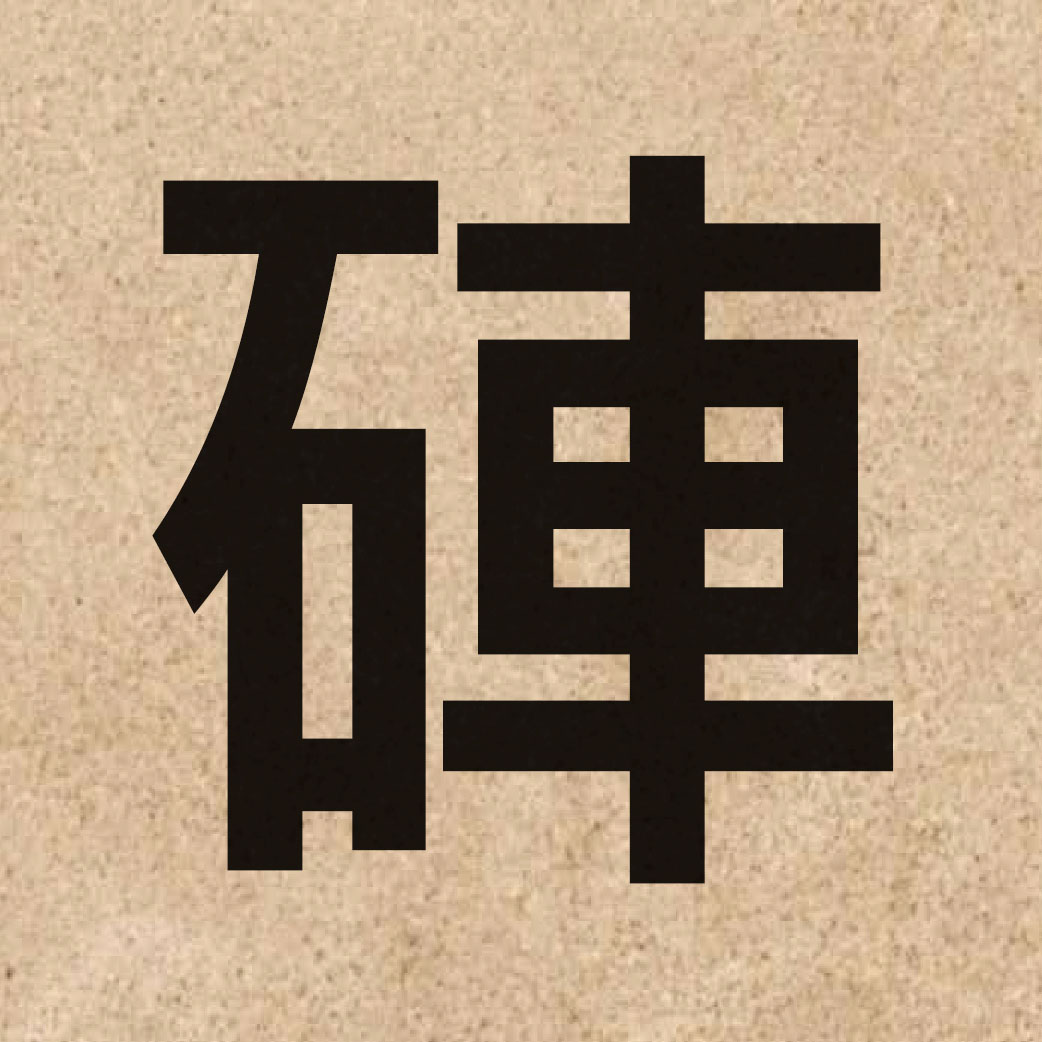
硨: Describing nature or crafts, rare Chinese characters may only be seen in ancient documents (free learning resources)
The Chinese character【硨】is a word that describes nature or craftsmanship, and is mainly used for the following meanings: Giant clam, a kind of marine creature.…
View More 硨: Describing nature or crafts, rare Chinese characters may only be seen in ancient documents (free learning resources)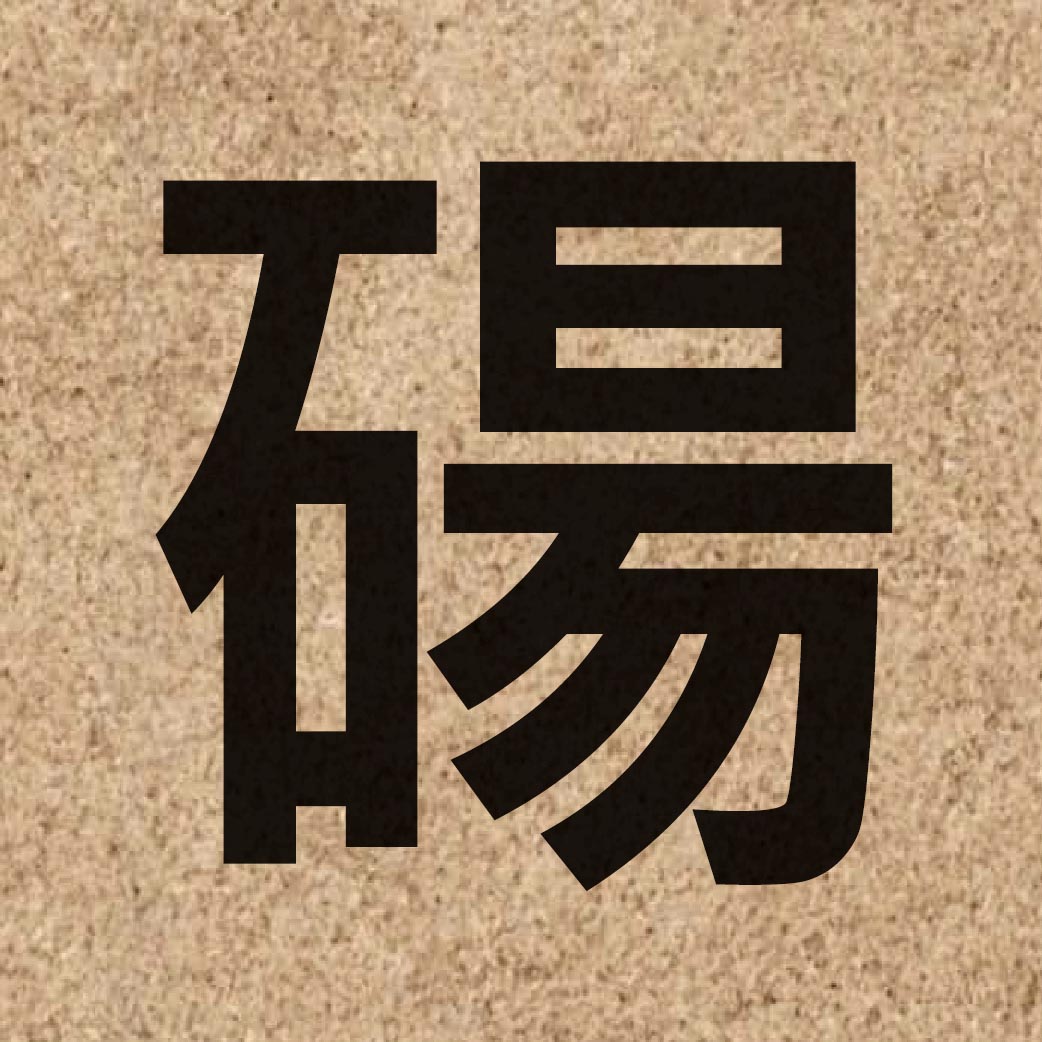
碭: Describing geography or nature, rare Chinese characters may only be found in ancient documents (with basic explanations)
The Chinese character【碭】is a word that describes geography or nature, and is mainly used for the following meanings: Rocky mountain or high ground. Here’s the…
View More 碭: Describing geography or nature, rare Chinese characters may only be found in ancient documents (with basic explanations)