
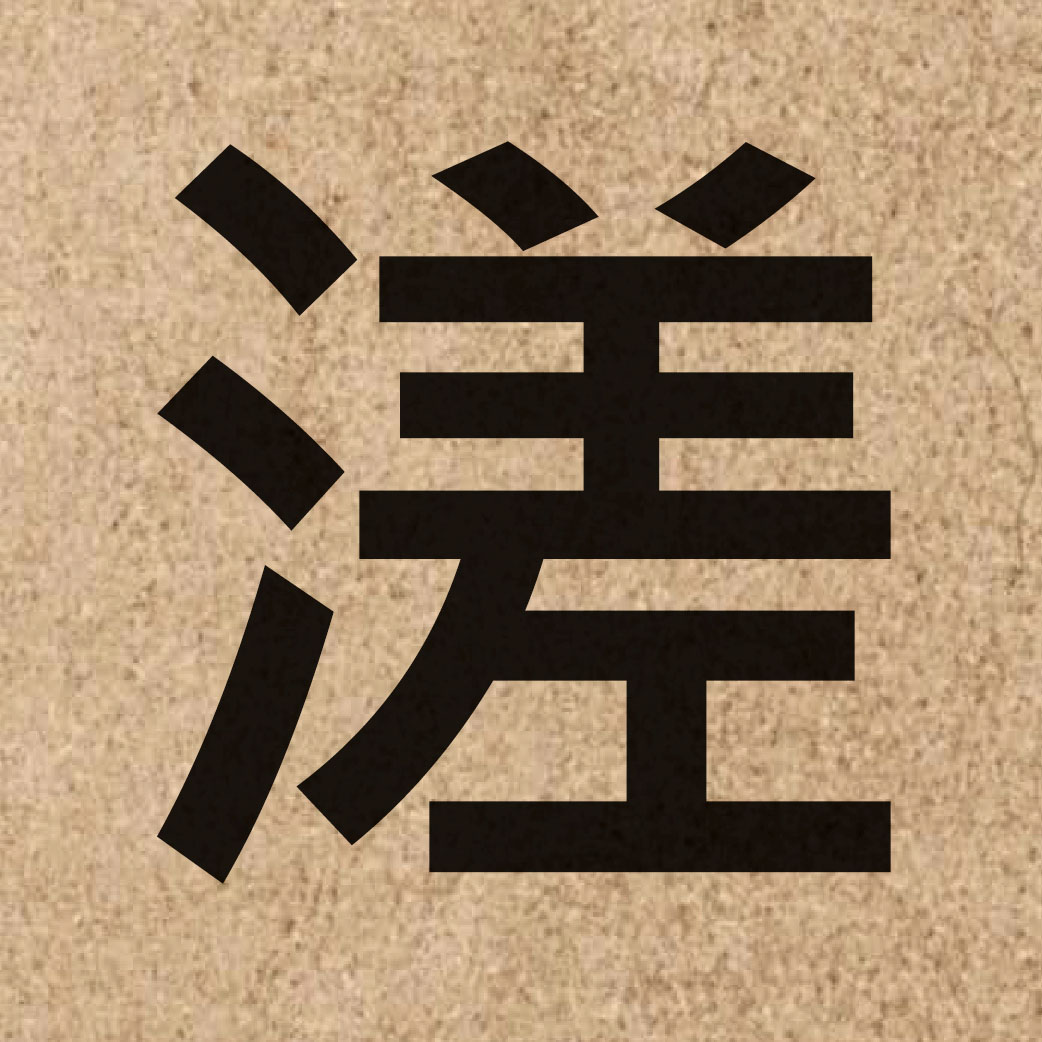
The Chinese word【溠】that we will introduce this time is a word that describes nature or geography. It is mainly used for the following meanings: A…
View More 溠: Describing nature or geography, rare Chinese characters may only be found in ancient documents (a simple version of the dictionary)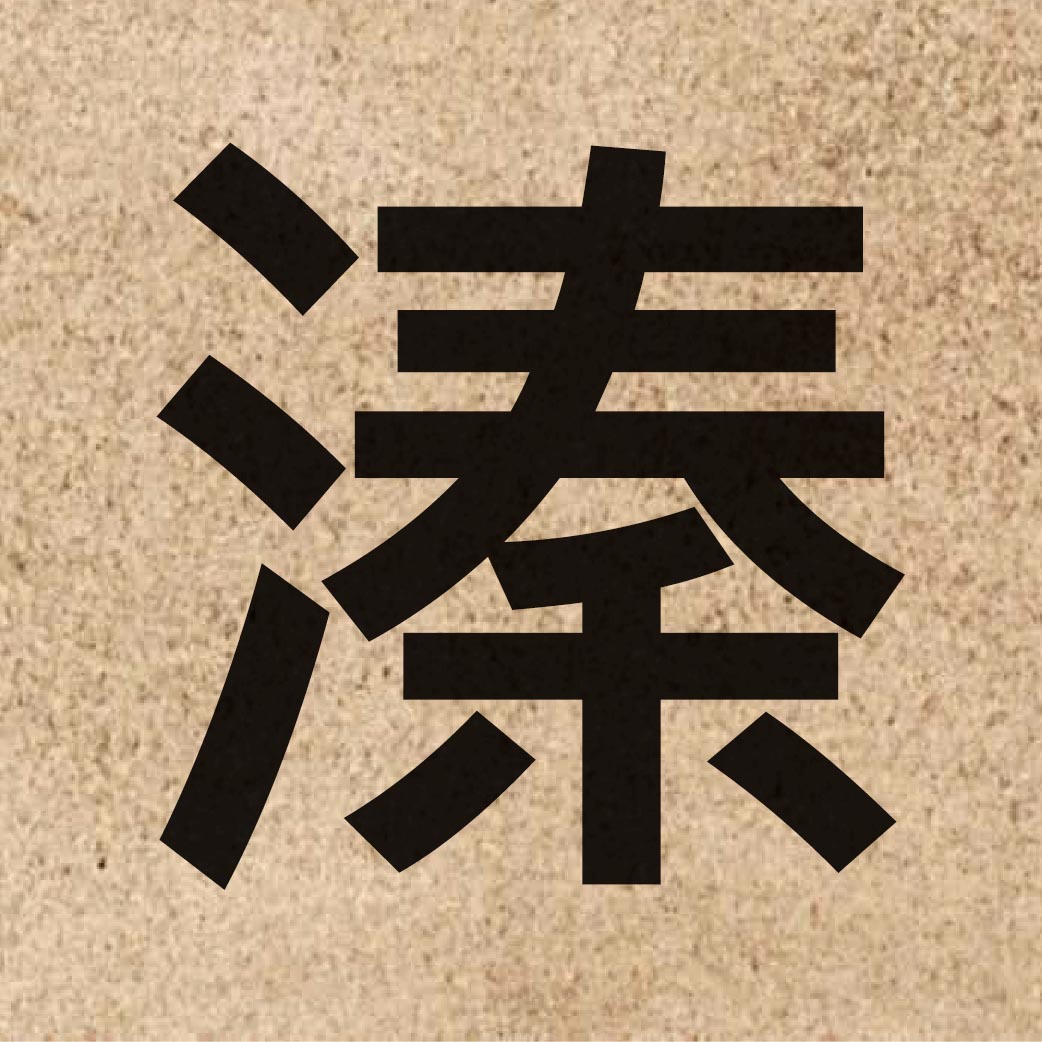
溱: Describing geography or nature, rare Chinese characters may only be found in ancient documents (with basic explanations)
The Chinese character【溱】that we will explain today is a word that describes geography or nature. It is mainly used for the following meanings: Water or…
View More 溱: Describing geography or nature, rare Chinese characters may only be found in ancient documents (with basic explanations)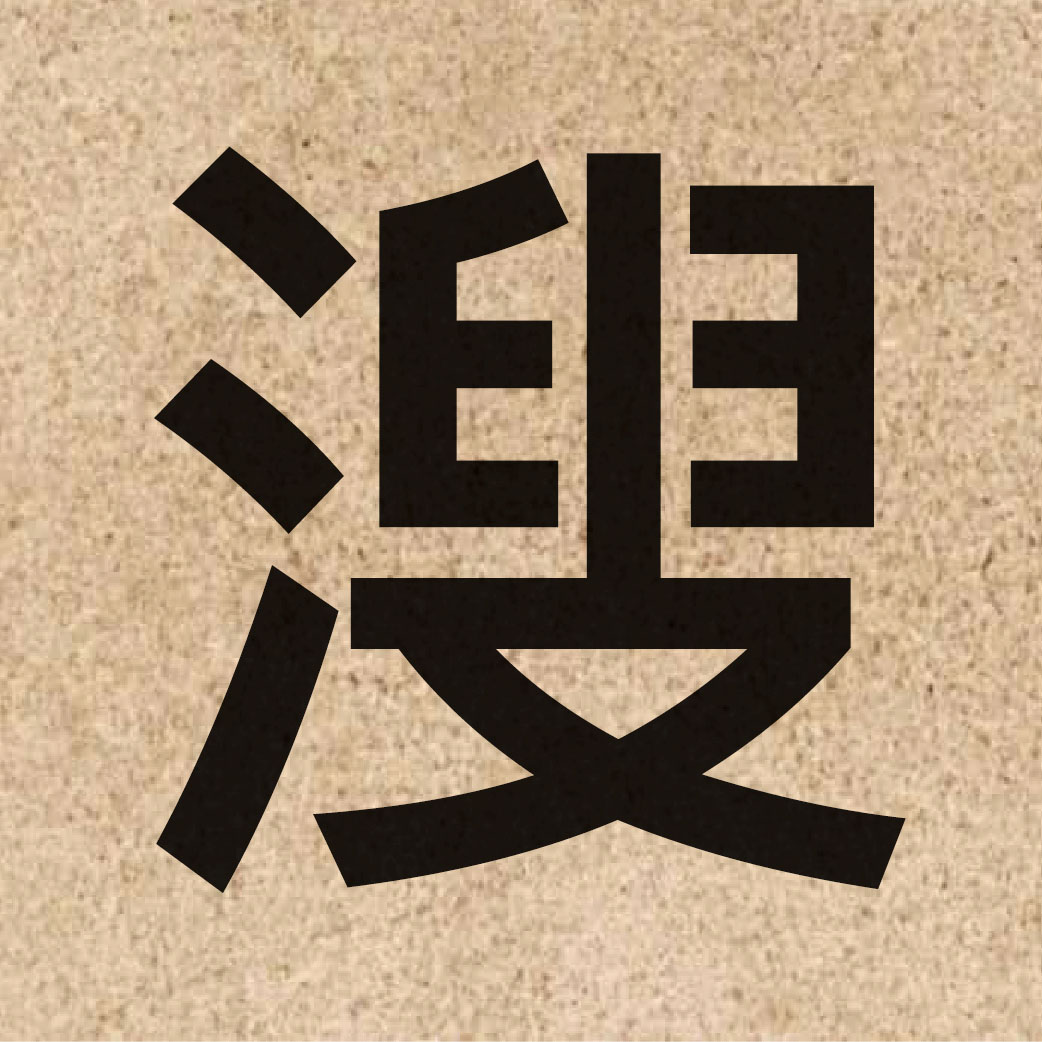
溲: Describes actions or uses, rare Chinese characters that may only be found in ancient documents (more than 7,000 characters in total)
The Chinese character【溲】is a word that describes an action or purpose, and is mainly used for the following meanings: Drain or flush. You can refer…
View More 溲: Describes actions or uses, rare Chinese characters that may only be found in ancient documents (more than 7,000 characters in total)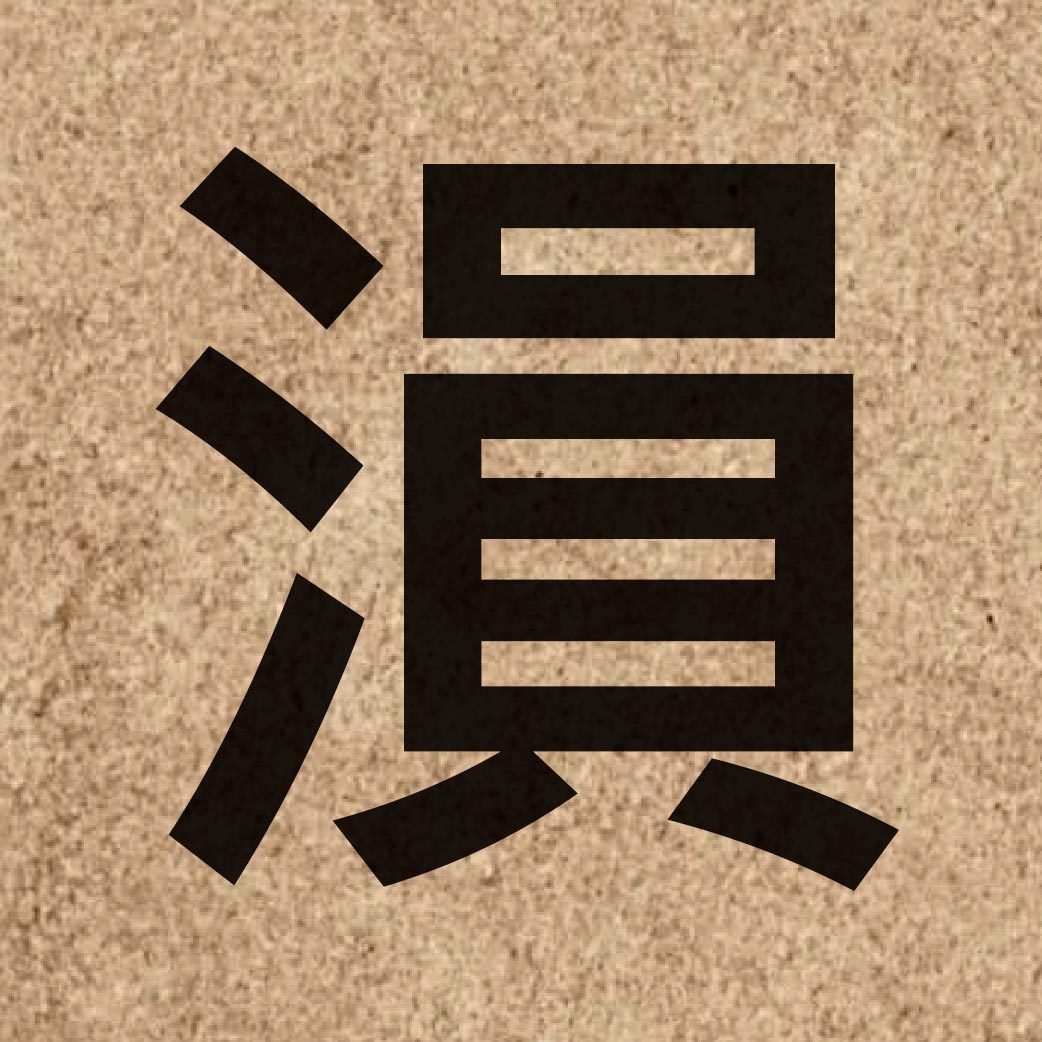
溳: Describing nature or geography, rare Chinese characters that may only be found in ancient documents (with Cantonese and Mandarin pronunciation)
The Chinese word【溳】that we will introduce this time is a word that describes nature or geography. It is mainly used for the following meanings: A…
View More 溳: Describing nature or geography, rare Chinese characters that may only be found in ancient documents (with Cantonese and Mandarin pronunciation)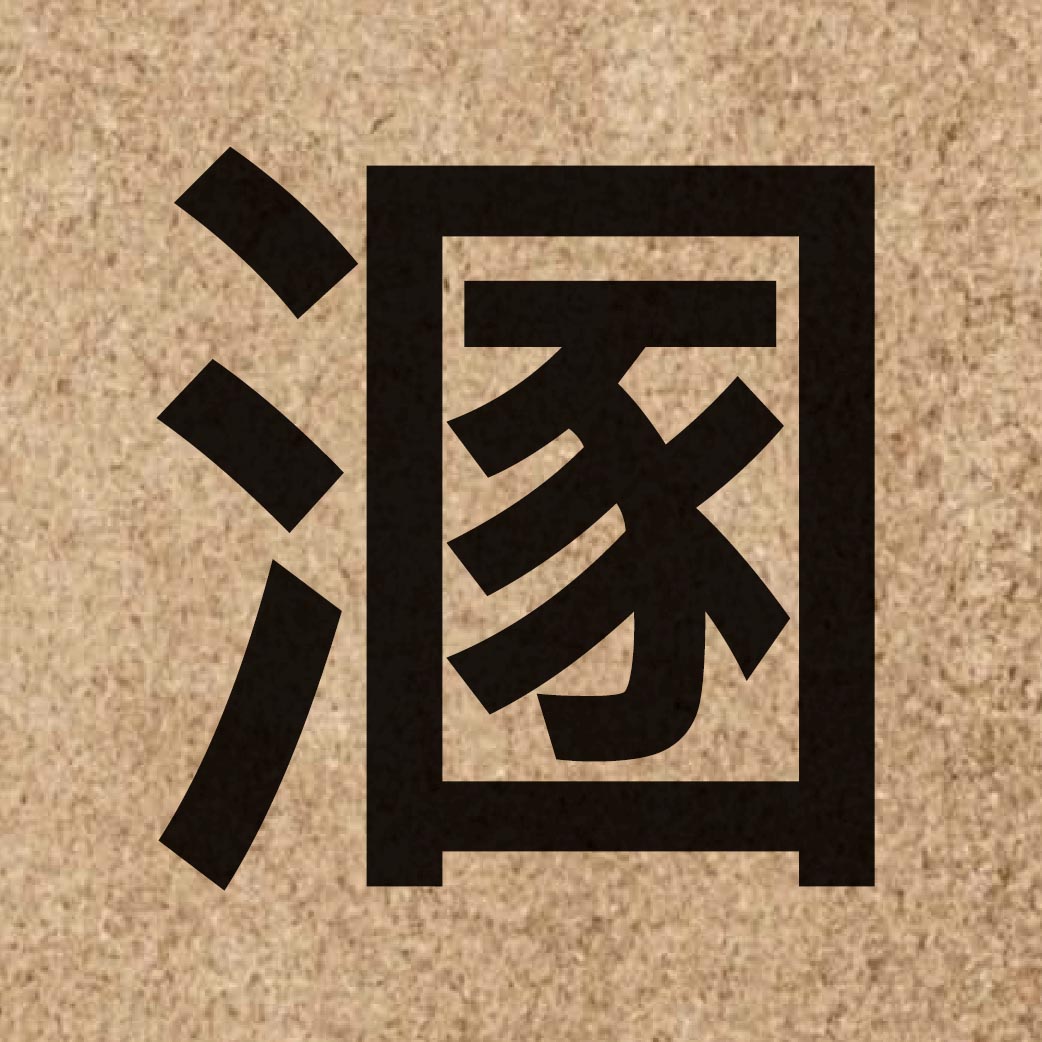
溷: Describing a state or environment, rare Chinese characters may only be found in ancient documents (with basic explanations)
The Chinese character【溷】is a word that describes a state or environment, and is mainly used for the following meanings: Messy or dirty. Here’s the way…
View More 溷: Describing a state or environment, rare Chinese characters may only be found in ancient documents (with basic explanations)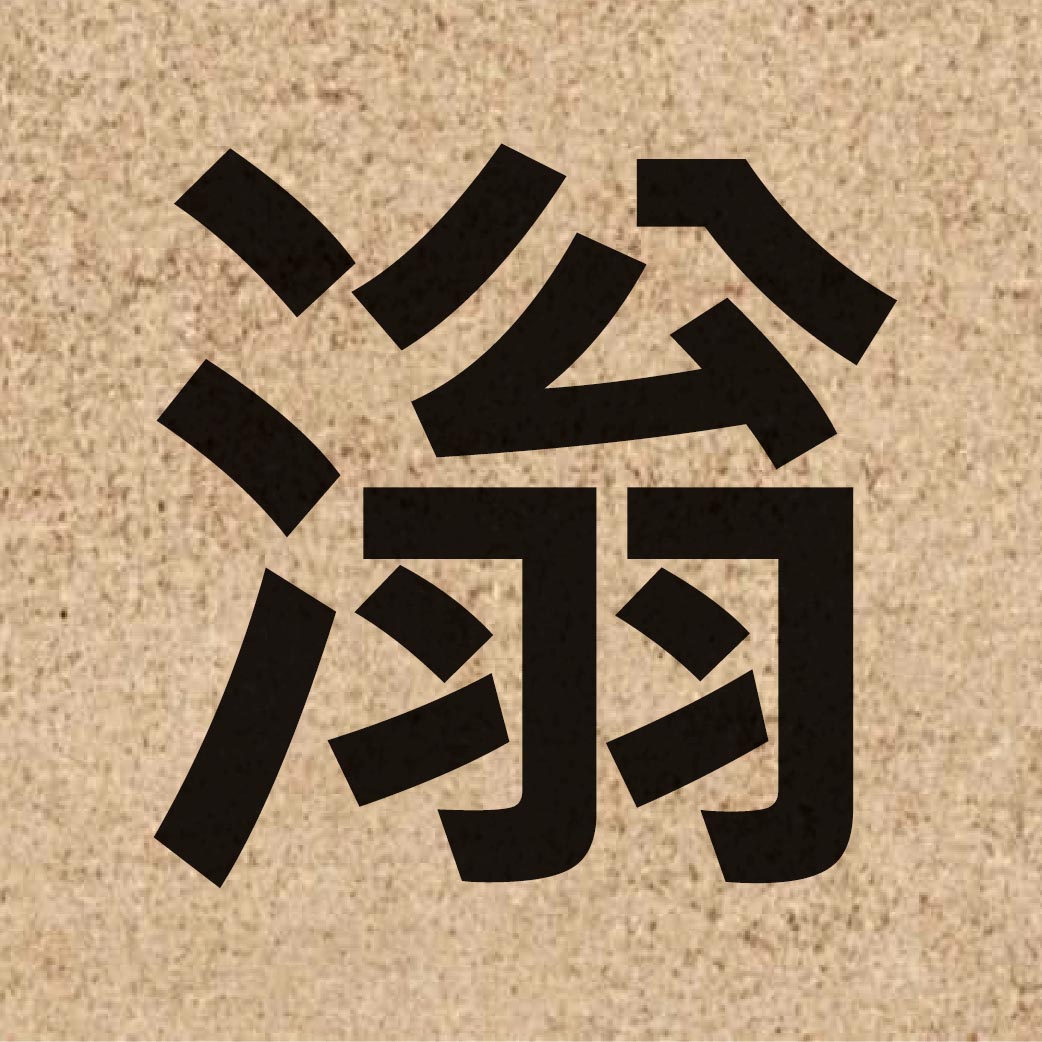
滃: Describing nature or atmosphere, rare Chinese characters that may only be found in ancient documents (with basic explanations)
The Chinese word【滃】that we will introduce this time is a word that describes nature or atmosphere. It is mainly used for the following meanings: Surge…
View More 滃: Describing nature or atmosphere, rare Chinese characters that may only be found in ancient documents (with basic explanations)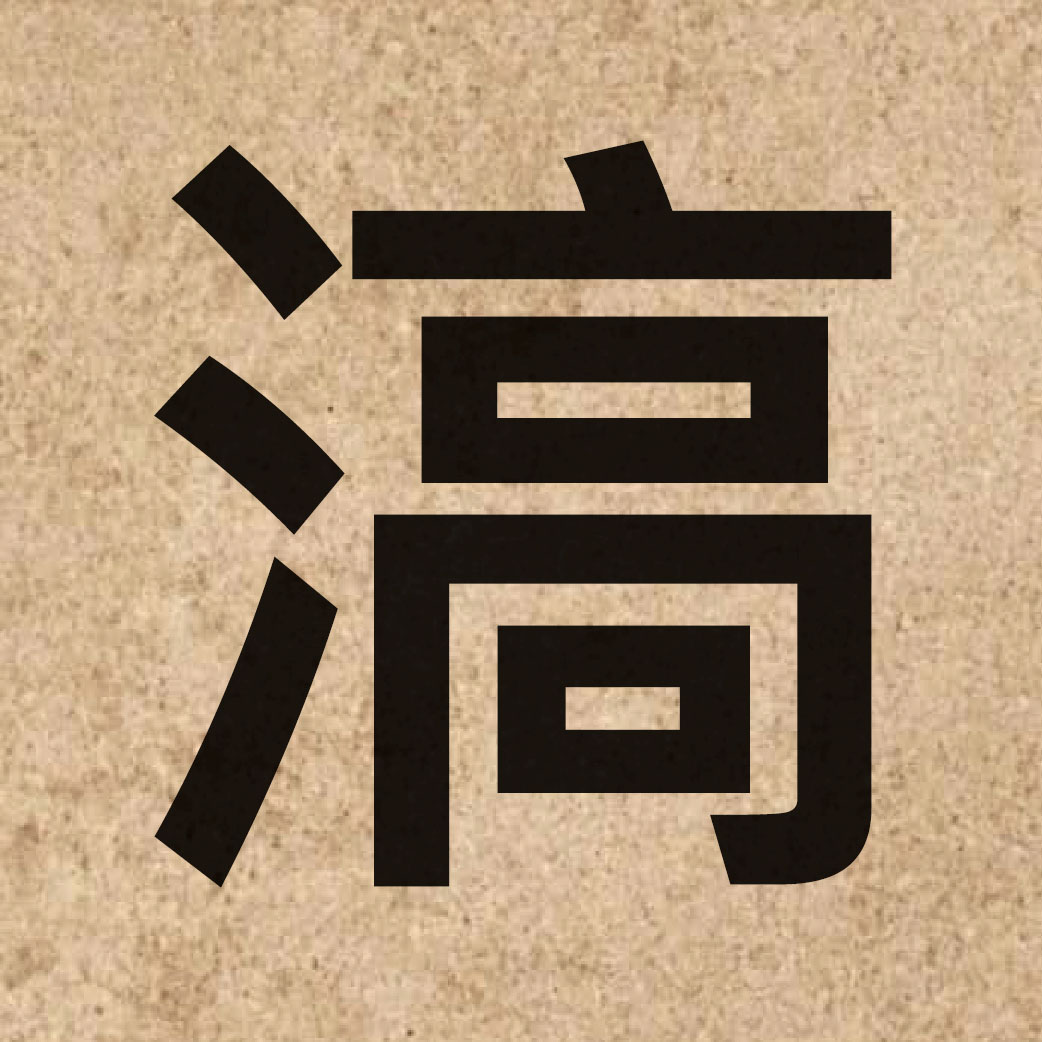
滈: Describing nature or the environment, rare Chinese characters may only be found in ancient documents (free learning resources)
The Chinese character【滈】is a word that describes nature or environment, and is mainly used for the following meanings: Water flow or sound. This is how…
View More 滈: Describing nature or the environment, rare Chinese characters may only be found in ancient documents (free learning resources)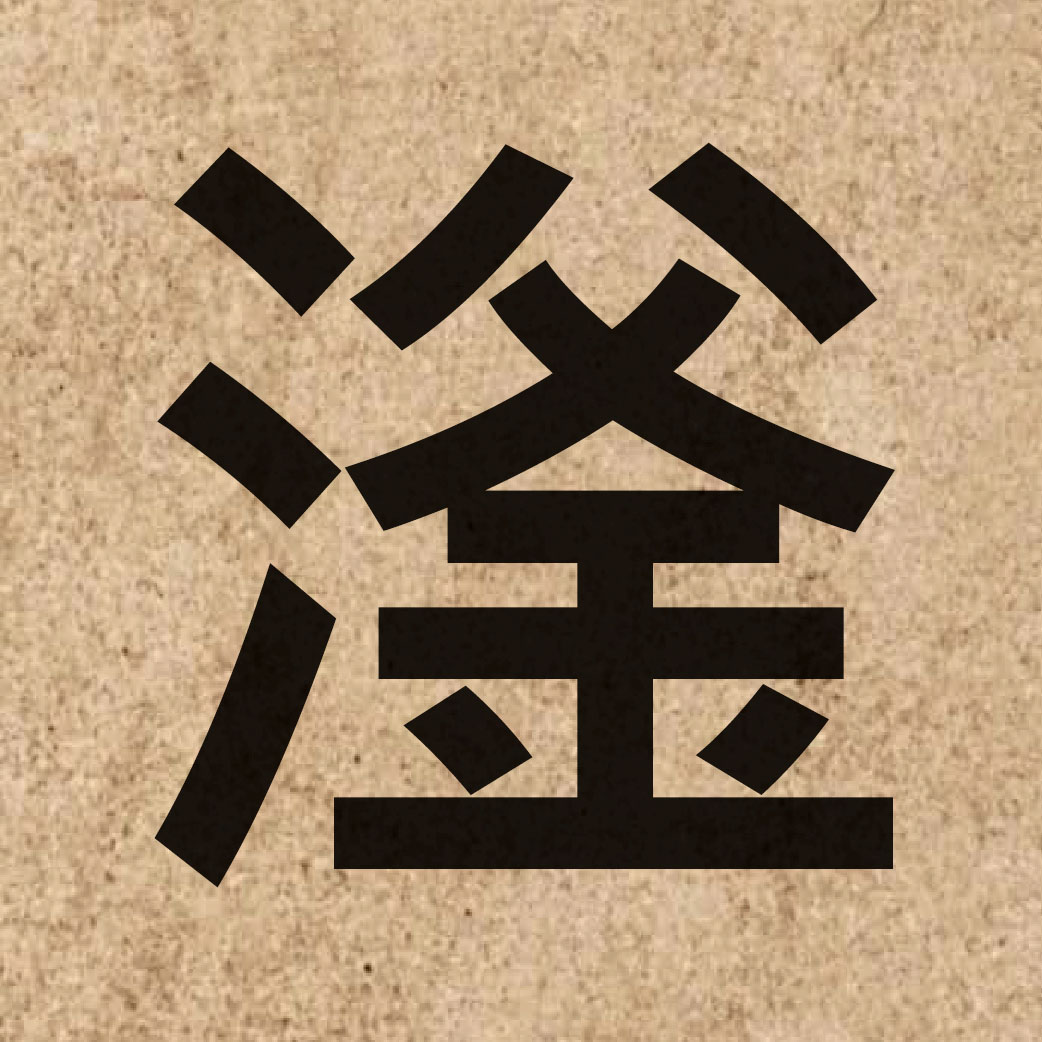
滏: Describing geography or nature, rare Chinese characters may only be found in ancient documents (with basic explanations)
The Chinese character【滏】that I will teach you this time is a word that describes geography or nature. It is mainly used for the following meanings:…
View More 滏: Describing geography or nature, rare Chinese characters may only be found in ancient documents (with basic explanations)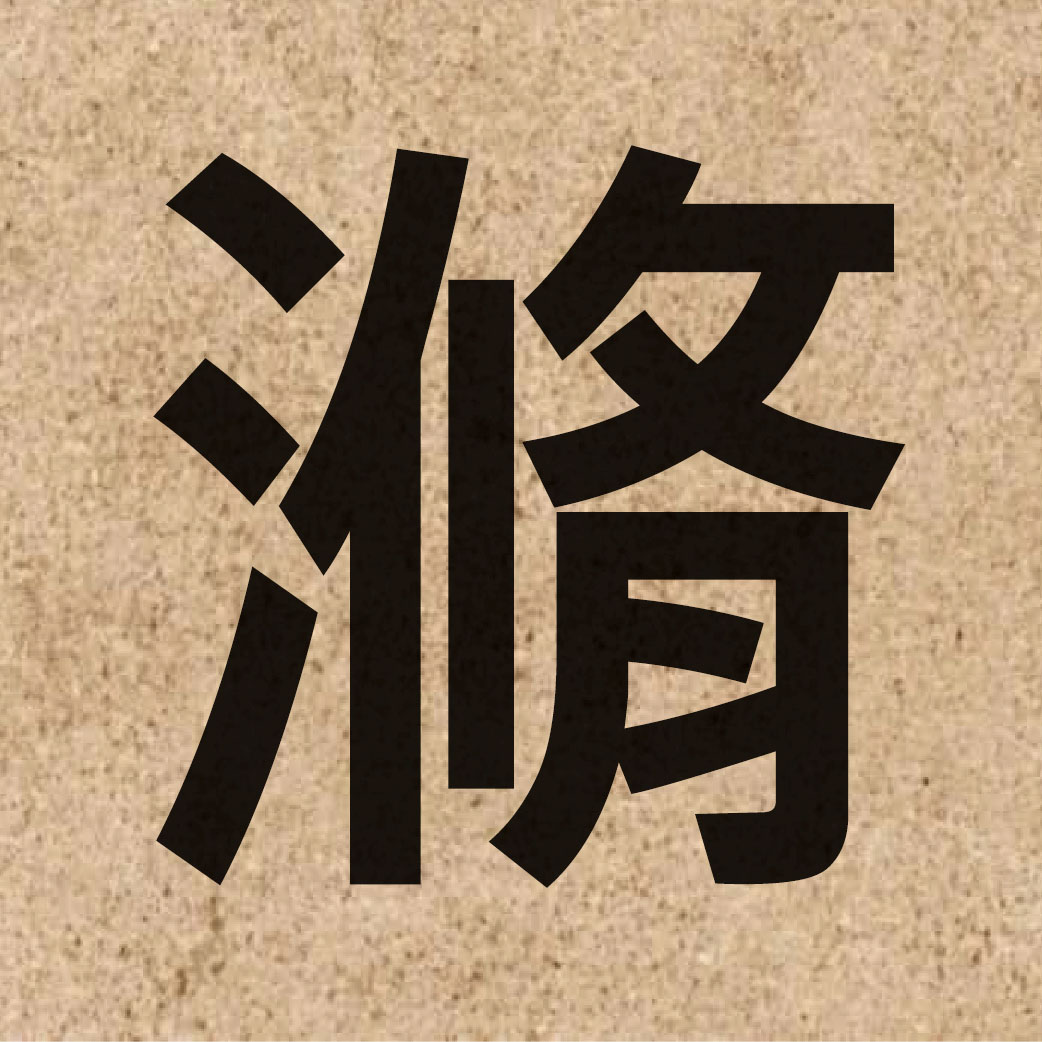
滫: Describing substances or states, rare Chinese characters may only be found in ancient documents (a simple version of the dictionary)
The Chinese character【滫】that I will teach you this time is a word that describes a substance or state. It is mainly used for the following…
View More 滫: Describing substances or states, rare Chinese characters may only be found in ancient documents (a simple version of the dictionary)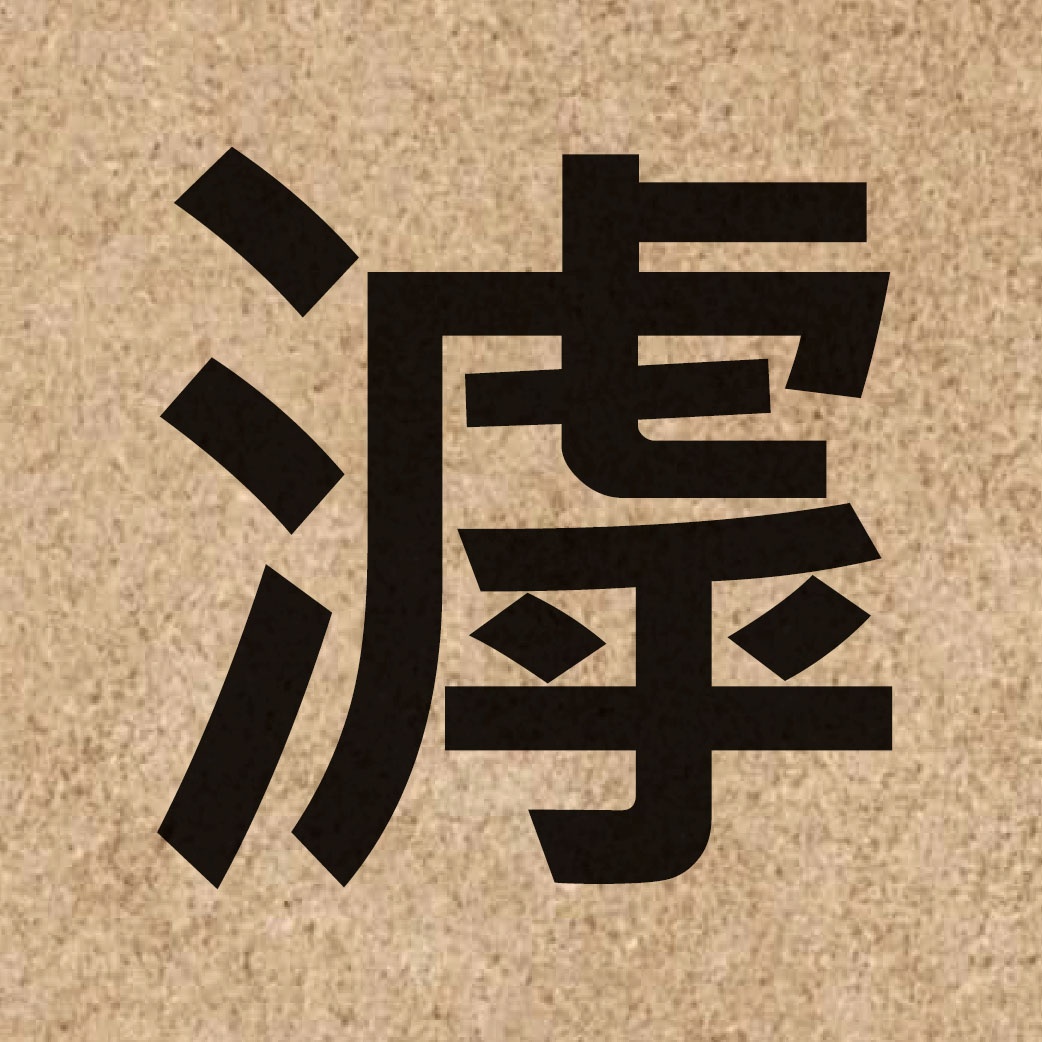
滹: Describing geography or nature, rare Chinese characters that may only be found in ancient documents (more than 7,000 characters in total)
The Chinese character【滹】is a word that describes geography or nature, and is mainly used for the following meanings: River or body of water. You can…
View More 滹: Describing geography or nature, rare Chinese characters that may only be found in ancient documents (more than 7,000 characters in total)