
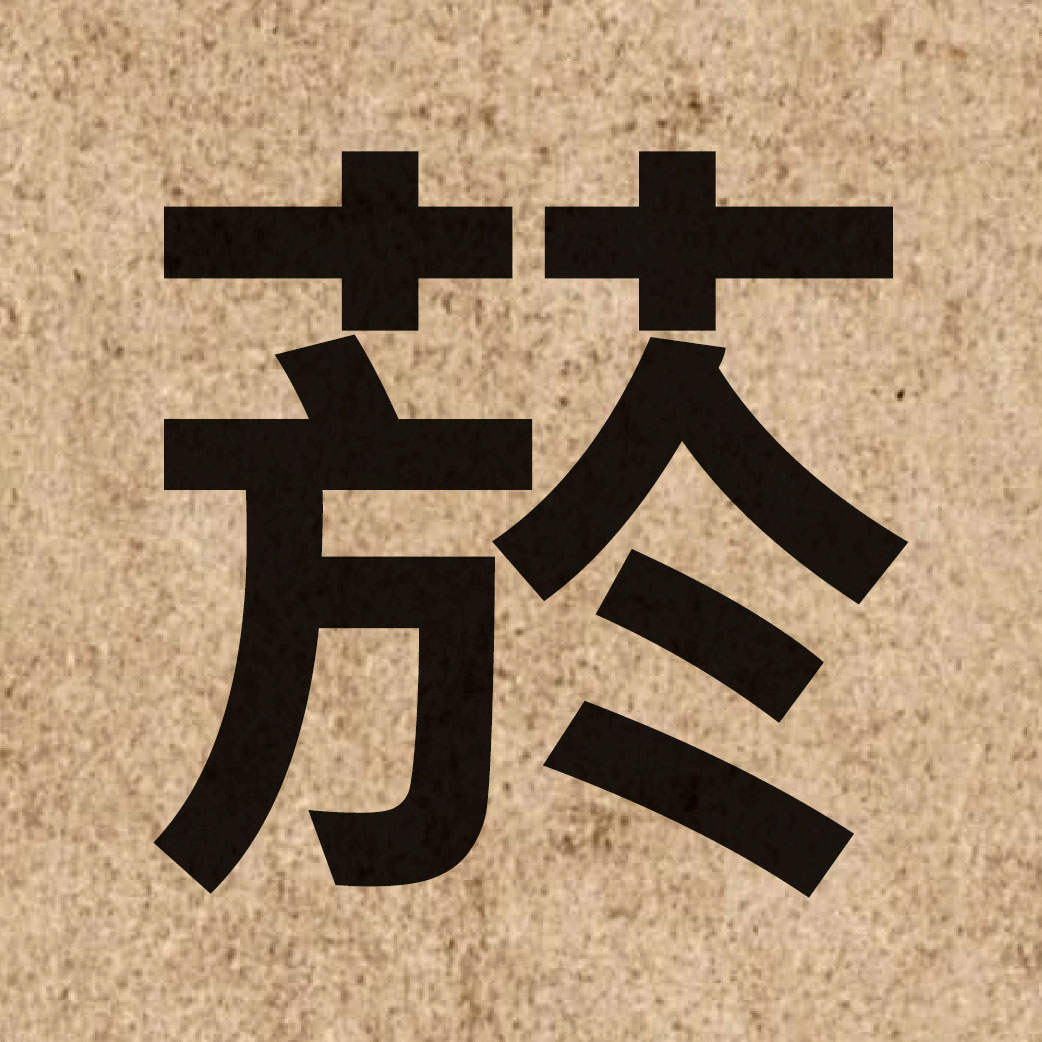
The Chinese character【菸】is a word that describes an object or a state, and is mainly used for the following meanings: Tobacco or smoke. Description: Annual…
View More 菸: Describe objects or conditions, rare Chinese characters that may only be found in ancient documents (more than 7,000 characters in total)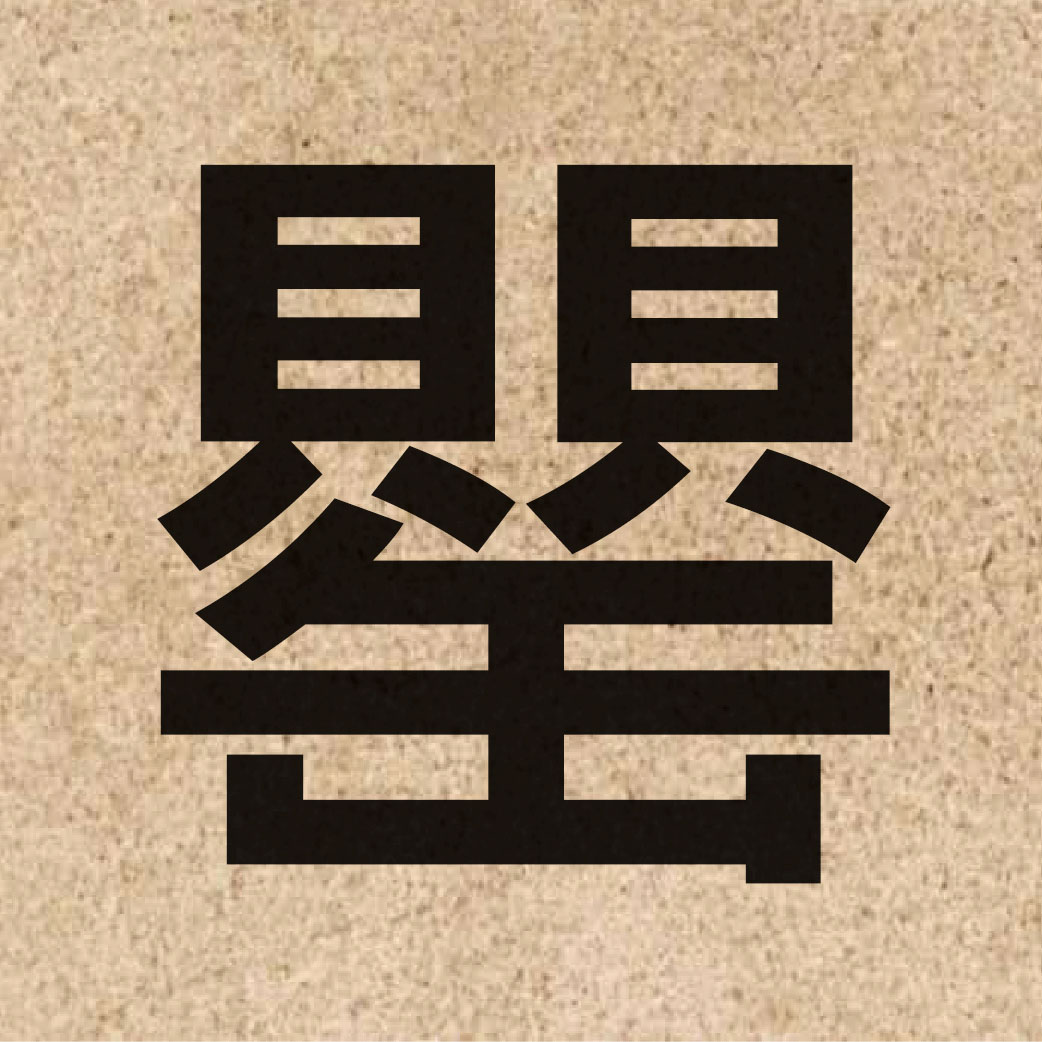
罌: Describing objects or plants, rare Chinese characters may only be found in ancient documents (a simple version of the dictionary)
The Chinese character【罌】that we will explain today is a word that describes objects or plants. It is mainly used for the following meanings: Container or…
View More 罌: Describing objects or plants, rare Chinese characters may only be found in ancient documents (a simple version of the dictionary)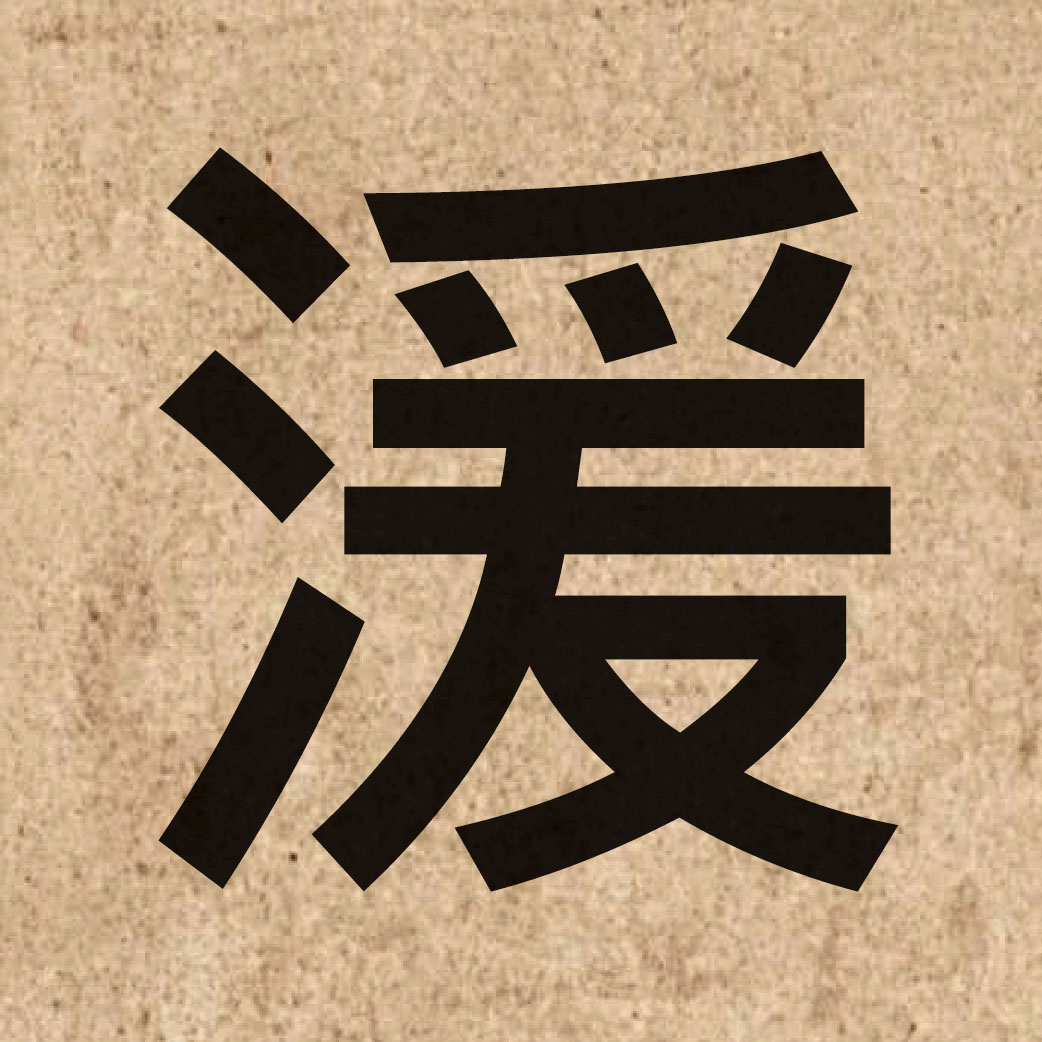
湲: Describing nature or water, rare Chinese characters that may only be found in ancient documents (more than 7,000 characters in total)
The Chinese character【湲】is a word that describes nature or water, and is mainly used for the following meanings: Water is flowing or calm. Explanation: The…
View More 湲: Describing nature or water, rare Chinese characters that may only be found in ancient documents (more than 7,000 characters in total)
賅: Describes a state or characteristic, and may only be found in ancient Chinese texts (a simplified version of a dictionary)
The Chinese word【賅】that we will introduce this time is a word that describes a state or characteristic. It is mainly used for the following meanings:…
View More 賅: Describes a state or characteristic, and may only be found in ancient Chinese texts (a simplified version of a dictionary)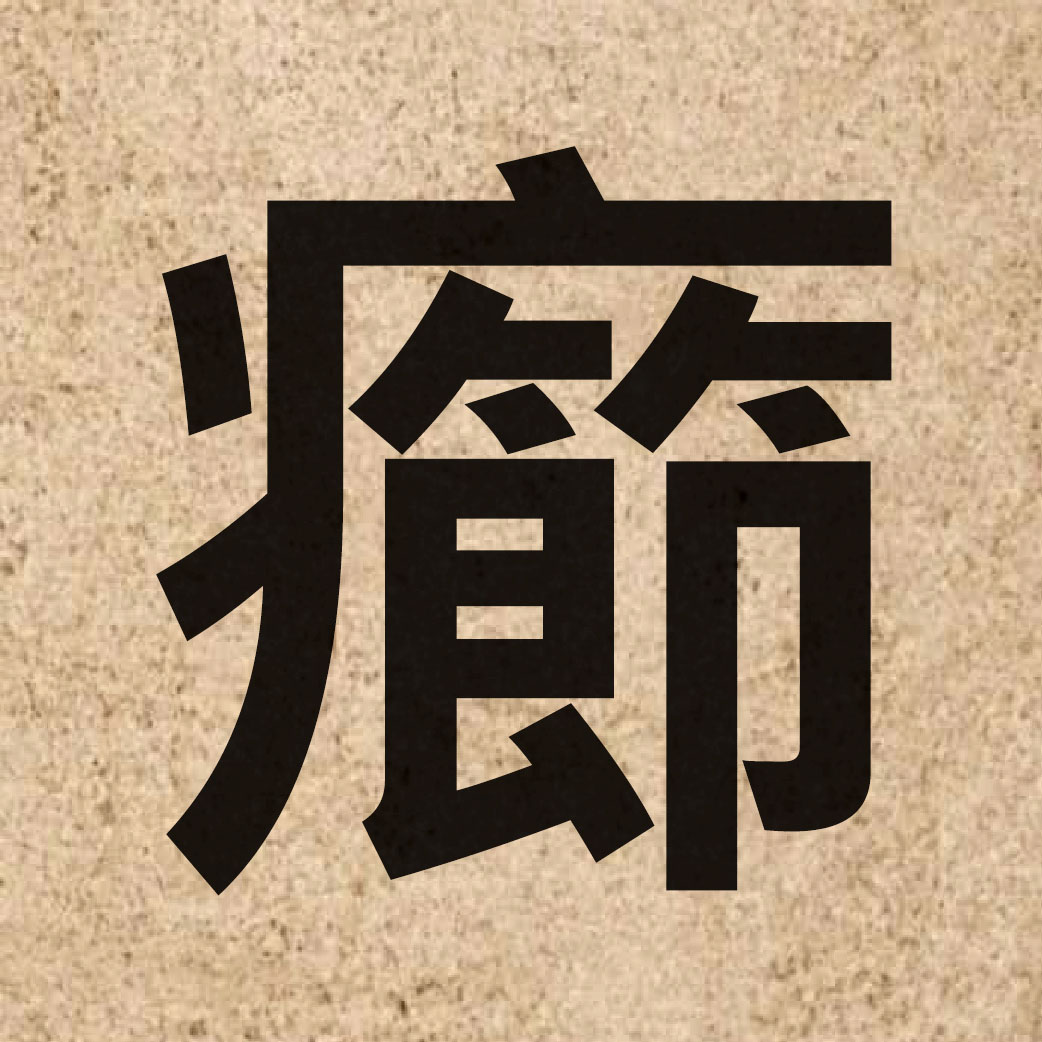
癤: Describing health or status, rare Chinese characters that may only be found in ancient documents (with Cantonese and Mandarin pronunciation)
The Chinese character【癤】that we will explain today is a word that describes health or status. It is mainly used for the following meanings: Furuncles or…
View More 癤: Describing health or status, rare Chinese characters that may only be found in ancient documents (with Cantonese and Mandarin pronunciation)
哞: Describing sounds or animals, rare Chinese characters that may only be found in ancient documents (with Cantonese and Mandarin pronunciation)
The Chinese character【哞】that I will teach you this time is a word that describes a sound or an animal. It is mainly used for the…
View More 哞: Describing sounds or animals, rare Chinese characters that may only be found in ancient documents (with Cantonese and Mandarin pronunciation)
咩: Describing sounds or animals, rare Chinese characters may only be found in ancient documents (free learning resources)
The Chinese character【咩】that we will explain today is a word that describes a sound or an animal. It is mainly used for the following meanings:…
View More 咩: Describing sounds or animals, rare Chinese characters may only be found in ancient documents (free learning resources)
喵: Describing sounds or animals, rare Chinese characters may only be found in ancient documents (a simple version of the dictionary)
The Chinese word【喵】that we will introduce this time is a word that describes a sound or an animal. It is mainly used for the following…
View More 喵: Describing sounds or animals, rare Chinese characters may only be found in ancient documents (a simple version of the dictionary)
耜: Describes tools or uses, rare Chinese characters that may only be found in ancient documents (with Cantonese and Mandarin pronunciation)
The Chinese character【耜】is a word that describes tools or uses, and is mainly used for the following meanings: Plowing tools or agriculture. Explanation: A farm…
View More 耜: Describes tools or uses, rare Chinese characters that may only be found in ancient documents (with Cantonese and Mandarin pronunciation)
捩: Describes actions or states, and may only be found in ancient Chinese texts (with Cantonese and Mandarin pronunciation)
The Chinese character【捩】that we will explain today is a word that describes an action or state. It is mainly used for the following meanings: Twist…
View More 捩: Describes actions or states, and may only be found in ancient Chinese texts (with Cantonese and Mandarin pronunciation)