
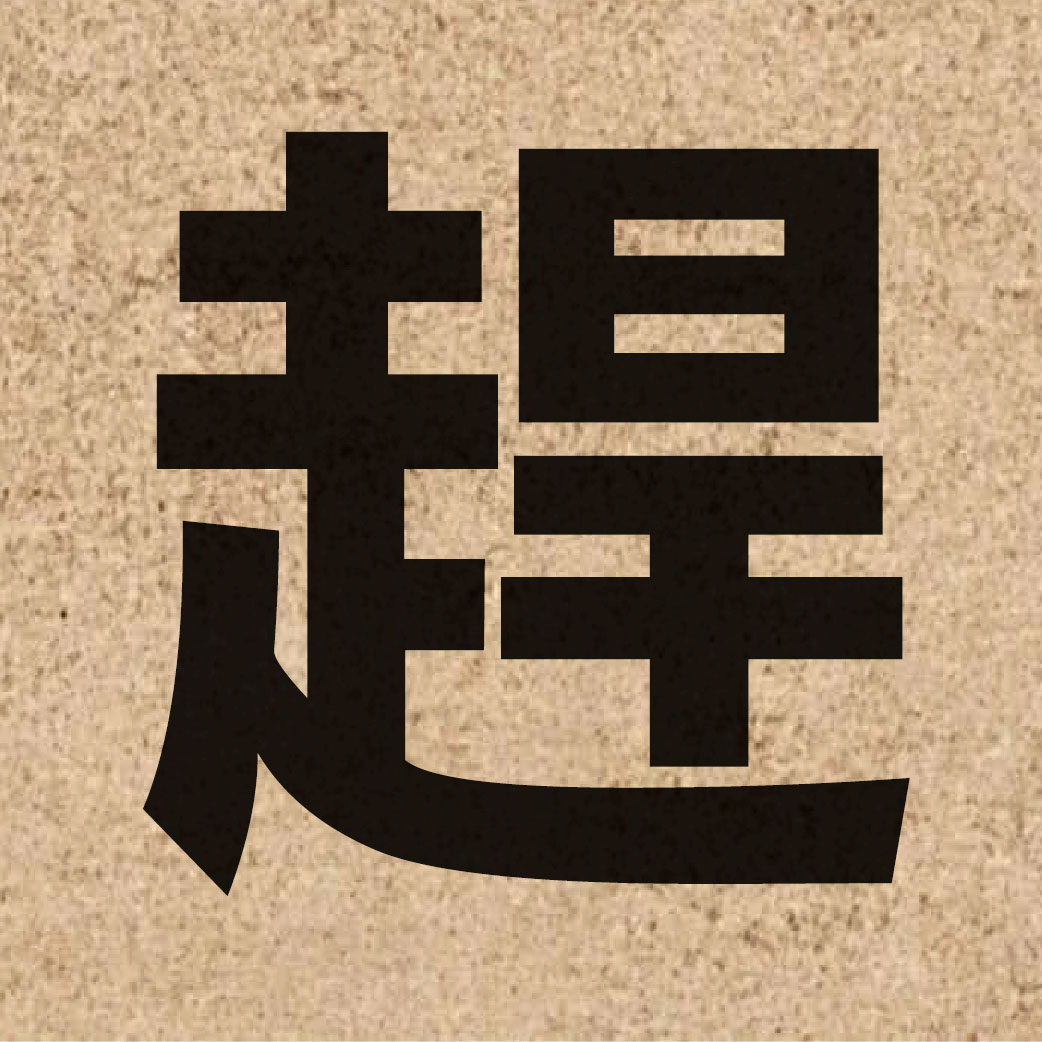
The Chinese word【趕】(rush) that we will introduce this time is a word that describes an action or a state. It is mainly used for the…
View More 趕: Describing actions or states, very commonly used, basic Chinese characters that must be learned (more than 7,000 characters in total)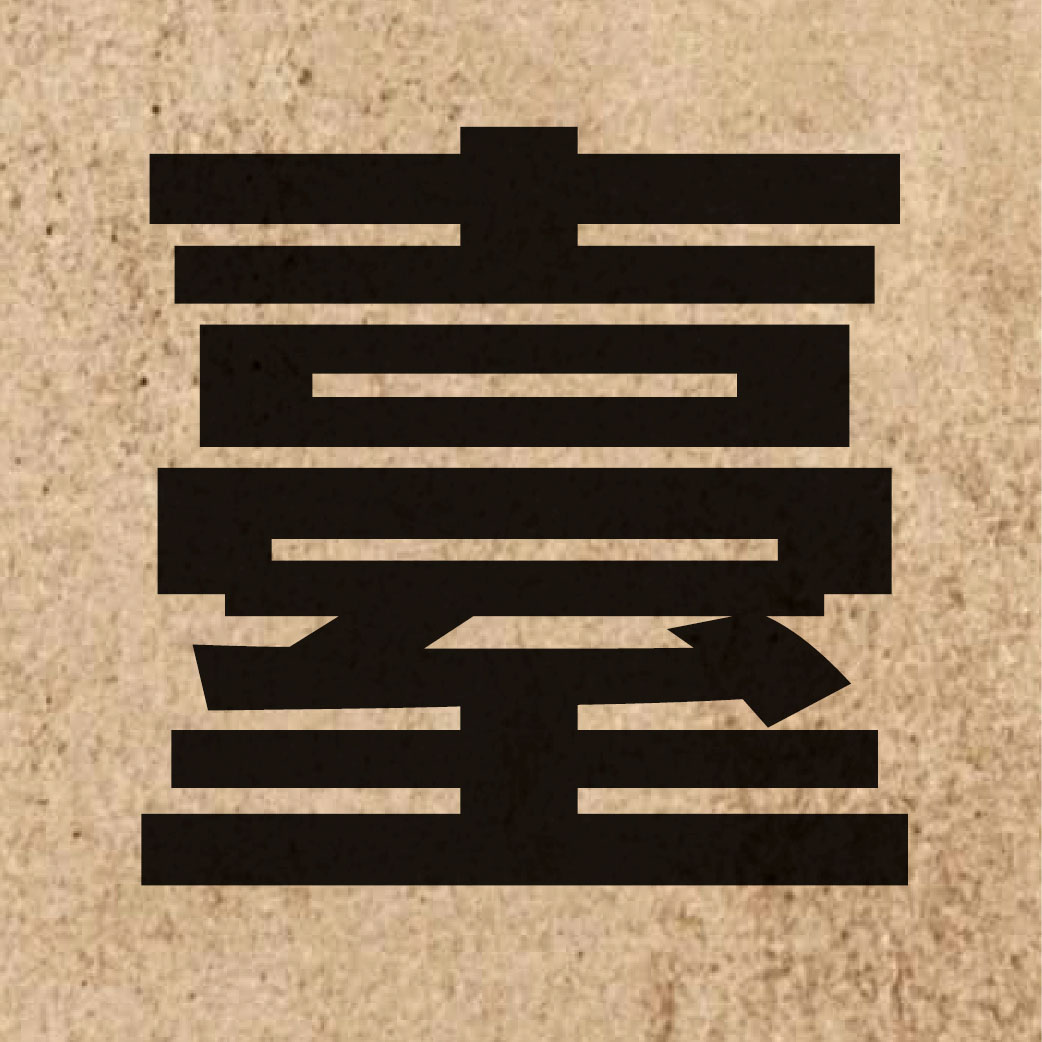
臺: Describing architecture or culture, the Chinese characters you need to learn if you want to become a near-native Chinese speaker (with Cantonese and Mandarin pronunciation)
The Chinese word【臺】that we will introduce this time is a word that describes architecture or culture. It is mainly used for the following meanings: Platform…
View More 臺: Describing architecture or culture, the Chinese characters you need to learn if you want to become a near-native Chinese speaker (with Cantonese and Mandarin pronunciation)
滾: Describes actions or states, which are used in daily life. More advanced Chinese characters (simple version of the dictionary)
The Chinese word【滾】(roll) that we will introduce this time is a word that describes an action or a state. It is mainly used for the…
View More 滾: Describes actions or states, which are used in daily life. More advanced Chinese characters (simple version of the dictionary)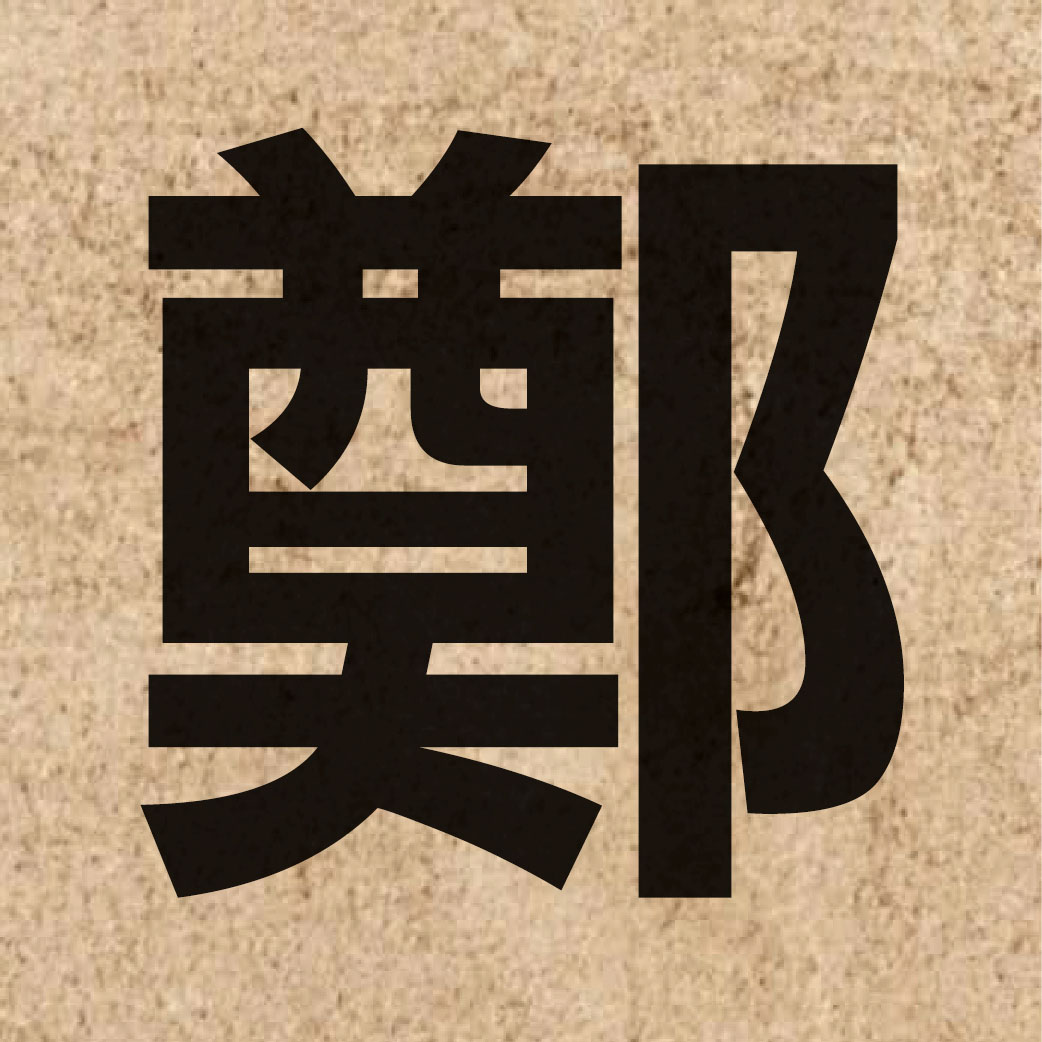
鄭: Describing people or places, you will definitely use them in daily life, more advanced Chinese characters (with Cantonese and Mandarin pronunciation)
The Chinese character【鄭】is used to describe people or places, and is mainly used for the following meanings: Surname or place name. Explanation: (1) Country name.…
View More 鄭: Describing people or places, you will definitely use them in daily life, more advanced Chinese characters (with Cantonese and Mandarin pronunciation)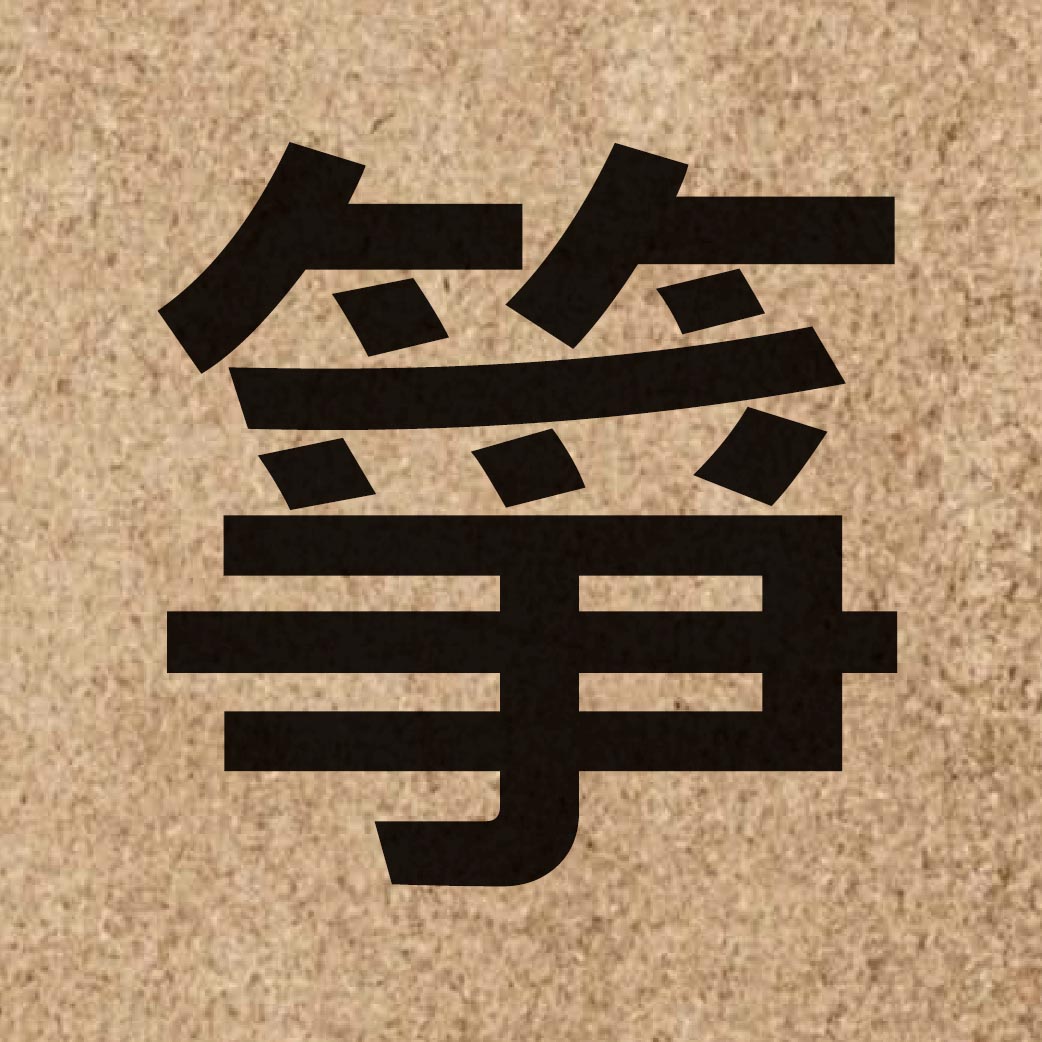
箏: Describe culture or art. Chinese characters that you need to learn if you want to become a near-native Chinese speaker (a simplified version of the dictionary)
The Chinese character【箏】that I will teach you this time is a word that describes culture or art. It is mainly used for the following meanings:…
View More 箏: Describe culture or art. Chinese characters that you need to learn if you want to become a near-native Chinese speaker (a simplified version of the dictionary)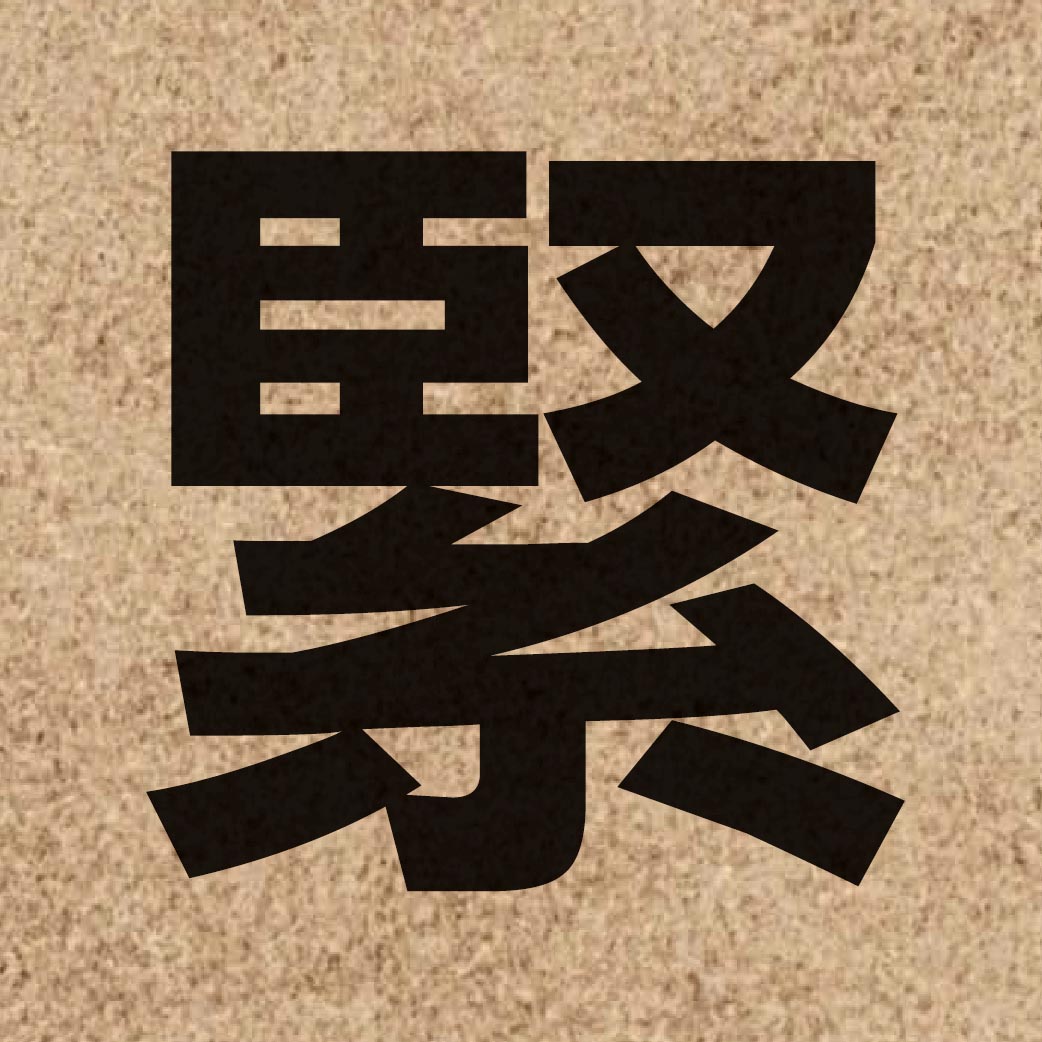
緊: Describing status or feelings, very commonly used, must learn basic Chinese characters (with Cantonese and Mandarin pronunciation)
The Chinese character【緊】that I’m going to teach you this time is a word that describes a state or feeling. It is mainly used for the…
View More 緊: Describing status or feelings, very commonly used, must learn basic Chinese characters (with Cantonese and Mandarin pronunciation)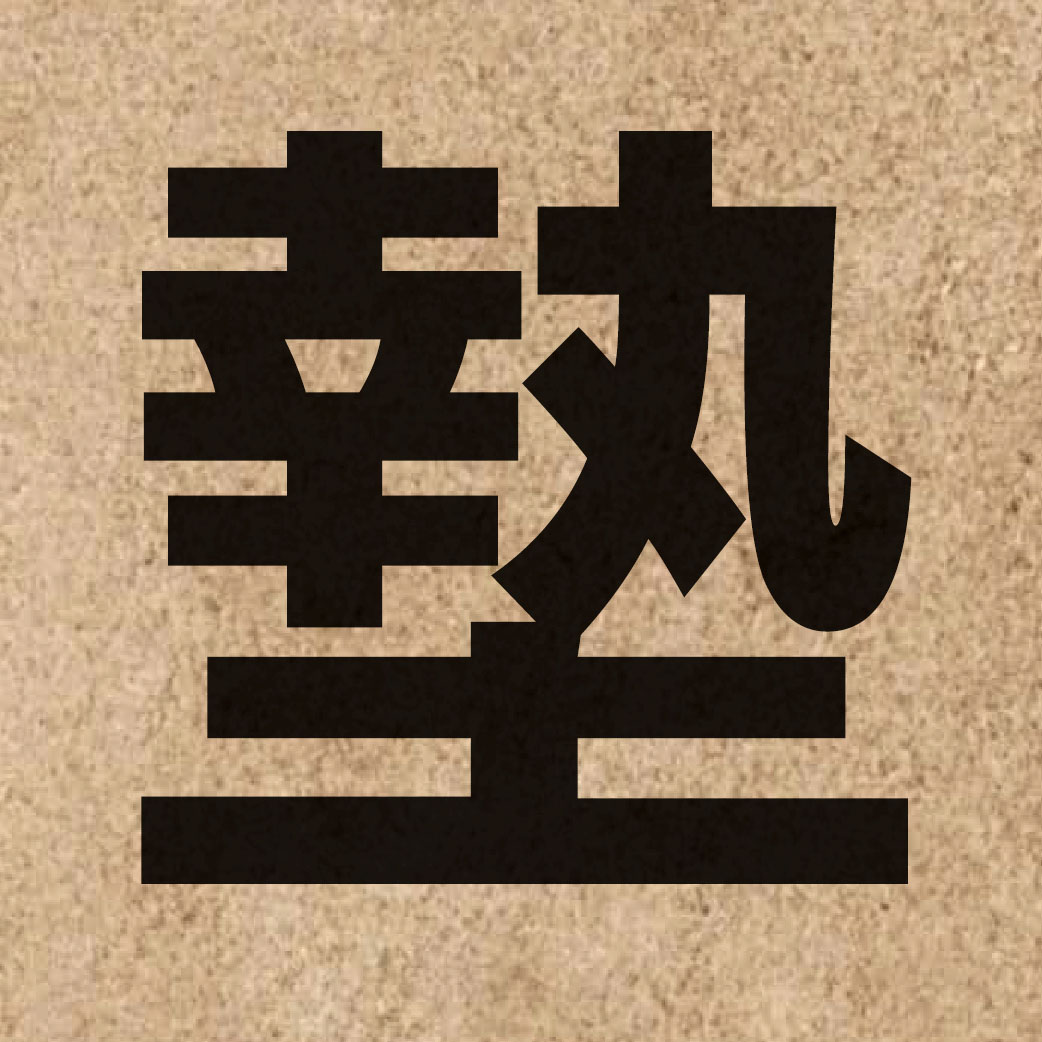
墊: Describe objects or actions, which are used in daily life, more advanced Chinese characters (more than 7,000 characters in total)
The Chinese character【墊】that I will teach you this time is a word that describes an object or an action. It is mainly used for the…
View More 墊: Describe objects or actions, which are used in daily life, more advanced Chinese characters (more than 7,000 characters in total)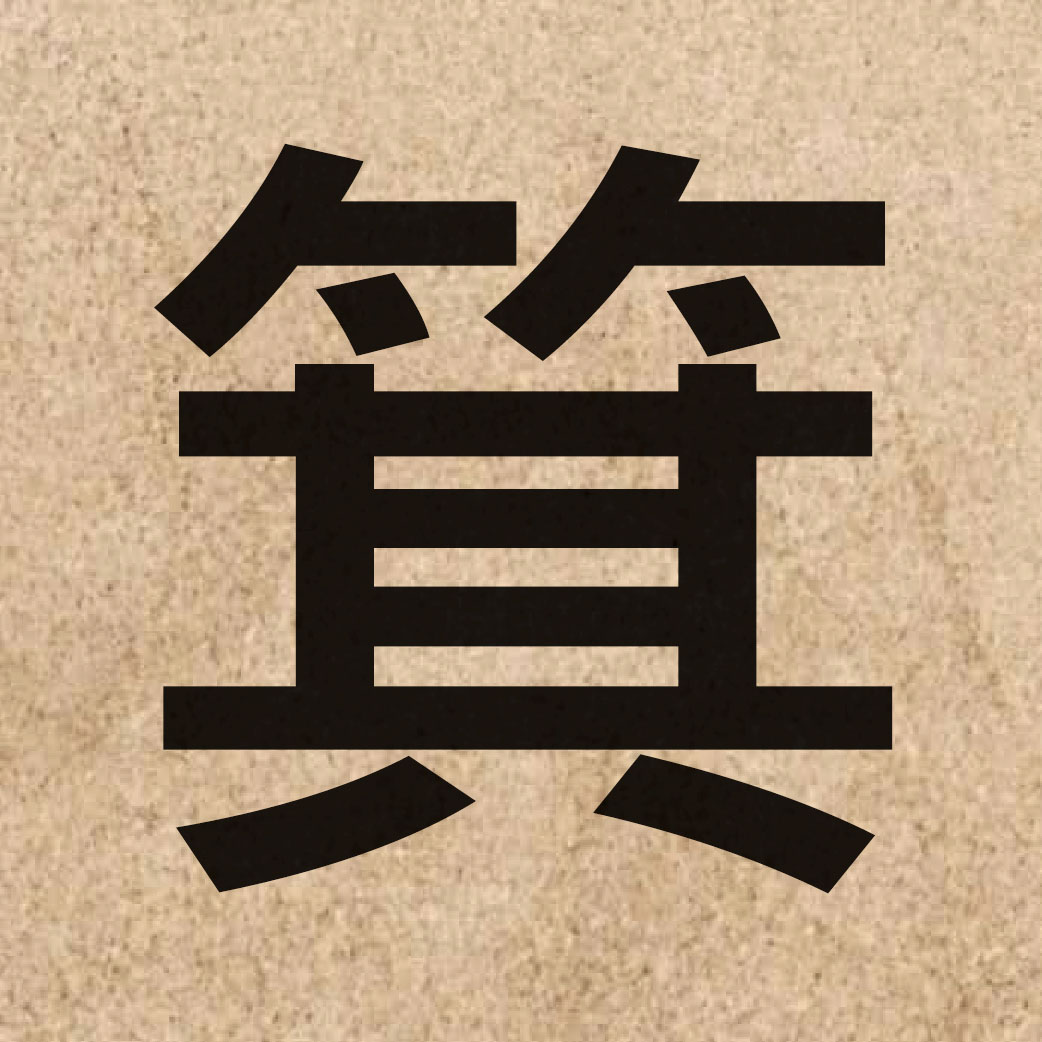
箕: Describing objects or containers, Chinese characters that you need to learn if you want to become a near-native Chinese speaker (free learning resources)
The Chinese character【箕】that we will explain today is a word that describes an object or container. It is mainly used for the following meanings: A…
View More 箕: Describing objects or containers, Chinese characters that you need to learn if you want to become a near-native Chinese speaker (free learning resources)
摘: Describing actions or goals, you will definitely use them in your daily life, more advanced Chinese characters (free learning resources)
The Chinese character【摘】is a word that describes an action or a goal, and is mainly used for the following meanings: Pick or select. Explanation: (1)…
View More 摘: Describing actions or goals, you will definitely use them in your daily life, more advanced Chinese characters (free learning resources)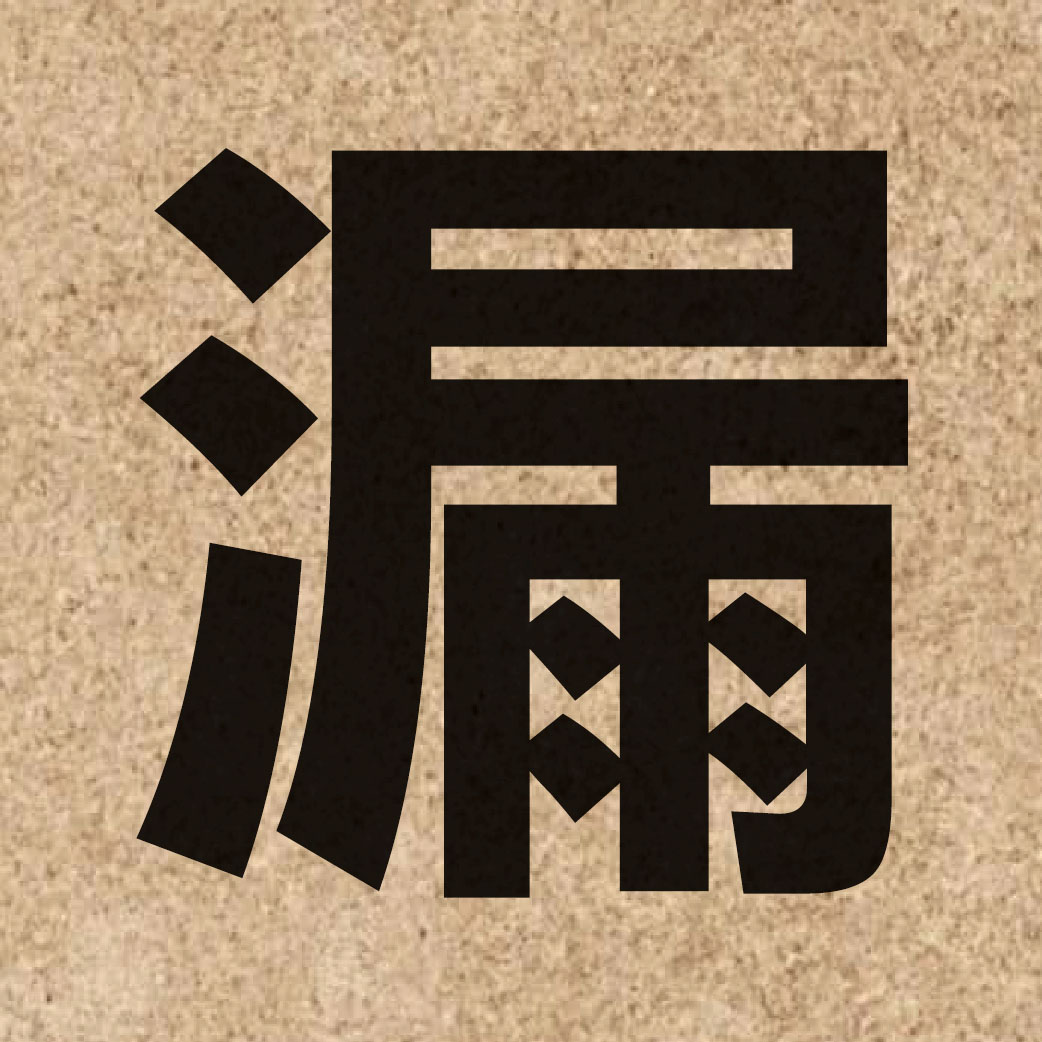
漏: Describes actions or states, which are commonly used in daily life. Advanced Chinese characters (with Cantonese and Mandarin pronunciation)
The Chinese character【漏】that we will explain today is a word that describes an action or a state. It is mainly used for the following meanings:…
View More 漏: Describes actions or states, which are commonly used in daily life. Advanced Chinese characters (with Cantonese and Mandarin pronunciation)