

The Chinese character【弊】that I will teach you this time is a word that describes a state or a problem. It is mainly used for the…
View More 弊: Describe a situation or a problem. Once you learn it, you can further master the various Chinese characters for expression (more than 7,000 characters in total)
緒: Describing emotions or states, these are relatively advanced Chinese words that you will definitely use in your daily life (with basic explanations)
The Chinese character【緒】that we will explain today is a word that describes emotion or state. It is mainly used for the following meanings: Emotion or…
View More 緒: Describing emotions or states, these are relatively advanced Chinese words that you will definitely use in your daily life (with basic explanations)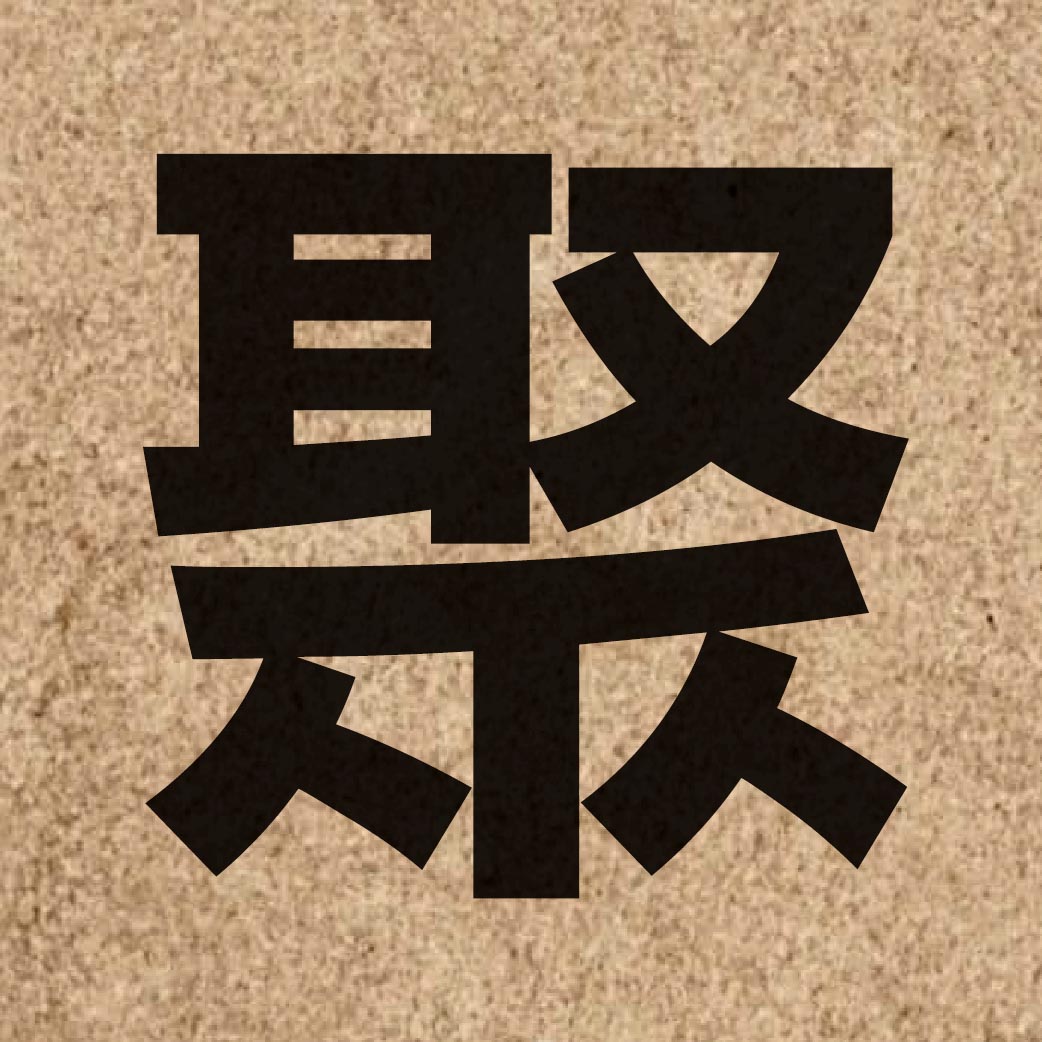
聚: Describes actions or processes, very commonly used, must learn basic Chinese characters (simplified version of the dictionary)
The Chinese character【聚】is a word that describes an action or process, and is mainly used for the following meanings: To gather or assemble. Explanation: (1)…
View More 聚: Describes actions or processes, very commonly used, must learn basic Chinese characters (simplified version of the dictionary)
團: Describing groups or shapes, very commonly used, basic Chinese characters that must be learned (with basic explanations)
The Chinese character【團】that we will talk about today is a character that describes a group or shape. It is mainly used for the following meanings:…
View More 團: Describing groups or shapes, very commonly used, basic Chinese characters that must be learned (with basic explanations)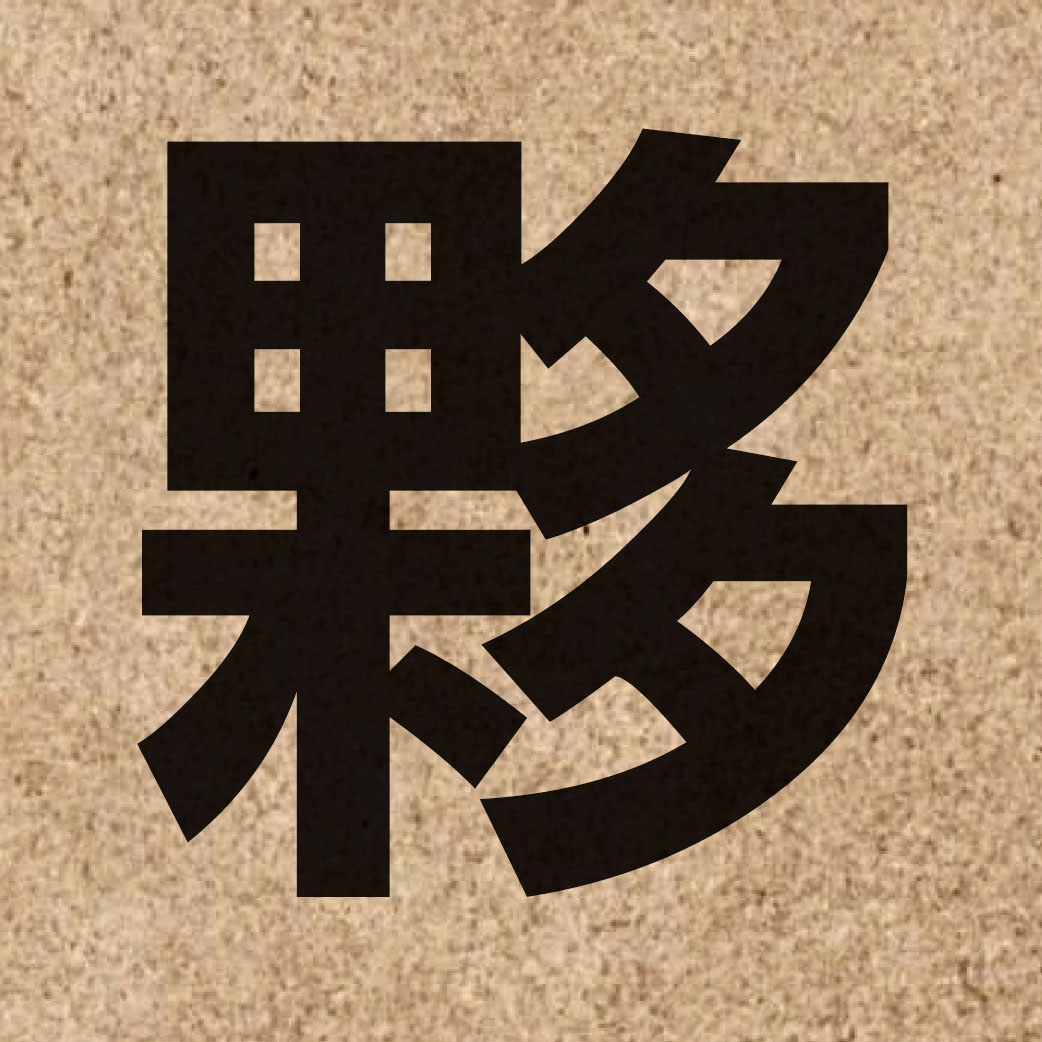
夥: Describing relationships or teams, the Chinese characters you need to learn if you want to become a near-native Chinese speaker (more than 7,000 characters in total)
The Chinese character【夥】that we will explain today is a word that describes a relationship or a team. It is mainly used for the following meanings:…
View More 夥: Describing relationships or teams, the Chinese characters you need to learn if you want to become a near-native Chinese speaker (more than 7,000 characters in total)
複: Describing status or action, very commonly used, must learn basic Chinese characters (with Cantonese and Mandarin pronunciation)
The Chinese word【複】that we will introduce this time is a word that describes a state or action. It is mainly used for the following meanings:…
View More 複: Describing status or action, very commonly used, must learn basic Chinese characters (with Cantonese and Mandarin pronunciation)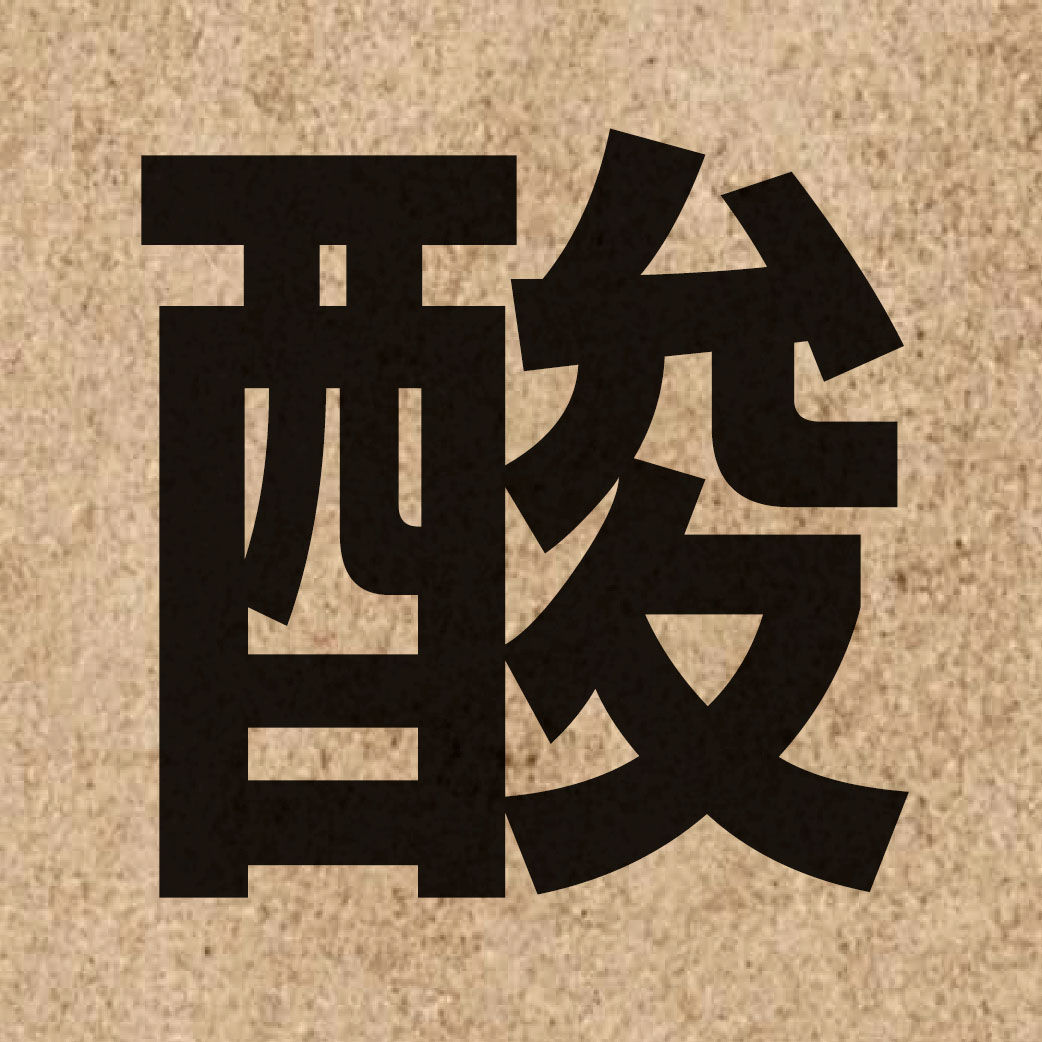
酸: Describing taste or emotion, very commonly used, basic Chinese characters that must be learned (with basic explanations)
The Chinese word【酸】(sour) that we will introduce this time is a word that describes taste or emotion. It is mainly used for the following meanings:…
View More 酸: Describing taste or emotion, very commonly used, basic Chinese characters that must be learned (with basic explanations)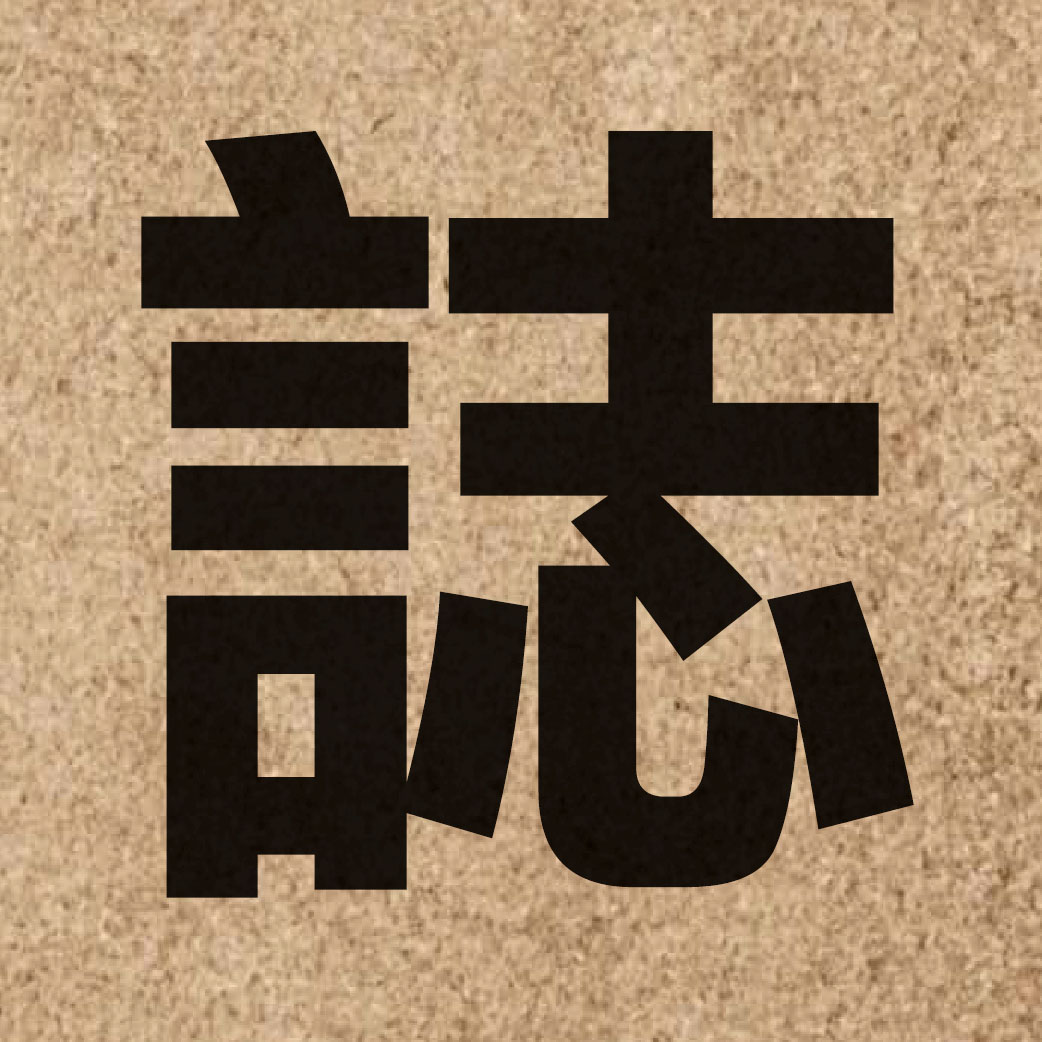
誌: Describe literature or goals, which are definitely used in daily life, more advanced Chinese characters (with Cantonese and Mandarin pronunciation)
The Chinese character【誌】that we will explain today is a word that describes literature or goals. It is mainly used for the following meanings: Records, ambitions.…
View More 誌: Describe literature or goals, which are definitely used in daily life, more advanced Chinese characters (with Cantonese and Mandarin pronunciation)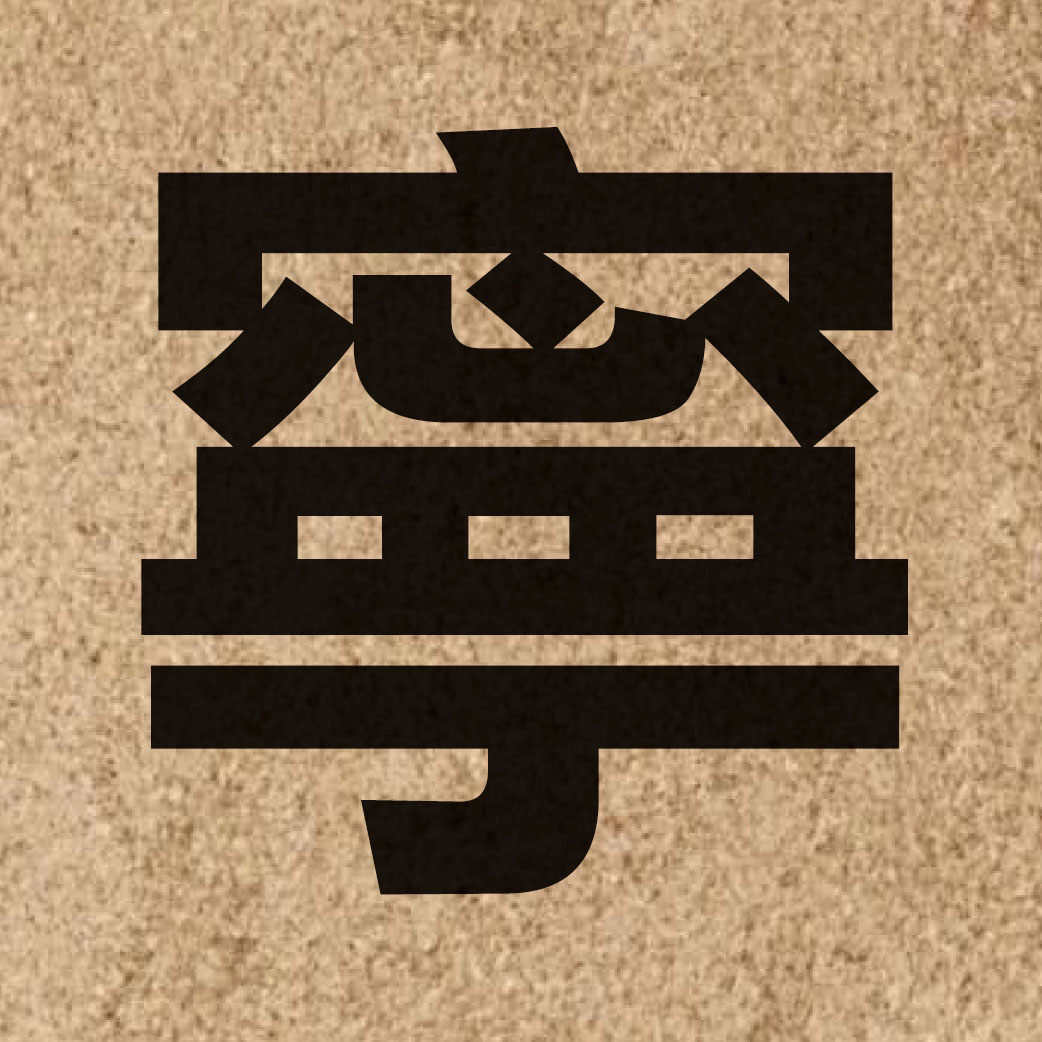
寧: Describing states or emotions, very commonly used, basic Chinese characters that must be learned (with basic explanations)
The Chinese character【寧】that I will teach you this time is a word that describes a state or emotion. It is mainly used for the following…
View More 寧: Describing states or emotions, very commonly used, basic Chinese characters that must be learned (with basic explanations)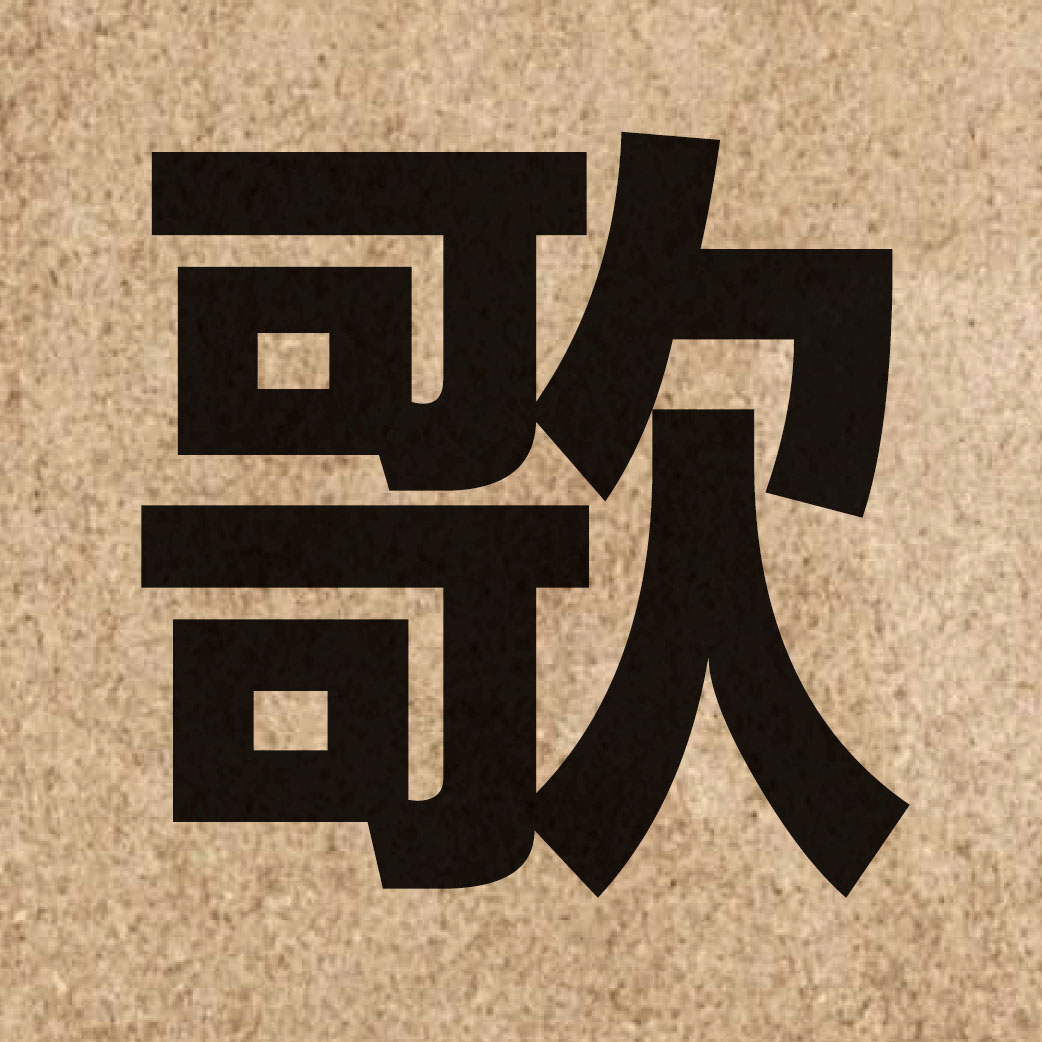
歌: Describing actions or art, very commonly used, must learn basic Chinese characters (with Cantonese and Mandarin pronunciation)
The Chinese word【歌】that we will introduce this time is a word that describes action or art. It is mainly used for the following meanings: Singing,…
View More 歌: Describing actions or art, very commonly used, must learn basic Chinese characters (with Cantonese and Mandarin pronunciation)