

The Chinese character【餮】that we will explain today is a character or mythology word, mainly used for the following meanings: A glutton or ancient beast. Below…
View More 餮: Describing personality or mythology, if you even understand this, you must be a Chinese expert (Simple version of the dictionary)
餼: Describing actions or culture, rare Chinese characters may only be found in ancient documents (with basic explanations)
The Chinese character【餼】is a word that describes actions or culture, and is mainly used for the following meanings: A gift or offering. Here’s the way…
View More 餼: Describing actions or culture, rare Chinese characters may only be found in ancient documents (with basic explanations)
餾: Describe actions or techniques that are used in daily life. Advanced Chinese characters (more than 7,000 characters in total)
The Chinese word【餾】that we will introduce this time is a word that describes an action or technique. It is mainly used for the following meanings:…
View More 餾: Describe actions or techniques that are used in daily life. Advanced Chinese characters (more than 7,000 characters in total)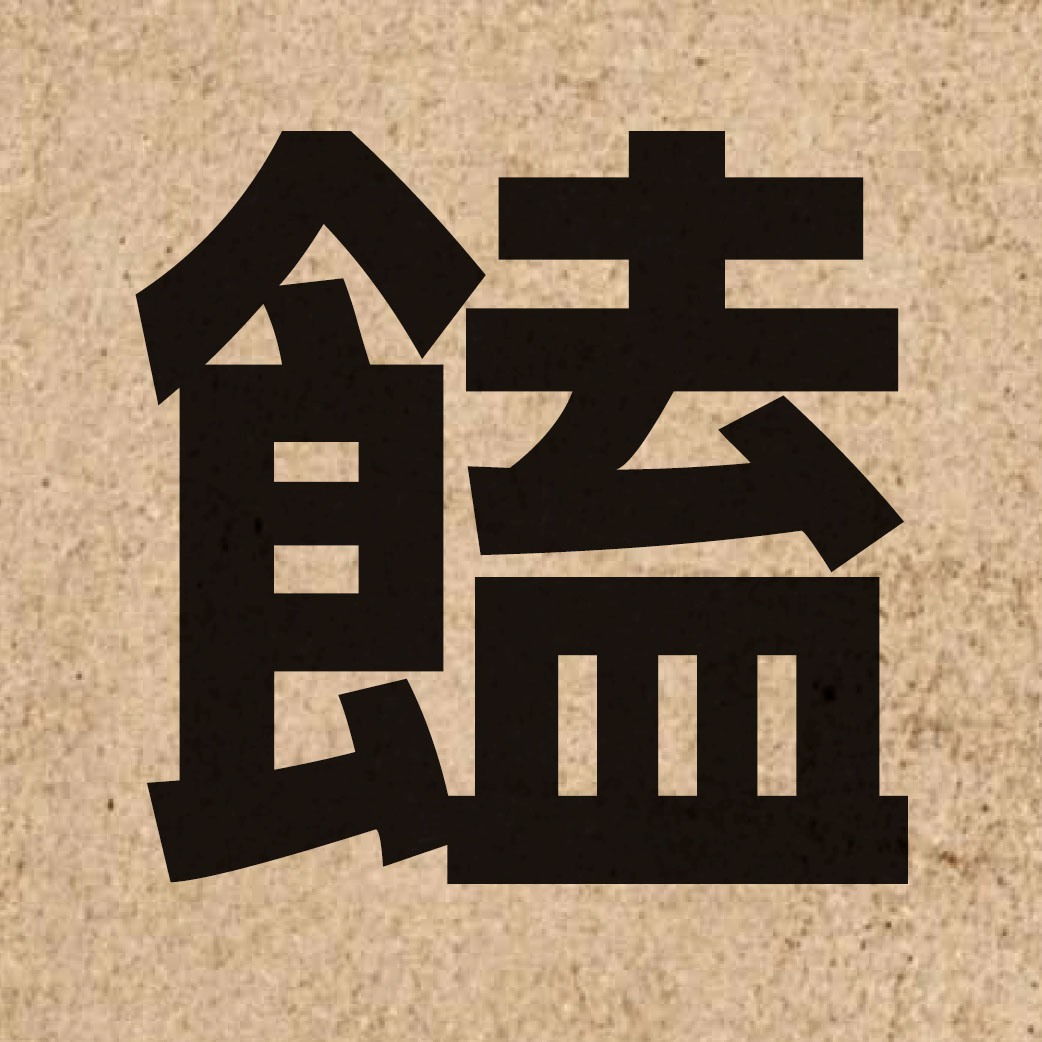
饁: Describe actions or processes. Chinese characters that you need to learn if you want to become a near-native Chinese speaker (free learning resources)
The Chinese character【饁】that we will talk about today is a word that describes an action or process. It is mainly used for the following meanings:…
View More 饁: Describe actions or processes. Chinese characters that you need to learn if you want to become a near-native Chinese speaker (free learning resources)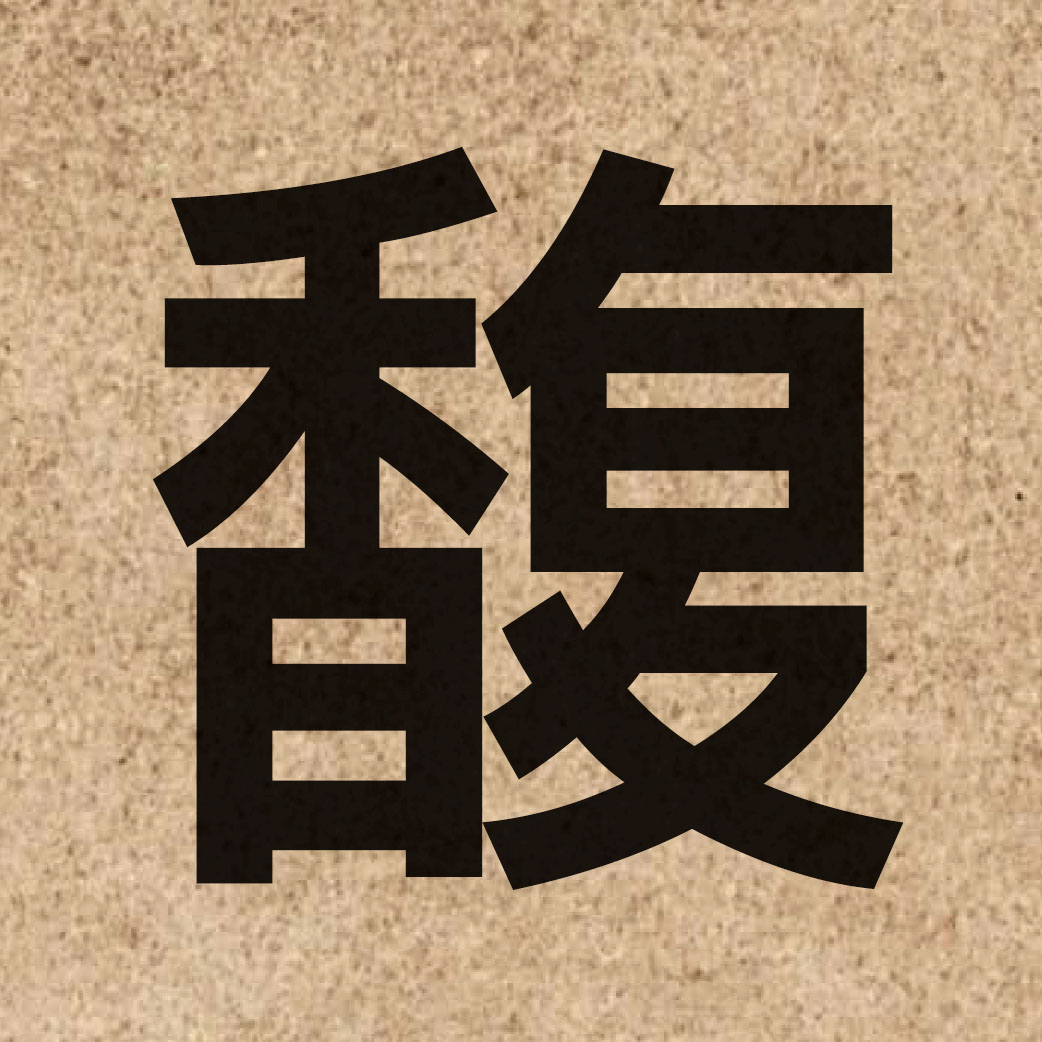
馥: Describing nature orDescribing things, the usage is limited, and you need to learn advanced Chinese characters if you want to challenge yourself (with Cantonese and Mandarin pronunciation)
The Chinese character【馥】that I will teach you this time is a word that describes nature or descriptions. It is mainly used for the following meanings:…
View More 馥: Describing nature orDescribing things, the usage is limited, and you need to learn advanced Chinese characters if you want to challenge yourself (with Cantonese and Mandarin pronunciation)
騄: Describe animals or describe, maybe only in ancient documents can see rare Chinese characters (a total of more than 7000 characters)
The Chinese character【騄】that we will explain today is a word that describes animals or descriptions. It is mainly used for the following meanings: Gorgeous or…
View More 騄: Describe animals or describe, maybe only in ancient documents can see rare Chinese characters (a total of more than 7000 characters)
騅: Describing animals or nature, rare Chinese characters that may only be seen in ancient documents (with Cantonese and Mandarin pronunciation)
The Chinese character【騅】is a word used to describe animals or nature, and is mainly used for the following meanings: Black and white horse. Below, you…
View More 騅: Describing animals or nature, rare Chinese characters that may only be seen in ancient documents (with Cantonese and Mandarin pronunciation)
騏: Describing animals or shapes, generally not used in daily life, high-difficulty Chinese characters with relatively low frequency of use (free learning resources)
The Chinese word【騏】that we will introduce this time is a word that describes an animal or a form, and is mainly used for the following…
View More 騏: Describing animals or shapes, generally not used in daily life, high-difficulty Chinese characters with relatively low frequency of use (free learning resources)
髀: Describing the body or health, which is not usually used in daily life and is a high-difficulty Chinese word with a relatively low frequency of use (with Cantonese and Mandarin pronunciation)
The Chinese word【髀】that we will introduce this time is a word that describes the body or health. It is mainly used for the following meanings:…
View More 髀: Describing the body or health, which is not usually used in daily life and is a high-difficulty Chinese word with a relatively low frequency of use (with Cantonese and Mandarin pronunciation)
髁: Describing anatomy or objects, if you know this, you must be a Chinese expert (free learning resources)
The Chinese character【髁】that I will teach you this time is a word that describes anatomy or objects. It is mainly used for the following meanings:…
View More 髁: Describing anatomy or objects, if you know this, you must be a Chinese expert (free learning resources)