
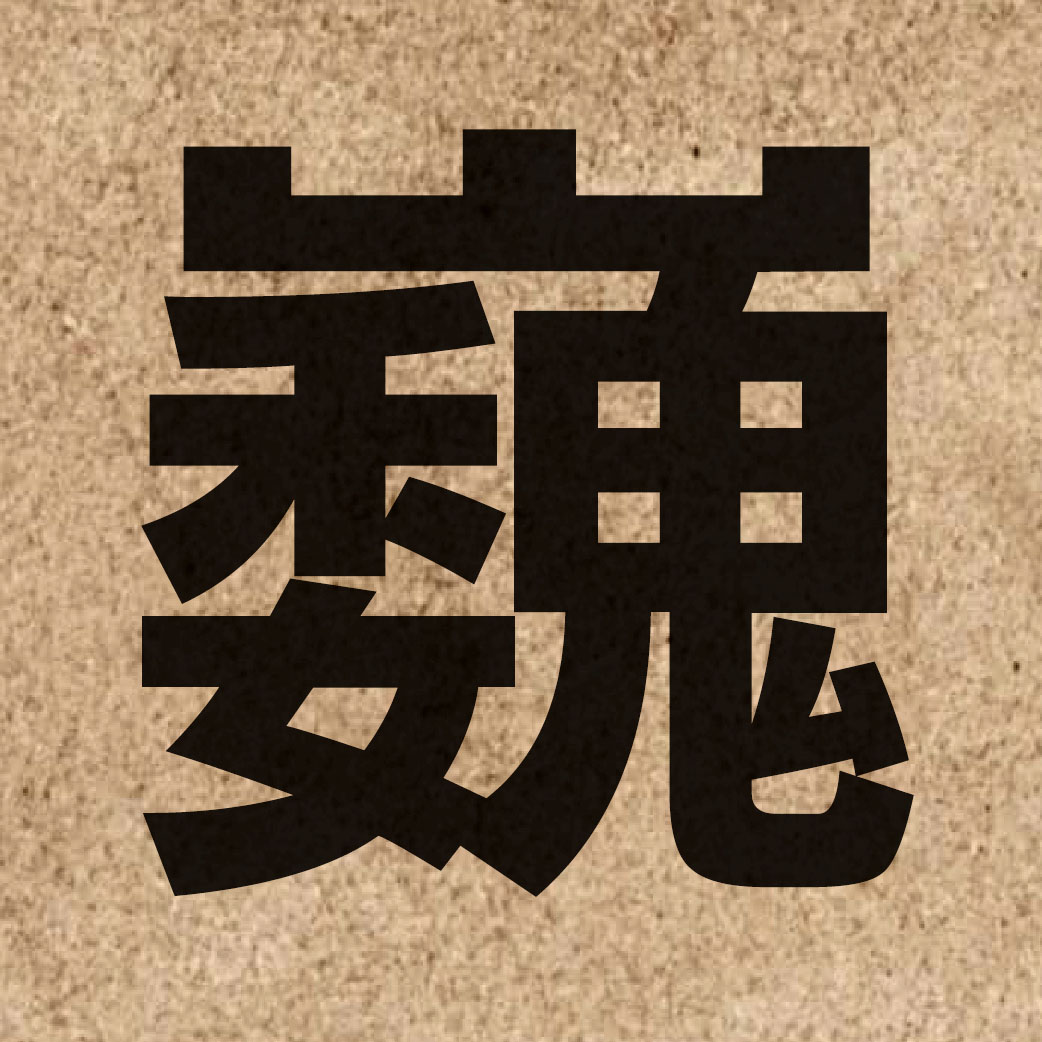
The Chinese character【巍】that we will explain today is a character that describes an image or a building. It is mainly used for the following meanings:…
View More 巍: Describing images or buildings, the Chinese characters you need to learn if you want to become a near-native Chinese speaker (more than 7,000 characters in total)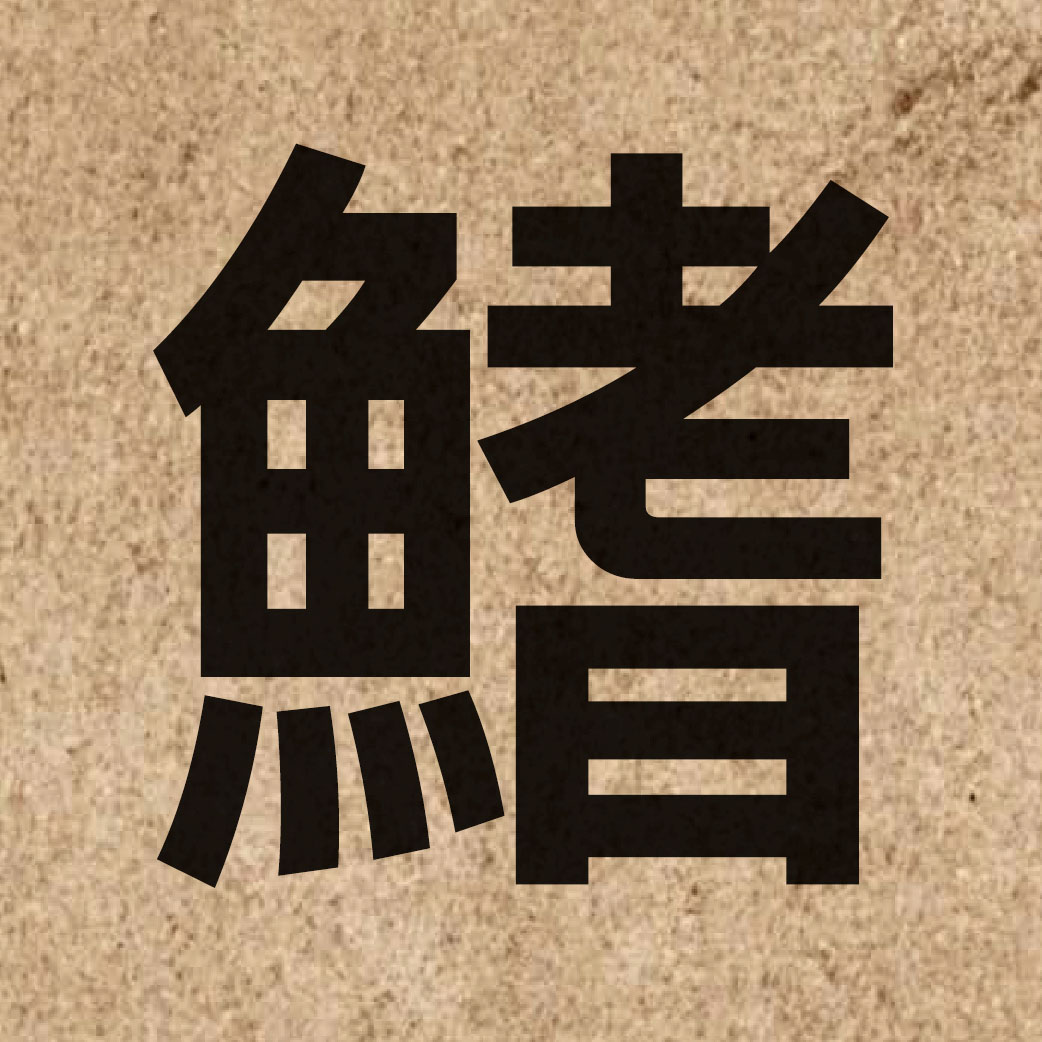
鰭: Describing organisms or structures, Chinese characters that you need to learn if you want to become a near-native Chinese speaker (with basic explanations)
The Chinese character【鰭】that we will explain today is a word that describes an organism or structure. It is mainly used for the following meanings: Fins…
View More 鰭: Describing organisms or structures, Chinese characters that you need to learn if you want to become a near-native Chinese speaker (with basic explanations)
斕: Describing an image or state, which is not usually used in daily life and is a high-difficulty Chinese word with a relatively low frequency of use (a simple version of the dictionary)
The Chinese word【斕】that we will introduce this time is a word that describes an image or state. It is mainly used for the following meanings:…
View More 斕: Describing an image or state, which is not usually used in daily life and is a high-difficulty Chinese word with a relatively low frequency of use (a simple version of the dictionary)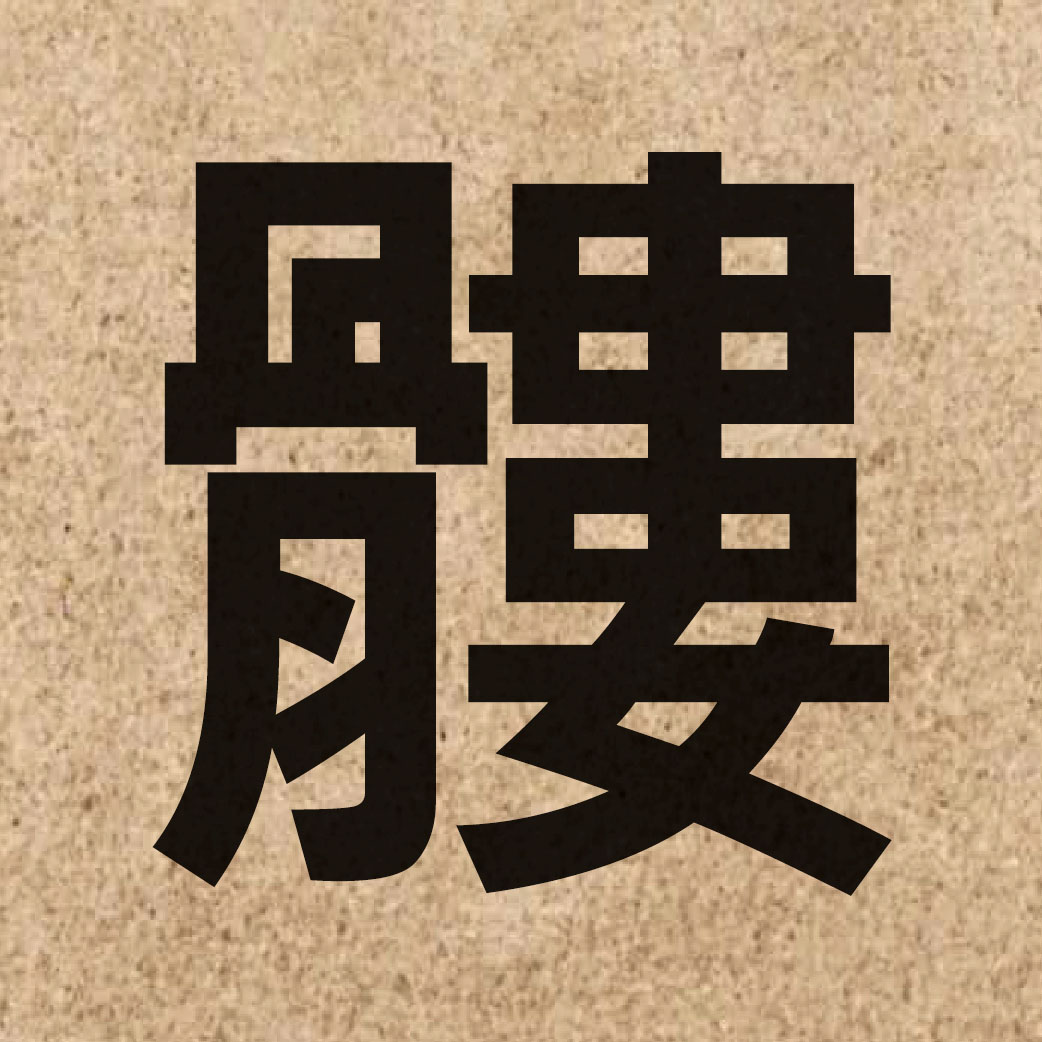
髏: Describing the body or symbol, which is not usually used in daily life and is a high-difficulty Chinese word with a relatively low frequency of use (with Cantonese and Mandarin pronunciation)
The Chinese character【髏】(lü) that we will be discussing today is a character that describes the body or symbol, and is mainly used for the following…
View More 髏: Describing the body or symbol, which is not usually used in daily life and is a high-difficulty Chinese word with a relatively low frequency of use (with Cantonese and Mandarin pronunciation)
囁: Describing tone or action, generally not used in daily life, high-difficulty Chinese characters with relatively low frequency of use (simple version of the dictionary)
The Chinese character【囁】is used to describe tone or action, and is mainly used for the following meanings: Whisper or whisper. Explanation: stammering: having something to…
View More 囁: Describing tone or action, generally not used in daily life, high-difficulty Chinese characters with relatively low frequency of use (simple version of the dictionary)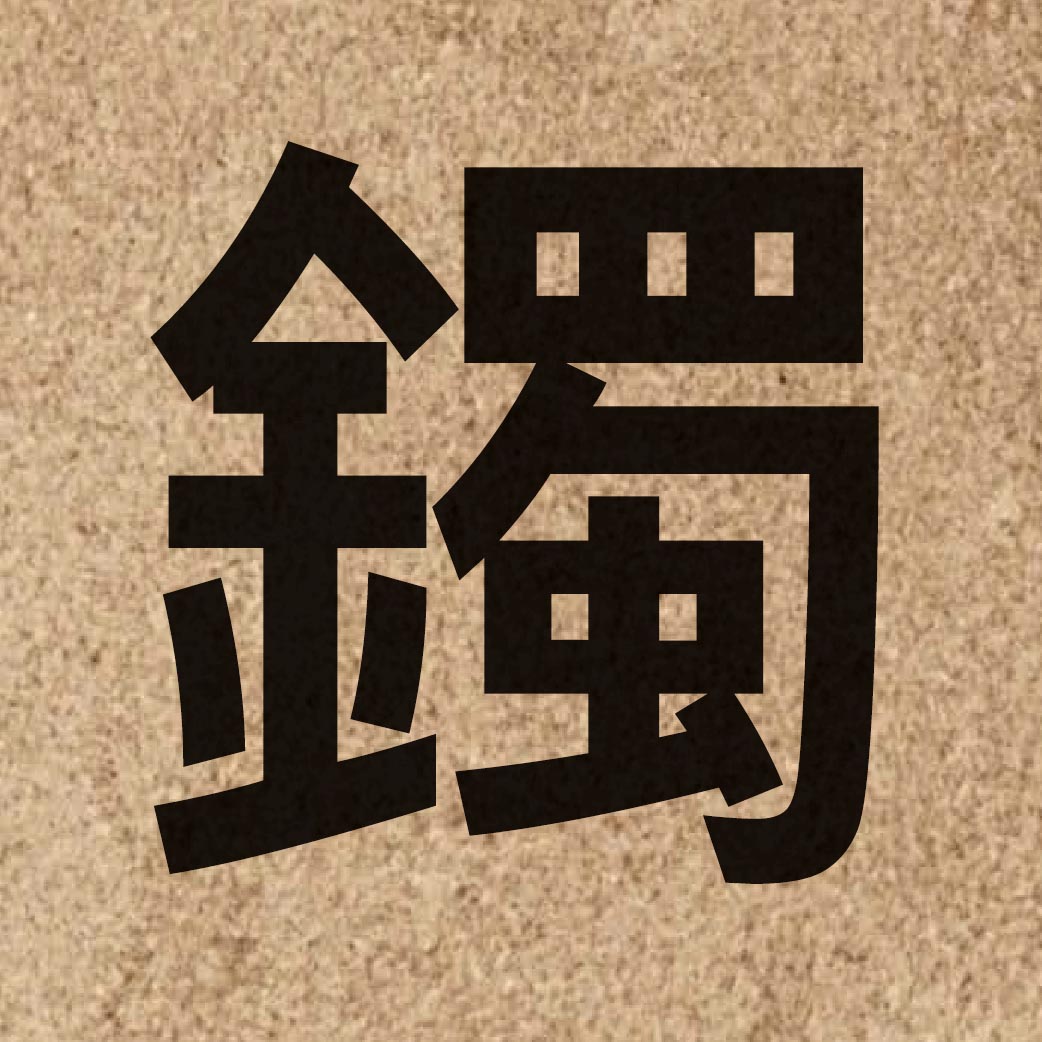
鐲: Describes objects or decorations, with limited usage, advanced Chinese characters that you need to learn if you want to challenge yourself (with basic explanations)
The Chinese character【鐲】that I’m going to teach you this time is used to describe an item or decoration. It is mainly used for the following…
View More 鐲: Describes objects or decorations, with limited usage, advanced Chinese characters that you need to learn if you want to challenge yourself (with basic explanations)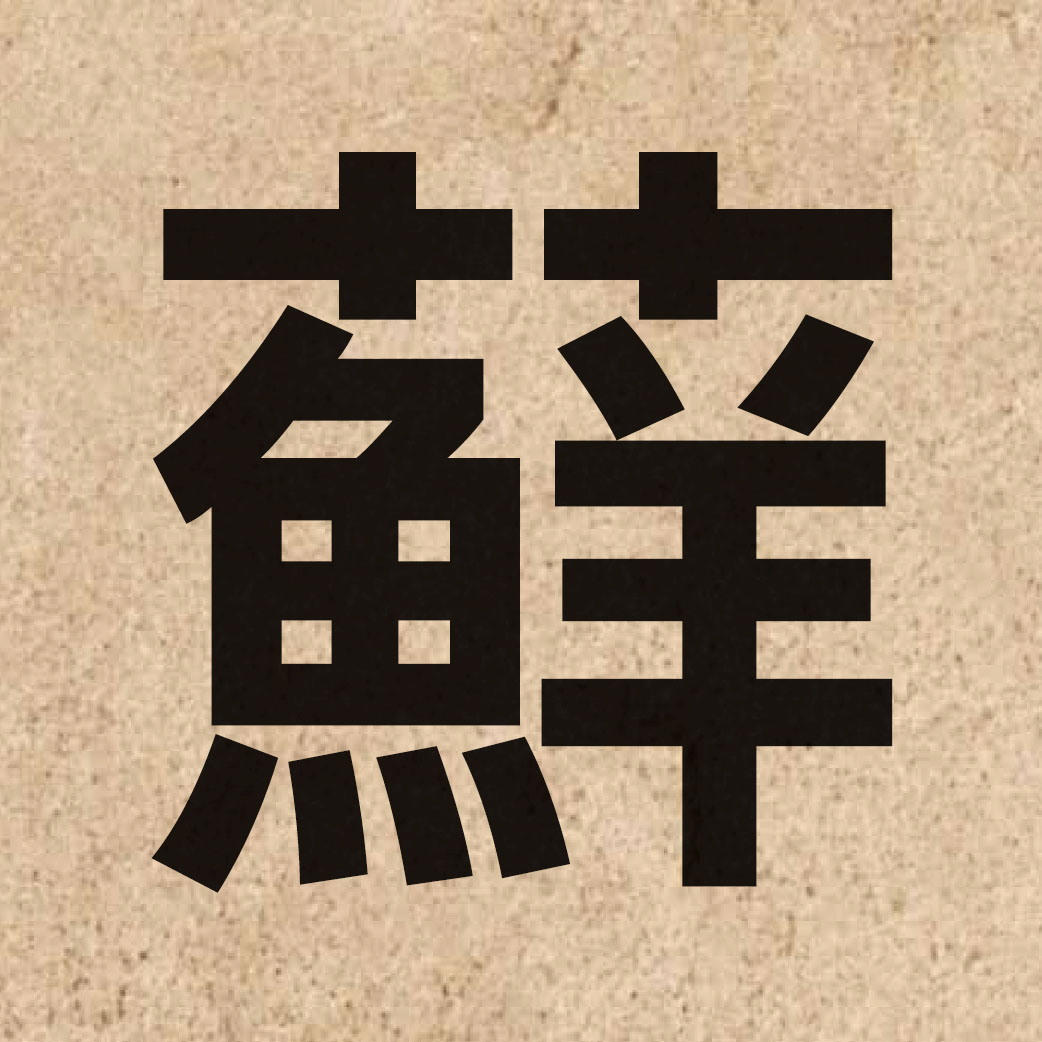
蘚: Describing nature or ecology, which is not usually used in daily life and is a high-difficulty Chinese character with a relatively low frequency of use (free learning resources)
The Chinese character【蘚】that we will explain today is a word that describes nature or ecology. It is mainly used for the following meanings: Moss or…
View More 蘚: Describing nature or ecology, which is not usually used in daily life and is a high-difficulty Chinese character with a relatively low frequency of use (free learning resources)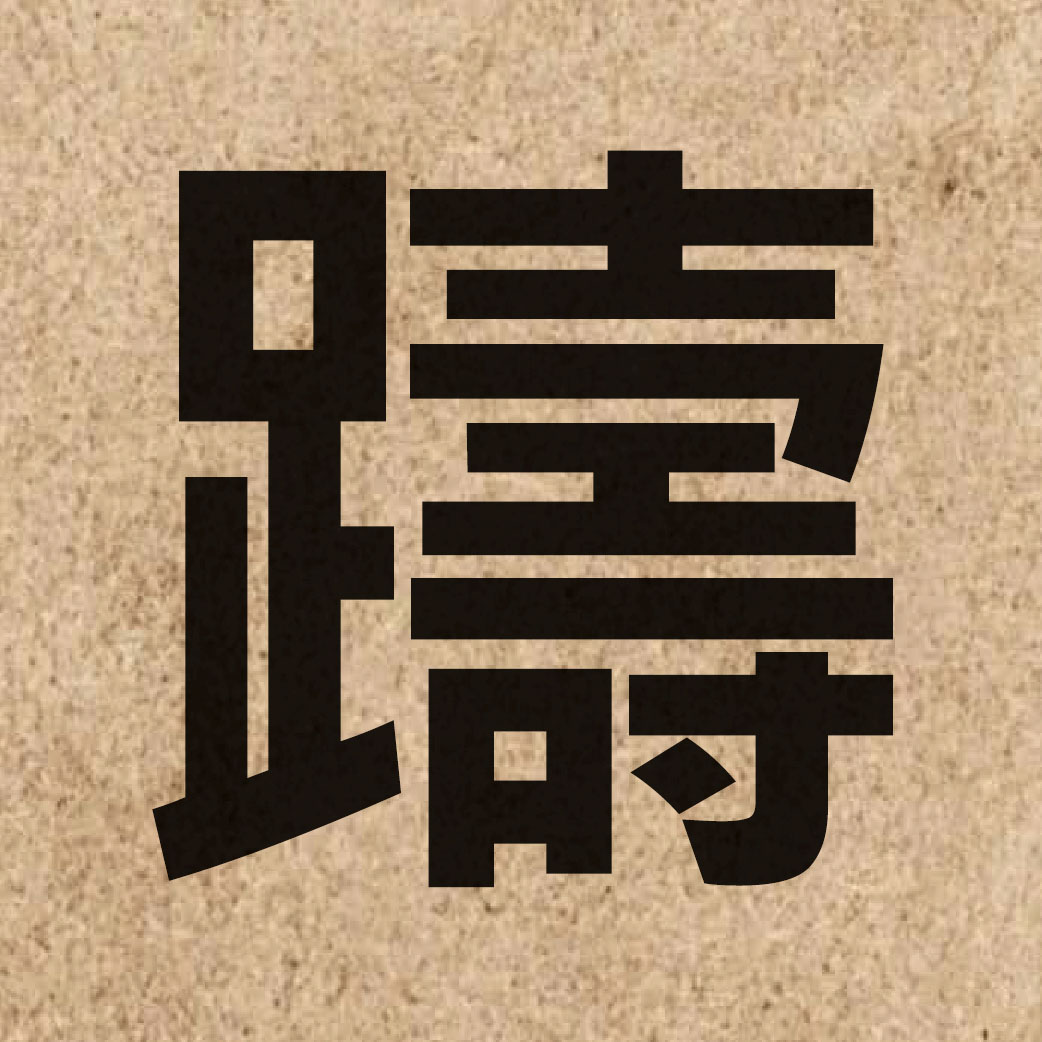
躊: Describing emotions or states, Chinese characters that you need to learn if you want to become a near-native Chinese speaker (free learning resources)
The Chinese word【躊】that we will introduce this time is a word that describes emotion or state, and is mainly used for the following meanings: To…
View More 躊: Describing emotions or states, Chinese characters that you need to learn if you want to become a near-native Chinese speaker (free learning resources)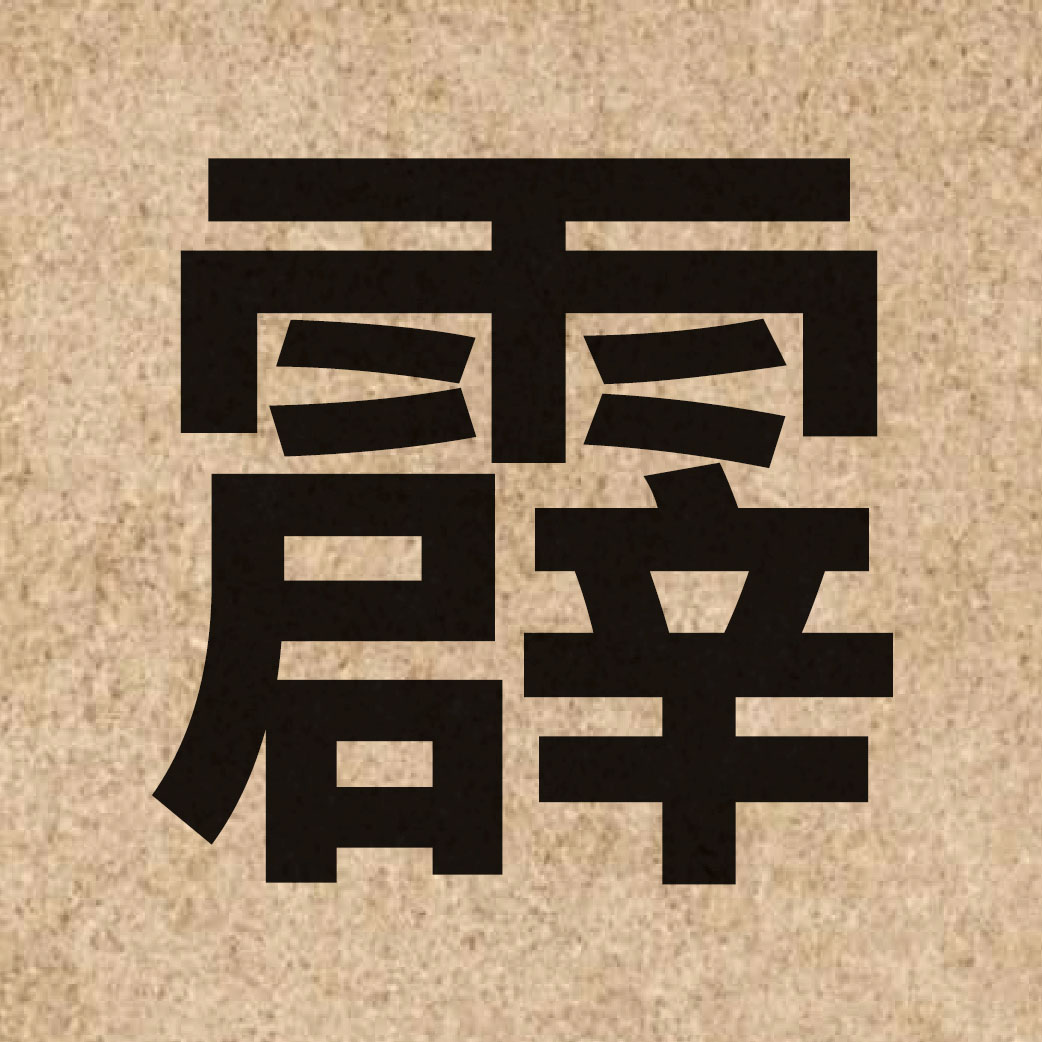
霹: Describing sounds or weather, the usage is limited, and you need to learn advanced Chinese characters if you want to challenge yourself (with basic explanations)
The Chinese character【霹】that we will explain today is a word that describes sound or weather. It is mainly used for the following meanings: Thunderbolt or…
View More 霹: Describing sounds or weather, the usage is limited, and you need to learn advanced Chinese characters if you want to challenge yourself (with basic explanations)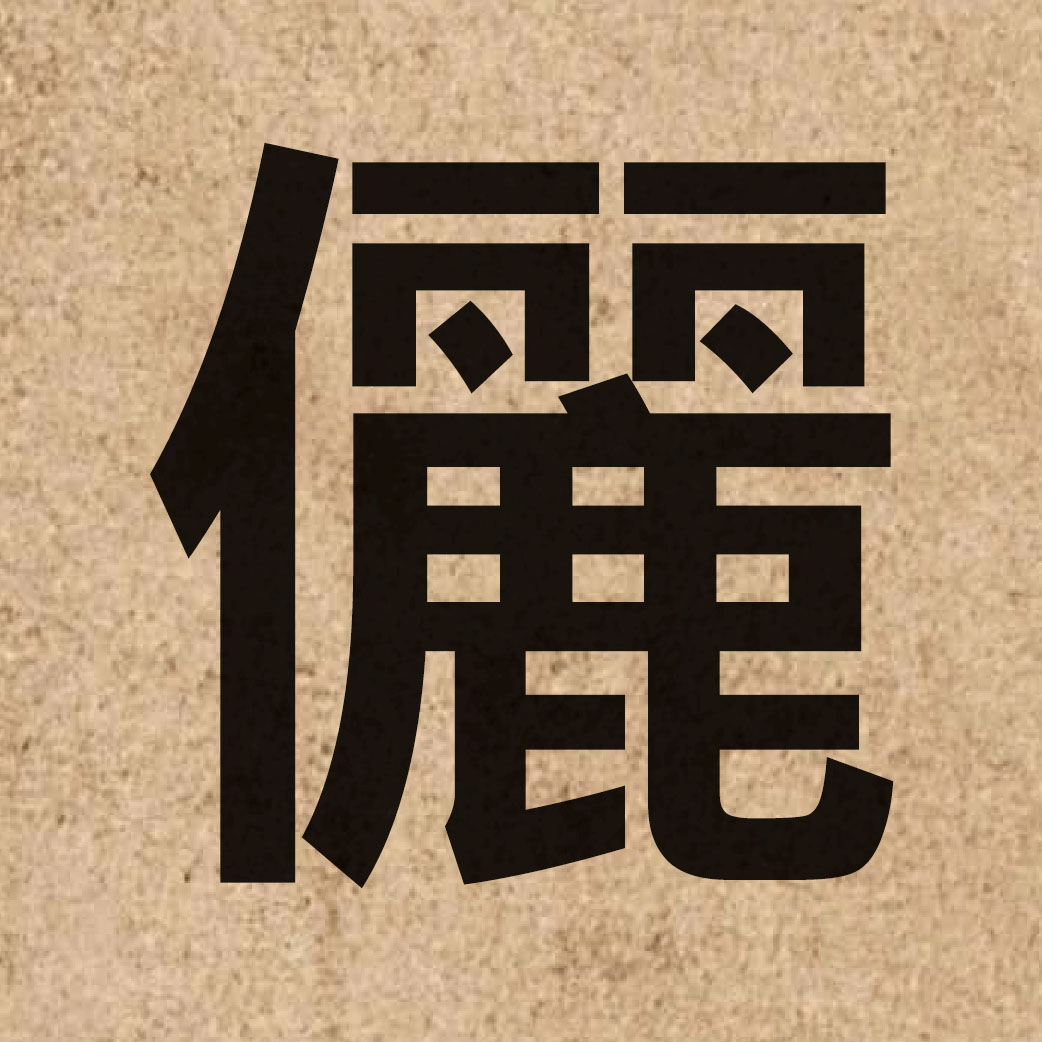
儷: Describes an image or relationship, has limited usage, and is a high-level Chinese character that you need to learn if you want to challenge yourself (free learning resources)
The Chinese character【儷】is a word that describes an image or relationship, and is mainly used for the following meanings: Beautiful or in pairs. This is…
View More 儷: Describes an image or relationship, has limited usage, and is a high-level Chinese character that you need to learn if you want to challenge yourself (free learning resources)