

The Chinese word【弗】that we will introduce this time is a word that describes mood or state, and is mainly used for the following meanings: No…
View More 弗: Describe the mood or state. Once you learn it, you can further master the colorful and diverse Chinese expressions (with Cantonese and Mandarin pronunciation)
必: Describes tone or emphasis, very commonly used, must learn basic Chinese characters (more than 7,000 characters in total)
The Chinese character【必】that I will teach you this time is a word that describes tone or emphasis. It is mainly used for the following meanings:…
View More 必: Describes tone or emphasis, very commonly used, must learn basic Chinese characters (more than 7,000 characters in total)
叵: Describing status or behavior, generally not used in daily life, high-difficulty Chinese characters with relatively low frequency of use (free learning resources)
The Chinese word【叵】that we will introduce this time is a word that describes a state or behavior. It is mainly used for the following meanings:…
View More 叵: Describing status or behavior, generally not used in daily life, high-difficulty Chinese characters with relatively low frequency of use (free learning resources)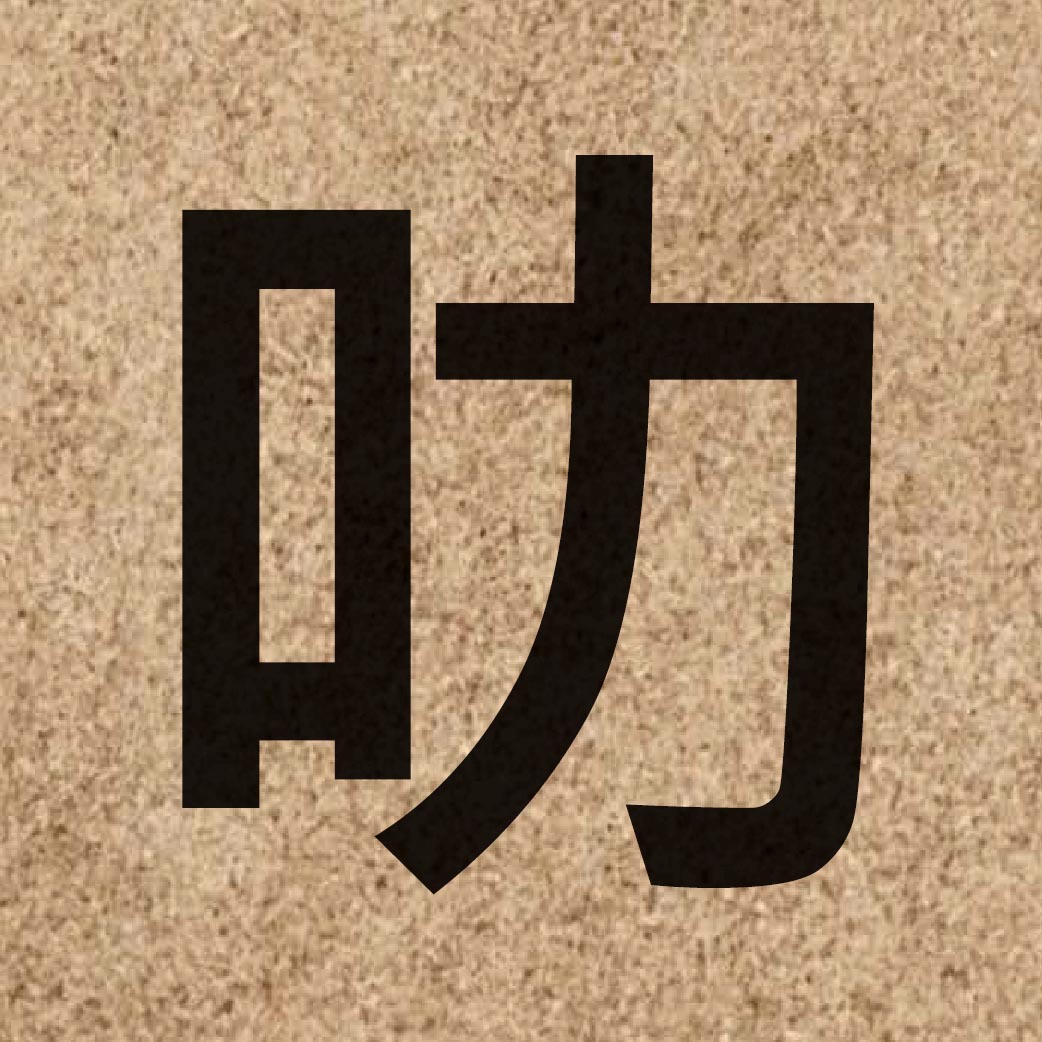
叻: Describing personality or image, generally not used in daily life, high-difficulty Chinese characters with low frequency of use (simple version of the dictionary)
The Chinese character【叻】(descriptive character or image) that I will teach you this time is mainly used for the following meanings: Smart or clever. Here is…
View More 叻: Describing personality or image, generally not used in daily life, high-difficulty Chinese characters with low frequency of use (simple version of the dictionary)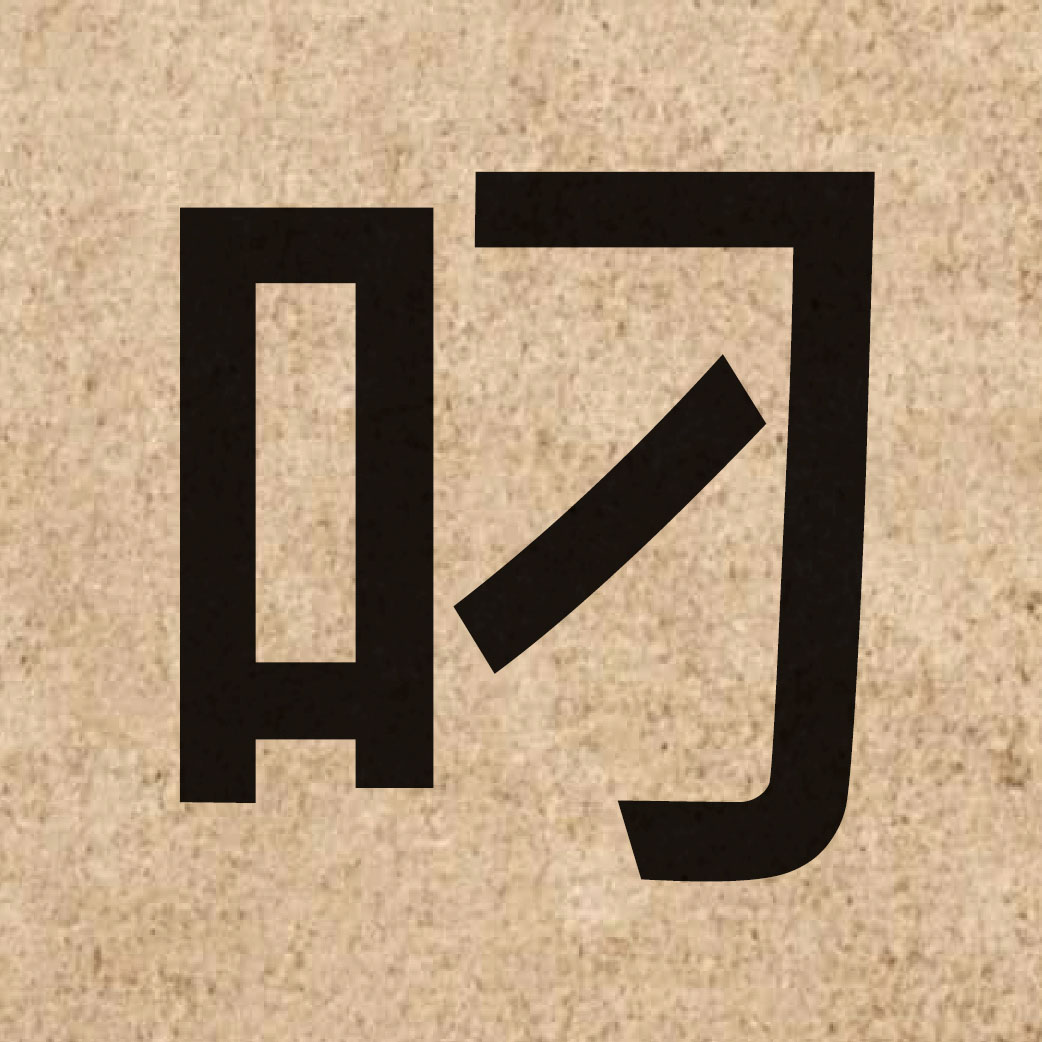
叼: Describes actions or behaviors, with limited usage, advanced Chinese characters that you need to learn if you want to challenge yourself (with basic explanations)
The Chinese character【叼】that we will explain today is a character that describes an action or behavior. It is mainly used for the following meanings: To…
View More 叼: Describes actions or behaviors, with limited usage, advanced Chinese characters that you need to learn if you want to challenge yourself (with basic explanations)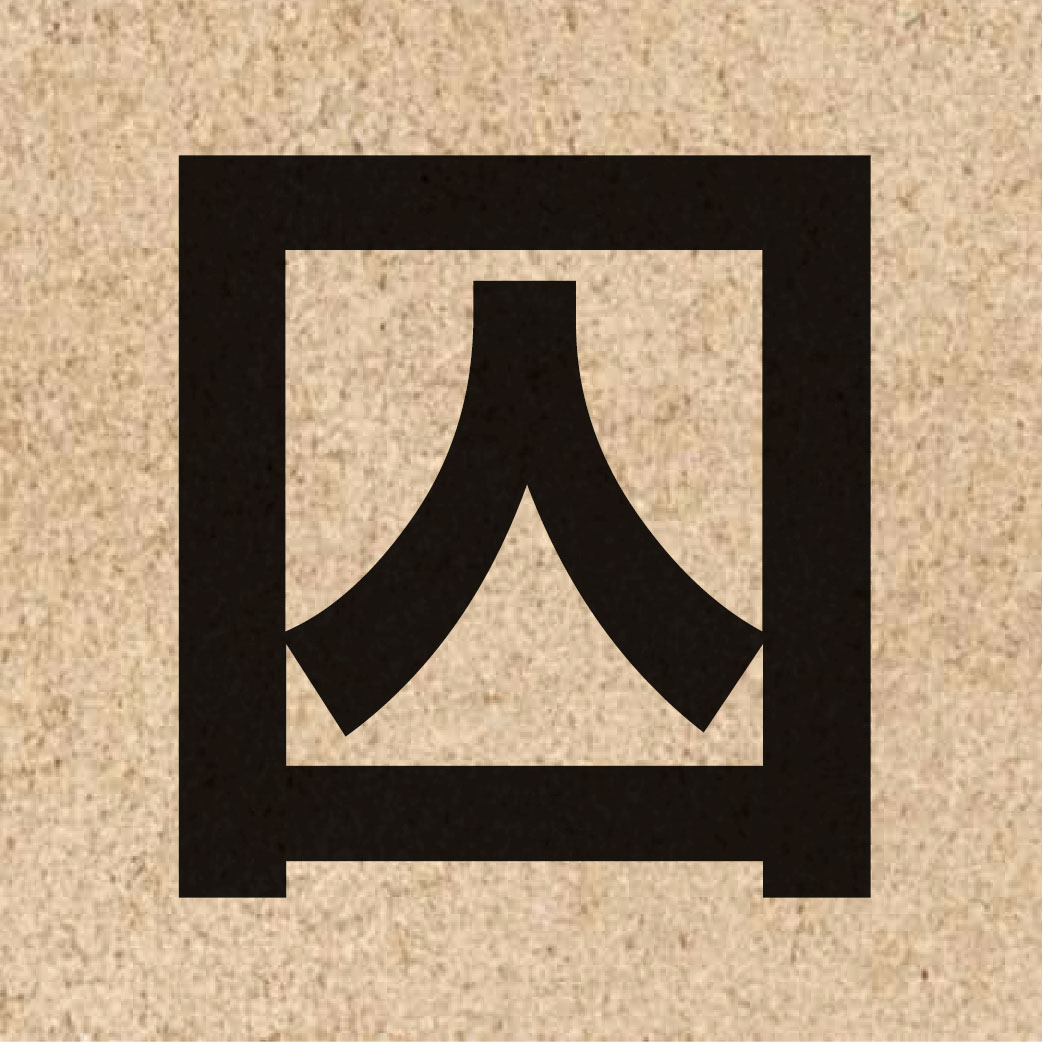
囚: Describing actions or results, the Chinese characters you need to learn if you want to become a near-native Chinese speaker (more than 7,000 characters in total)
The Chinese character【囚】is used to describe behavior or results, and is mainly used for the following meanings: Imprisonment or detention. You can refer to this…
View More 囚: Describing actions or results, the Chinese characters you need to learn if you want to become a near-native Chinese speaker (more than 7,000 characters in total)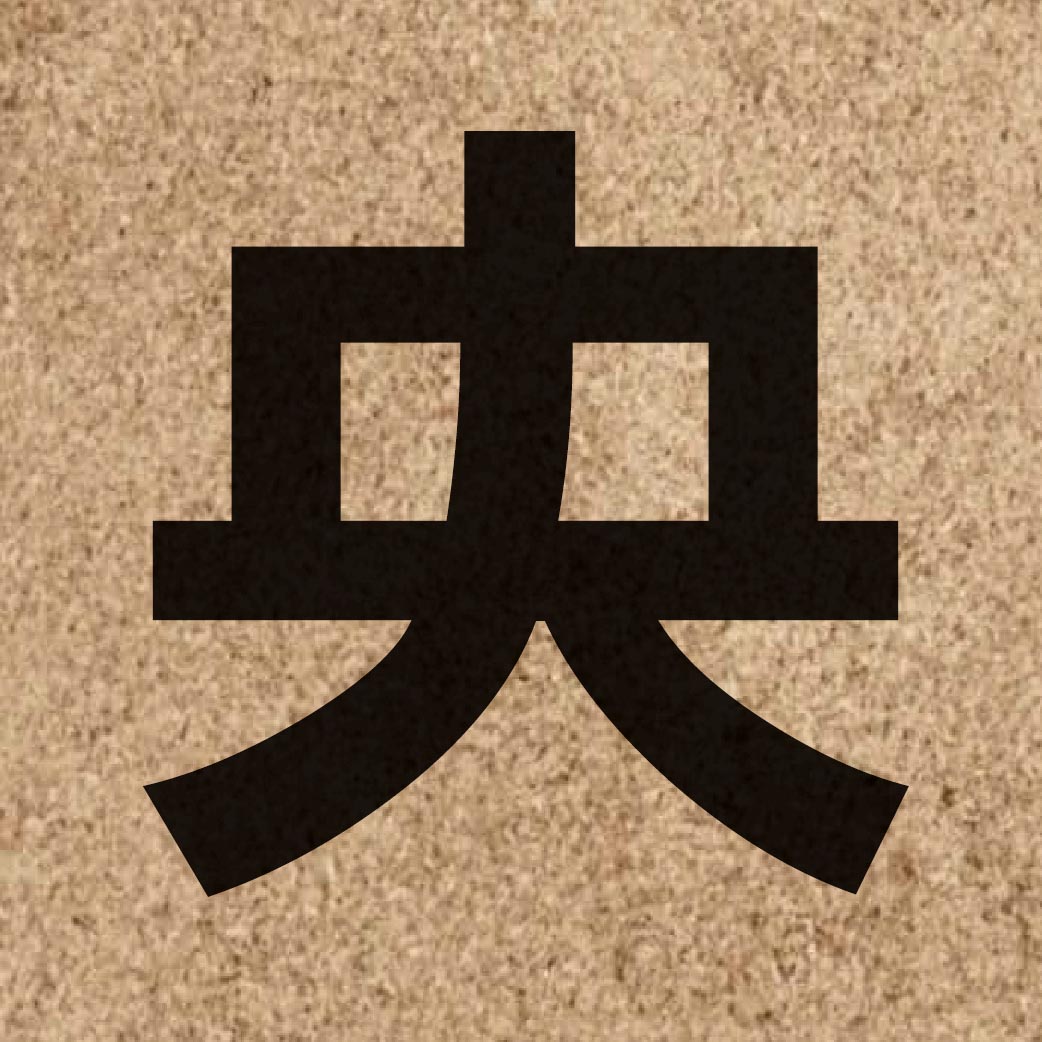
央: Describing location or emotion, very common, must learn basic Chinese characters (more than 7,000 characters in total)
The Chinese character【央】that we will explain today is a word that describes a location or emotion. It is mainly used for the following meanings: Central…
View More 央: Describing location or emotion, very common, must learn basic Chinese characters (more than 7,000 characters in total)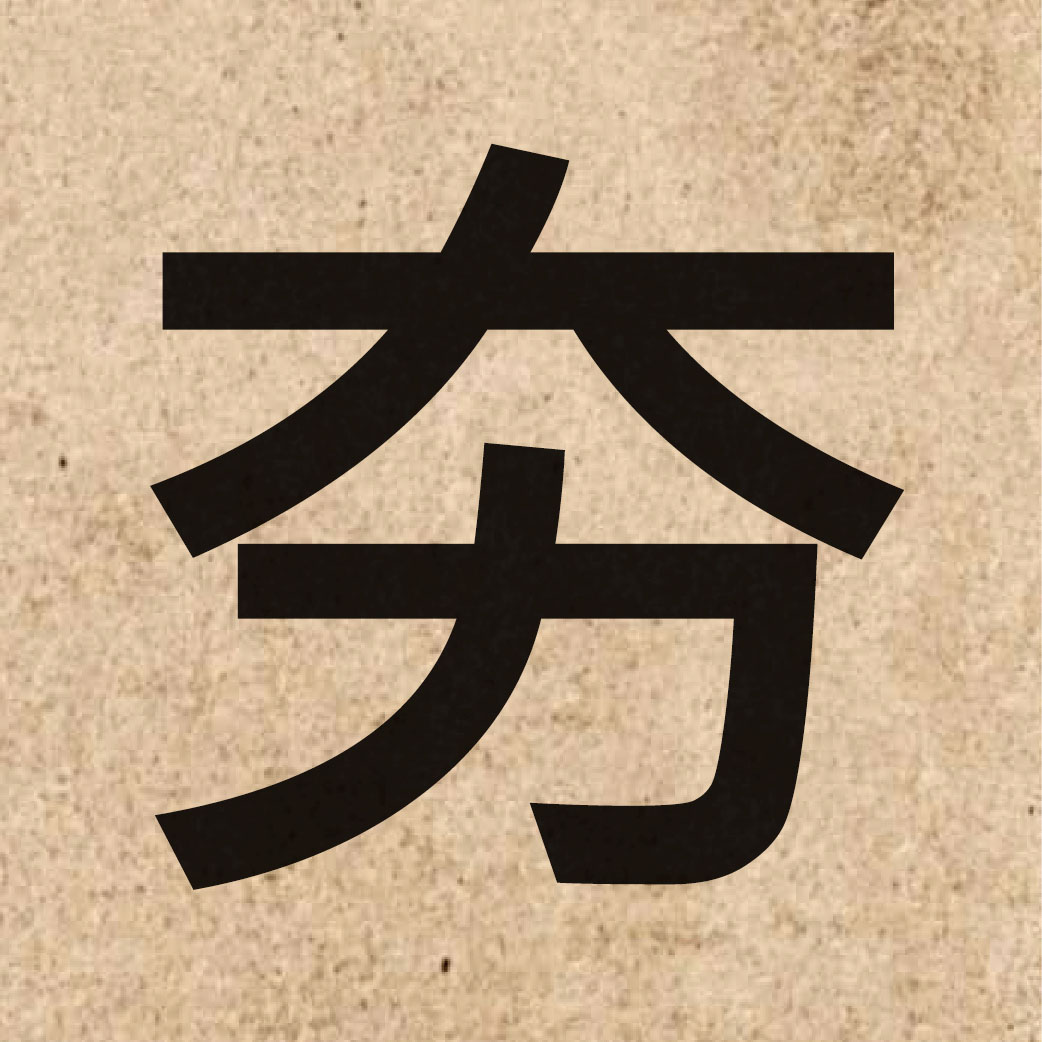
夯: Describing buildings or actions, Chinese characters that you need to learn if you want to become a near-native Chinese speaker (a simplified version of the dictionary)
The Chinese character【夯】(tamper) that we will explain today is a word that describes a building or action. It is mainly used for the following meanings:…
View More 夯: Describing buildings or actions, Chinese characters that you need to learn if you want to become a near-native Chinese speaker (a simplified version of the dictionary)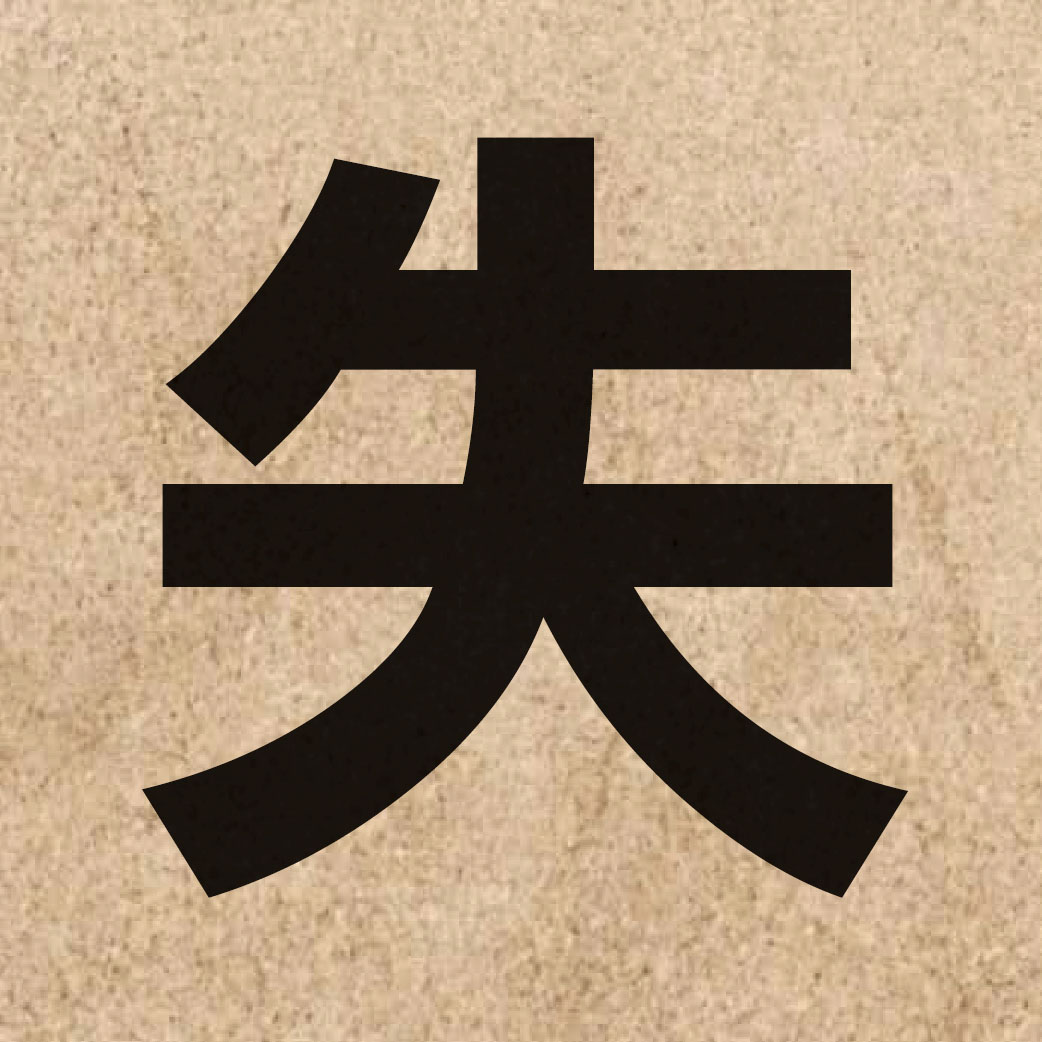
失: Describing a state or result, very commonly used, basic Chinese characters that must be learned (with basic explanations)
The Chinese character【失】is a word that describes a state or result, and is mainly used for the following meanings: Lost or lost. Here’s the way…
View More 失: Describing a state or result, very commonly used, basic Chinese characters that must be learned (with basic explanations)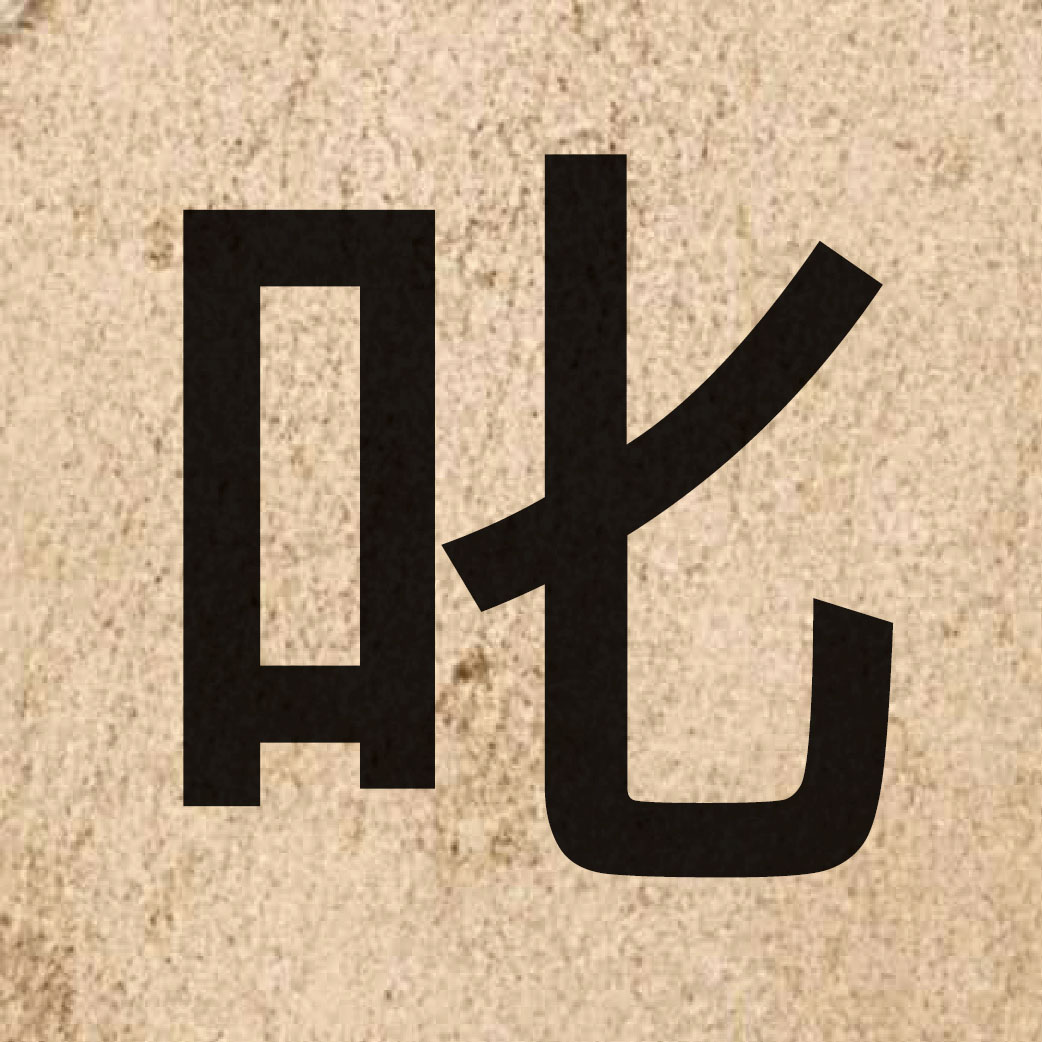
叱: Describing actions or moods, with limited usage, advanced Chinese characters that you need to learn if you want to challenge yourself (more than 7,000 characters in total)
The Chinese character【叱】that I will teach you this time is a word that describes an action or tone of voice. It is mainly used for…
View More 叱: Describing actions or moods, with limited usage, advanced Chinese characters that you need to learn if you want to challenge yourself (more than 7,000 characters in total)