
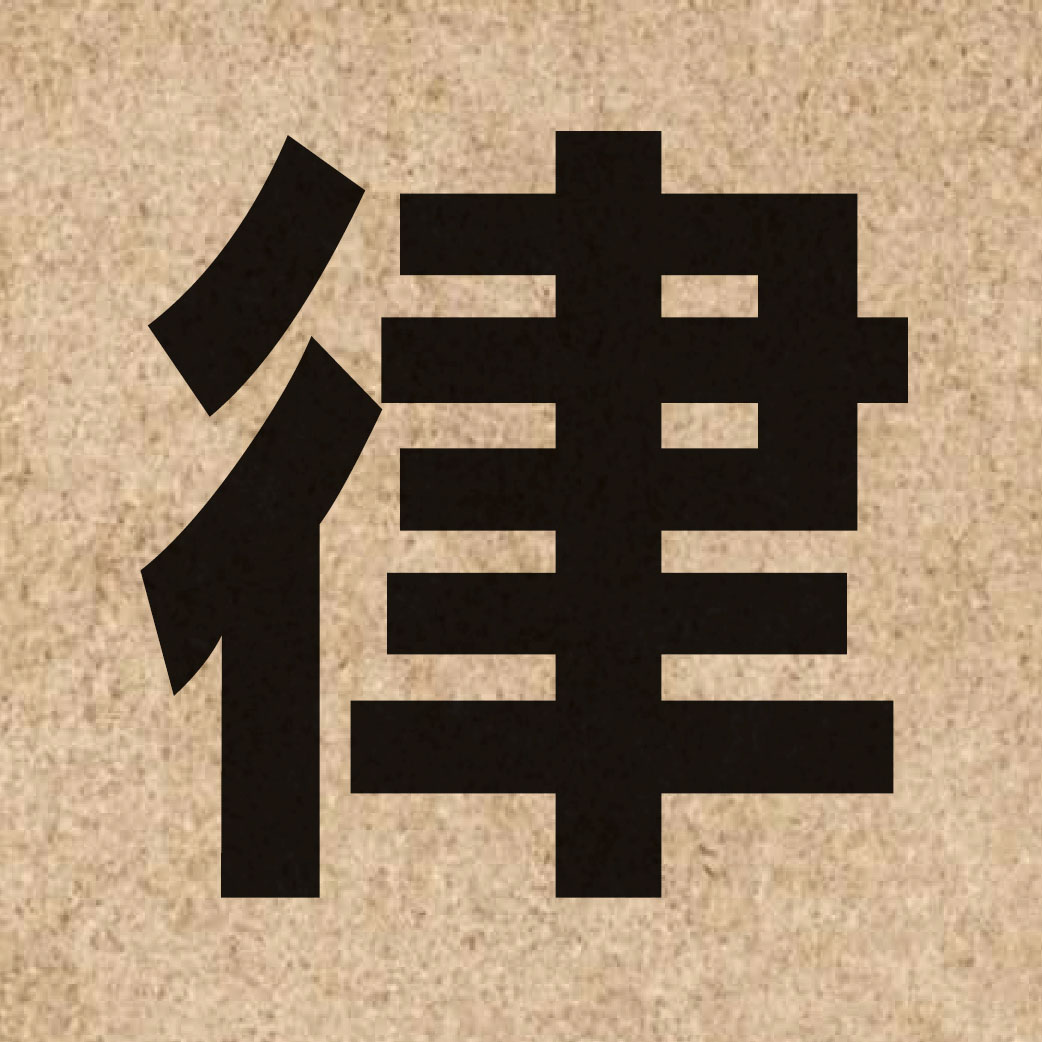
The Chinese word【律】that we will introduce this time is a word that describes a system or a musical rhythm. It is mainly used for the…
View More 律: Describing systems or musical rhythms, very commonly used, basic Chinese characters that must be learned (with Cantonese and Mandarin pronunciation)
則: Describing actions or rules, very commonly used, basic Chinese characters that must be learned (simplified version of the dictionary)
The Chinese character【則】that we will be discussing today is a word that describes actions or rules. It is mainly used for the following meanings: Guidelines…
View More 則: Describing actions or rules, very commonly used, basic Chinese characters that must be learned (simplified version of the dictionary)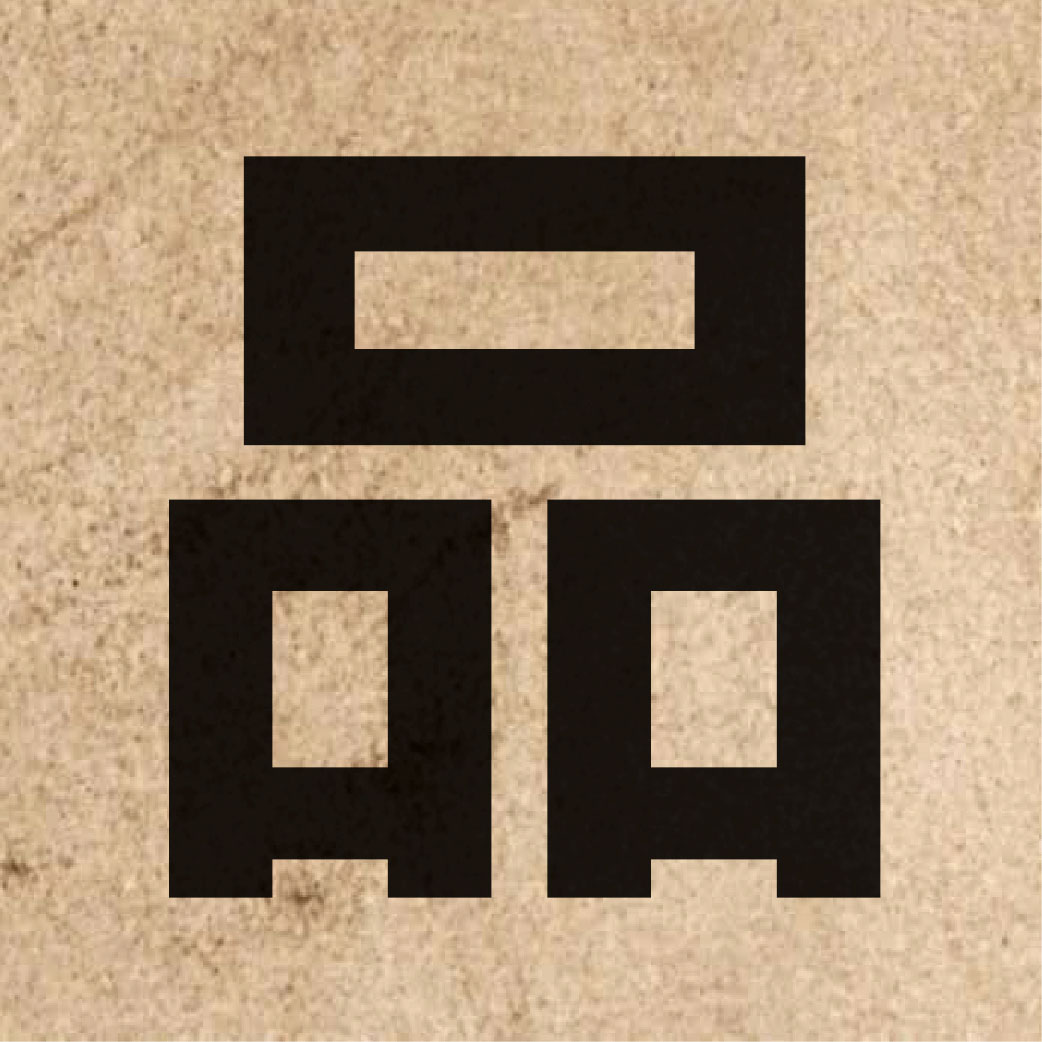
品: Describing things or behaviors, very commonly used, basic Chinese characters that must be learned (simplified version of the dictionary)
The Chinese character【品】that I will teach you this time is a word that describes things or behaviors. It is mainly used for the following meanings:…
View More 品: Describing things or behaviors, very commonly used, basic Chinese characters that must be learned (simplified version of the dictionary)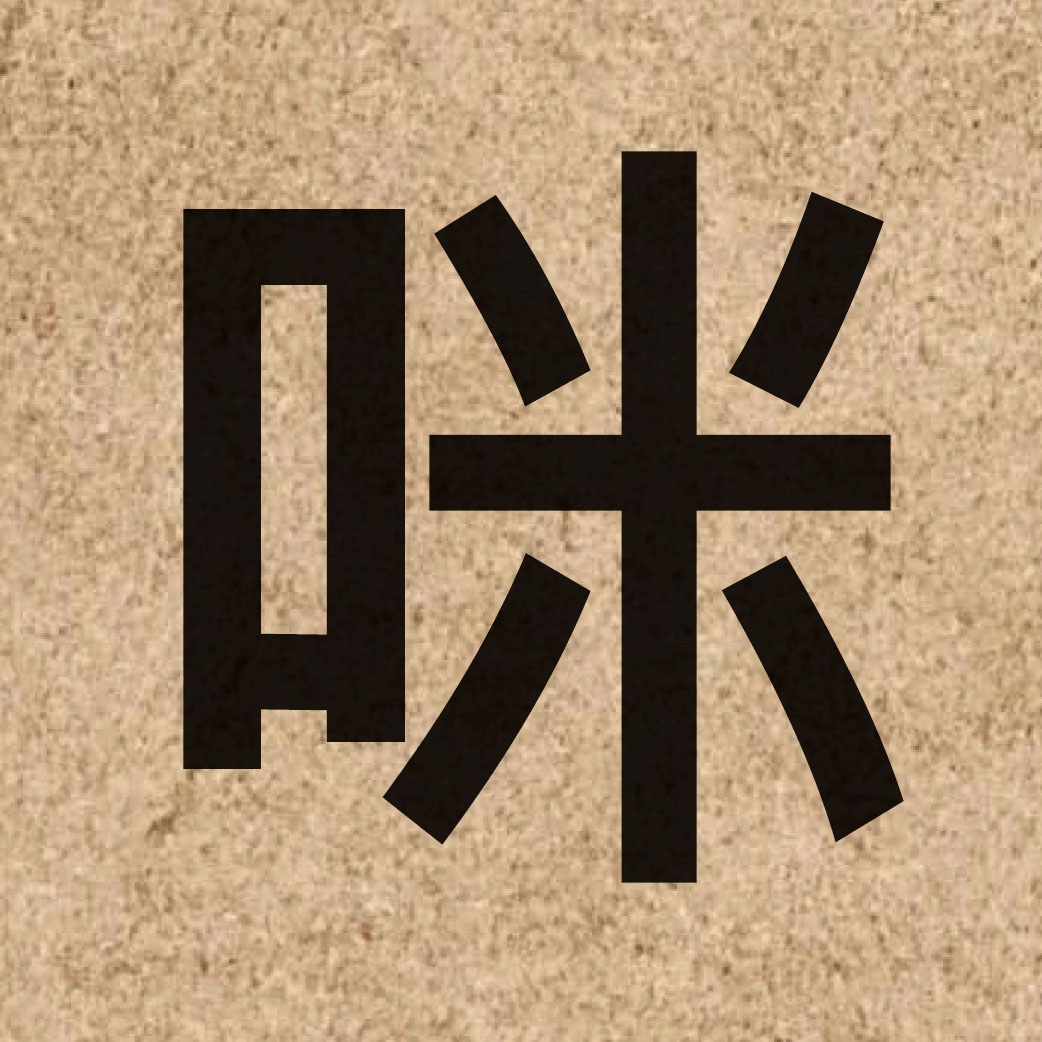
咪: Describing sounds or animals, Chinese characters you need to learn if you want to become a near-native Chinese speaker (free learning resources)
The Chinese word【咪】that we will introduce this time is a word that describes a sound or an animal. It is mainly used for the following…
View More 咪: Describing sounds or animals, Chinese characters you need to learn if you want to become a near-native Chinese speaker (free learning resources)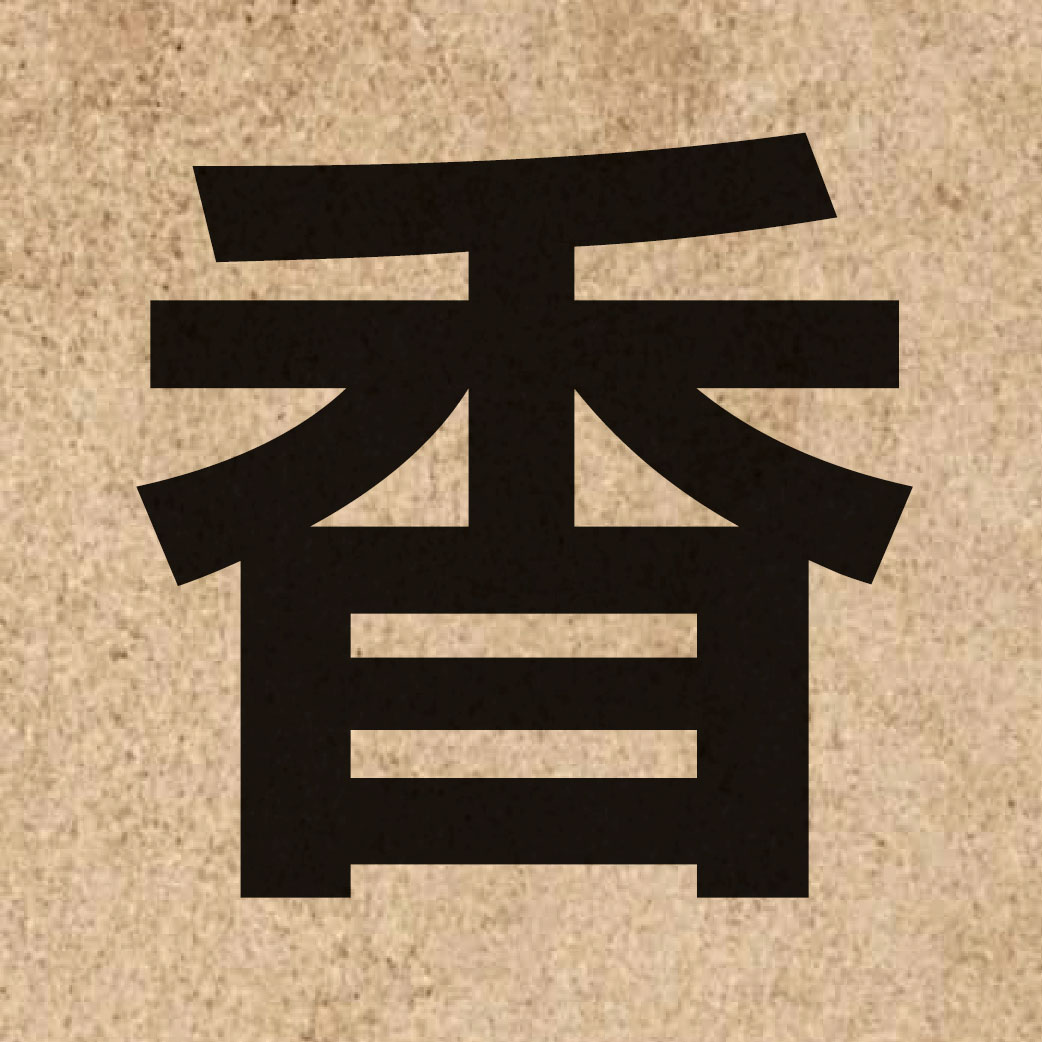
香: Describing smells or food, very common, must learn basic Chinese characters (simplified version of the dictionary)
The Chinese character【香】is used to describe smell or food, and is mainly used for the following meanings: Aroma or flavor. Explanation: (1) A fragrant smell.…
View More 香: Describing smells or food, very common, must learn basic Chinese characters (simplified version of the dictionary)
宣: Describing actions or processes, very commonly used, basic Chinese characters that must be learned (more than 7,000 characters in total)
The Chinese character【宣】is a word that describes an action or process, and is mainly used for the following meanings: To announce or publicize. Explanation: (1)…
View More 宣: Describing actions or processes, very commonly used, basic Chinese characters that must be learned (more than 7,000 characters in total)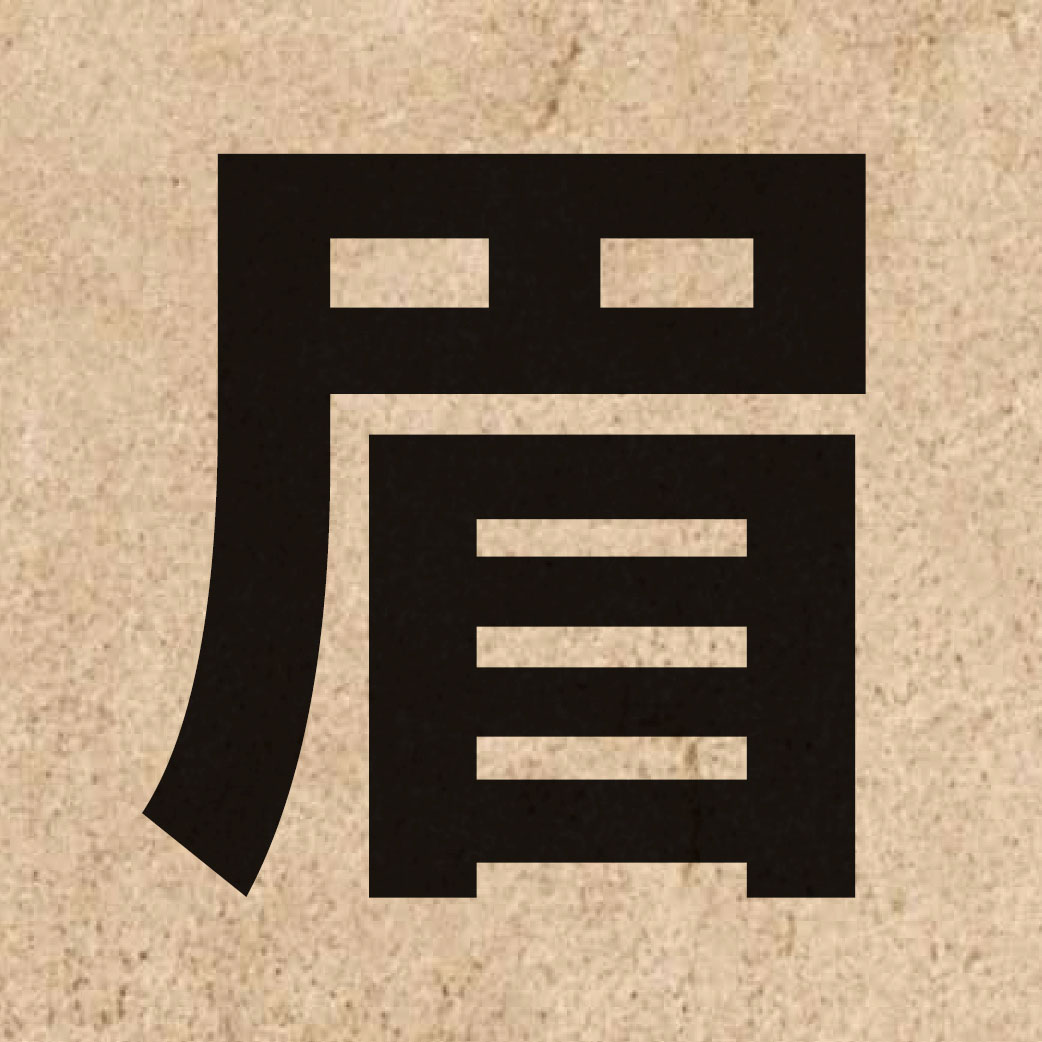
眉: Describing body or facial expressions, you will definitely use them in daily life, more advanced Chinese characters (free learning resources)
The Chinese character【眉】that we will explain today is a character that describes the body or expression. It is mainly used for the following meanings: Eyebrow.…
View More 眉: Describing body or facial expressions, you will definitely use them in daily life, more advanced Chinese characters (free learning resources)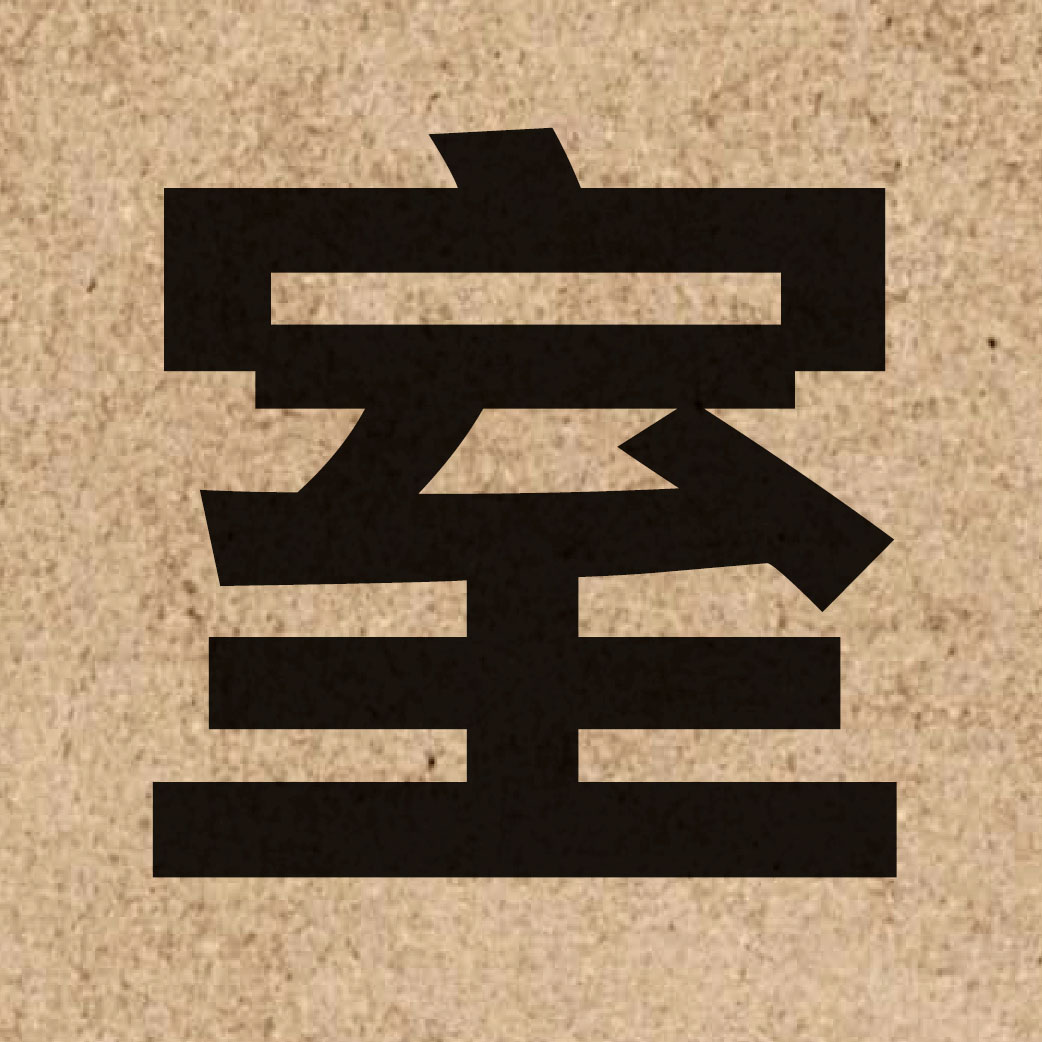
室: Describing buildings or spaces, very commonly used, must learn basic Chinese characters (free learning resources)
The Chinese word【室】that we will introduce this time is a word that describes a building or space. It is mainly used for the following meanings:…
View More 室: Describing buildings or spaces, very commonly used, must learn basic Chinese characters (free learning resources)
柱: Describes buildings or supports, which are used in daily life, and are relatively advanced Chinese characters (with basic explanations)
The Chinese character【柱】is used to describe buildings or supports, and is mainly used for the following meanings: A pillar or column. Explanation: (1) A thick…
View More 柱: Describes buildings or supports, which are used in daily life, and are relatively advanced Chinese characters (with basic explanations)
恍: Describing states or actions, the Chinese characters you need to learn if you want to become a near-native Chinese speaker (more than 7,000 characters in total)
The Chinese character【恍】that we will explain today is a word that describes a state or action. It is mainly used for the following meanings: Confused…
View More 恍: Describing states or actions, the Chinese characters you need to learn if you want to become a near-native Chinese speaker (more than 7,000 characters in total)