
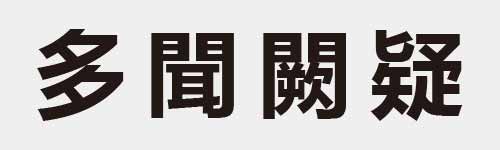
Understanding Chinese starts with simple characters, grows to phrases, and finally idioms. Learn 「多聞闕疑」 today for free with this guide. The idiom 「多聞闕疑」 and its…
View More A concise overview of 「多聞闕疑」 and how to use it, plus pinyin provided in Mandarin and Cantonese.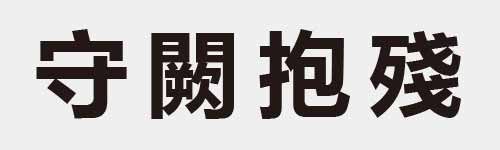
Learn Chinese on us! Idioms and proverbs are treasures, starting with 「守闕抱殘」.
Understanding Chinese starts with simple characters, grows to phrases, and finally idioms. Learn 「守闕抱殘」 today for free with this guide. In this introduction, we explore…
View More Learn Chinese on us! Idioms and proverbs are treasures, starting with 「守闕抱殘」.
Start learning Chinese for free! Let’s discuss the core idiom 「心瞻魏闕」 and how to apply it.
Understanding Chinese starts with simple characters, grows to phrases, and finally idioms. Learn 「心瞻魏闕」 today for free with this guide. The Chinese idiom we are…
View More Start learning Chinese for free! Let’s discuss the core idiom 「心瞻魏闕」 and how to apply it.
Grow your Chinese ability with idioms. This time, let’s explore: 「心在魏闕」.
Learning Chinese is easier with our free resources! This series explains idioms and proverbs, valuable for various situations. Today’s idiom is 「心在魏闕」, with more below.…
View More Grow your Chinese ability with idioms. This time, let’s explore: 「心在魏闕」.
Discover the meaning and how to use 「心馳魏闕」, along with Mandarin and Cantonese pinyin for reference.
After learning basic characters, the next level in Chinese is combining them into words, and then idioms. This free guide helps you understand advanced idioms…
View More Discover the meaning and how to use 「心馳魏闕」, along with Mandarin and Cantonese pinyin for reference.
We’ll explain 「人多闕少」 clearly, including its application and pinyin in both Mandarin and Cantonese.
Learning Chinese starts with basic single characters, but the next step is combining them into words. To go even further, mastering idioms is the challenge.…
View More We’ll explain 「人多闕少」 clearly, including its application and pinyin in both Mandarin and Cantonese.