
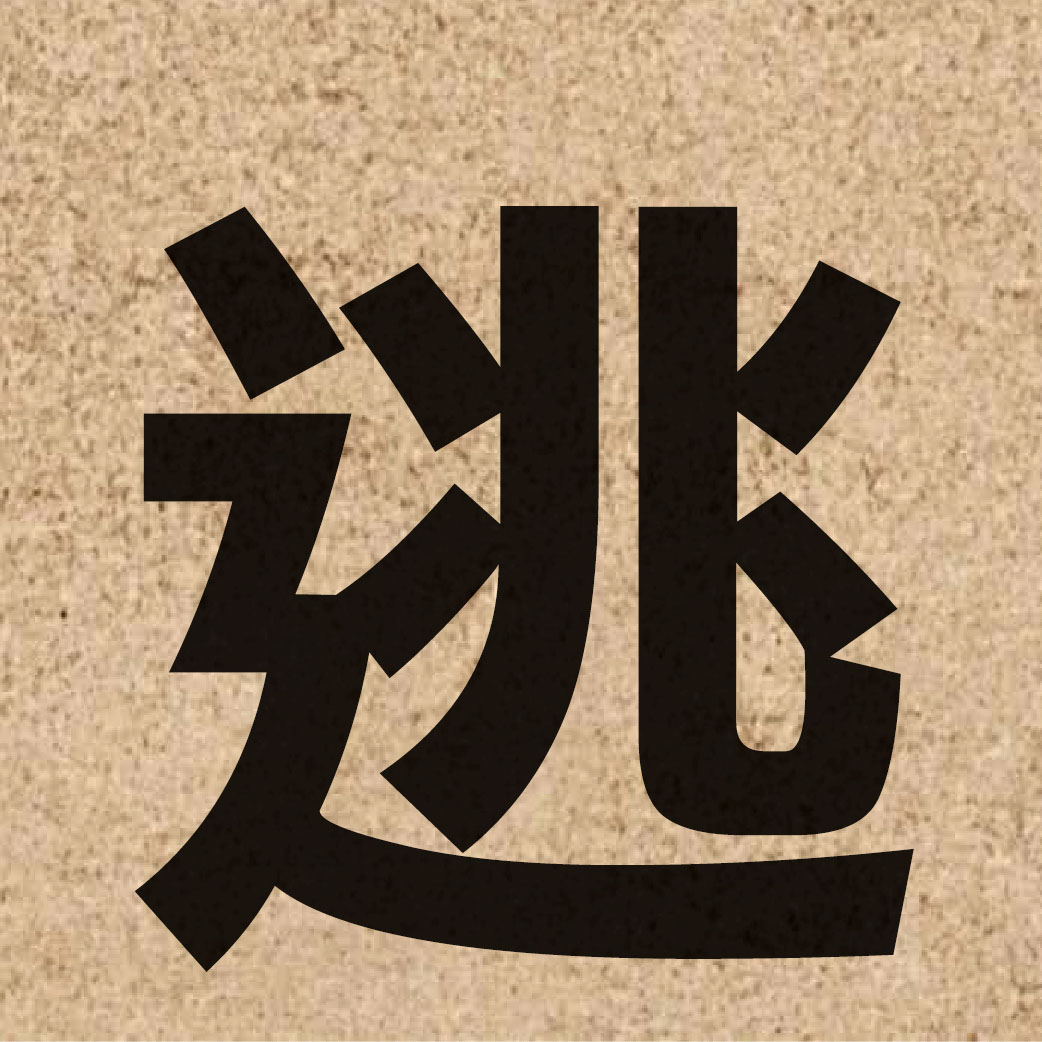
The Chinese character【逃】is a word that describes an action or attitude, and is mainly used for the following meanings: Run away or avoid. Here’s the…
View More 逃: Describing actions or attitudes, these are common words in daily life. They are relatively advanced Chinese words (with basic explanations)
怒: Describing emotions or attitudes, which are definitely used in daily life, more advanced Chinese characters (simplified version of the dictionary)
The Chinese character【怒】(anger) that I will teach you this time is a word that describes emotion or attitude. It is mainly used for the following…
View More 怒: Describing emotions or attitudes, which are definitely used in daily life, more advanced Chinese characters (simplified version of the dictionary)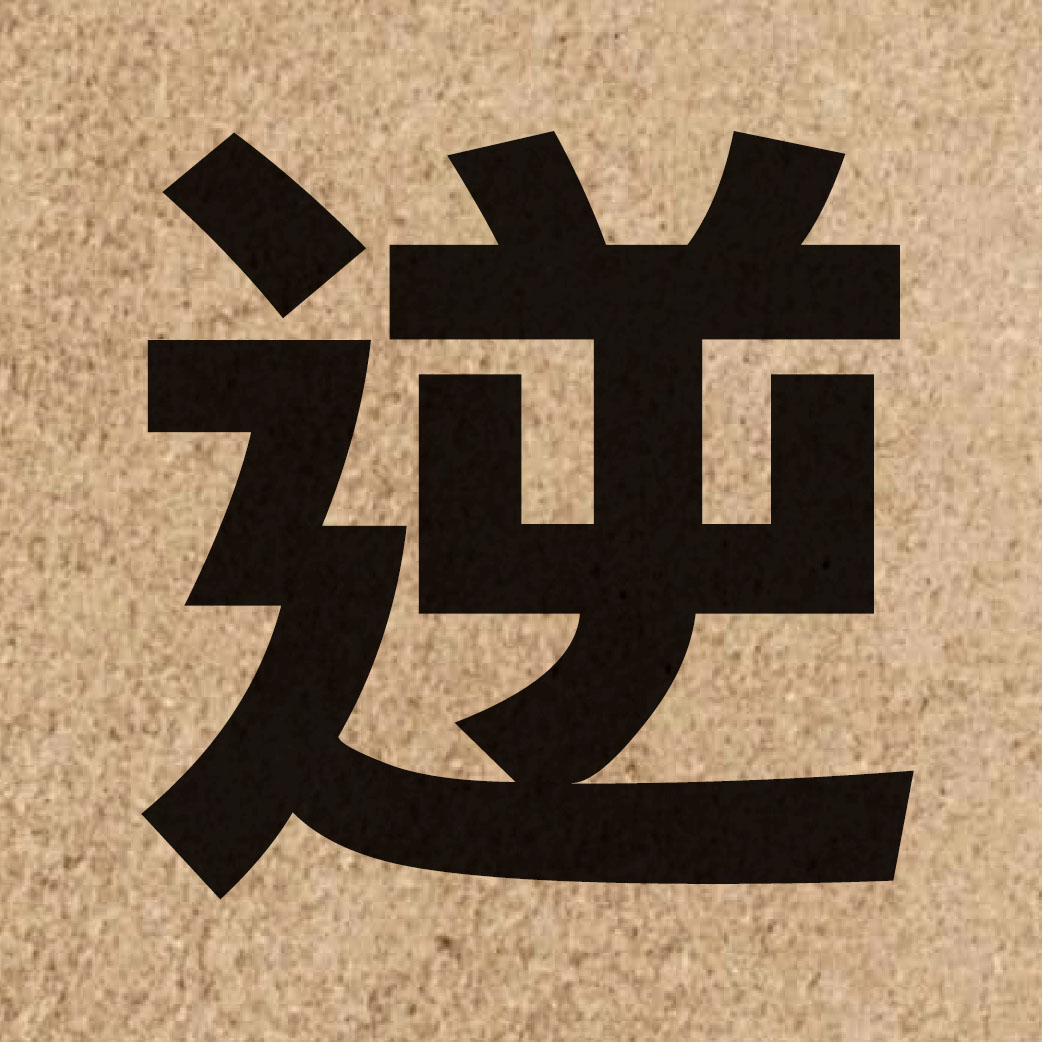
逆: Describing actions or attitudes, which are definitely used in daily life, more advanced Chinese characters (simplified version of the dictionary)
The Chinese character【逆】is a word that describes actions or attitudes, and is mainly used for the following meanings: Revolt or rebellion. Here is the phonetic…
View More 逆: Describing actions or attitudes, which are definitely used in daily life, more advanced Chinese characters (simplified version of the dictionary)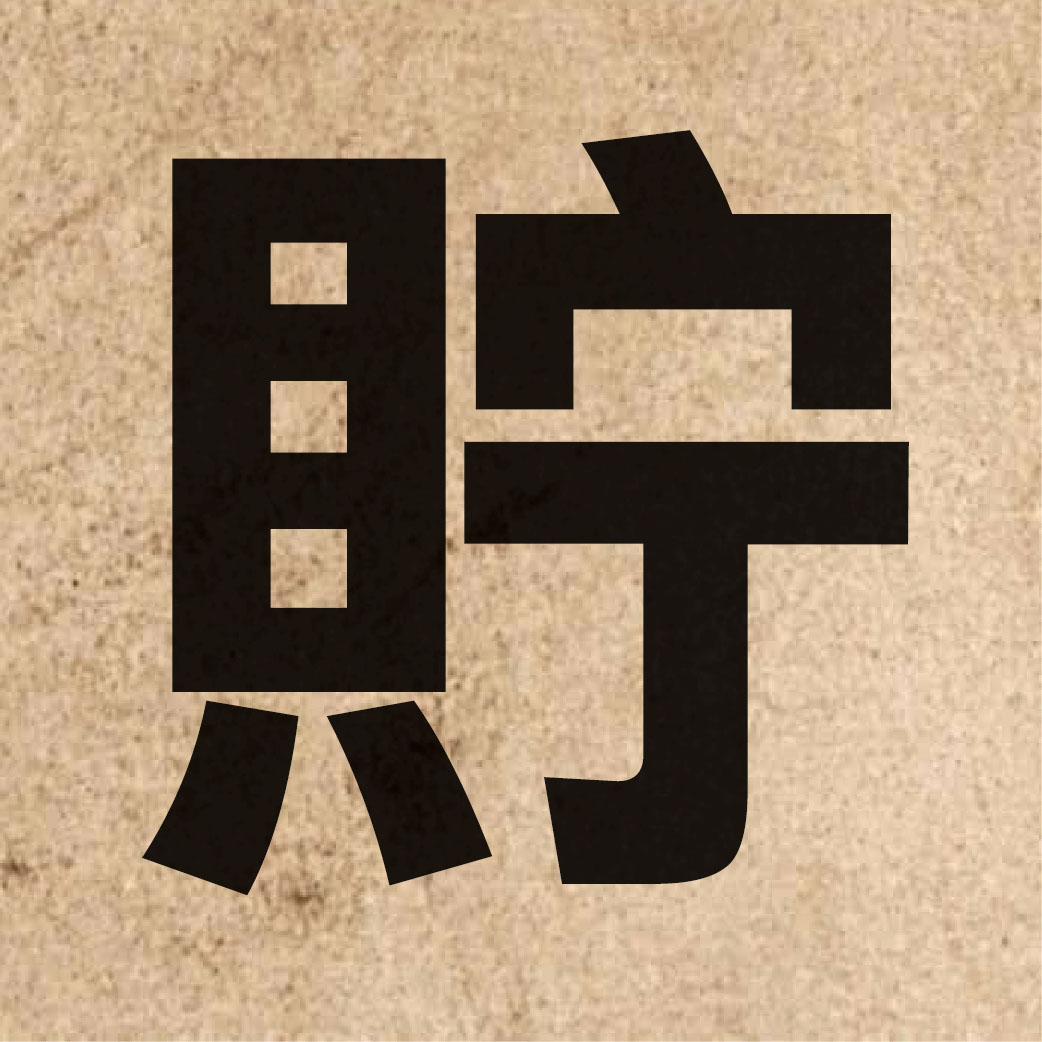
貯: Describing actions or states, these are common in daily life, and are relatively advanced Chinese characters (more than 7,000 characters in total)
The Chinese character【貯】is a word that describes an action or a state, and is mainly used for the following meanings: Store or preserve. You can…
View More 貯: Describing actions or states, these are common in daily life, and are relatively advanced Chinese characters (more than 7,000 characters in total)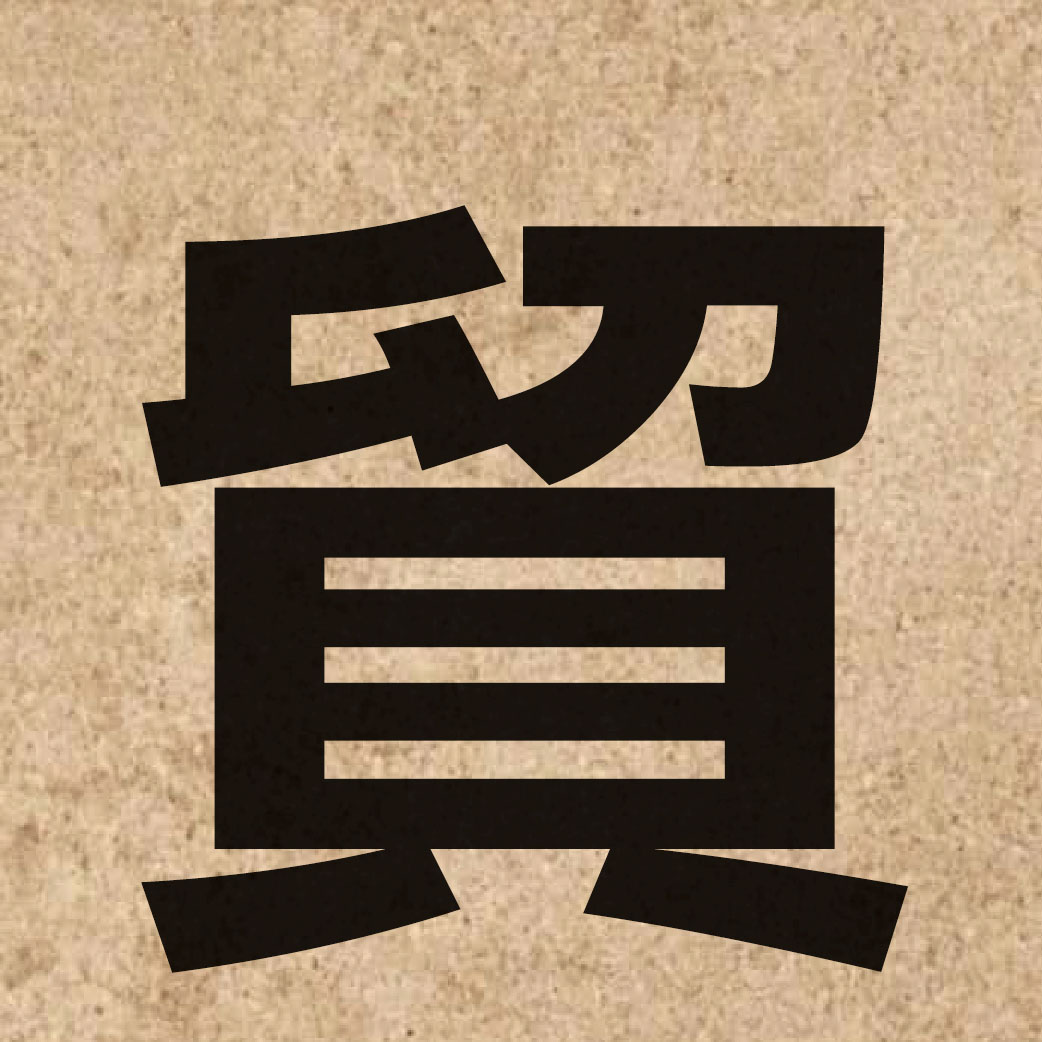
貿: Describing actions or economics, which are used in daily life, more advanced Chinese characters (more than 7,000 characters in total)
The Chinese word【貿】that we will introduce this time is a word that describes action or economy. It is mainly used for the following meanings: Trade…
View More 貿: Describing actions or economics, which are used in daily life, more advanced Chinese characters (more than 7,000 characters in total)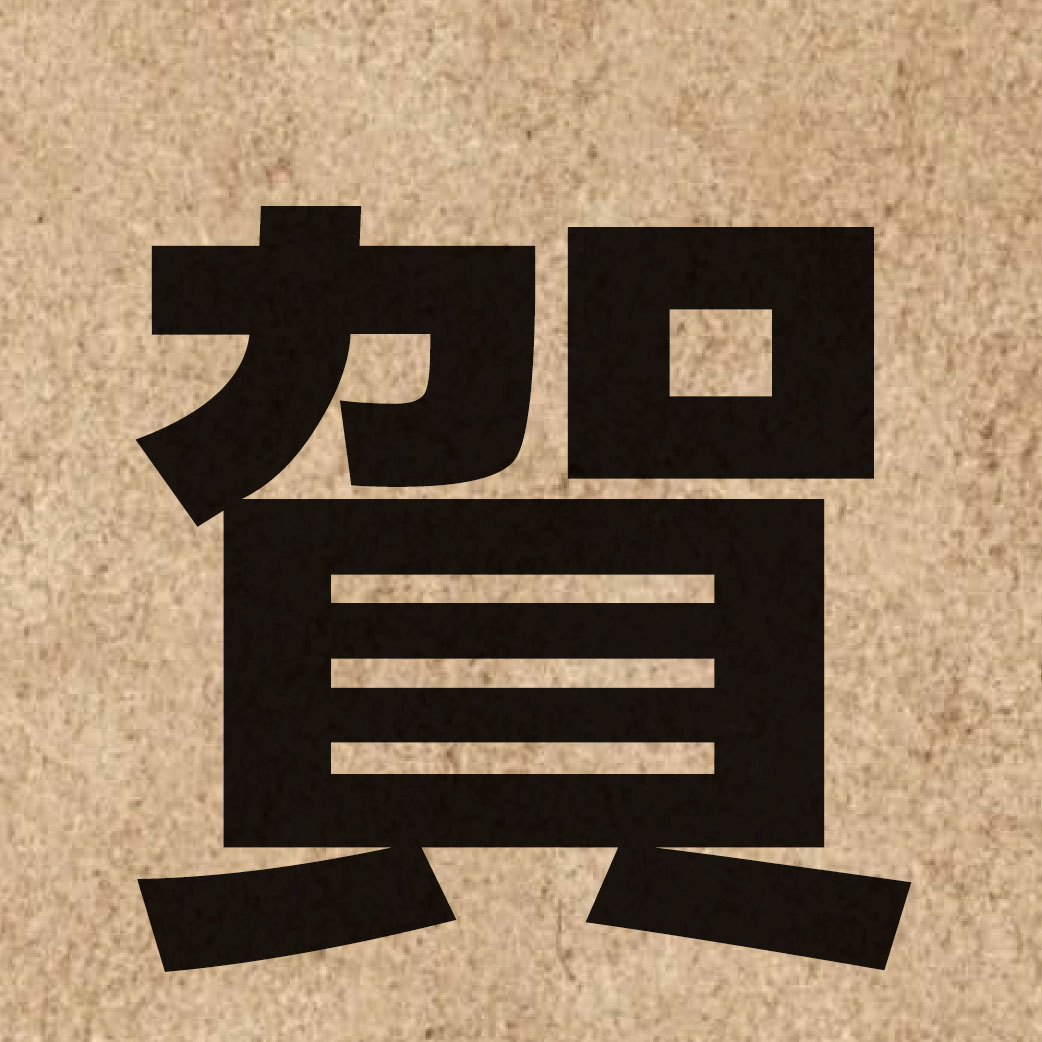
賀: Describing actions or culture, which are definitely used in daily life, more advanced Chinese characters (with Cantonese and Mandarin pronunciation)
The Chinese character【賀】that I will teach you this time is a character that describes actions or culture. It is mainly used for the following meanings:…
View More 賀: Describing actions or culture, which are definitely used in daily life, more advanced Chinese characters (with Cantonese and Mandarin pronunciation)
賓: Describing people or culture, it is definitely used in daily life, more advanced Chinese characters (simple version of the dictionary)
The Chinese word【賓】that we will introduce this time is a word that describes people or culture. It is mainly used for the following meanings: Guests…
View More 賓: Describing people or culture, it is definitely used in daily life, more advanced Chinese characters (simple version of the dictionary)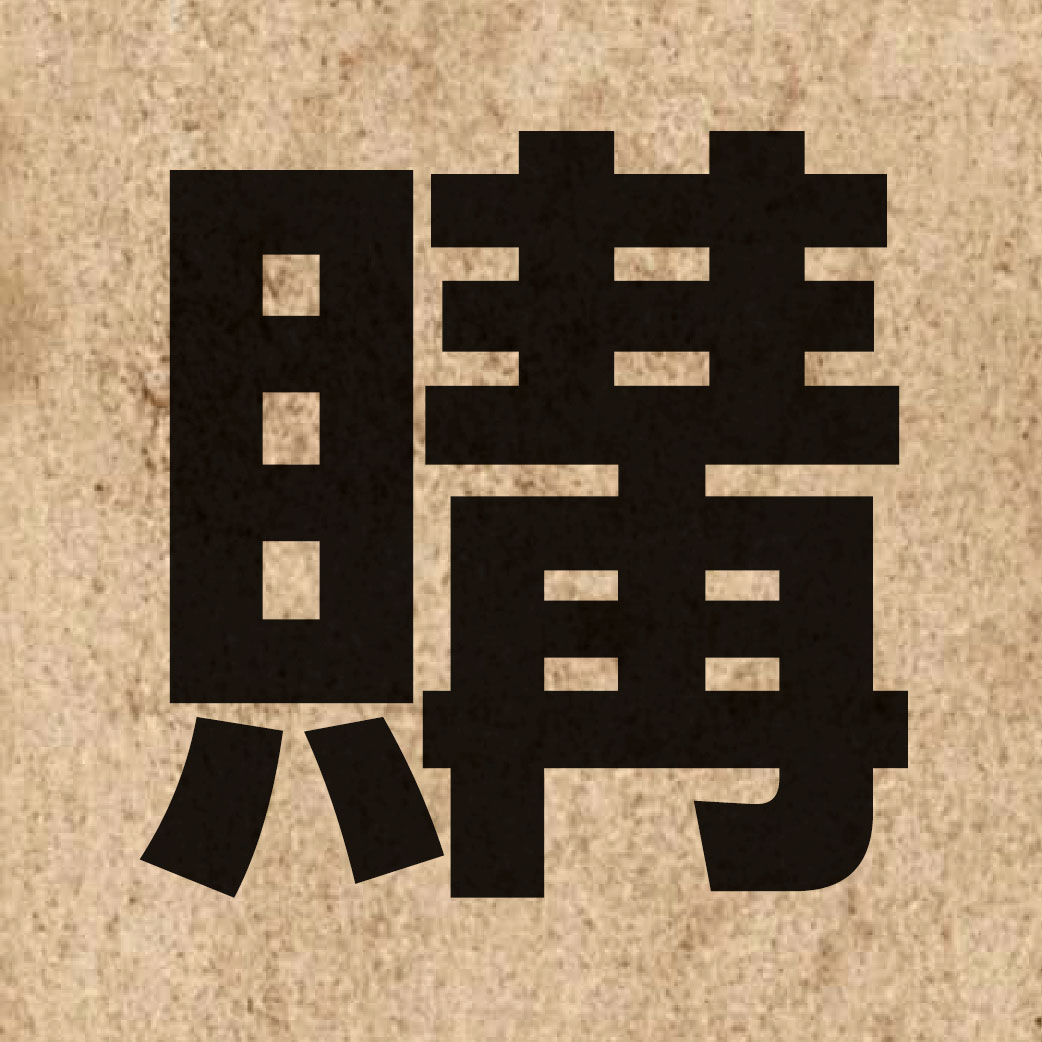
購: Describing actions or processes, these are common in daily life. They are relatively advanced Chinese characters (with basic explanations)
The Chinese character【購】is a word that describes an action or process, and is mainly used for the following meanings: Buy or purchase. Here’s the way…
View More 購: Describing actions or processes, these are common in daily life. They are relatively advanced Chinese characters (with basic explanations)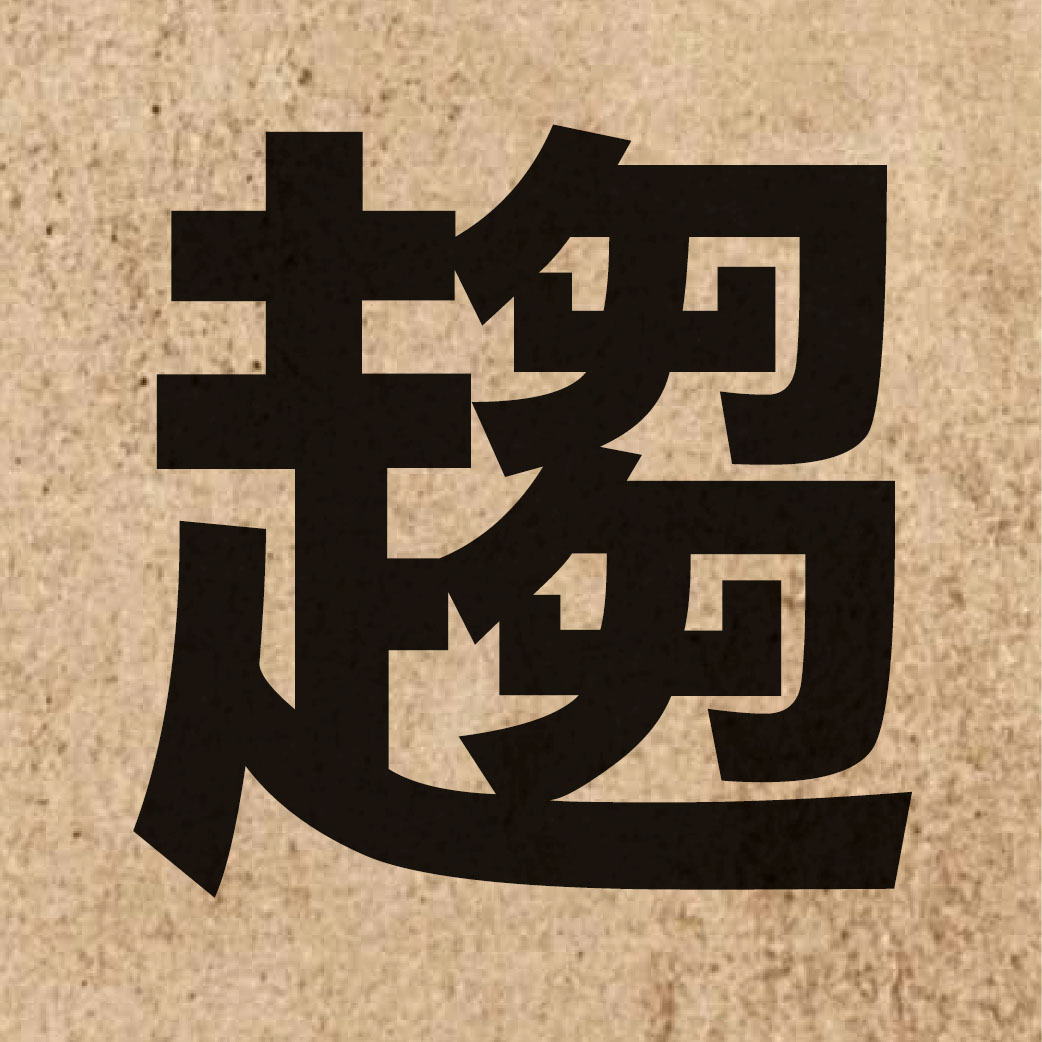
趨: Describes actions or processes, which are used in daily life, more advanced Chinese characters (with Cantonese and Mandarin pronunciation)
The Chinese character【趨】(trend) that I will teach you this time is a word that describes an action or process. It is mainly used for the…
View More 趨: Describes actions or processes, which are used in daily life, more advanced Chinese characters (with Cantonese and Mandarin pronunciation)
踏: Describe actions or processes, which are used in daily life, more advanced Chinese characters (more than 7,000 characters in total)
The Chinese character【踏】that we will explain today is a word that describes an action or process. It is mainly used for the following meanings: To…
View More 踏: Describe actions or processes, which are used in daily life, more advanced Chinese characters (more than 7,000 characters in total)