
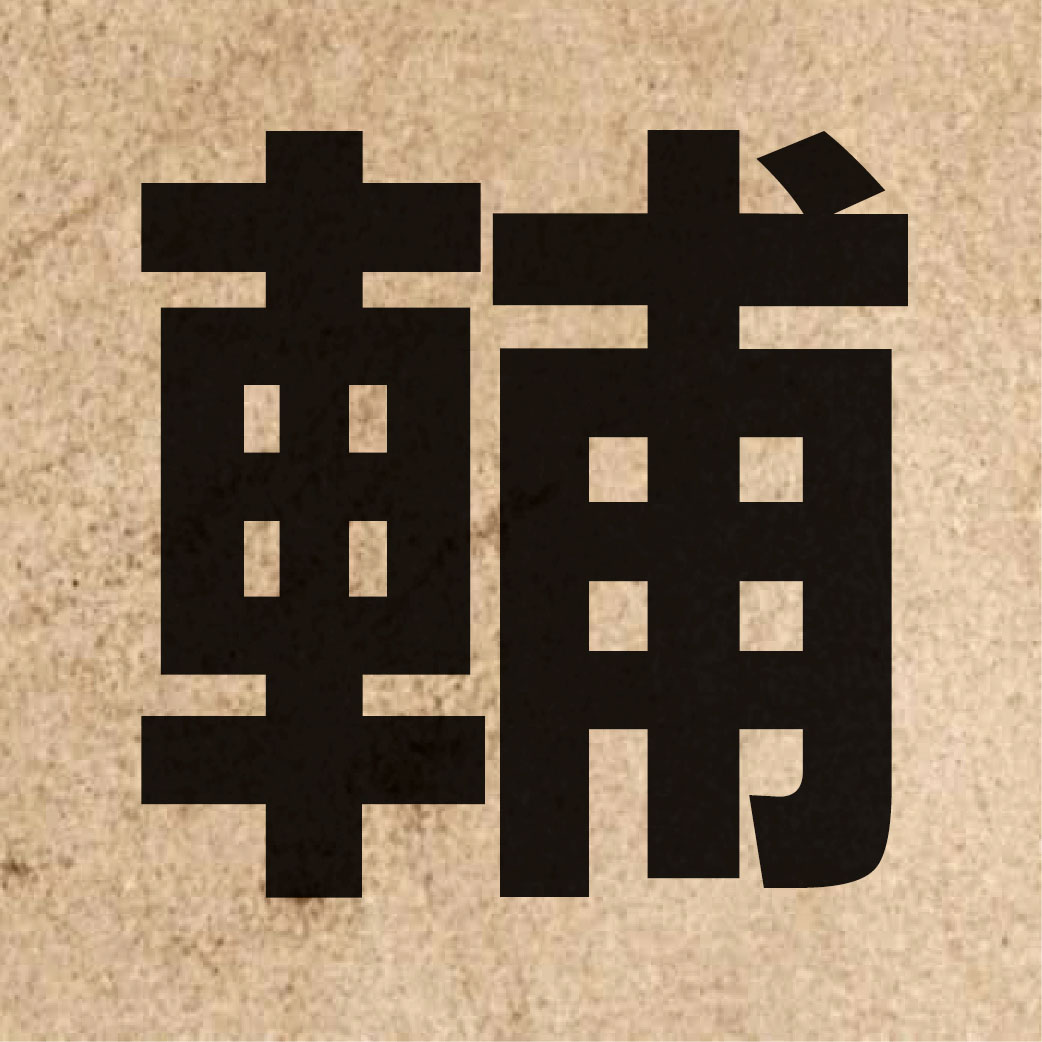
The Chinese character【輔】that we will explain today is a word that describes action or attitude. It is mainly used for the following meanings: Assistance or…
View More 輔: Describing actions or attitudes, these are relatively advanced Chinese characters that you will definitely use in your daily life (more than 7,000 characters in total)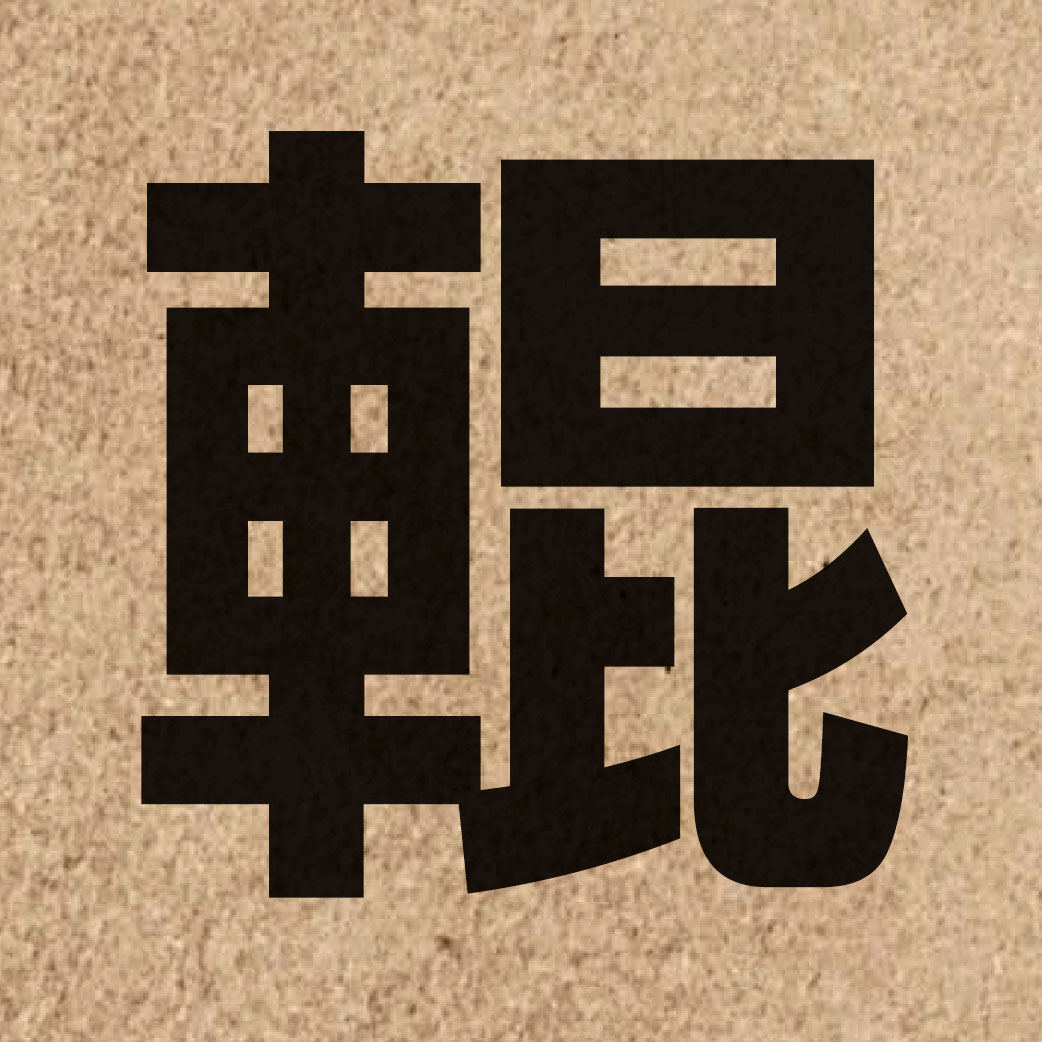
輥: Describe actions or tools that are used in daily life. Advanced Chinese characters (with basic explanations)
The Chinese character【輥】that we will explain today is a word that describes an action or a tool. It is mainly used for the following meanings:…
View More 輥: Describe actions or tools that are used in daily life. Advanced Chinese characters (with basic explanations)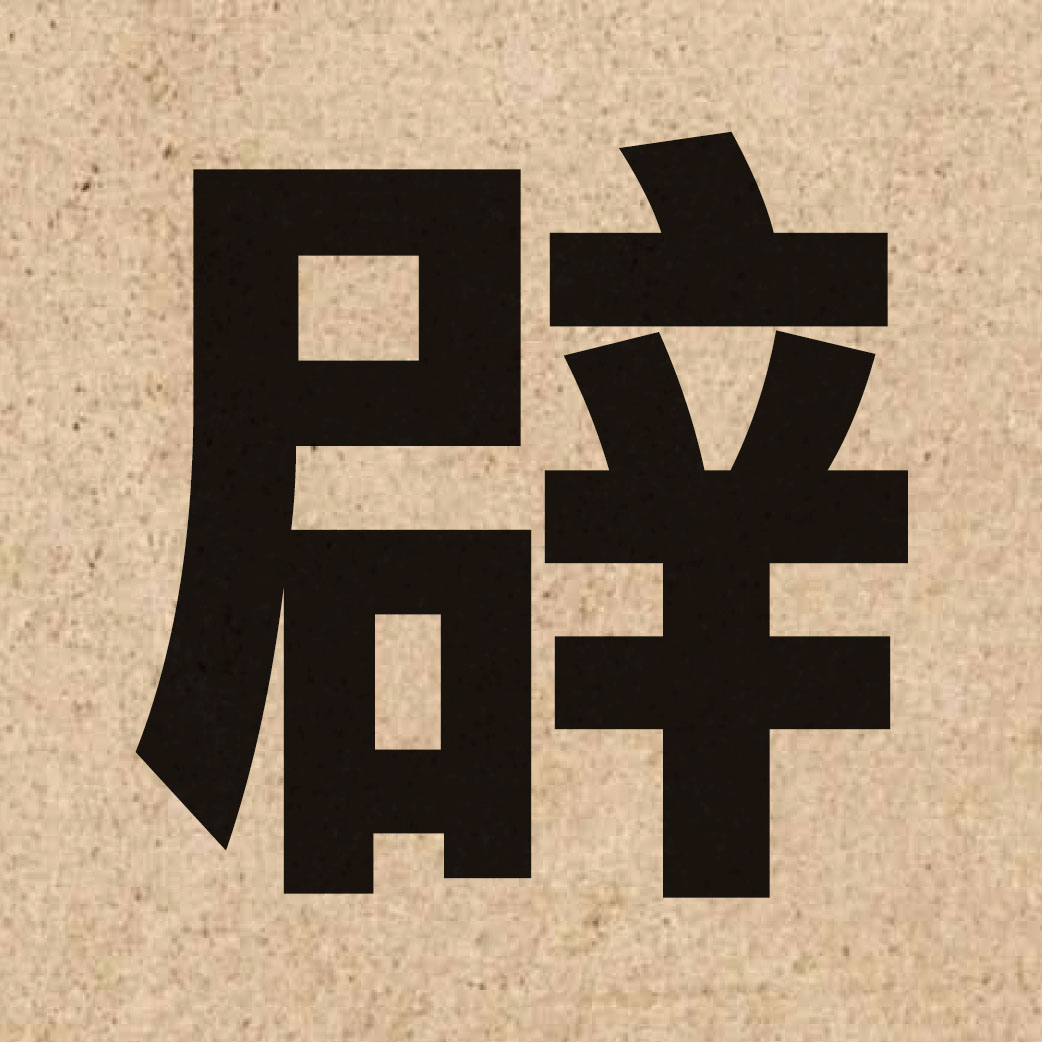
辟: Describing culture or actions, which is definitely used in daily life, more advanced Chinese characters (simplified version of the dictionary)
The Chinese character【辟】that I will teach you this time is a word that describes culture or action. It is mainly used for the following meanings:…
View More 辟: Describing culture or actions, which is definitely used in daily life, more advanced Chinese characters (simplified version of the dictionary)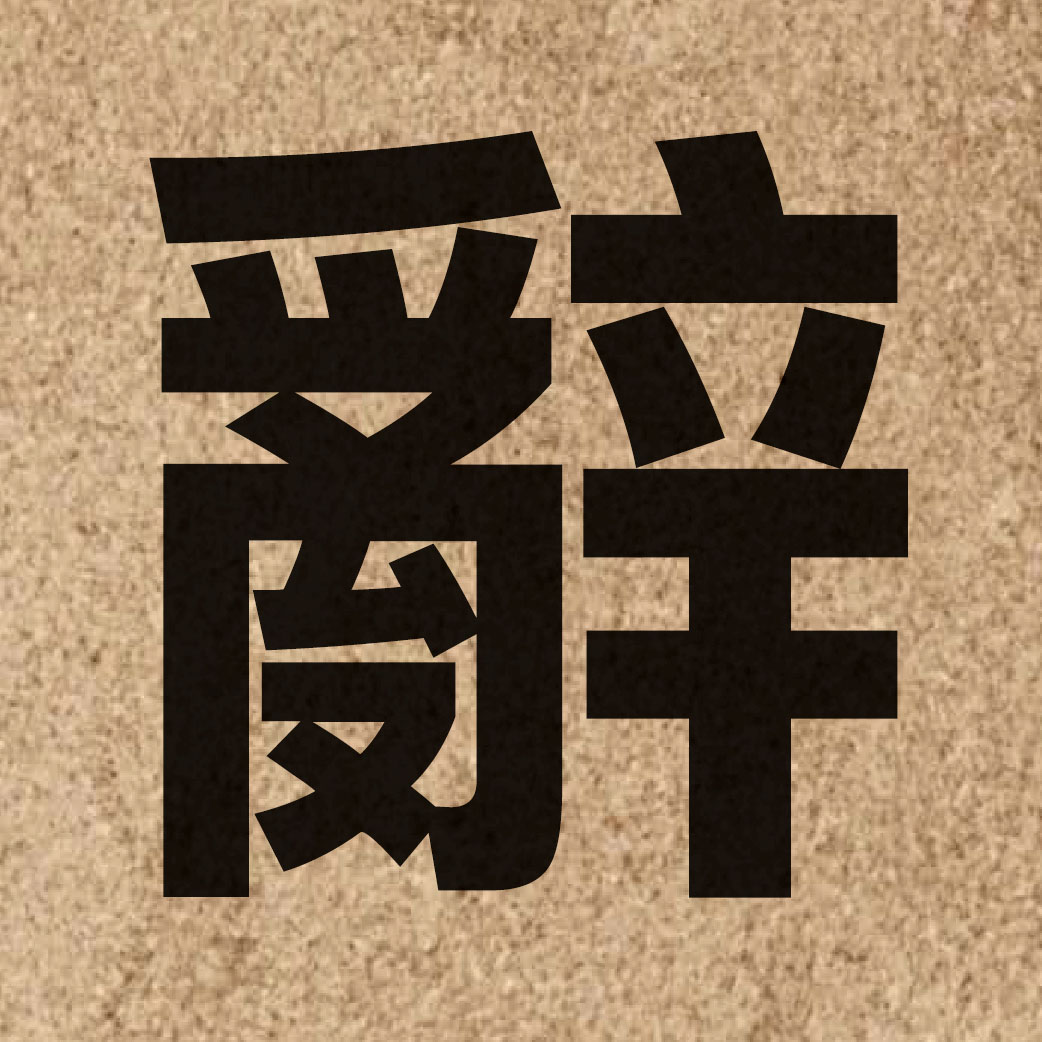
辭: Describing language or actions, which are used in daily life, more advanced Chinese characters (more than 7,000 characters in total)
The Chinese character【辭】is a word that describes language or action, and is mainly used for the following meanings: Words or farewell. You can refer to…
View More 辭: Describing language or actions, which are used in daily life, more advanced Chinese characters (more than 7,000 characters in total)
恒: Describing status or time, it is definitely used in daily life, more advanced Chinese characters (more than 7,000 characters in total)
The Chinese character【恒】that I will teach you this time is a word that describes a state or time. It is mainly used for the following…
View More 恒: Describing status or time, it is definitely used in daily life, more advanced Chinese characters (more than 7,000 characters in total)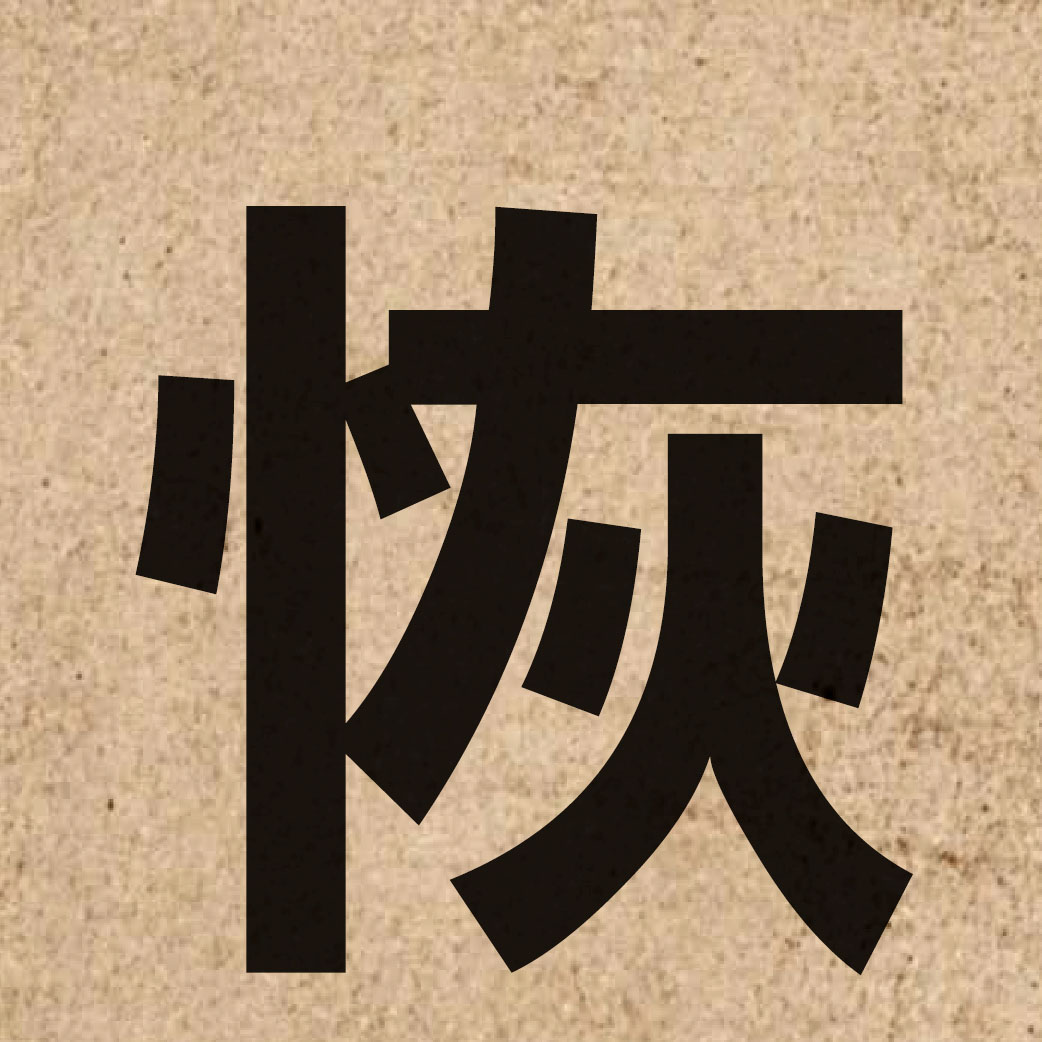
恢: Describing actions or processes, which are used in daily life, more advanced Chinese characters (free learning resources)
The Chinese character【恢】is a word that describes an action or process, and is mainly used for the following meanings: Restore or expand. This is how…
View More 恢: Describing actions or processes, which are used in daily life, more advanced Chinese characters (free learning resources)
恨: Describing emotions or attitudes, these are relatively advanced Chinese words that you will definitely use in your daily life (with basic explanations)
The Chinese character【恨】that I will teach you this time is a word that describes emotion or attitude. It is mainly used for the following meanings:…
View More 恨: Describing emotions or attitudes, these are relatively advanced Chinese words that you will definitely use in your daily life (with basic explanations)
訟: Describing laws or actions, which are used in daily life, more advanced Chinese characters (free learning resources)
The Chinese word【訟】that we will introduce this time is a word that describes law or action. It is mainly used for the following meanings: Litigation…
View More 訟: Describing laws or actions, which are used in daily life, more advanced Chinese characters (free learning resources)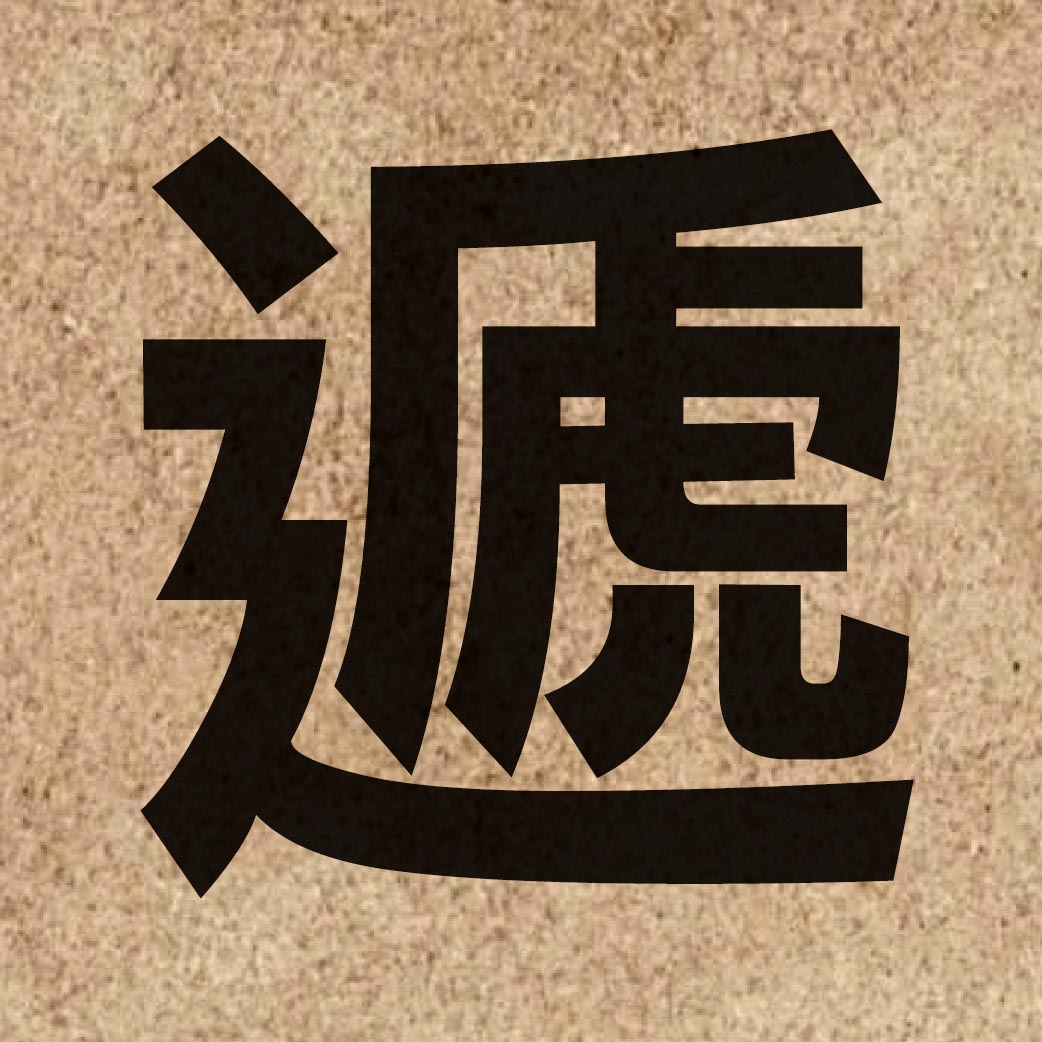
遞: Describe actions or processes, which are used in daily life, more advanced Chinese characters (more than 7,000 characters in total)
The Chinese character【遞】is a word that describes an action or process, and is mainly used for the following meanings: Transfer or exchange. You can refer…
View More 遞: Describe actions or processes, which are used in daily life, more advanced Chinese characters (more than 7,000 characters in total)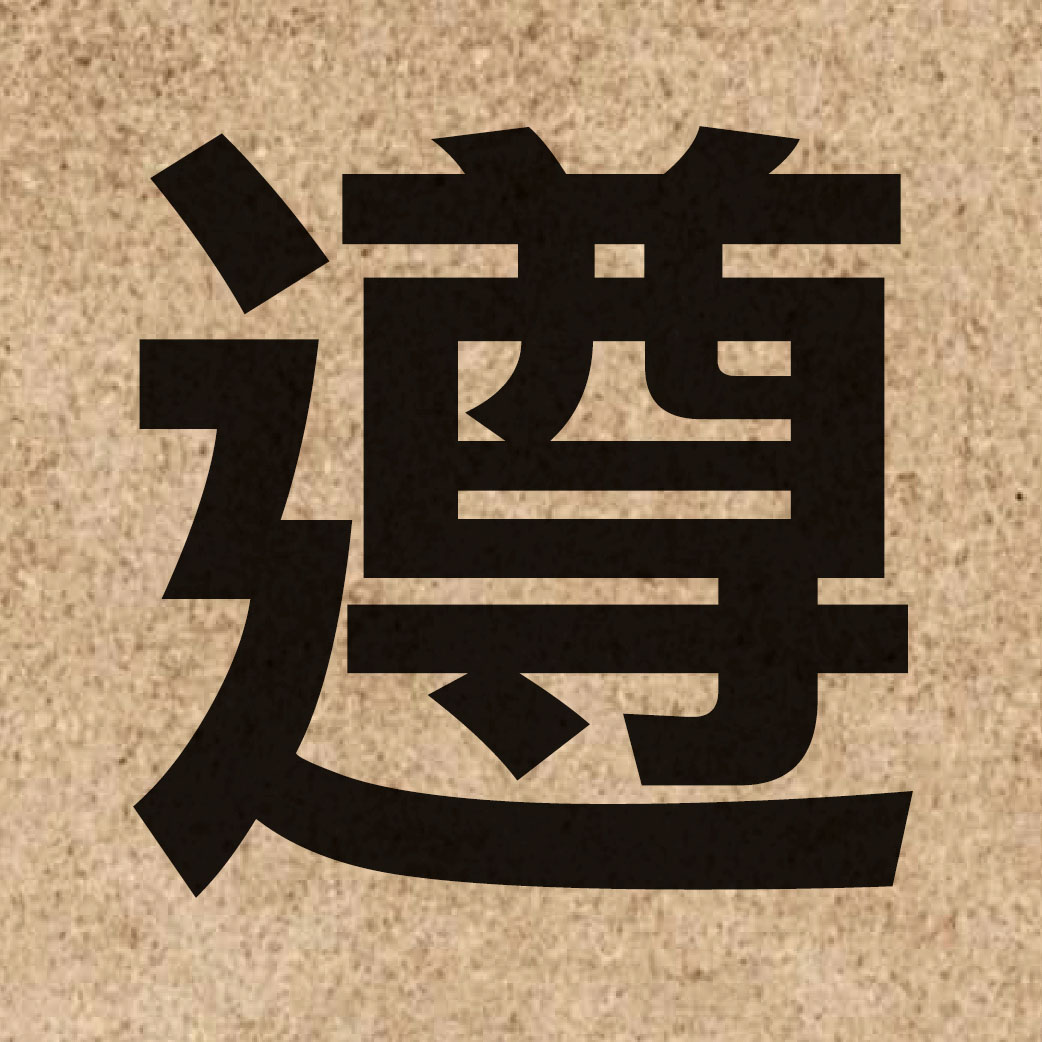
遵: Describing actions or attitudes, these are common words in daily life. They are relatively advanced Chinese words (with basic explanations)
The Chinese character【遵】is a word that describes actions or attitudes, and is mainly used for the following meanings: Comply or follow. Here’s the way to…
View More 遵: Describing actions or attitudes, these are common words in daily life. They are relatively advanced Chinese words (with basic explanations)