
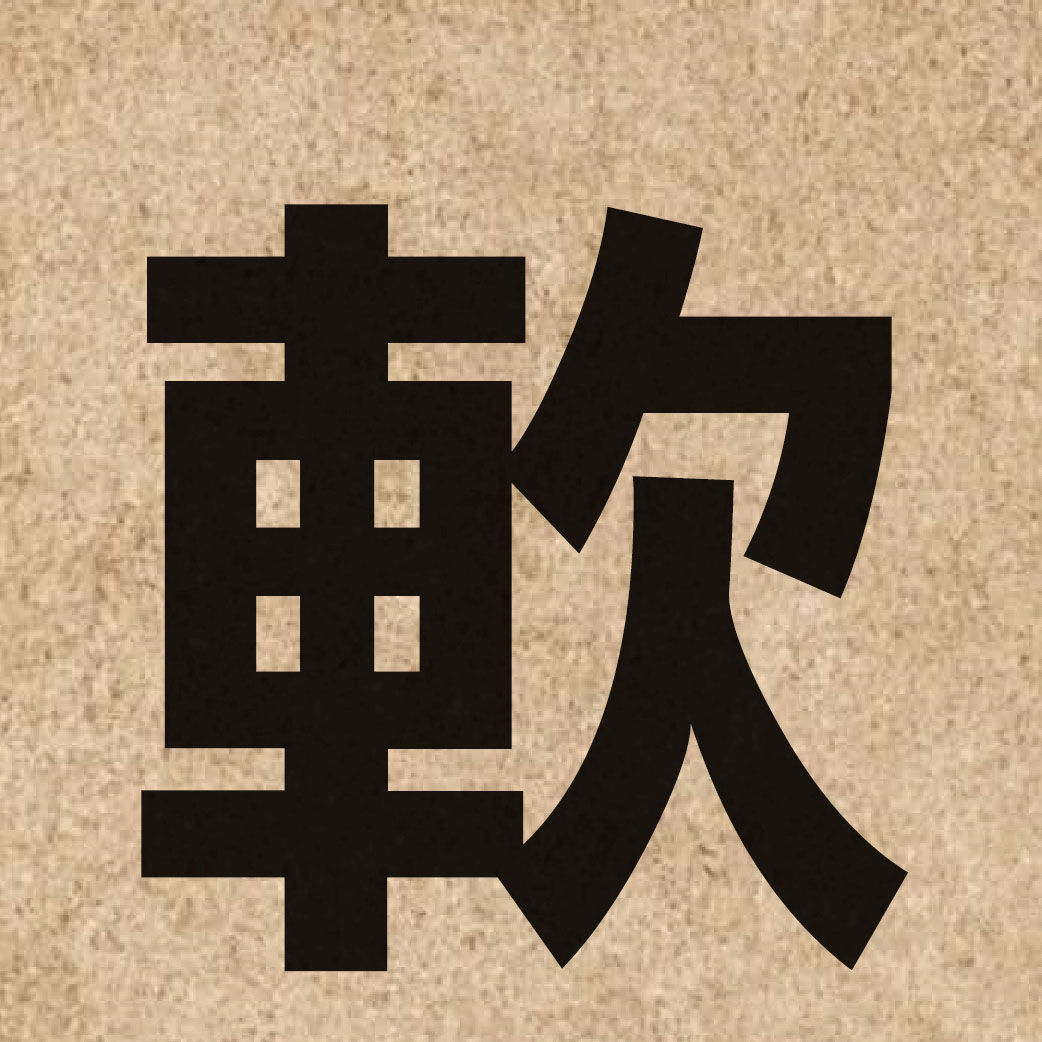
The Chinese word【軟】(soft) that we will introduce this time is a word that describes a state or character. It is mainly used for the following…
View More 軟: Describing status or personality, it is definitely used in daily life, more advanced Chinese characters (simple version of the dictionary)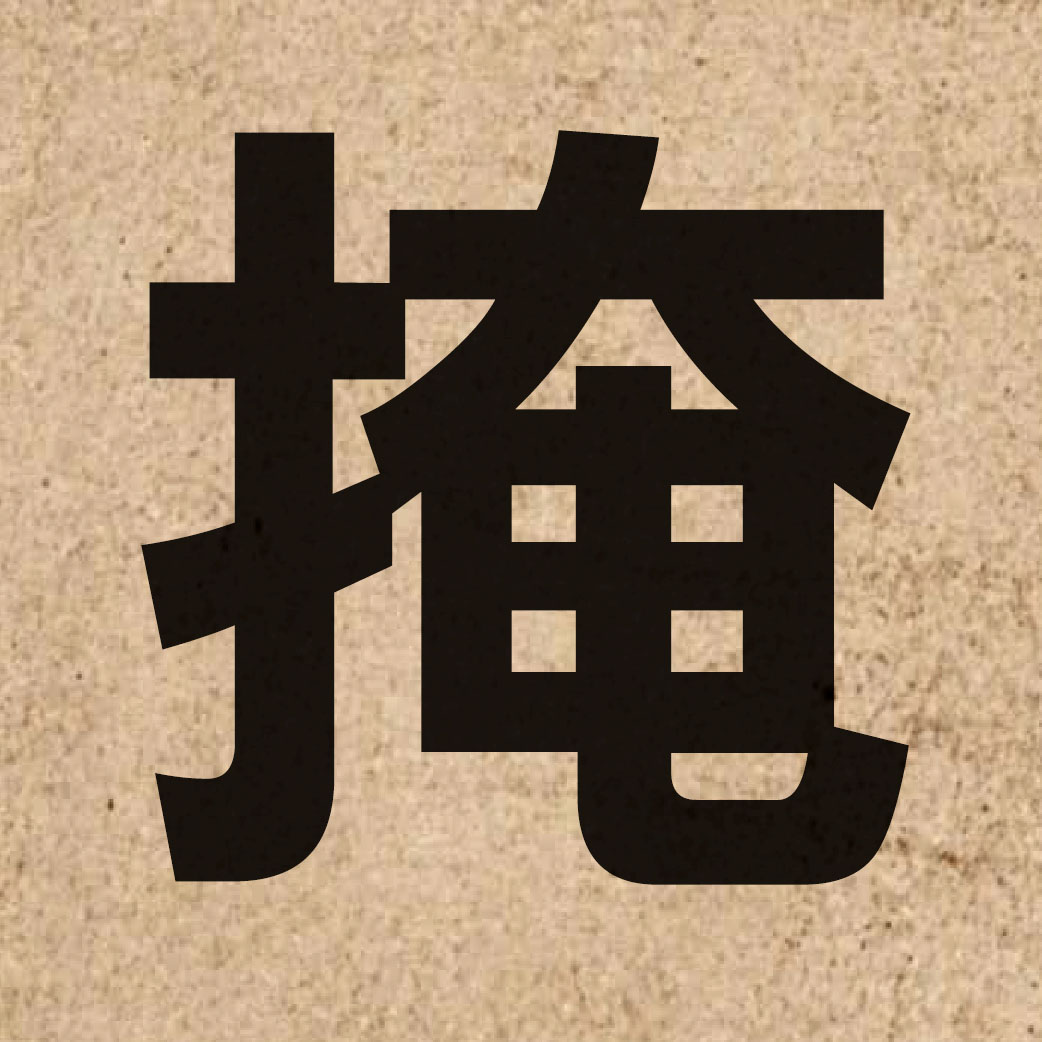
掩: Describes actions or behaviors, which are commonly used in daily life. More advanced Chinese characters (with Cantonese and Mandarin pronunciation)
The Chinese character【掩】is used to describe an action or behavior, and is mainly used for the following meanings: Cover or hide. Explanation: (1) To cover…
View More 掩: Describes actions or behaviors, which are commonly used in daily life. More advanced Chinese characters (with Cantonese and Mandarin pronunciation)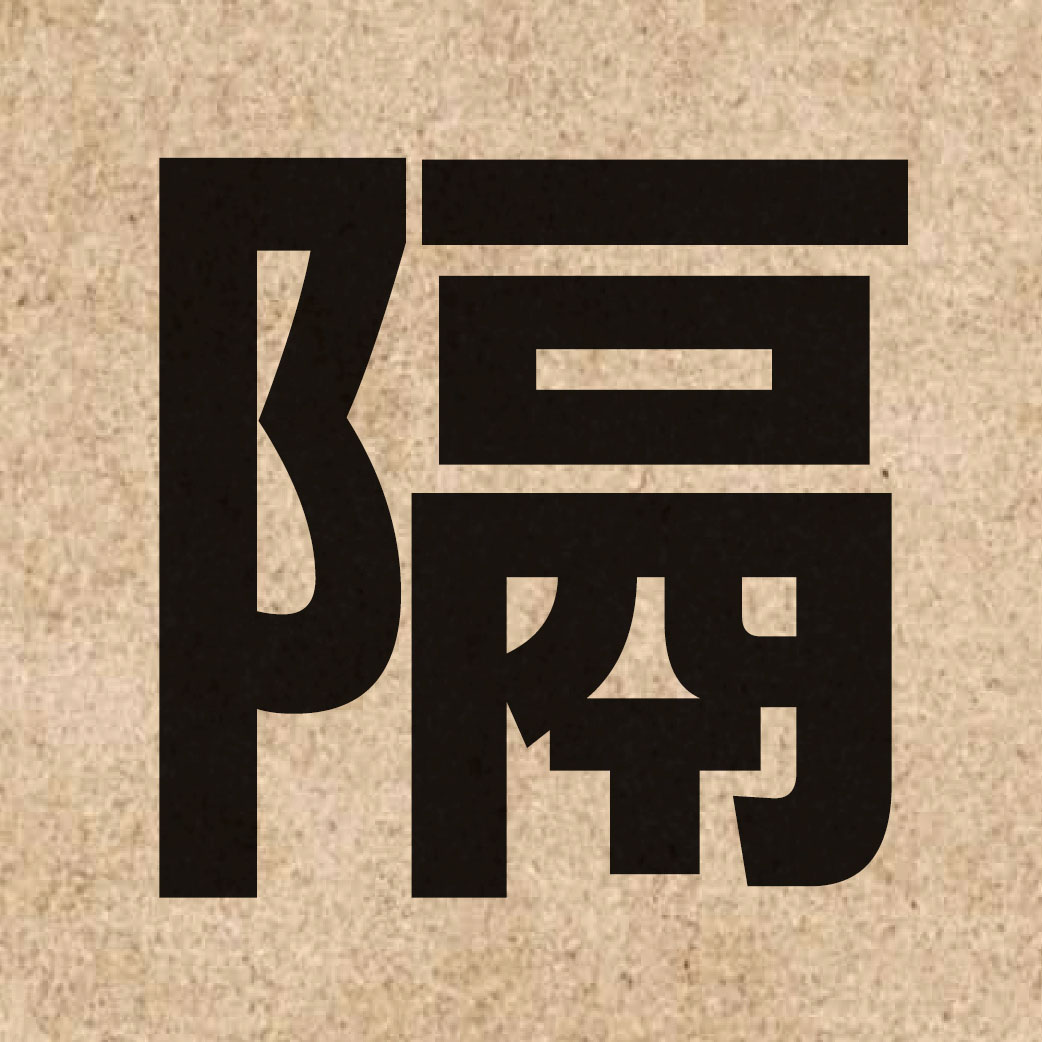
隔: Describes distance or protection, which is used in daily life. It is a relatively advanced Chinese word (a simple version of the dictionary)
The Chinese character【隔】(gap) that I will teach you this time is a word that describes distance or protection. It is mainly used for the following…
View More 隔: Describes distance or protection, which is used in daily life. It is a relatively advanced Chinese word (a simple version of the dictionary)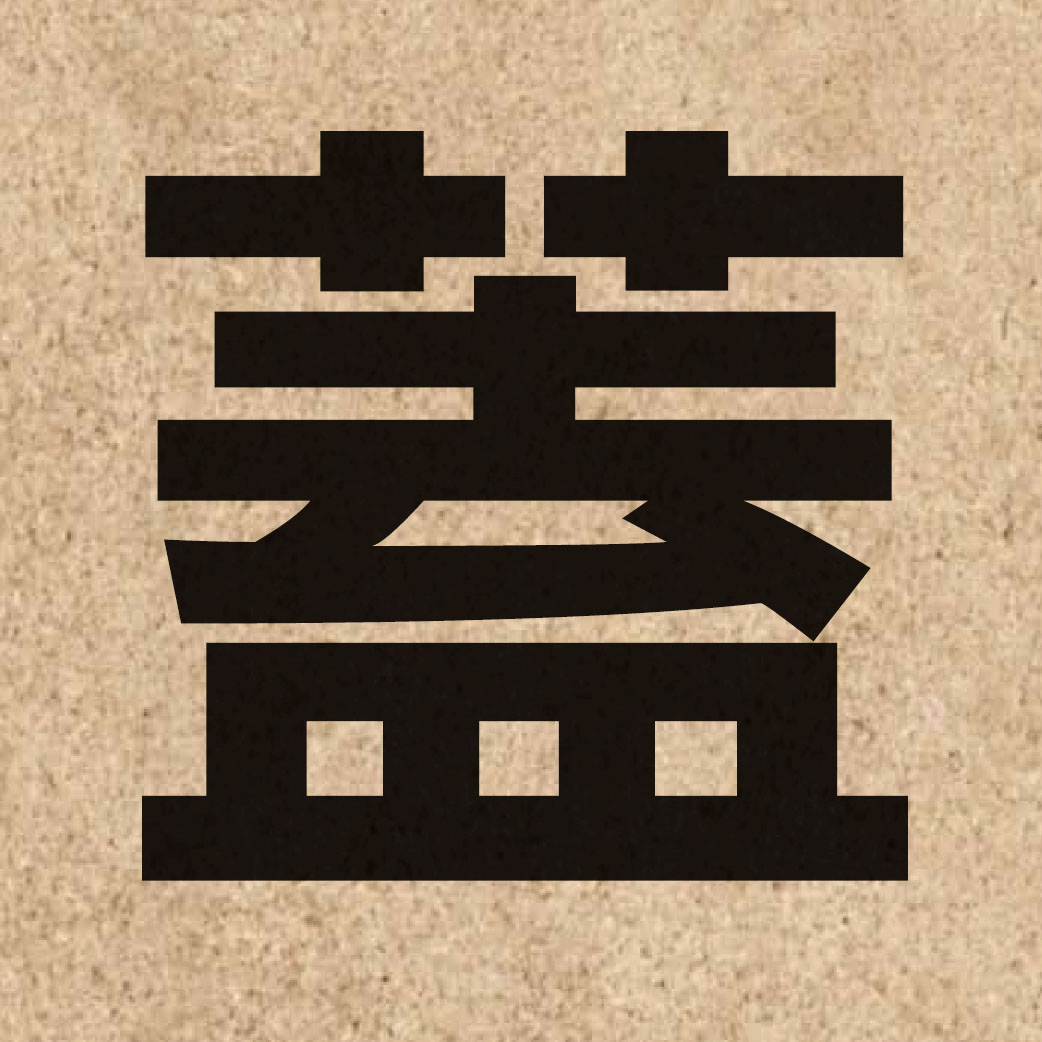
蓋: Describe actions or objects that are used in daily life. Advanced Chinese characters (with basic explanations)
The Chinese character【蓋】that we will explain today is a character that describes an action or an object. It is mainly used for the following meanings:…
View More 蓋: Describe actions or objects that are used in daily life. Advanced Chinese characters (with basic explanations)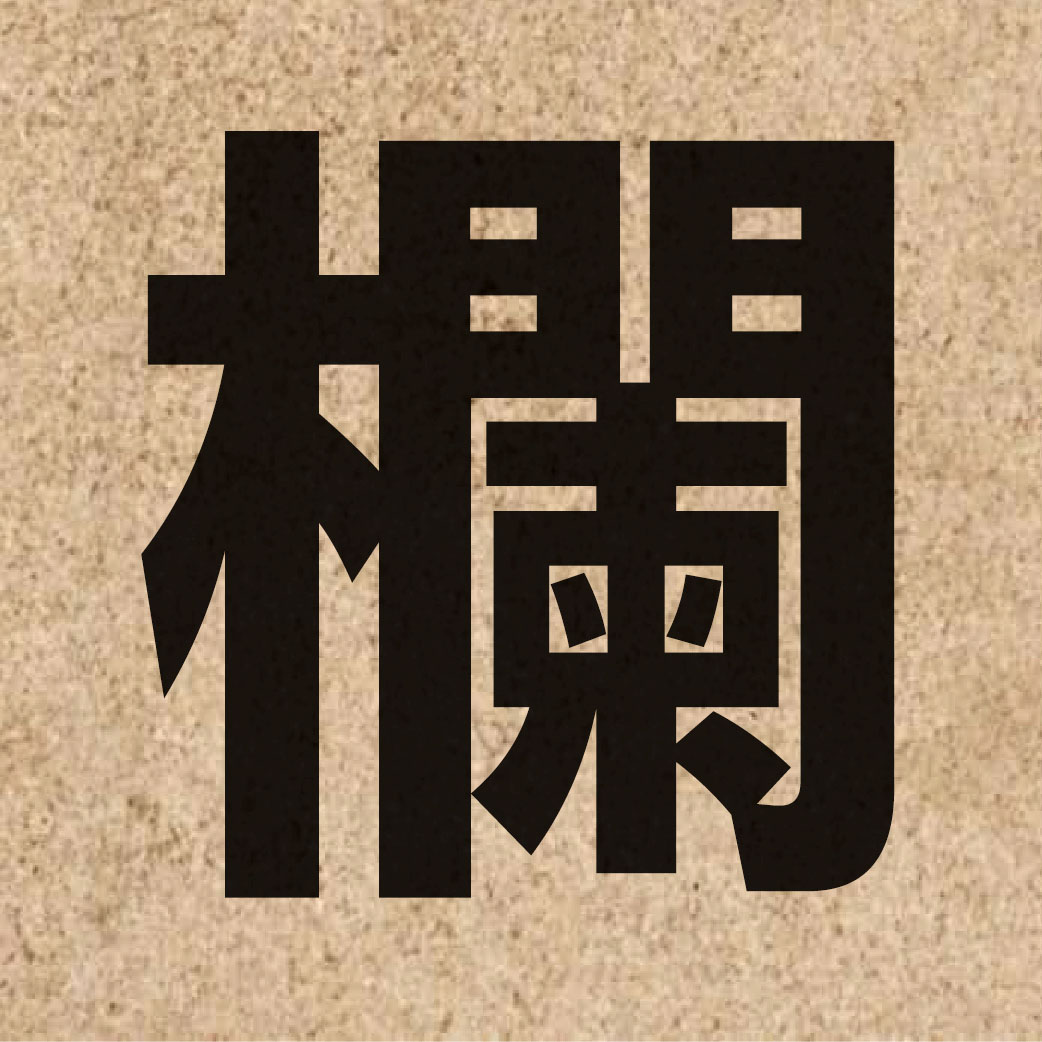
欄: Describe buildings or objects that are used in daily life. Advanced Chinese characters (more than 7,000 characters in total)
The Chinese character【欄】is used to describe buildings or objects, and is mainly used for the following meanings: Railings or dividers. Explanation: (1) Something used to…
View More 欄: Describe buildings or objects that are used in daily life. Advanced Chinese characters (more than 7,000 characters in total)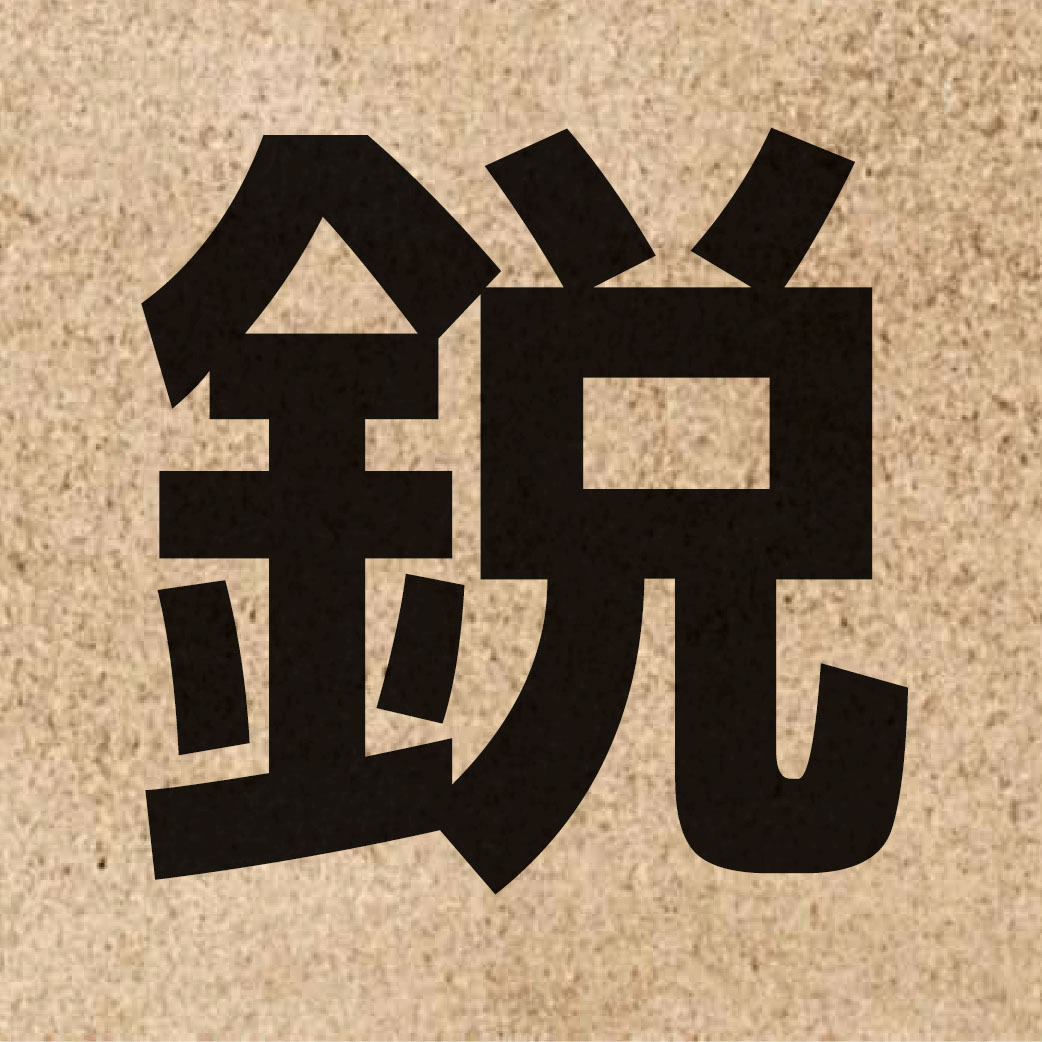
銳: Describe objects or characteristics that are definitely used in daily life, more advanced Chinese characters (with Cantonese and Mandarin pronunciation)
The Chinese word【銳】that we will introduce this time is a word that describes an object or characteristic. It is mainly used for the following meanings:…
View More 銳: Describe objects or characteristics that are definitely used in daily life, more advanced Chinese characters (with Cantonese and Mandarin pronunciation)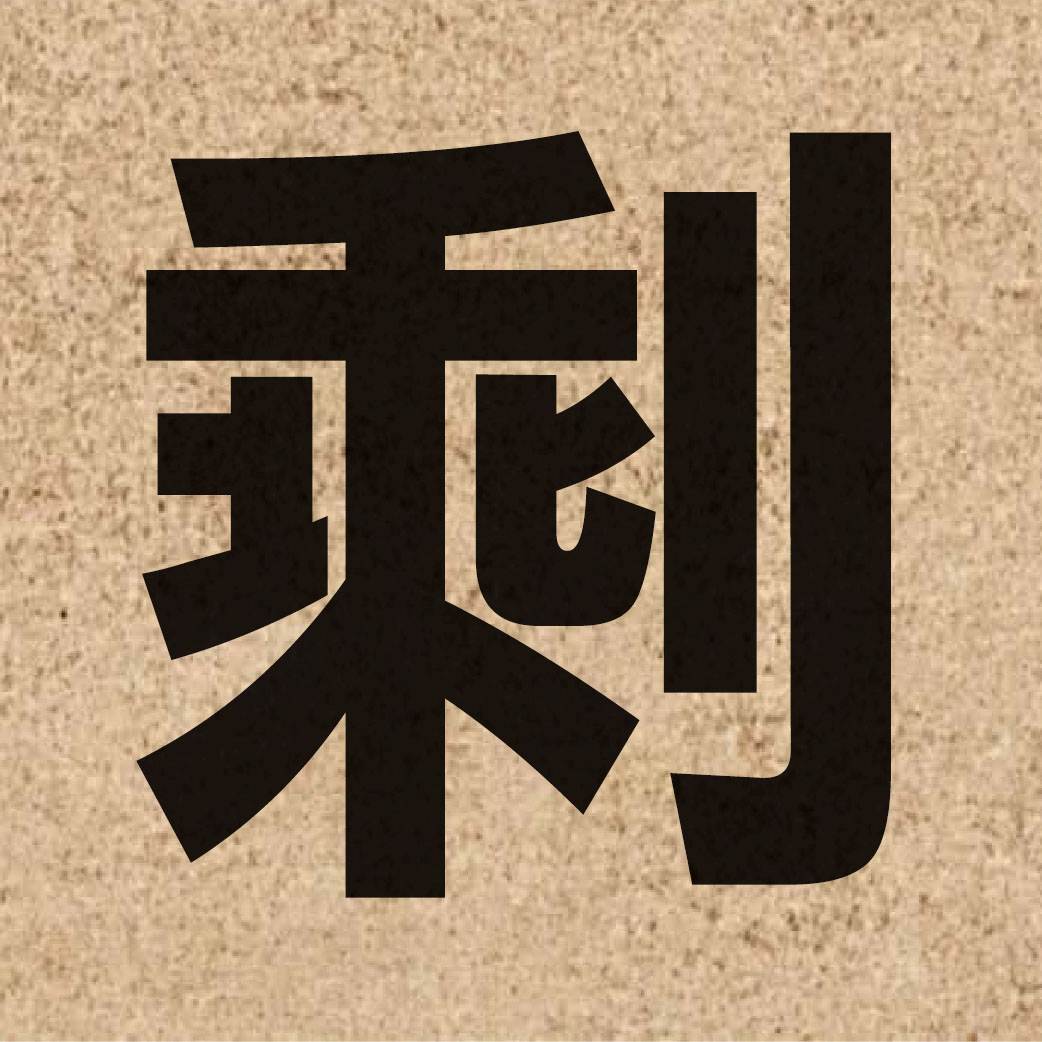
剩: Describe quantity or status, which is used in daily life, more advanced Chinese characters (simple version of the dictionary)
The Chinese character【剩】(leftover) that we will be discussing today is a word that describes quantity or status. It is mainly used for the following meanings:…
View More 剩: Describe quantity or status, which is used in daily life, more advanced Chinese characters (simple version of the dictionary)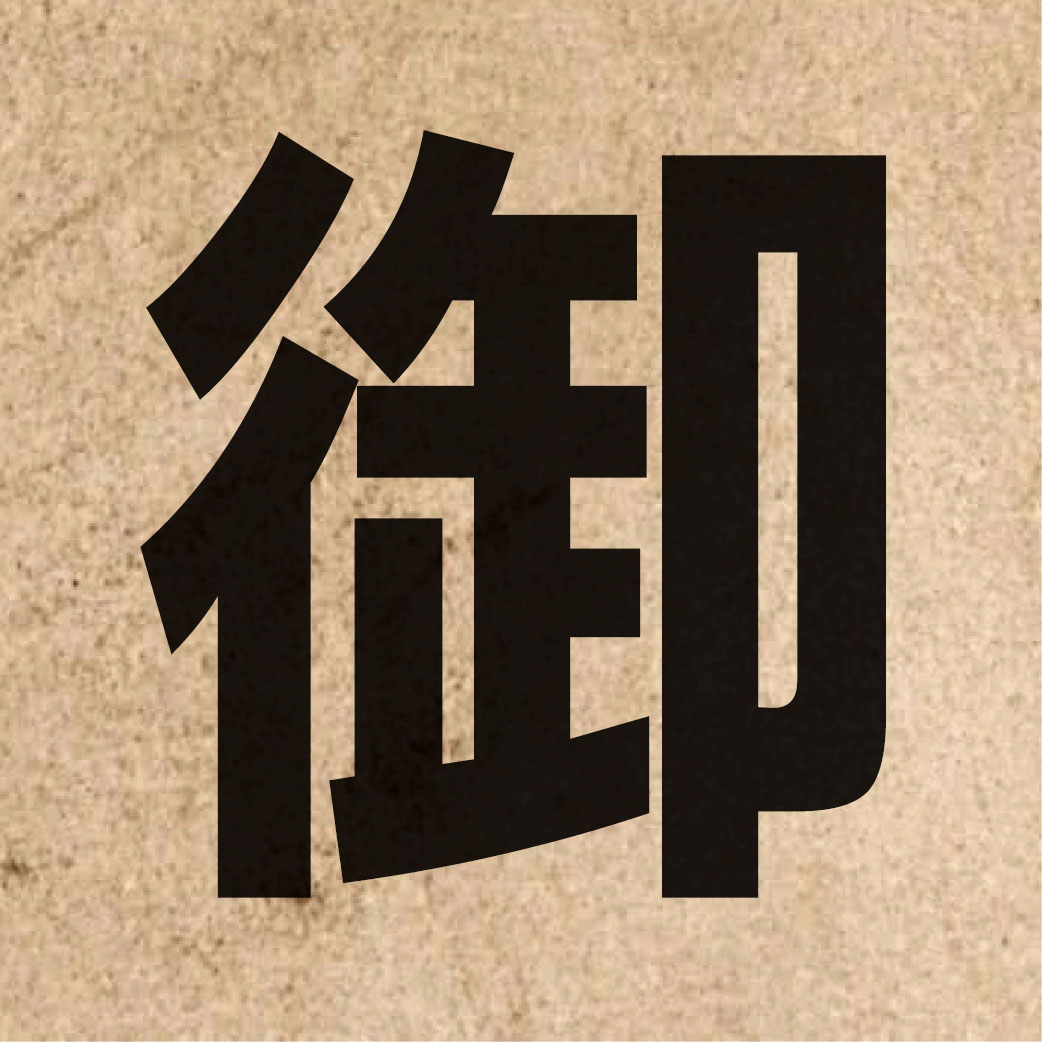
御: Describing actions or power, it is definitely used in daily life, more advanced Chinese words (with basic explanations)
The Chinese character【御】is a word that describes action or power, and is mainly used for the following meanings: Driving or controlling. Explanation: (1) Driving. Such…
View More 御: Describing actions or power, it is definitely used in daily life, more advanced Chinese words (with basic explanations)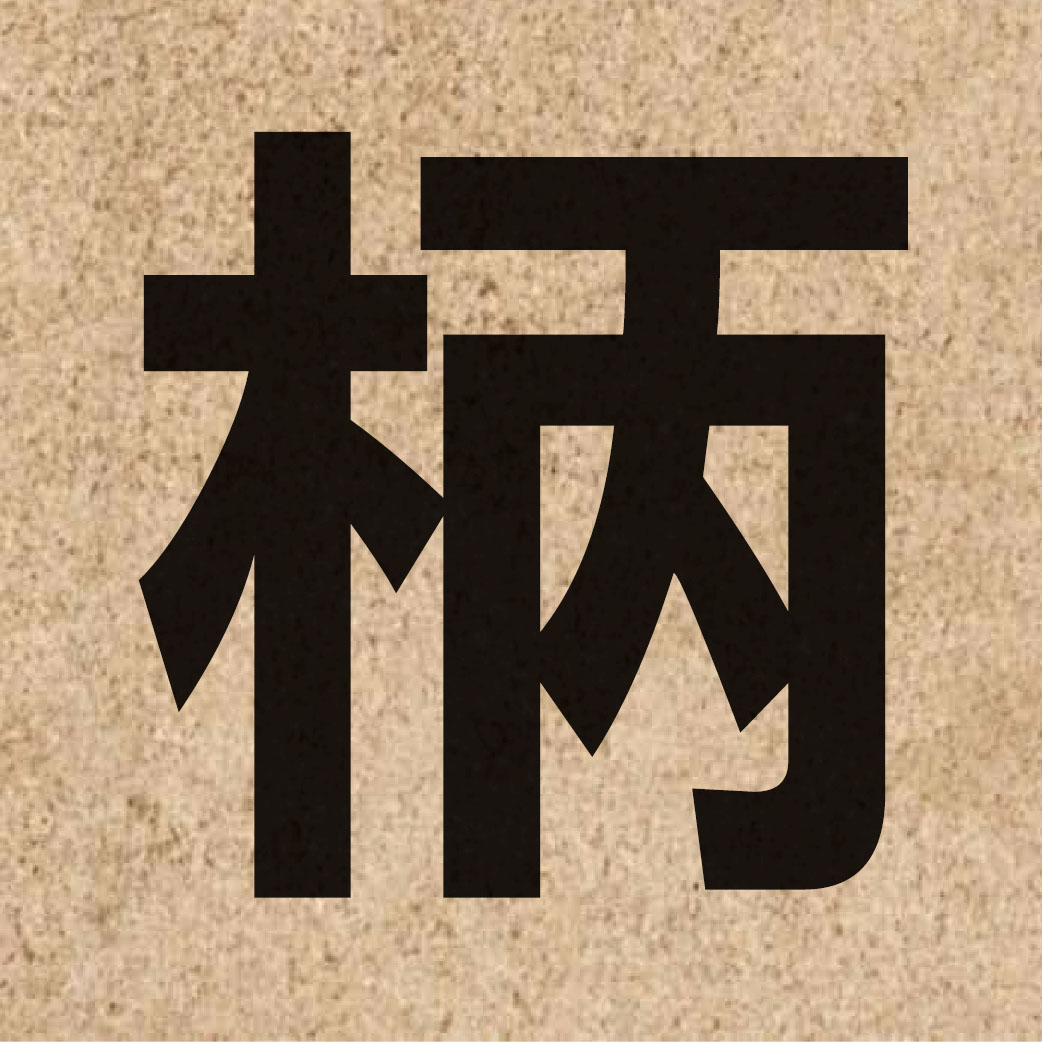
柄: Describe objects or controls that are used in daily life. Advanced Chinese characters (free learning resources)
The Chinese character【柄】(handle) that we will be discussing today is a word that describes an object or control. It is mainly used for the following…
View More 柄: Describe objects or controls that are used in daily life. Advanced Chinese characters (free learning resources)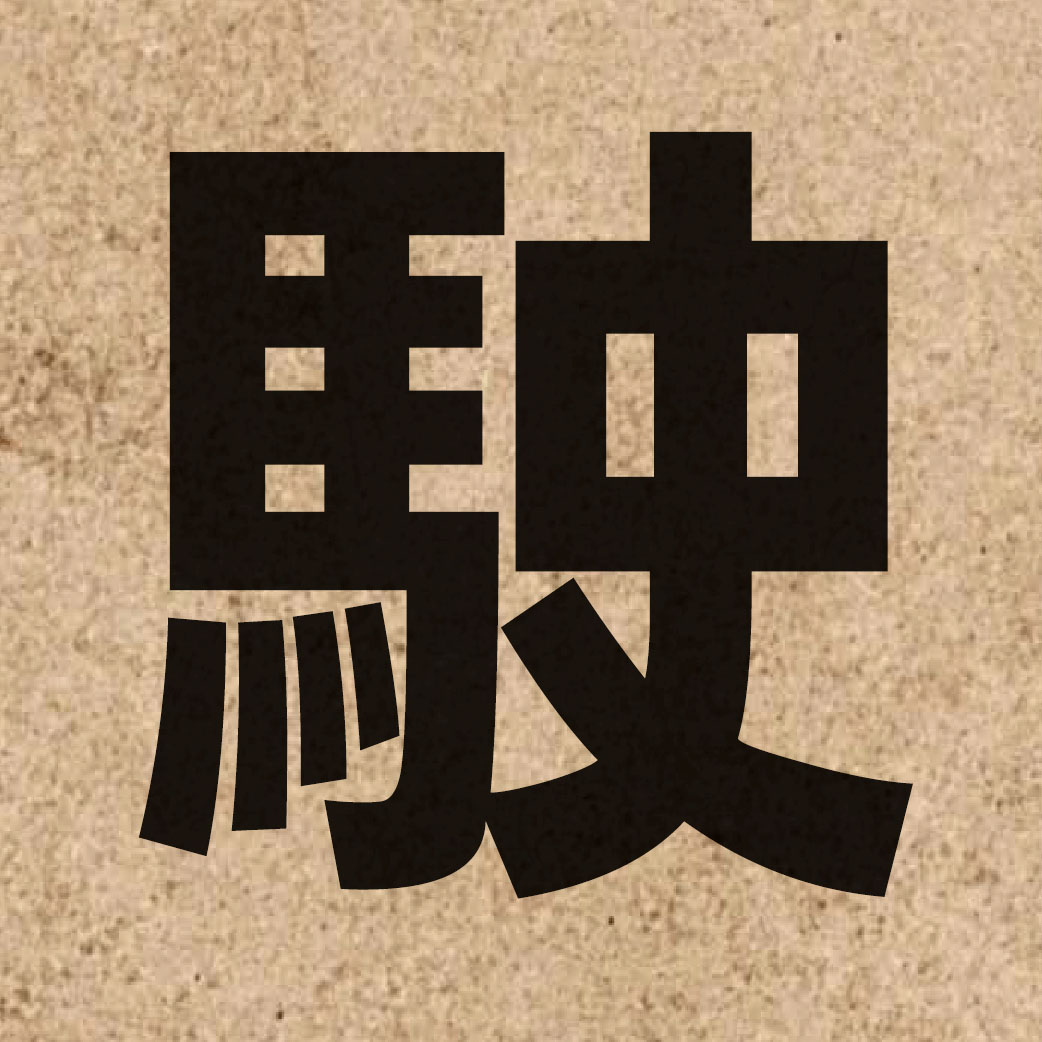
駛: Describe actions or skills that are used in daily life. Advanced Chinese characters (with basic explanations)
The Chinese character【駛】that I will teach you this time is a word that describes action or skill. It is mainly used for the following meanings:…
View More 駛: Describe actions or skills that are used in daily life. Advanced Chinese characters (with basic explanations)