
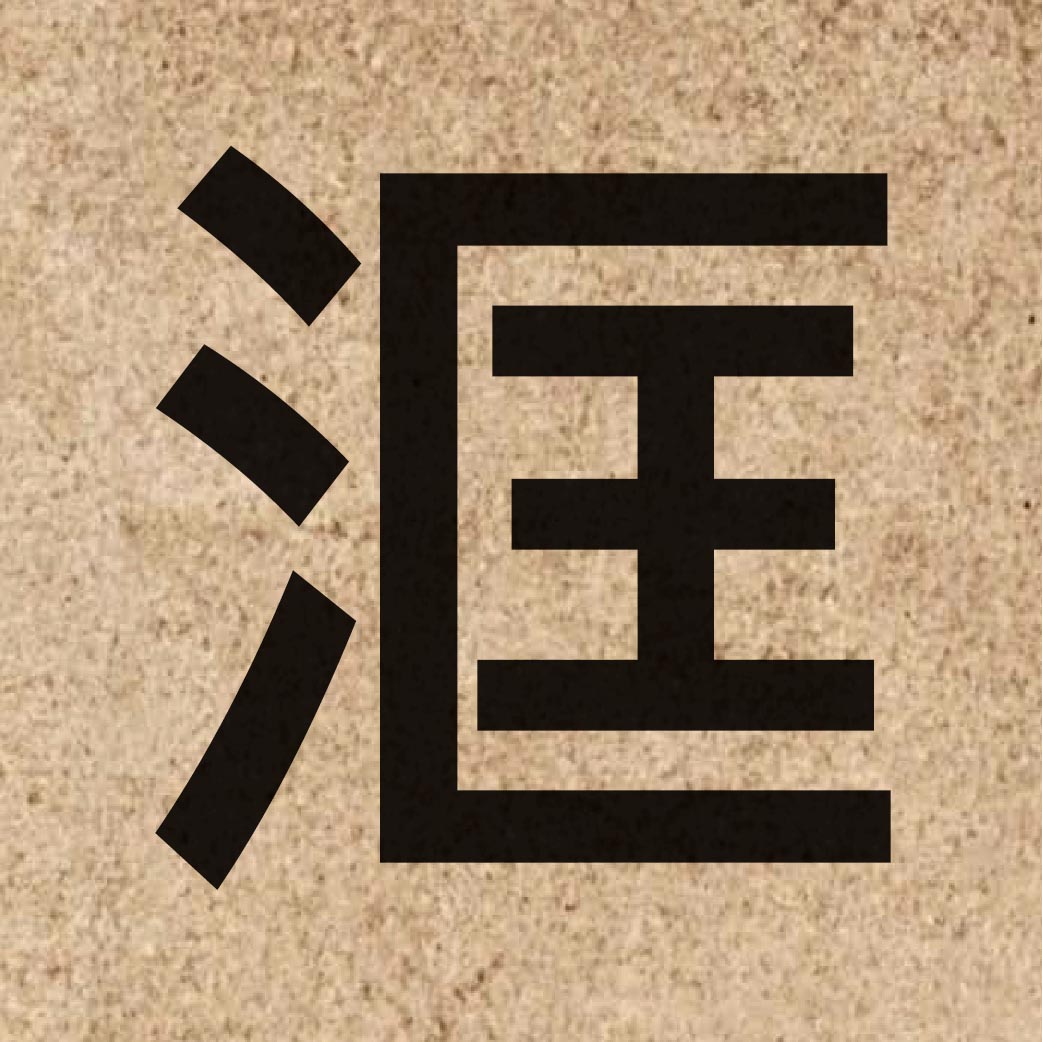
The Chinese word【洭】that we will introduce this time is a word that describes nature or water, and is mainly used for the following meanings: stream…
View More 洭: Describing nature or hydrology, rare Chinese characters may only be seen in ancient documents (free learning resources)
栳: Describe objects or their uses, rare Chinese characters that may only be found in ancient documents (more than 7,000 characters in total)
The Chinese character【栳】that we will explain today is a word that describes an object or purpose. It is mainly used for the following meanings: Bamboo…
View More 栳: Describe objects or their uses, rare Chinese characters that may only be found in ancient documents (more than 7,000 characters in total)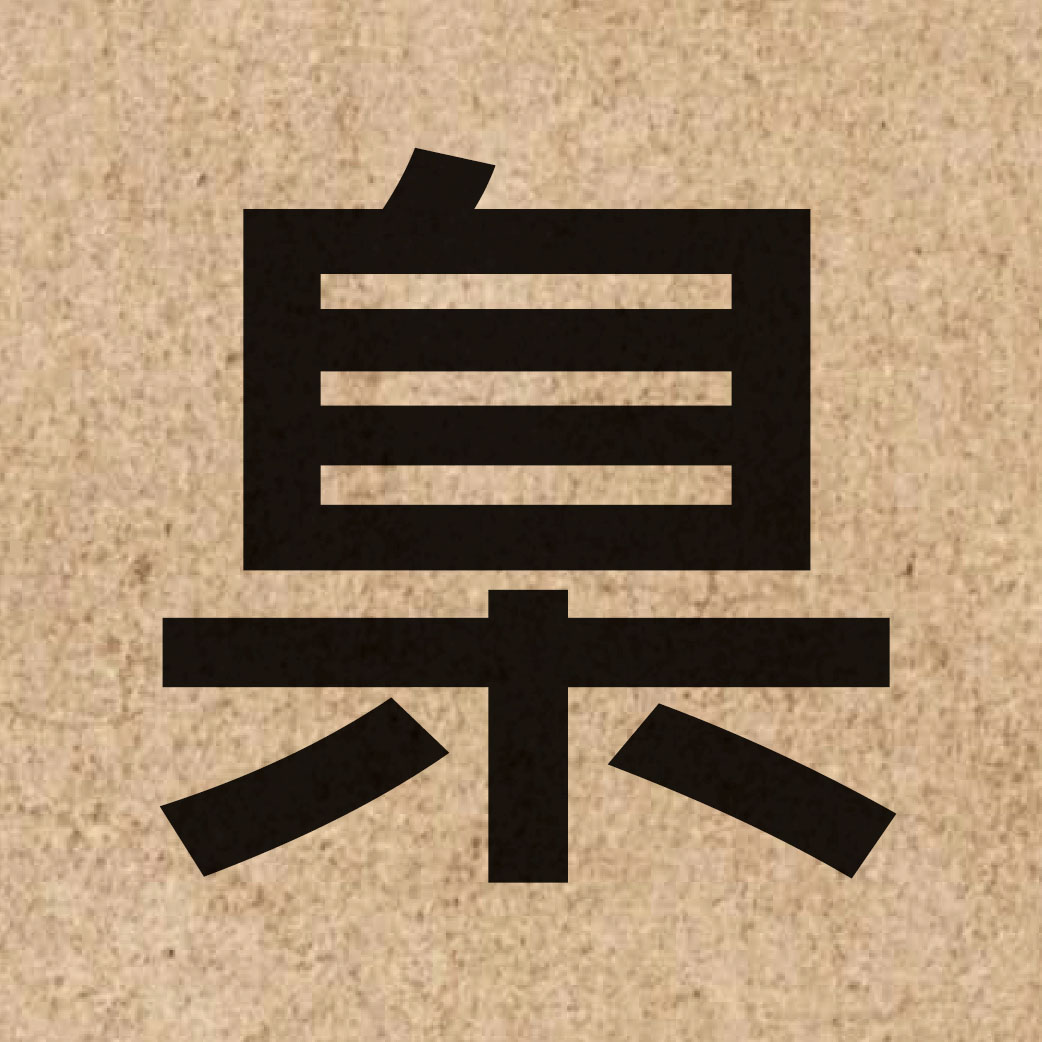
臬: Describes principles or standards, and may only be found in ancient Chinese texts (with basic explanations)
The Chinese character【臬】that we will discuss today is a word that describes principles or standards. It is mainly used for the following meanings: Rule or…
View More 臬: Describes principles or standards, and may only be found in ancient Chinese texts (with basic explanations)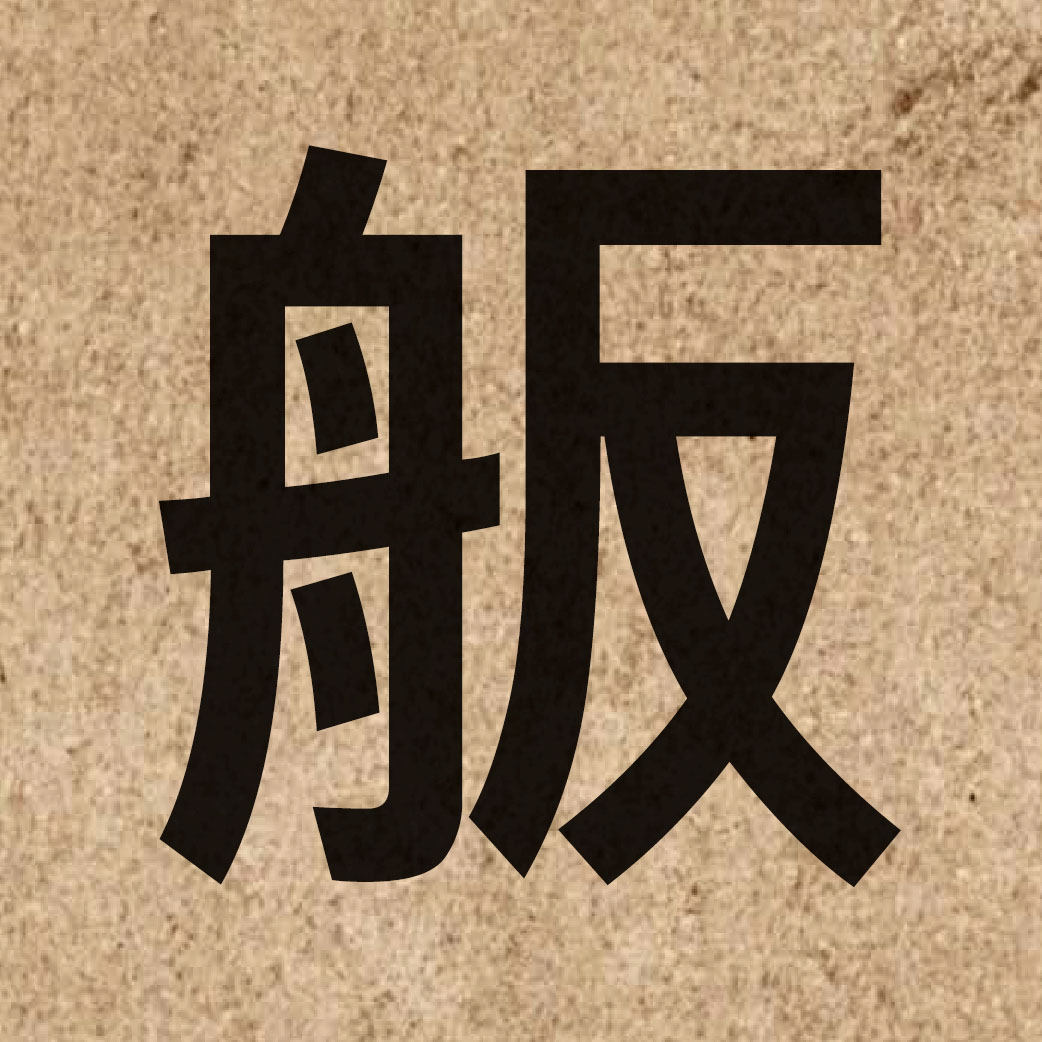
舨: Describing transportation or tools, rare Chinese characters that may only be found in ancient documents (more than 7,000 characters in total)
The Chinese character【舨】is used to describe transportation or tools, and is mainly used for the following meanings: A boat or vessel. You can refer to…
View More 舨: Describing transportation or tools, rare Chinese characters that may only be found in ancient documents (more than 7,000 characters in total)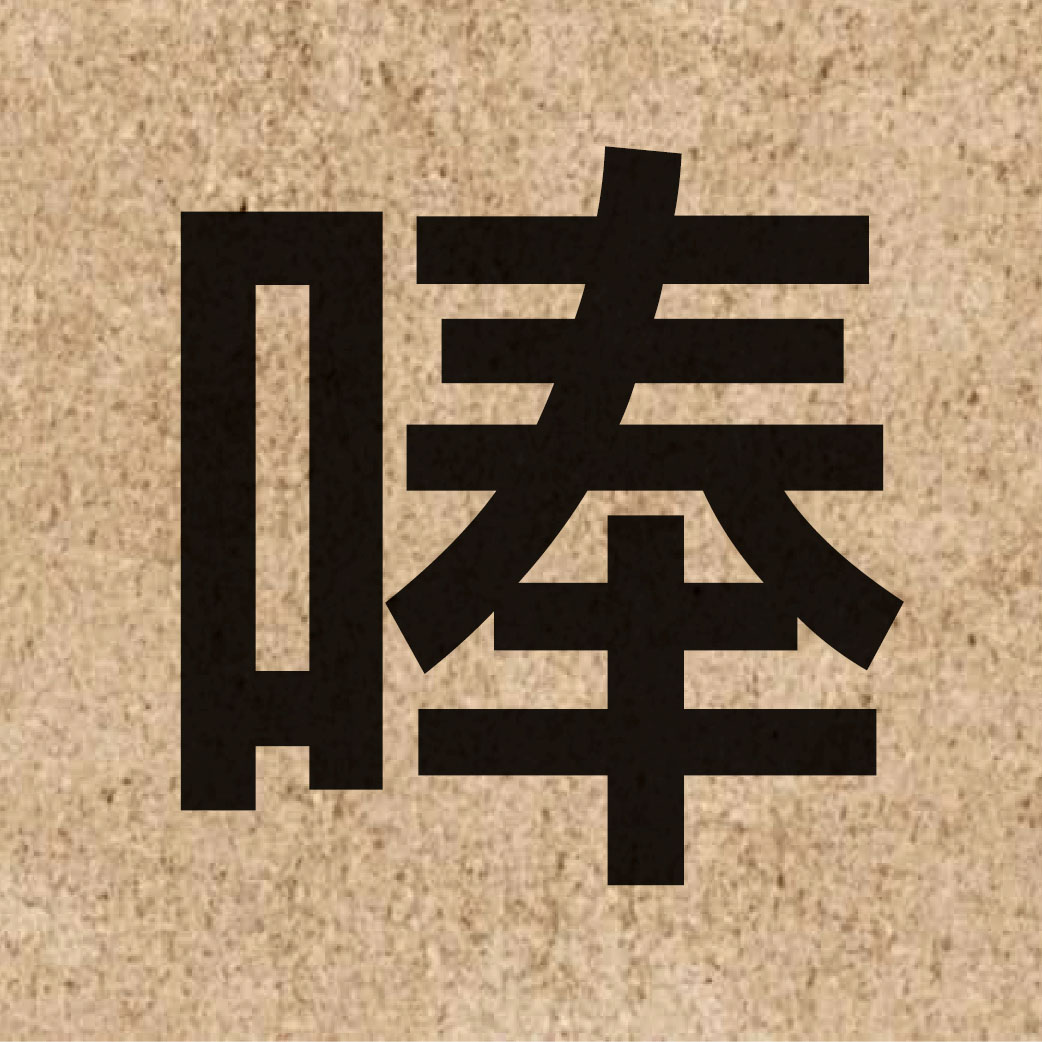
唪: Describes actions or behaviors, and may only be found in ancient Chinese texts (with Cantonese and Mandarin pronunciation)
The Chinese word【唪】that we will introduce this time is a word that describes an action or behavior. It is mainly used for the following meanings:…
View More 唪: Describes actions or behaviors, and may only be found in ancient Chinese texts (with Cantonese and Mandarin pronunciation)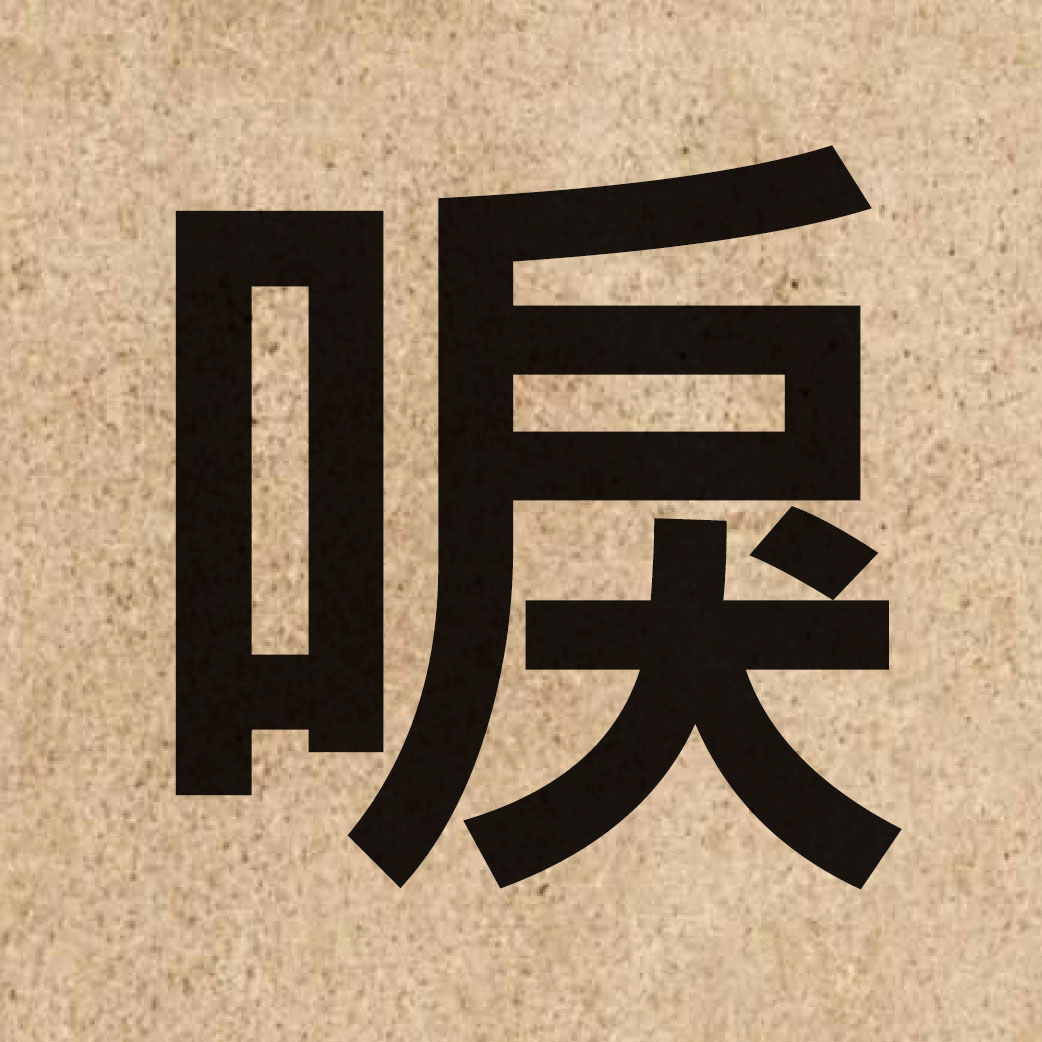
唳: Describing nature or sounds, rare Chinese characters that may only be found in ancient documents (more than 7,000 characters in total)
The Chinese word【唳】that we will introduce this time is a word that describes nature or sound. It is mainly used for the following meanings: Birds…
View More 唳: Describing nature or sounds, rare Chinese characters that may only be found in ancient documents (more than 7,000 characters in total)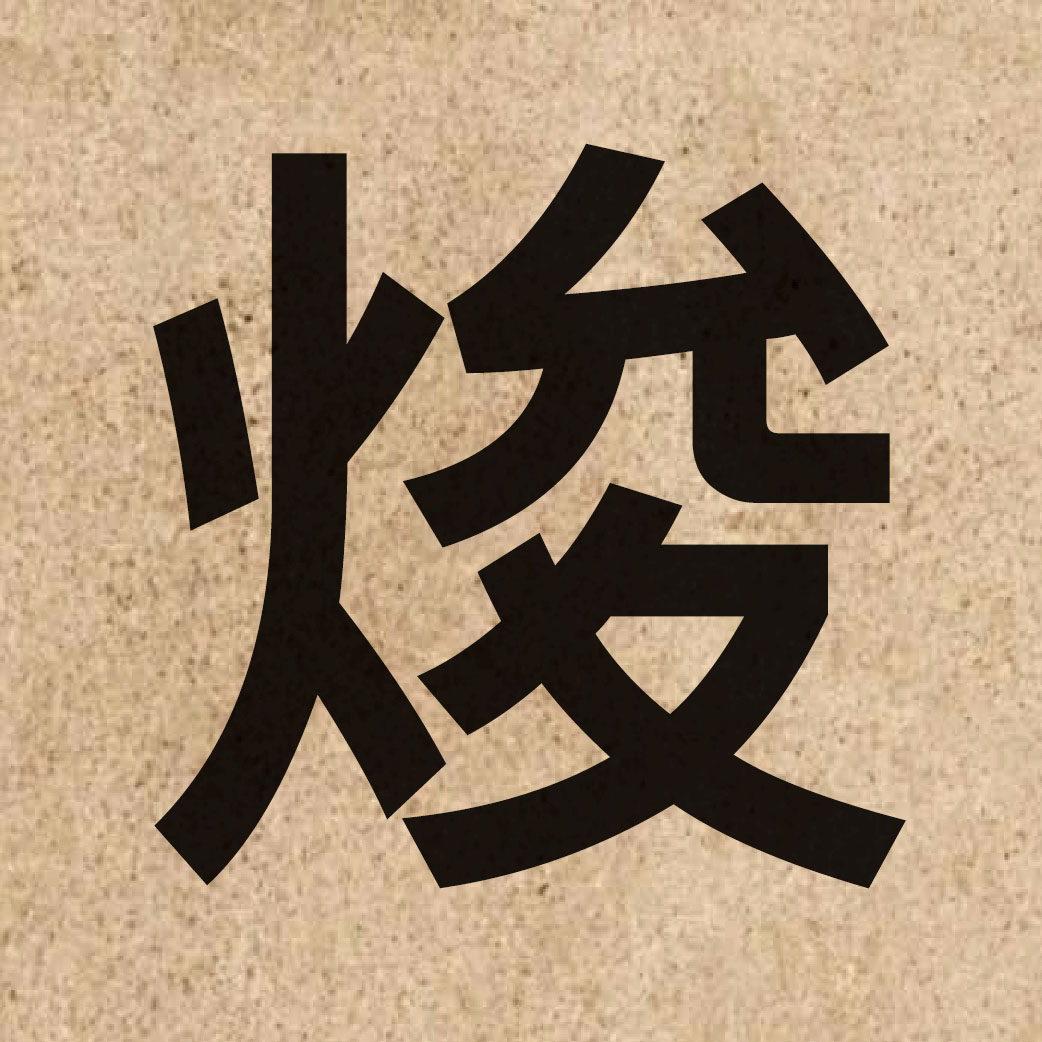
焌: Describes actions or processes, using rare Chinese characters that may only be found in ancient documents (more than 7,000 characters in total)
The Chinese character【焌】that I will teach you today is a word that describes an action or process. It is mainly used for the following meanings:…
View More 焌: Describes actions or processes, using rare Chinese characters that may only be found in ancient documents (more than 7,000 characters in total)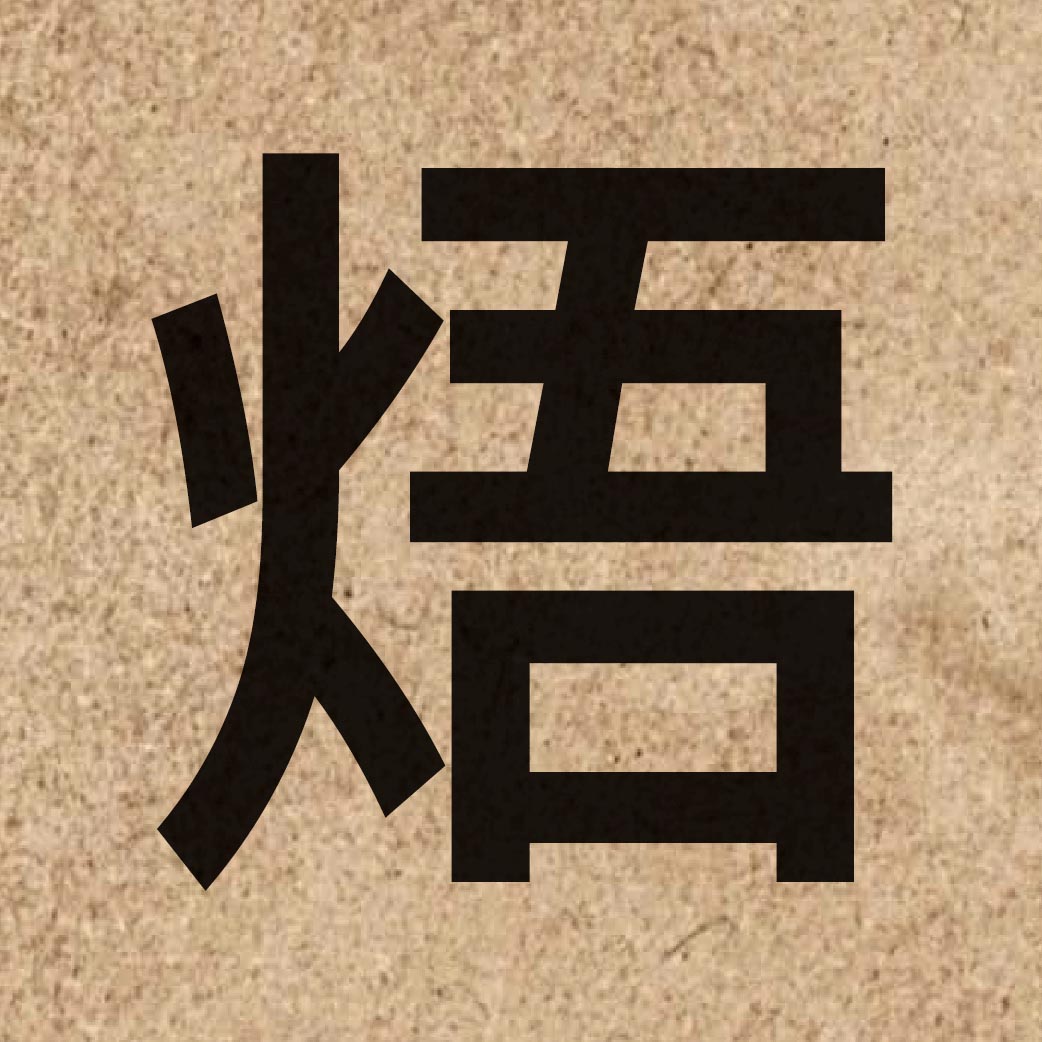
焐: Describing actions or cooking, rare Chinese characters that may only be seen in ancient documents (with Cantonese and Mandarin pronunciation)
The Chinese character【焐】that we will explain today is a word that describes an action or cooking. It is mainly used for the following meanings: Simmer…
View More 焐: Describing actions or cooking, rare Chinese characters that may only be seen in ancient documents (with Cantonese and Mandarin pronunciation)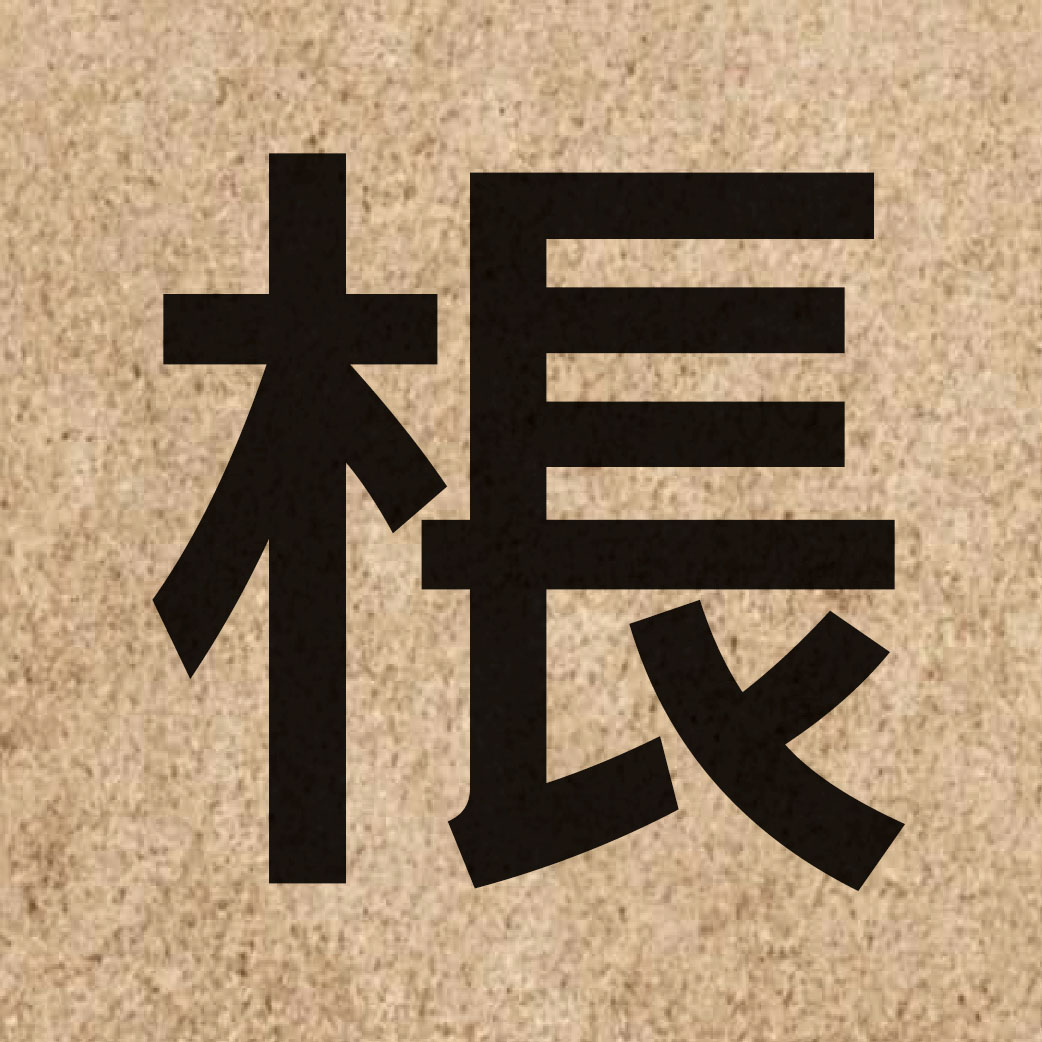
棖: Describing objects or structures, rare Chinese characters may only be found in ancient documents (free learning resources)
The Chinese word【棖】that we will introduce this time is a word that describes an object or structure. It is mainly used for the following meanings:…
View More 棖: Describing objects or structures, rare Chinese characters may only be found in ancient documents (free learning resources)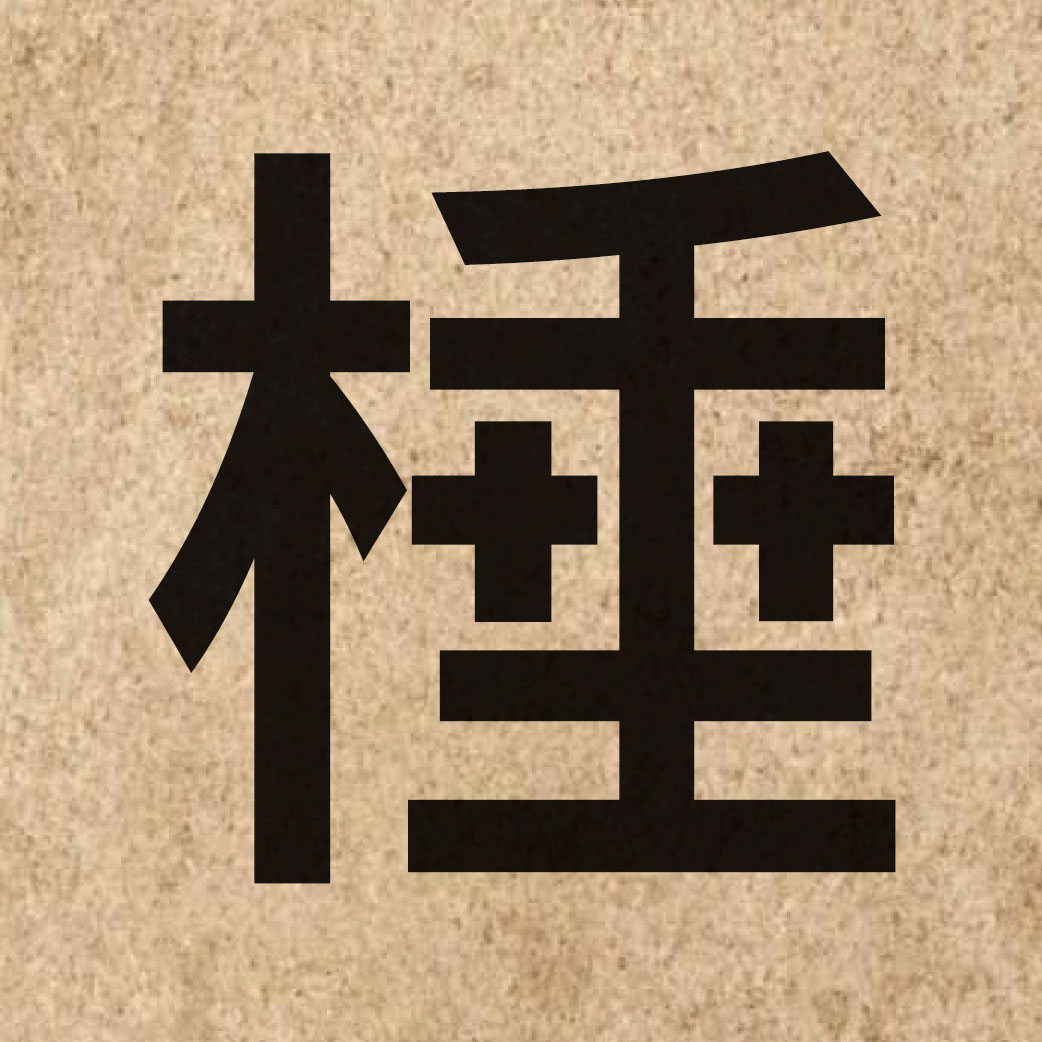
棰: Describing actions or tools, rare Chinese characters may only be found in ancient documents (with basic explanations)
The Chinese character【棰】is a word that describes an action or a tool, and is mainly used for the following meanings: The stick or punishment. Here’s…
View More 棰: Describing actions or tools, rare Chinese characters may only be found in ancient documents (with basic explanations)