
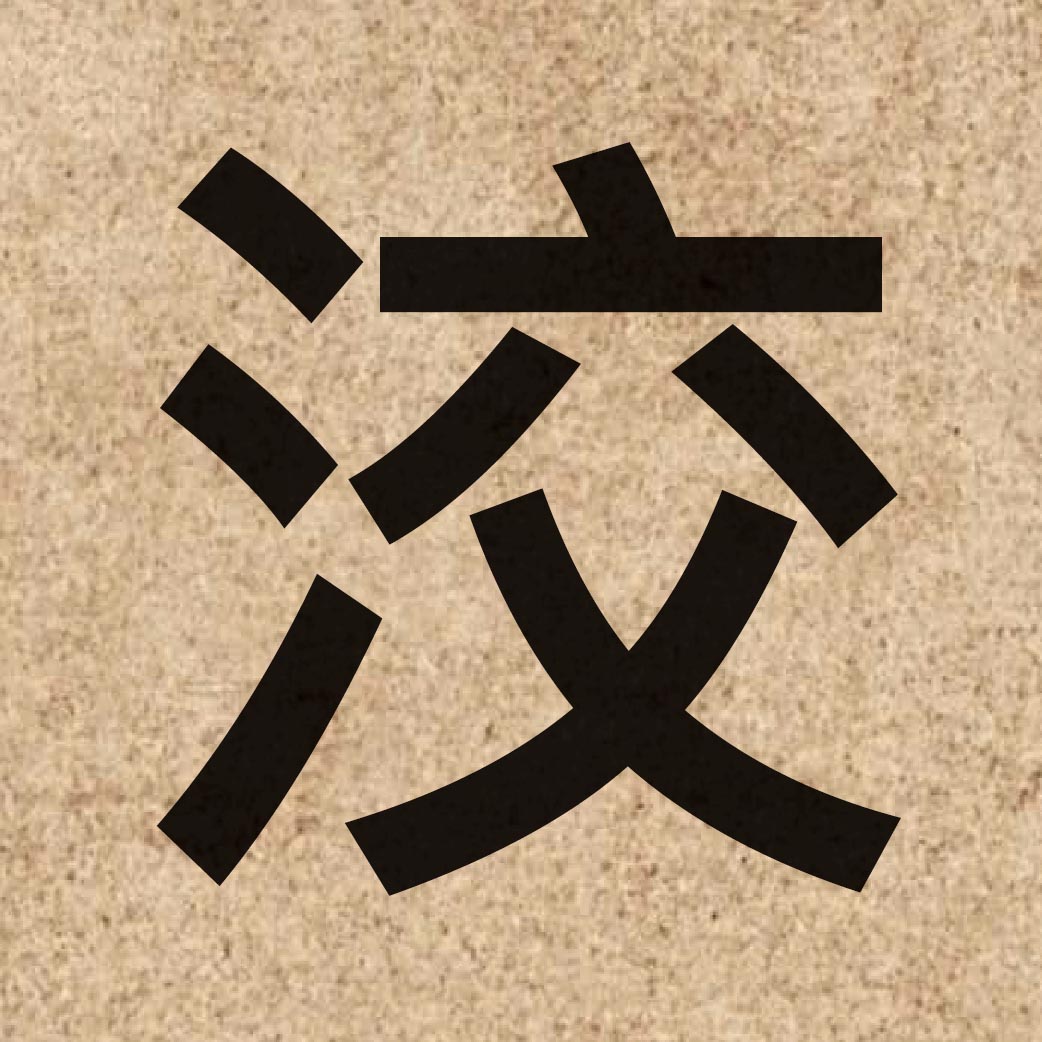
The Chinese character【洨】that I will teach you this time is a word that describes geography or culture. It is mainly used for the following meanings:…
View More 洨: Describing geography or culture, rare Chinese characters may only be found in ancient documents (free learning resources)
竑: Describes a range or state, and may only be found in ancient Chinese texts (a simplified version of a dictionary)
The Chinese character【竑】that we will explain today is a word that describes a range or state. It is mainly used for the following meanings: Vast…
View More 竑: Describes a range or state, and may only be found in ancient Chinese texts (a simplified version of a dictionary)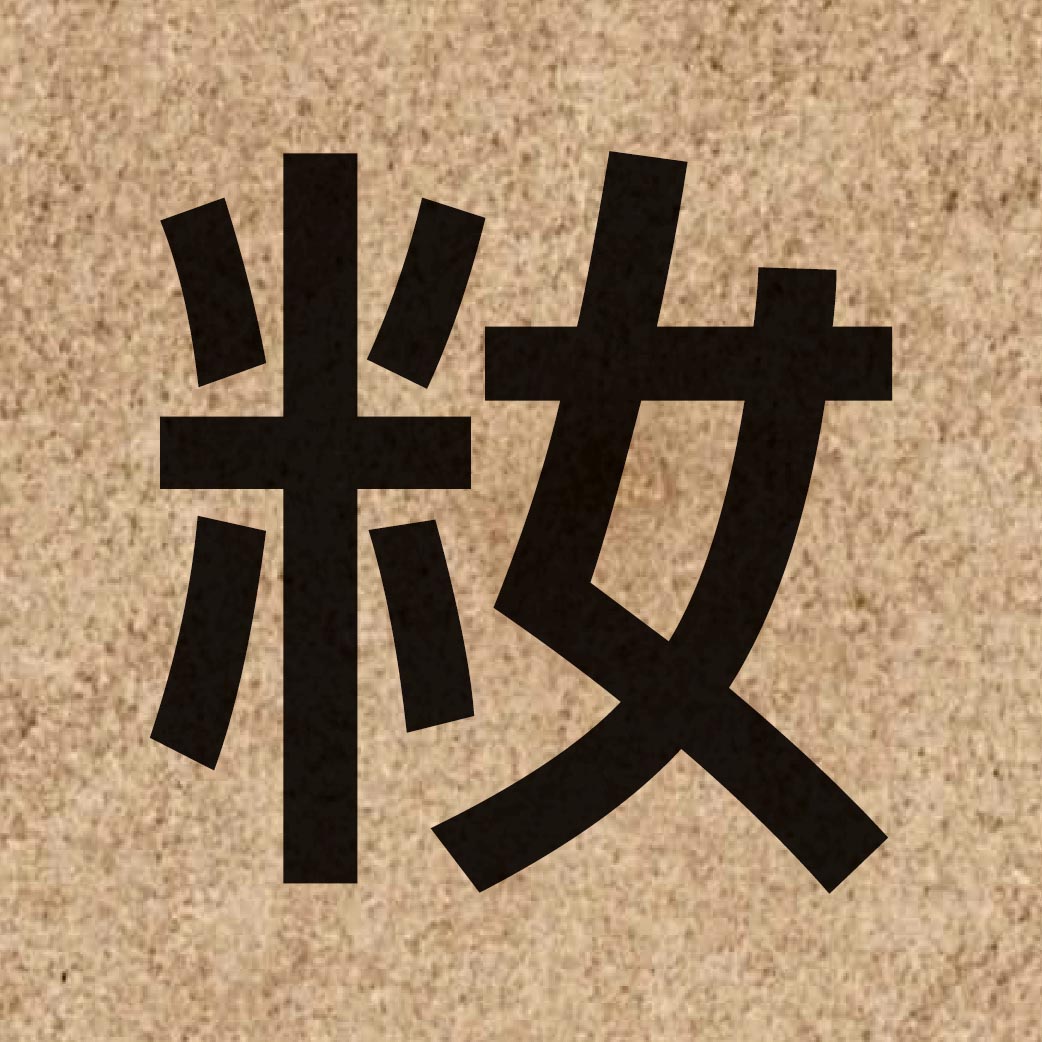
籹: Describing people or culture, rare Chinese characters that may only be found in ancient documents (more than 7,000 characters in total)
The Chinese word【籹】that we will introduce this time is a word that describes people or culture. It is mainly used for the following meanings: An…
View More 籹: Describing people or culture, rare Chinese characters that may only be found in ancient documents (more than 7,000 characters in total)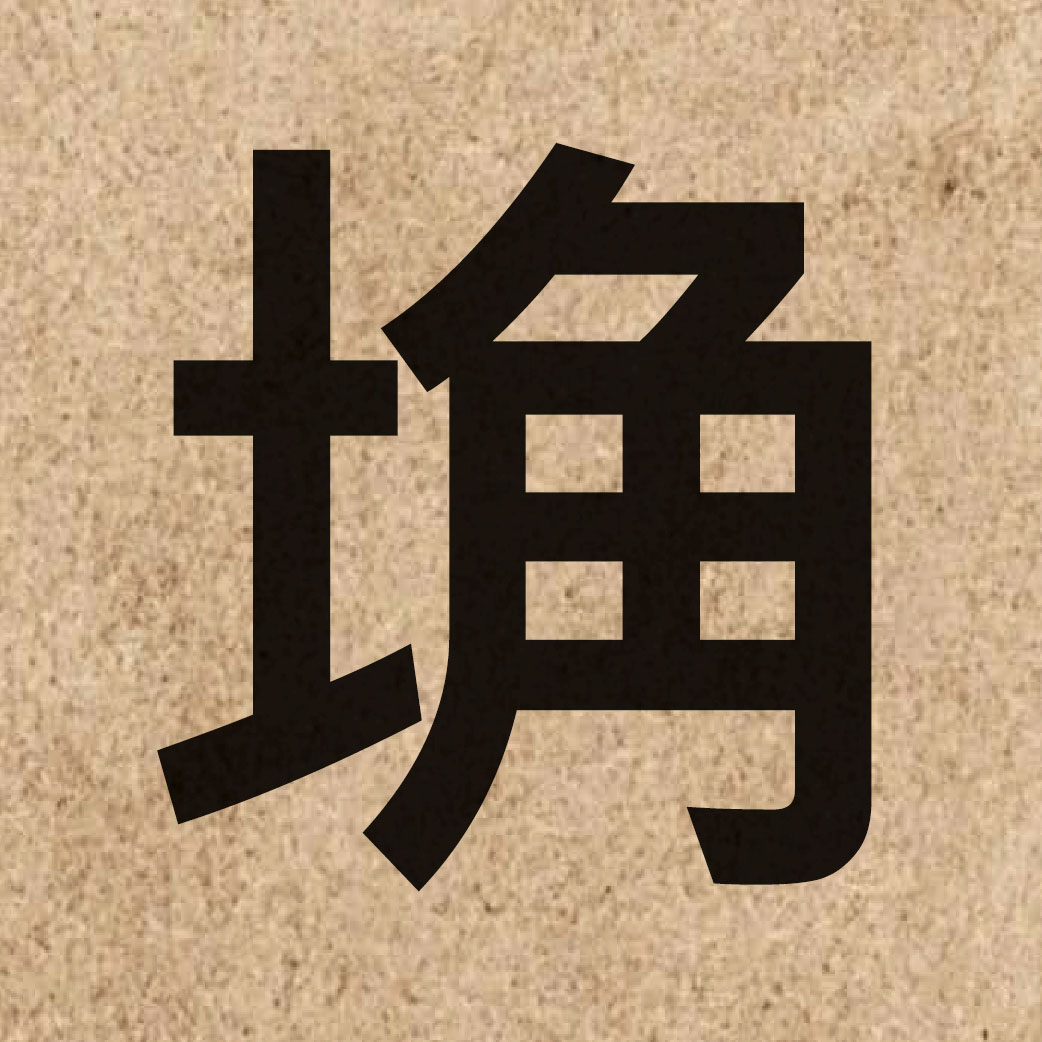
埆: Describe geography or topography, using rare Chinese characters that may only be found in ancient documents (with Cantonese and Mandarin pronunciation)
The Chinese character【埆】that I will teach you this time is a word that describes geography or landforms. It is mainly used for the following meanings:…
View More 埆: Describe geography or topography, using rare Chinese characters that may only be found in ancient documents (with Cantonese and Mandarin pronunciation)
埏: Describing actions or skills, rare Chinese characters may only be found in ancient documents (free learning resources)
The Chinese character【埏】that we will explain today is a word that describes an action or skill. It is mainly used for the following meanings: Clay…
View More 埏: Describing actions or skills, rare Chinese characters may only be found in ancient documents (free learning resources)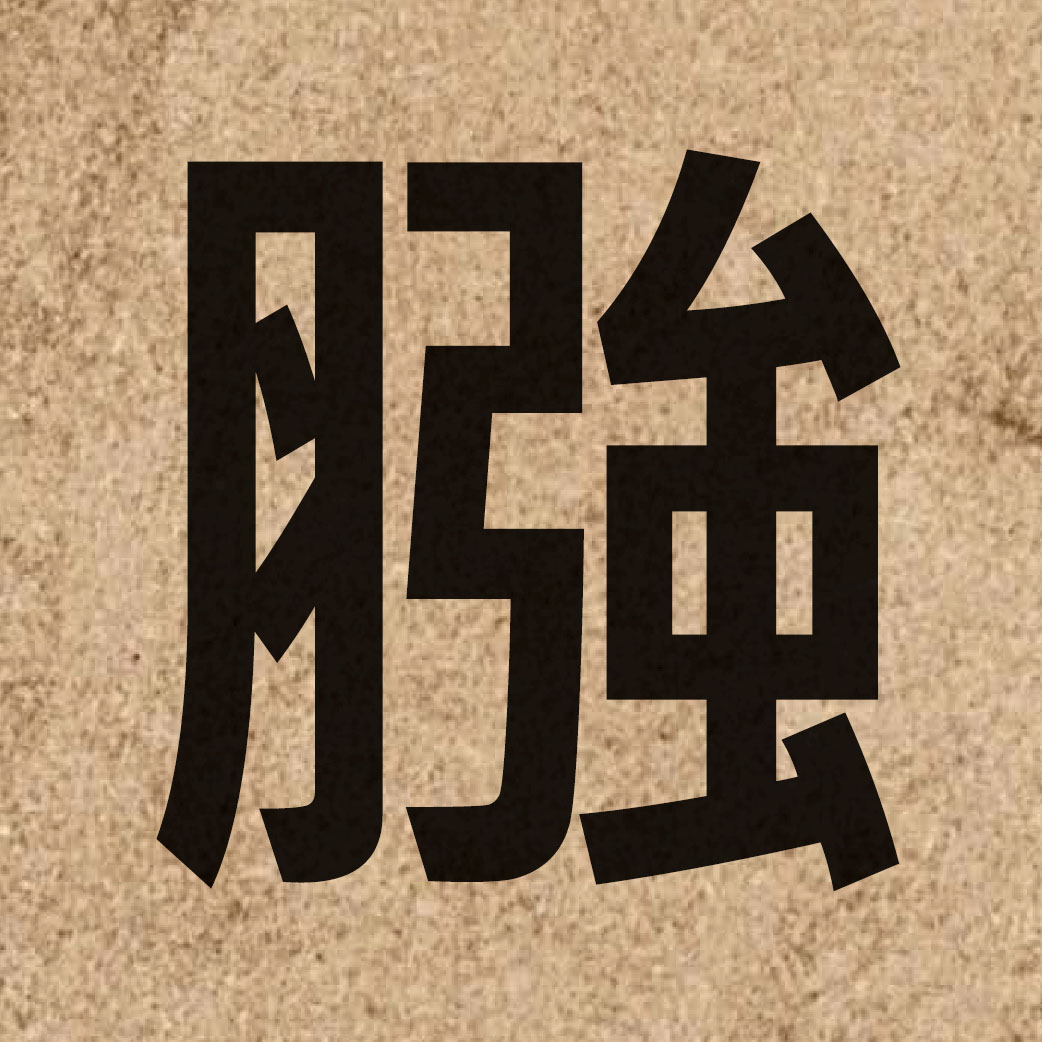
膙: Describing the body or health, rare Chinese characters may only be found in ancient documents (a simple version of the dictionary)
The Chinese word【膙】that we will introduce this time is a word that describes the body or health. It is mainly used for the following meanings:…
View More 膙: Describing the body or health, rare Chinese characters may only be found in ancient documents (a simple version of the dictionary)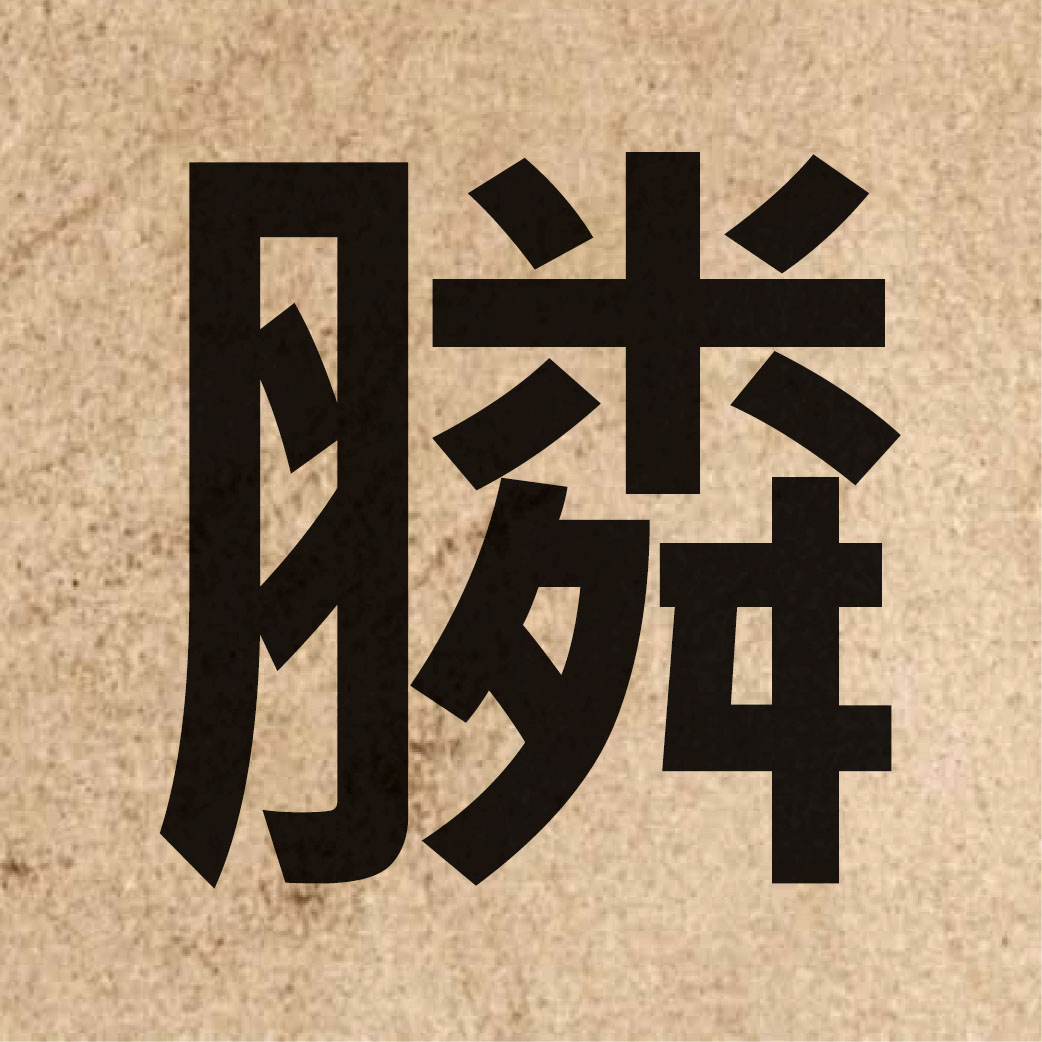
膦: Describing science or matter, rare Chinese characters may only be found in ancient documents (with basic explanations)
The Chinese character【膦】that I will teach you this time is a word that describes science or matter. It is mainly used for the following meanings:…
View More 膦: Describing science or matter, rare Chinese characters may only be found in ancient documents (with basic explanations)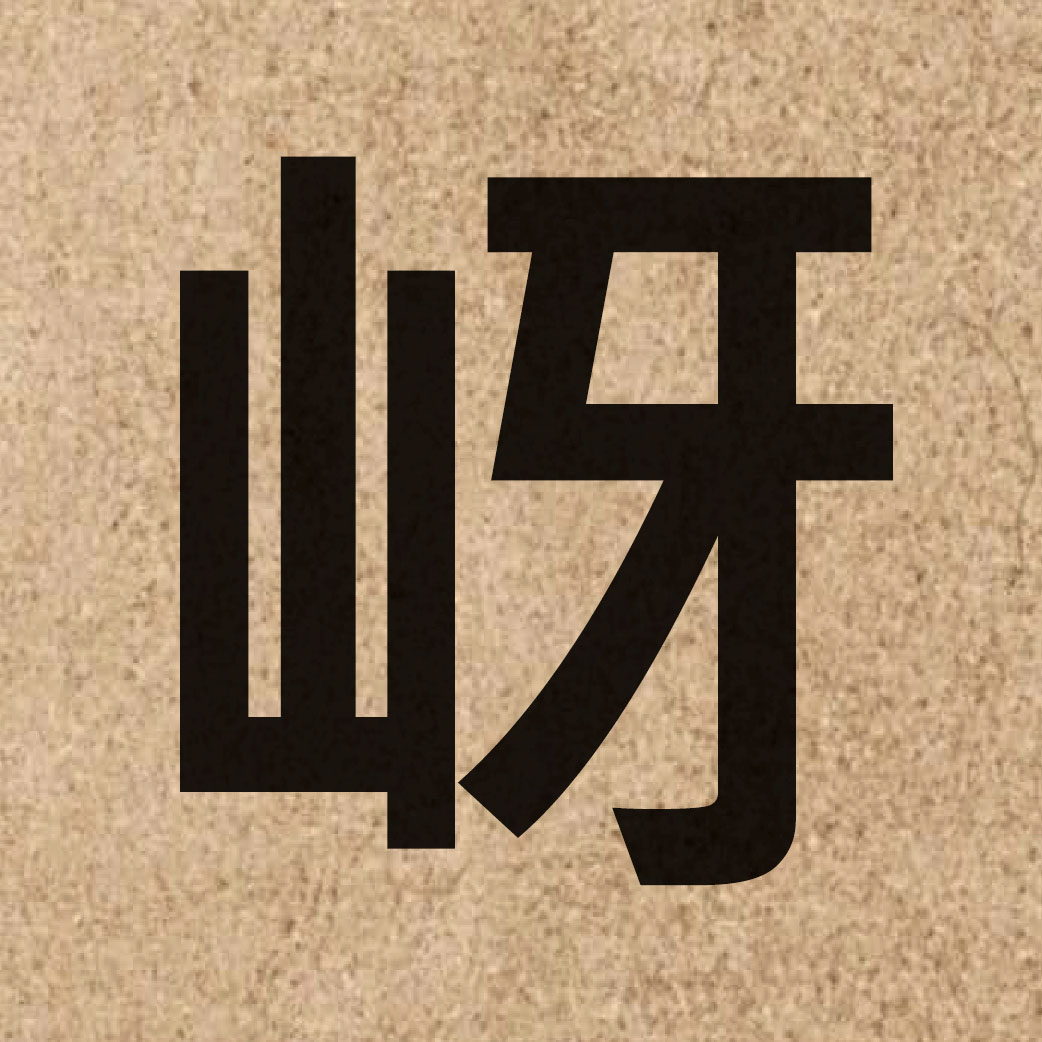
岈: Describing geography or nature, rare Chinese characters that may only be found in ancient documents (with Cantonese and Mandarin pronunciation)
The Chinese character【岈】that I will teach you this time is a word that describes geography or nature. It is mainly used for the following meanings:…
View More 岈: Describing geography or nature, rare Chinese characters that may only be found in ancient documents (with Cantonese and Mandarin pronunciation)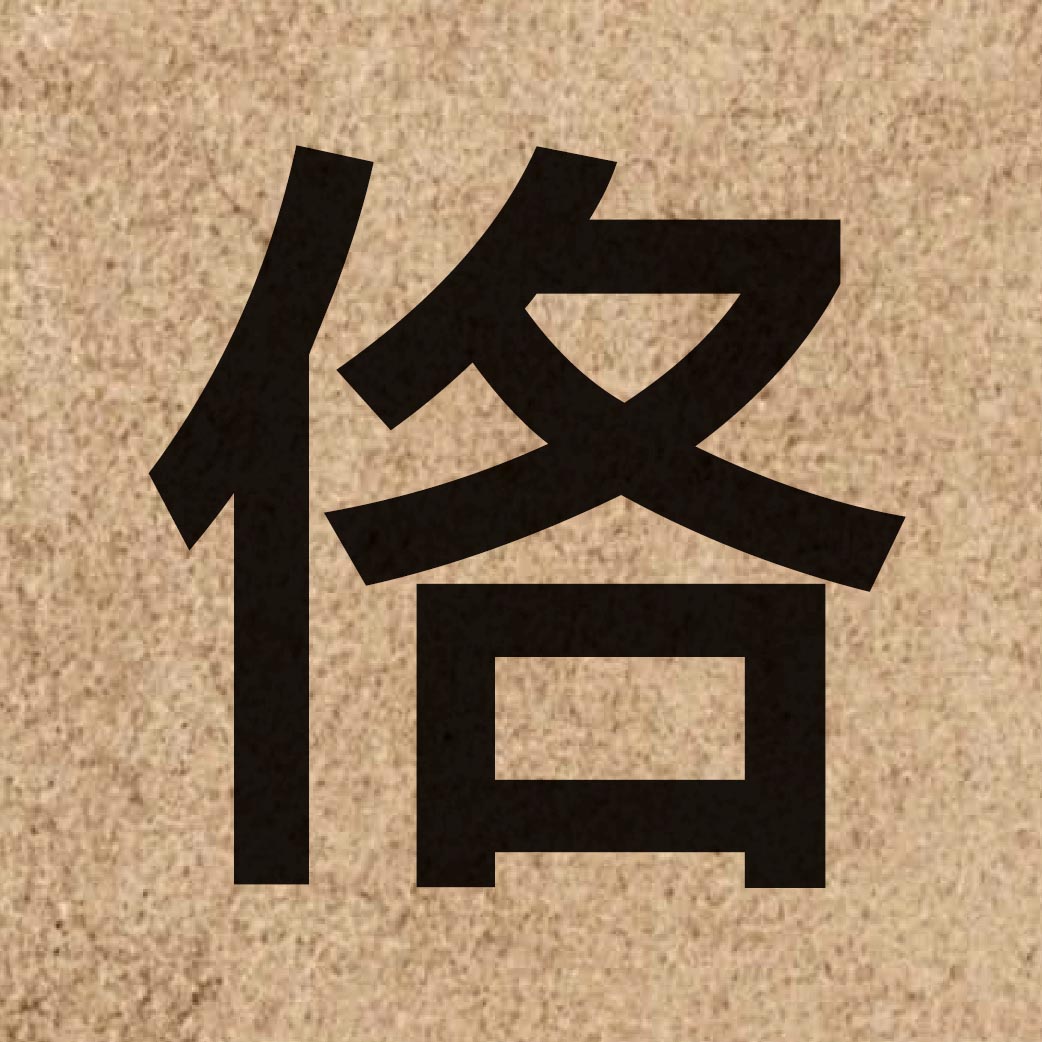
佫: Describe personality or attitude, rare Chinese characters that may only be found in ancient documents (more than 7,000 characters in total)
The Chinese character【佫】that we will explain today is a character that describes personality or attitude. It is mainly used for the following meanings: Gentle or…
View More 佫: Describe personality or attitude, rare Chinese characters that may only be found in ancient documents (more than 7,000 characters in total)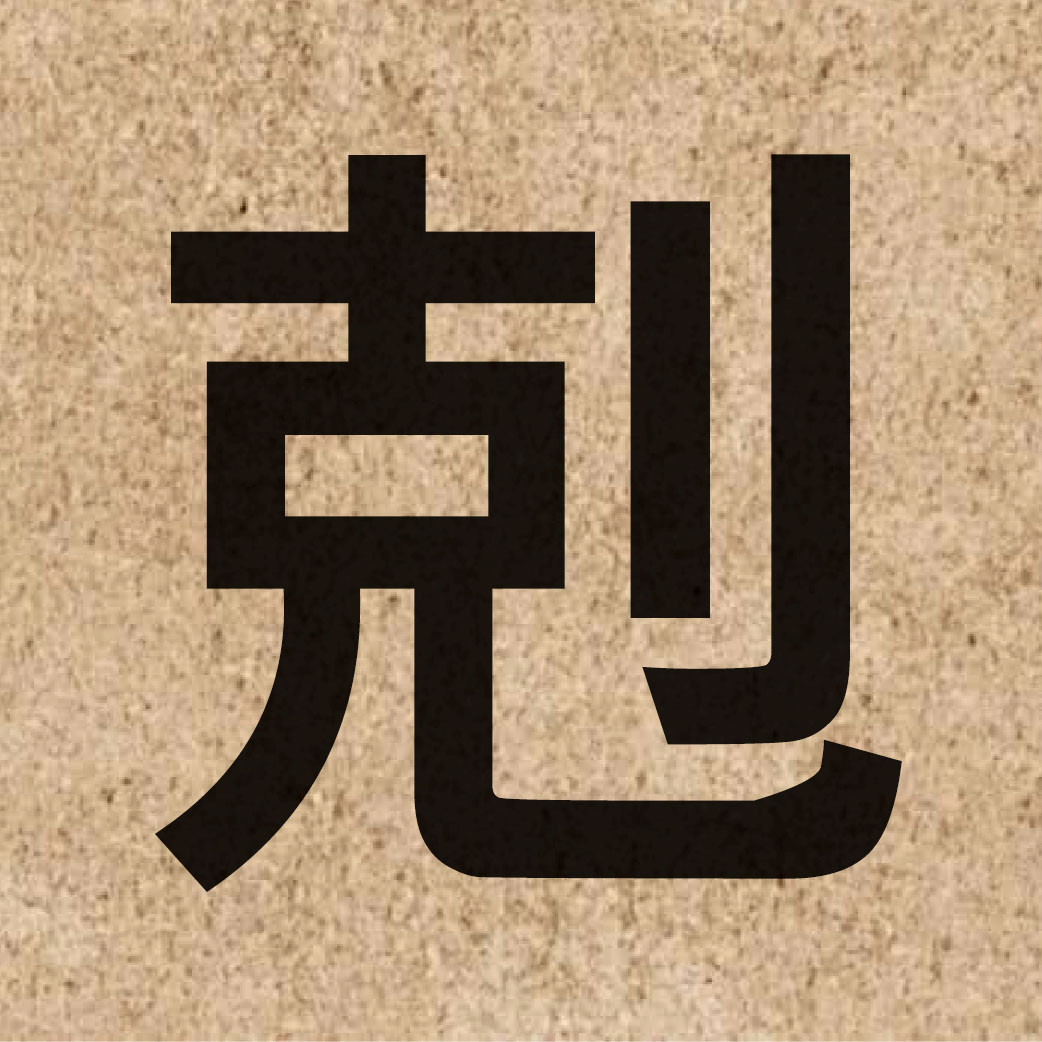
剋: Describe actions or attitudes, using rare Chinese characters that may only be found in ancient documents (with Cantonese and Mandarin pronunciation)
The Chinese character【剋】that we will explain today is a word that describes action or attitude. It is mainly used for the following meanings: To overcome…
View More 剋: Describe actions or attitudes, using rare Chinese characters that may only be found in ancient documents (with Cantonese and Mandarin pronunciation)