

The Chinese character【牝】that we will explain today is a character that describes gender or characteristics. It is mainly used for the following meanings: Female or…
View More 牝: Describing gender or characteristics, rare Chinese characters may only be found in ancient documents (free learning resources)
犴: Describing biology or culture, rare Chinese characters may only be found in ancient documents (a simple version of the dictionary)
The Chinese character【犴】is a word that describes biology or culture, and is mainly used for the following meanings: An animal or prison. Here is the…
View More 犴: Describing biology or culture, rare Chinese characters may only be found in ancient documents (a simple version of the dictionary)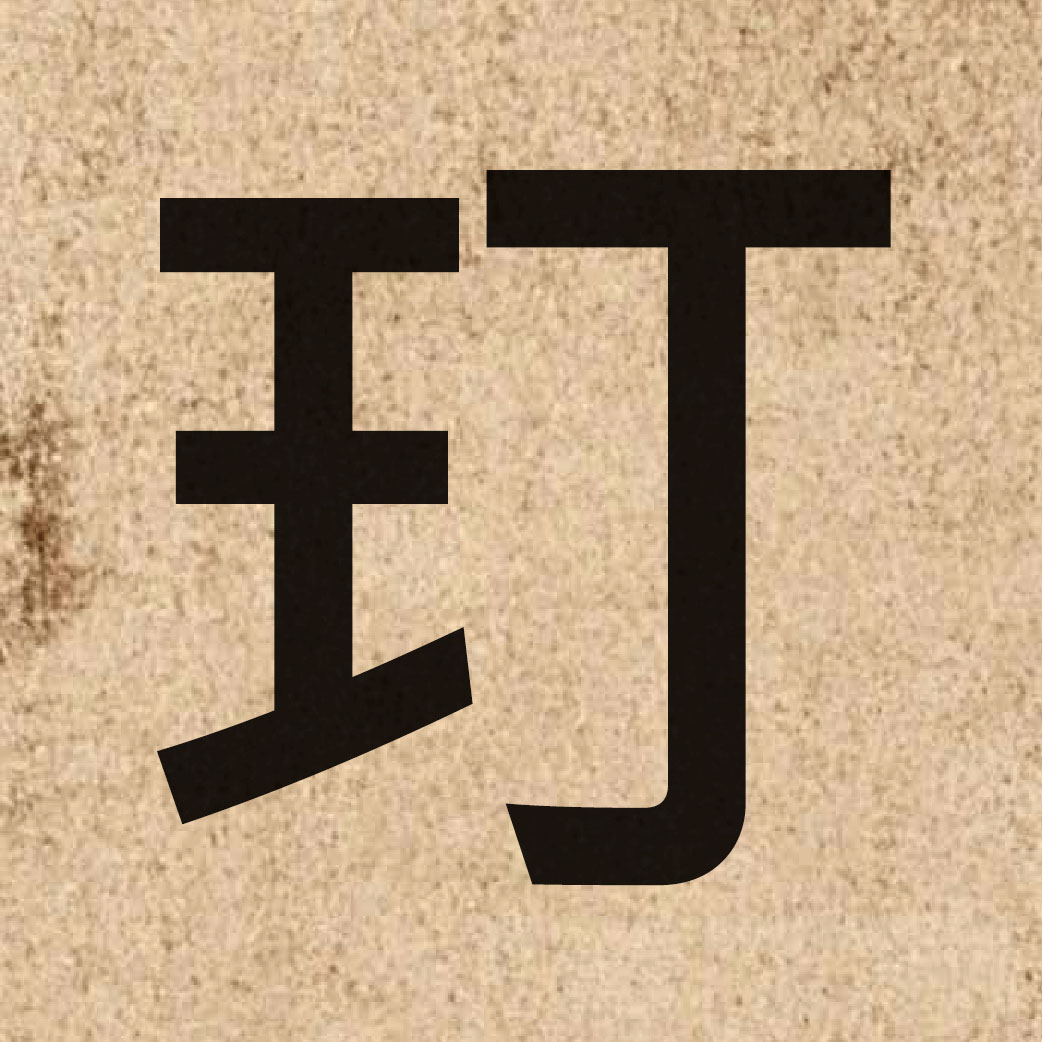
玎: Describing sounds or senses, rare Chinese characters may only be found in ancient documents (with basic explanations)
The Chinese word【玎】that we will introduce this time is a word that describes sound or senses. It is mainly used for the following meanings: The…
View More 玎: Describing sounds or senses, rare Chinese characters may only be found in ancient documents (with basic explanations)
忭: Describing emotions or states, rare Chinese characters that may only be found in ancient documents (with Cantonese and Mandarin pronunciation)
The Chinese character【忭】is a word that describes emotions or states, and is mainly used for the following meanings: Joy or delight. Below, you can see…
View More 忭: Describing emotions or states, rare Chinese characters that may only be found in ancient documents (with Cantonese and Mandarin pronunciation)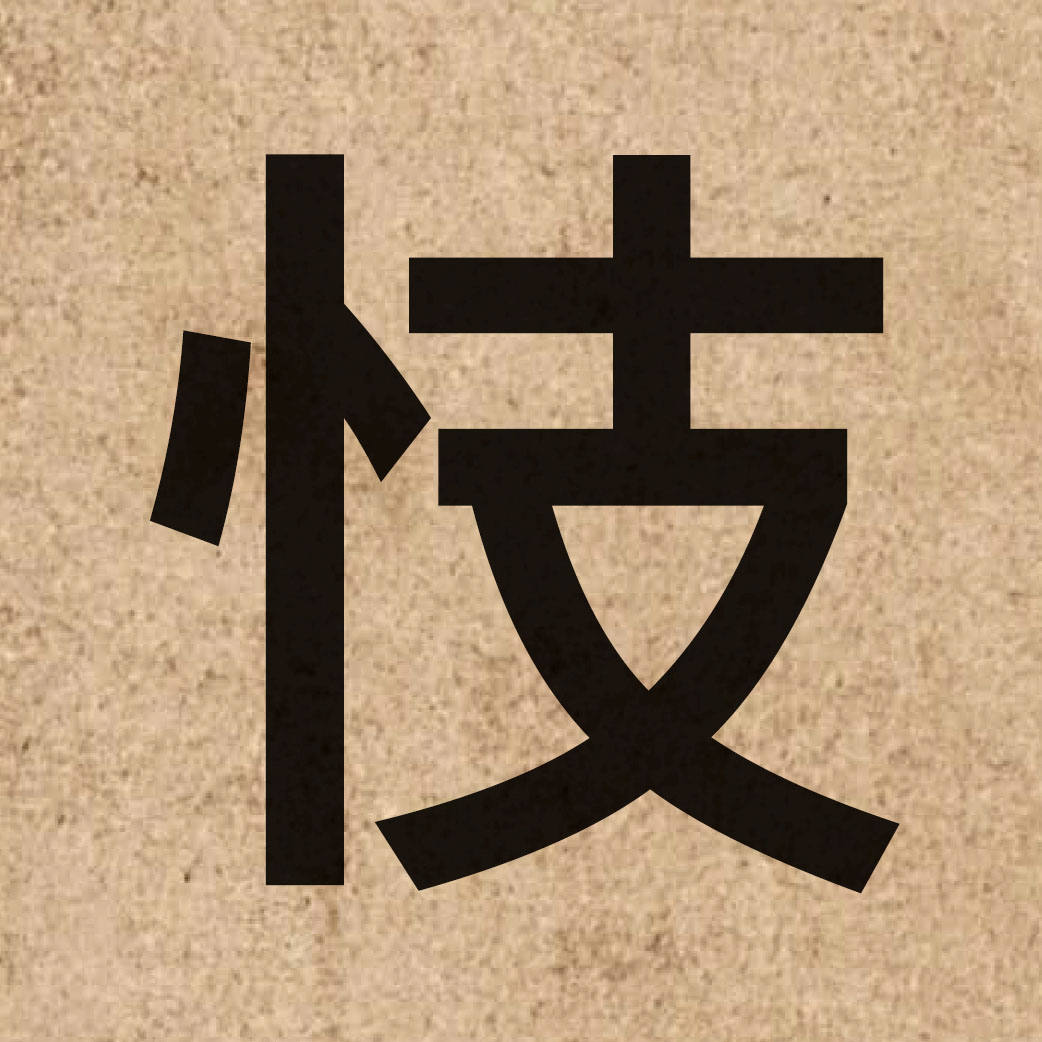
忮: Describing behavior or emotion, rare Chinese characters may only be found in ancient documents (free learning resources)
The Chinese word【忮】that we will introduce this time is a word that describes behavior or emotion. It is mainly used for the following meanings: Fighting…
View More 忮: Describing behavior or emotion, rare Chinese characters may only be found in ancient documents (free learning resources)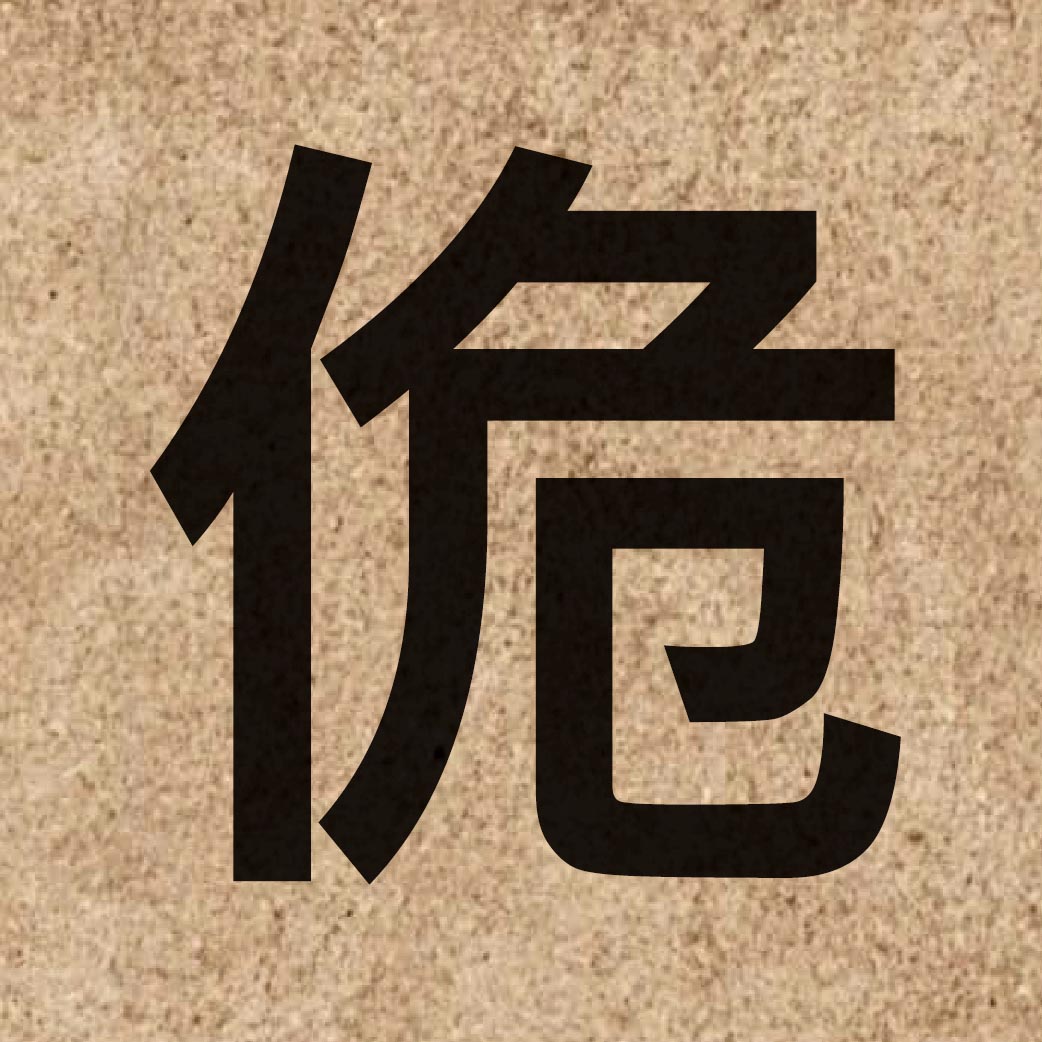
佹: Describes situations or results using rare Chinese characters that may only be found in ancient documents (with Cantonese and Mandarin pronunciation)
The Chinese word【佹】that we will introduce this time is a word that describes a situation or result. It is mainly used for the following meanings:…
View More 佹: Describes situations or results using rare Chinese characters that may only be found in ancient documents (with Cantonese and Mandarin pronunciation)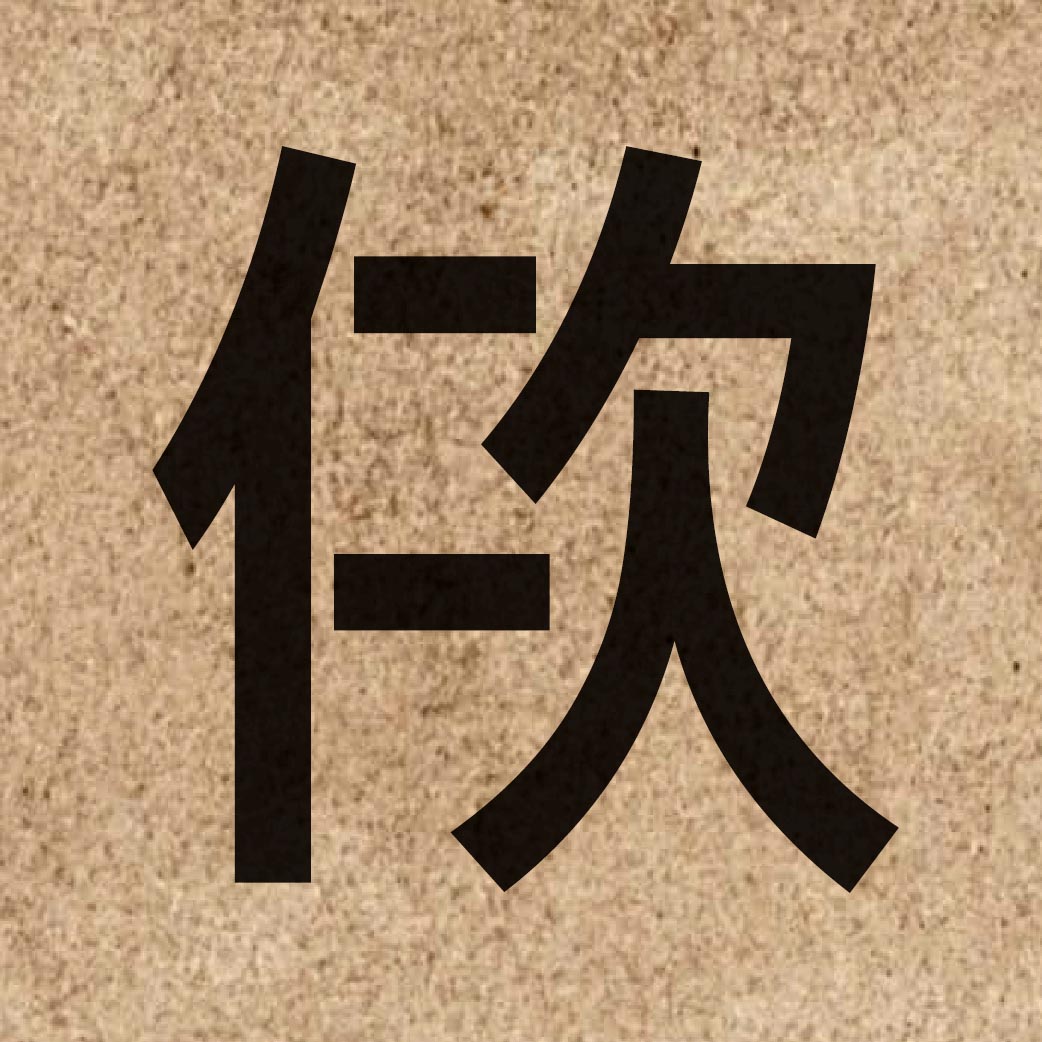
佽: Describing actions or attitudes, rare Chinese characters that may only be found in ancient documents (with basic explanations)
The Chinese character【佽】is a word that describes actions or attitudes, and is mainly used for the following meanings: Help or support. Here’s the way to…
View More 佽: Describing actions or attitudes, rare Chinese characters that may only be found in ancient documents (with basic explanations)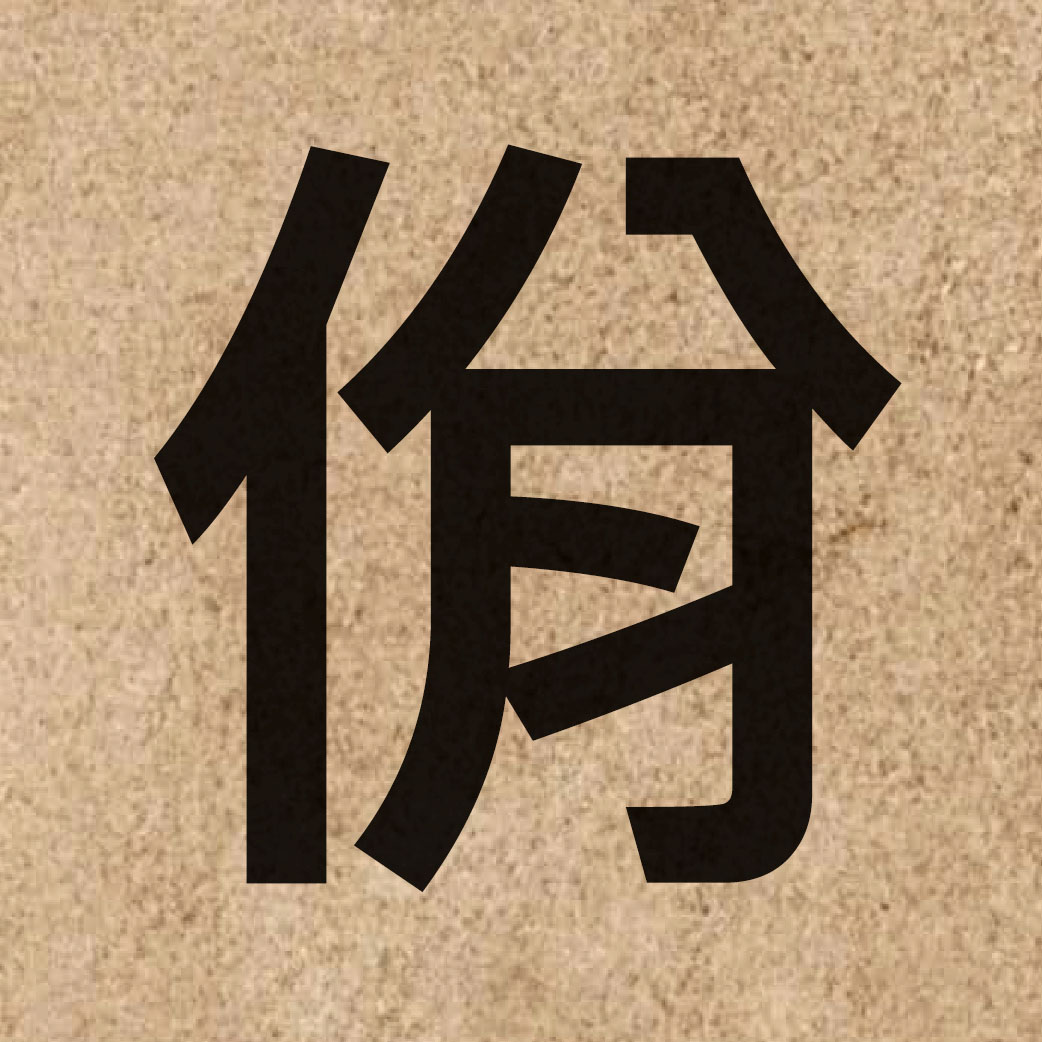
佾: Describing culture or rituals, rare Chinese characters that may only be found in ancient documents (more than 7,000 characters in total)
The Chinese word【佾】that we will introduce this time is a word that describes culture or rituals. It is mainly used for the following meanings: A…
View More 佾: Describing culture or rituals, rare Chinese characters that may only be found in ancient documents (more than 7,000 characters in total)
呲: Describing actions or sounds, rare Chinese characters may only be found in ancient documents (with basic explanations)
The Chinese character【呲】that we will explain today is a character that describes an action or a sound. It is mainly used for the following meanings:…
View More 呲: Describing actions or sounds, rare Chinese characters may only be found in ancient documents (with basic explanations)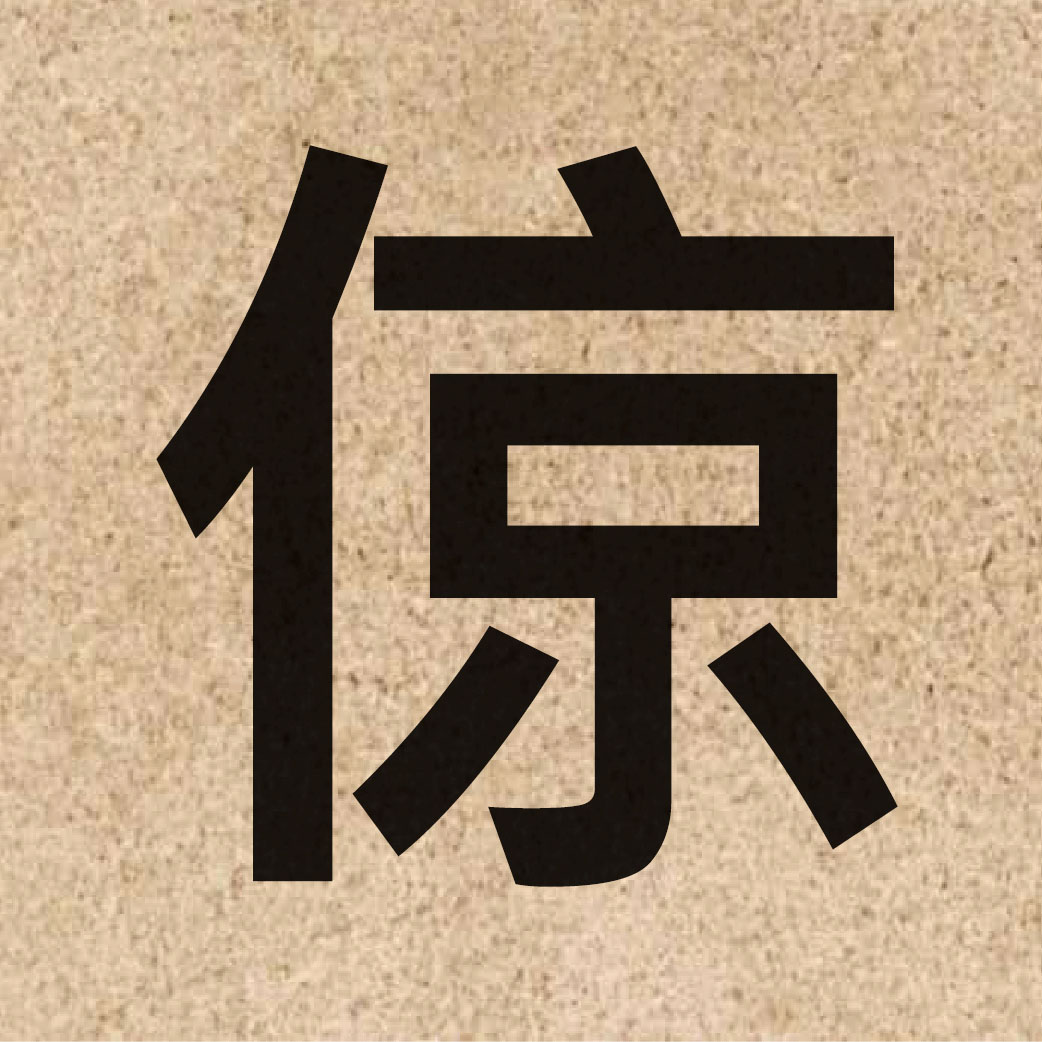
倞: Describing talents or skills, rare Chinese characters may only be found in ancient documents (with basic explanations)
The Chinese word【倞】that we will introduce this time is a word that describes intelligence or skills. It is mainly used for the following meanings: Brilliant…
View More 倞: Describing talents or skills, rare Chinese characters may only be found in ancient documents (with basic explanations)