

The Chinese character【坯】(pièi) that I will teach you today is a word that describes materials or objects. It is mainly used for the following meanings:…
View More 坯: Describe materials or items that you will definitely use in daily life, more advanced Chinese characters (with Cantonese and Mandarin pronunciation)
坳: Describing geography or nature, Chinese characters that you need to learn if you want to become a near-native Chinese speaker (free learning resources)
The Chinese character【坳】that we will explain today is a word that describes geography or nature. It is mainly used for the following meanings: A valley…
View More 坳: Describing geography or nature, Chinese characters that you need to learn if you want to become a near-native Chinese speaker (free learning resources)
坼: Describes a phenomenon or state, and may only be found in ancient Chinese documents (a simple version of the dictionary)
The Chinese character【坼】is a word that describes a phenomenon or state, and is mainly used for the following meanings: Crack or split. Here is the…
View More 坼: Describes a phenomenon or state, and may only be found in ancient Chinese documents (a simple version of the dictionary)
甾: Describing science or culture, which is not commonly used in daily life and is a difficult Chinese word with a relatively low frequency of use (with basic explanations)
The Chinese word【甾】that we will introduce this time is a word that describes science or culture. It is mainly used for the following meanings: An…
View More 甾: Describing science or culture, which is not commonly used in daily life and is a difficult Chinese word with a relatively low frequency of use (with basic explanations)
畀: Describing actions or language, which are not usually used in daily life and are difficult Chinese characters with low frequency of use (more than 7,000 characters in total)
The Chinese character【畀】that I will teach you this time is a word that describes actions or language. It is mainly used for the following meanings:…
View More 畀: Describing actions or language, which are not usually used in daily life and are difficult Chinese characters with low frequency of use (more than 7,000 characters in total)
疌: Describing actions or shapes, which are not usually used in daily life and are difficult Chinese characters with low frequency of use (with Cantonese and Mandarin pronunciation)
The Chinese character【疌】that we will explain today is a character that describes an action or form. It is mainly used for the following meanings: Add…
View More 疌: Describing actions or shapes, which are not usually used in daily life and are difficult Chinese characters with low frequency of use (with Cantonese and Mandarin pronunciation)
疙: Describing health or objects, Chinese characters you need to learn if you want to become a near-native Chinese speaker (free learning resources)
The Chinese character【疙】is used to describe health or objects, and is mainly used for the following meanings: A lump or nodule. This is how you…
View More 疙: Describing health or objects, Chinese characters you need to learn if you want to become a near-native Chinese speaker (free learning resources)
疚: Describes emotions or states, usage is limited, advanced Chinese characters that you need to learn if you want to challenge yourself (simple version of the dictionary)
The Chinese word【疚】that we will introduce this time is a word that describes an emotion or state. It is mainly used for the following meanings:…
View More 疚: Describes emotions or states, usage is limited, advanced Chinese characters that you need to learn if you want to challenge yourself (simple version of the dictionary)
疝: Describing health or medical treatment, which is not usually used in daily life and is a high-difficulty Chinese word with a relatively low frequency of use (a simple version of the dictionary)
The Chinese character【疝】that we will explain today is a word that describes health or medical treatment. It is mainly used for the following meanings: Disease,…
View More 疝: Describing health or medical treatment, which is not usually used in daily life and is a high-difficulty Chinese word with a relatively low frequency of use (a simple version of the dictionary)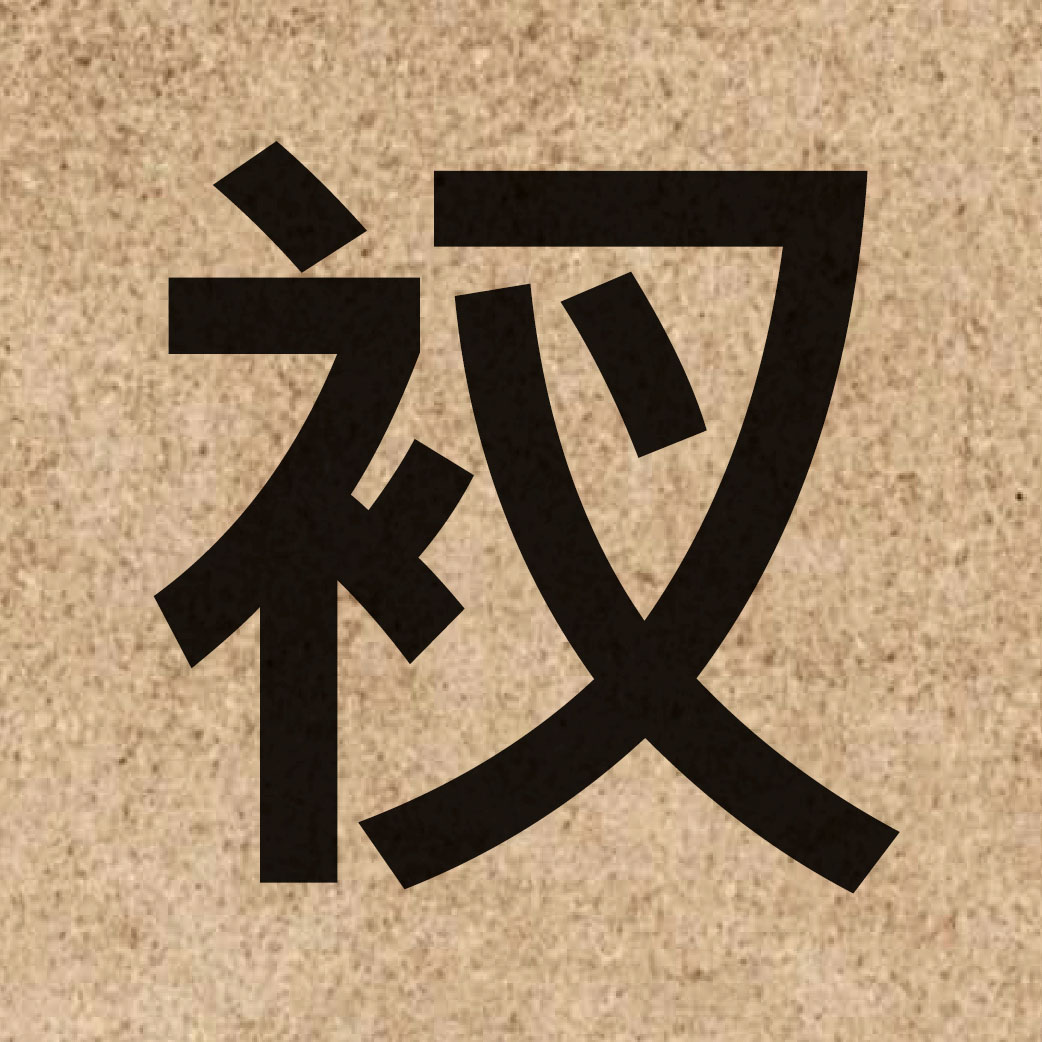
衩: Describing clothing or design, rare Chinese characters may only be seen in ancient documents (with basic explanations)
The Chinese character【衩】that we will explain today is a word that describes clothing or design. It is mainly used for the following meanings: Clothing rips…
View More 衩: Describing clothing or design, rare Chinese characters may only be seen in ancient documents (with basic explanations)