
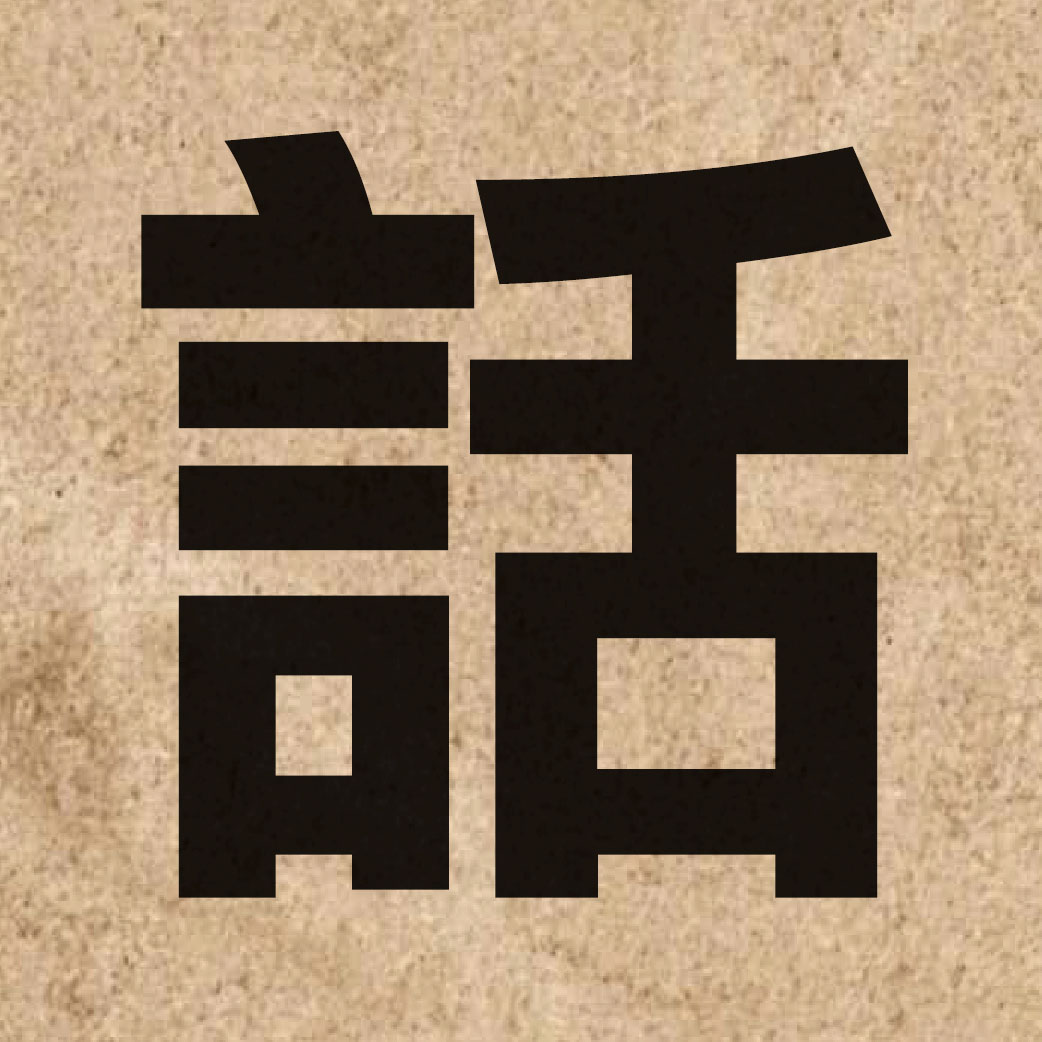
The Chinese word【話】that we will introduce this time is a word that describes action or communication. It is mainly used for the following meanings: Speech…
View More 話: Describing actions or communication, very commonly used, basic Chinese characters that must be learned (with basic explanations)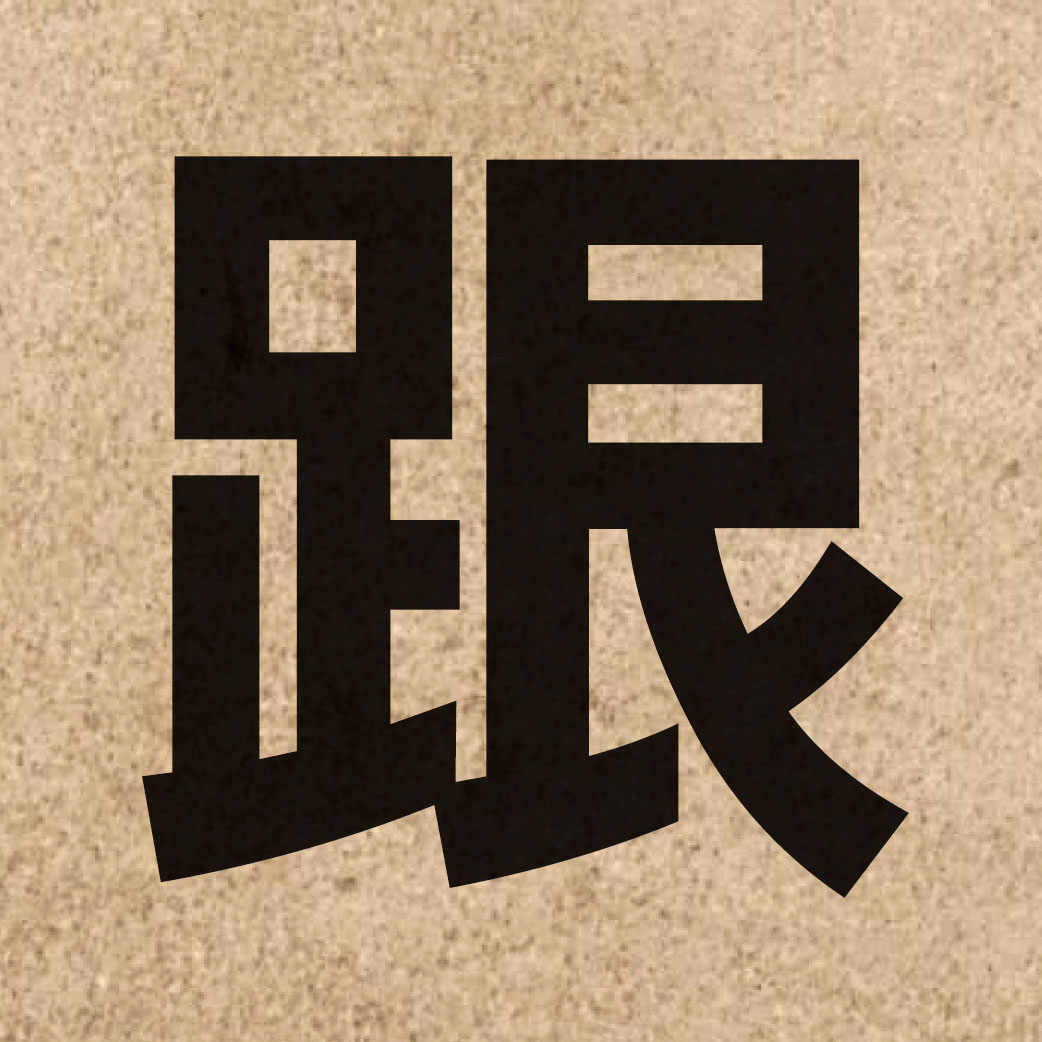
跟: Describing actions or relationships, very commonly used, must-learn basic Chinese characters (with Cantonese and Mandarin pronunciation)
The Chinese character【跟】that we will explain today is a word that describes an action or relationship. It is mainly used for the following meanings: Follow…
View More 跟: Describing actions or relationships, very commonly used, must-learn basic Chinese characters (with Cantonese and Mandarin pronunciation)
腰: Describing health or posture, which is used in daily life, more advanced Chinese characters (more than 7,000 characters in total)
The Chinese character【腰】that we will explain today is a word that describes health or posture. It is mainly used for the following meanings: Body parts.…
View More 腰: Describing health or posture, which is used in daily life, more advanced Chinese characters (more than 7,000 characters in total)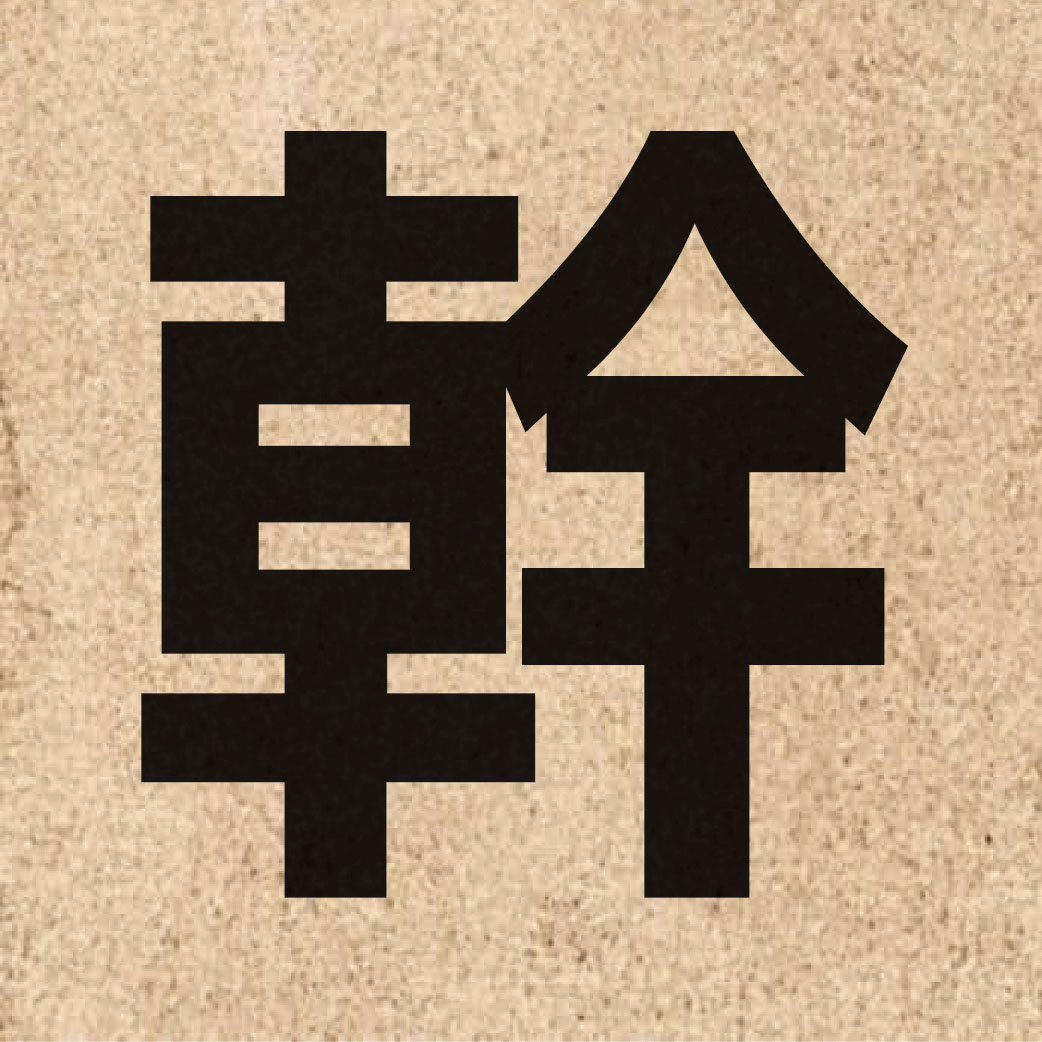
幹: Describing actions or objects, very commonly used, basic Chinese characters that must be learned (with basic explanations)
The Chinese character【幹】that I will teach you this time is a word that describes an action or an object. It is mainly used for the…
View More 幹: Describing actions or objects, very commonly used, basic Chinese characters that must be learned (with basic explanations)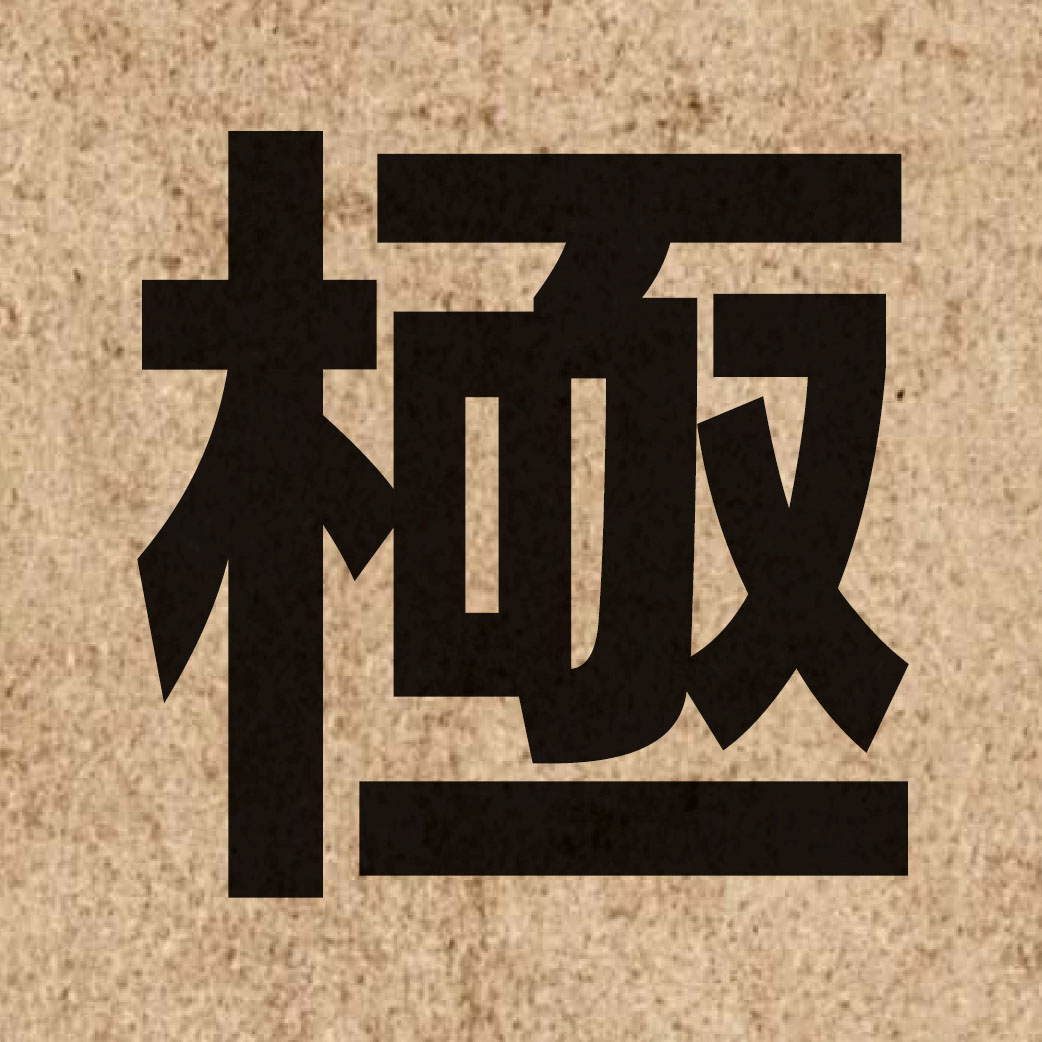
極: Describes a state or range, very commonly used, must learn basic Chinese characters (more than 7,000 characters in total)
The Chinese character【極】that we will explain today is a word that describes a state or range. It is mainly used for the following meanings: Top…
View More 極: Describes a state or range, very commonly used, must learn basic Chinese characters (more than 7,000 characters in total)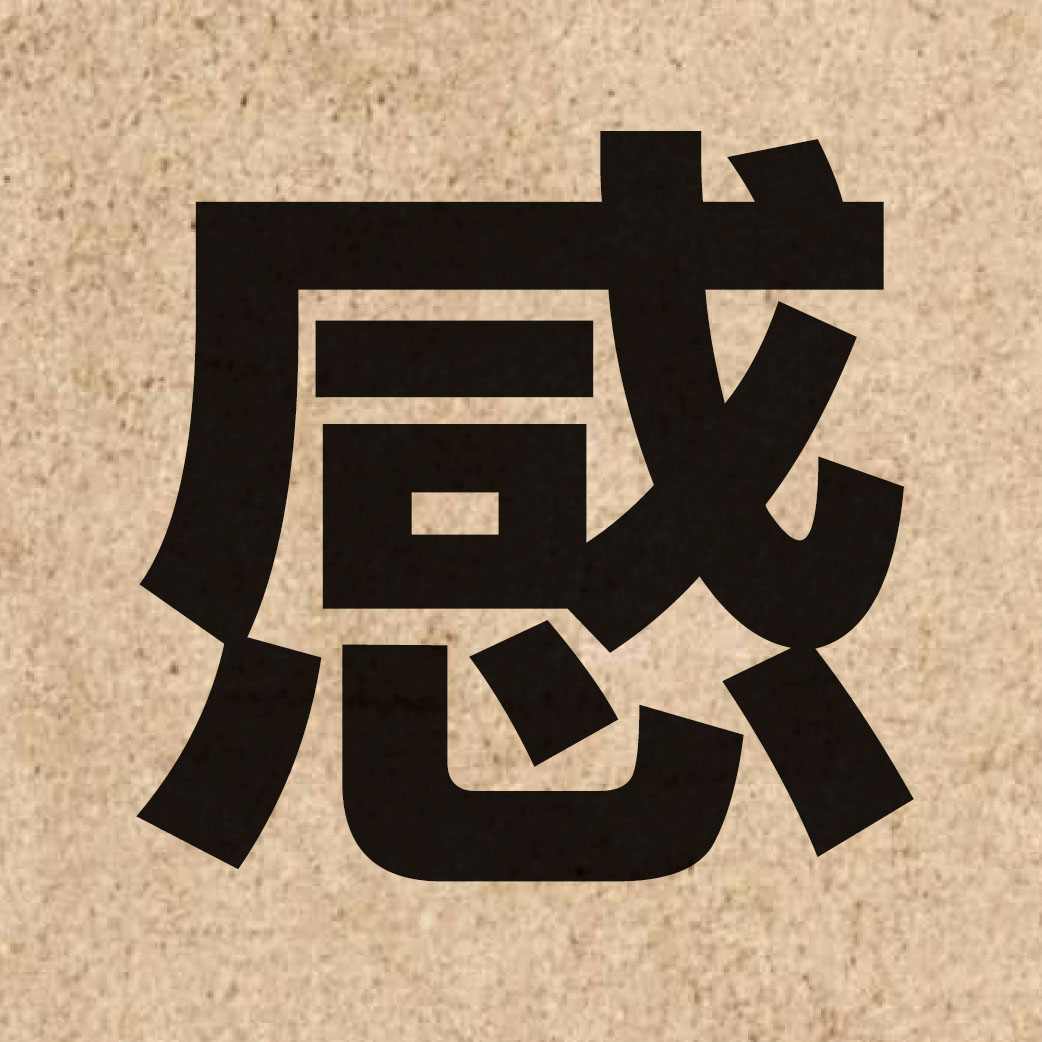
感: Describing emotions or actions, very common, must learn basic Chinese characters (simplified version of the dictionary)
The Chinese character【感】(feeling) that we will be discussing today is a word that describes emotion or action. It is mainly used for the following meanings:…
View More 感: Describing emotions or actions, very common, must learn basic Chinese characters (simplified version of the dictionary)
馴: Describing personality or actions, Chinese characters you need to learn if you want to become a near-native Chinese speaker (free learning resources)
The Chinese character【馴】(絲) that we will be discussing today is a character or action word, and is mainly used for the following meanings: Docile or…
View More 馴: Describing personality or actions, Chinese characters you need to learn if you want to become a near-native Chinese speaker (free learning resources)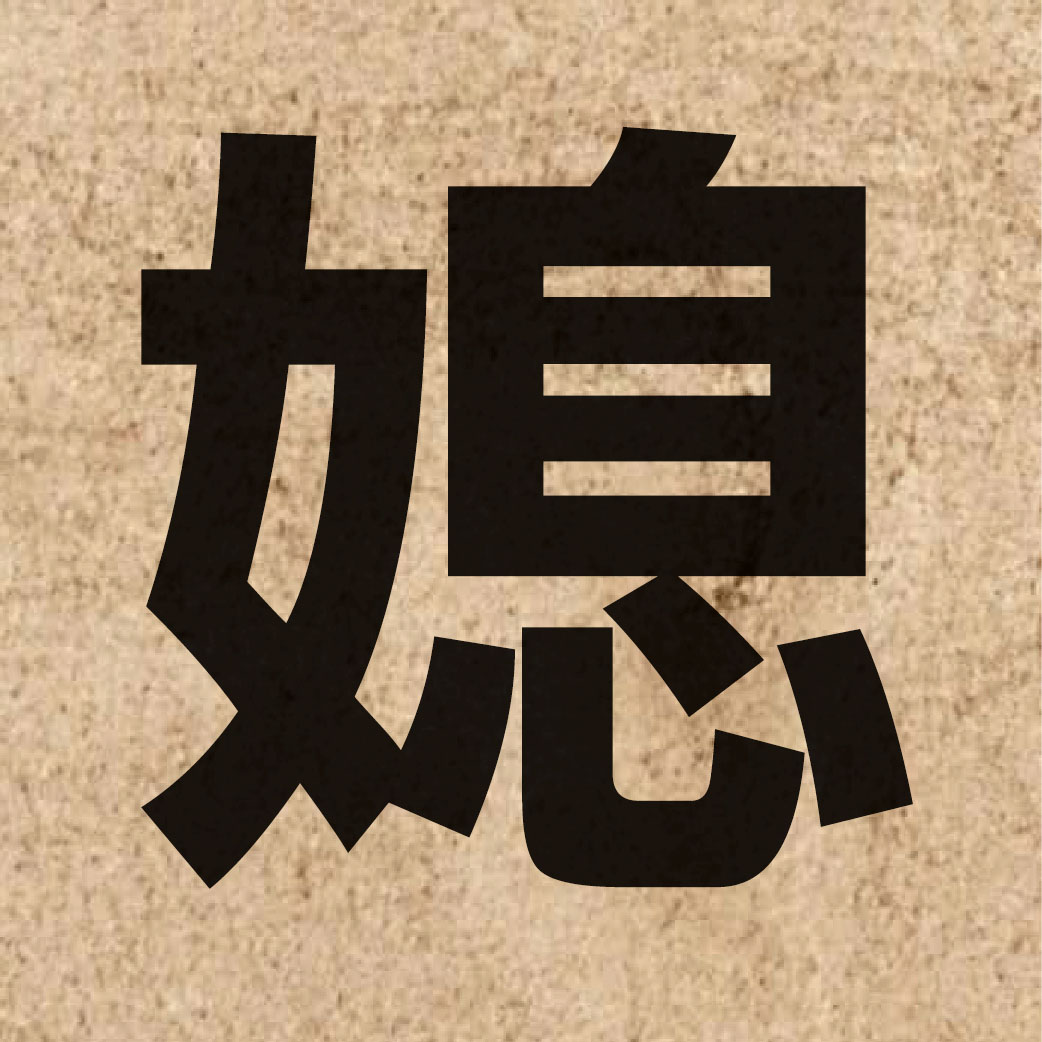
媳: Describing family or roles, learning them will help you further master the various Chinese expressions (Simplified version of the dictionary)
The Chinese character【媳】that I will teach you today is a word that describes family or role, and is mainly used for the following meanings: Daughter-in-law…
View More 媳: Describing family or roles, learning them will help you further master the various Chinese expressions (Simplified version of the dictionary)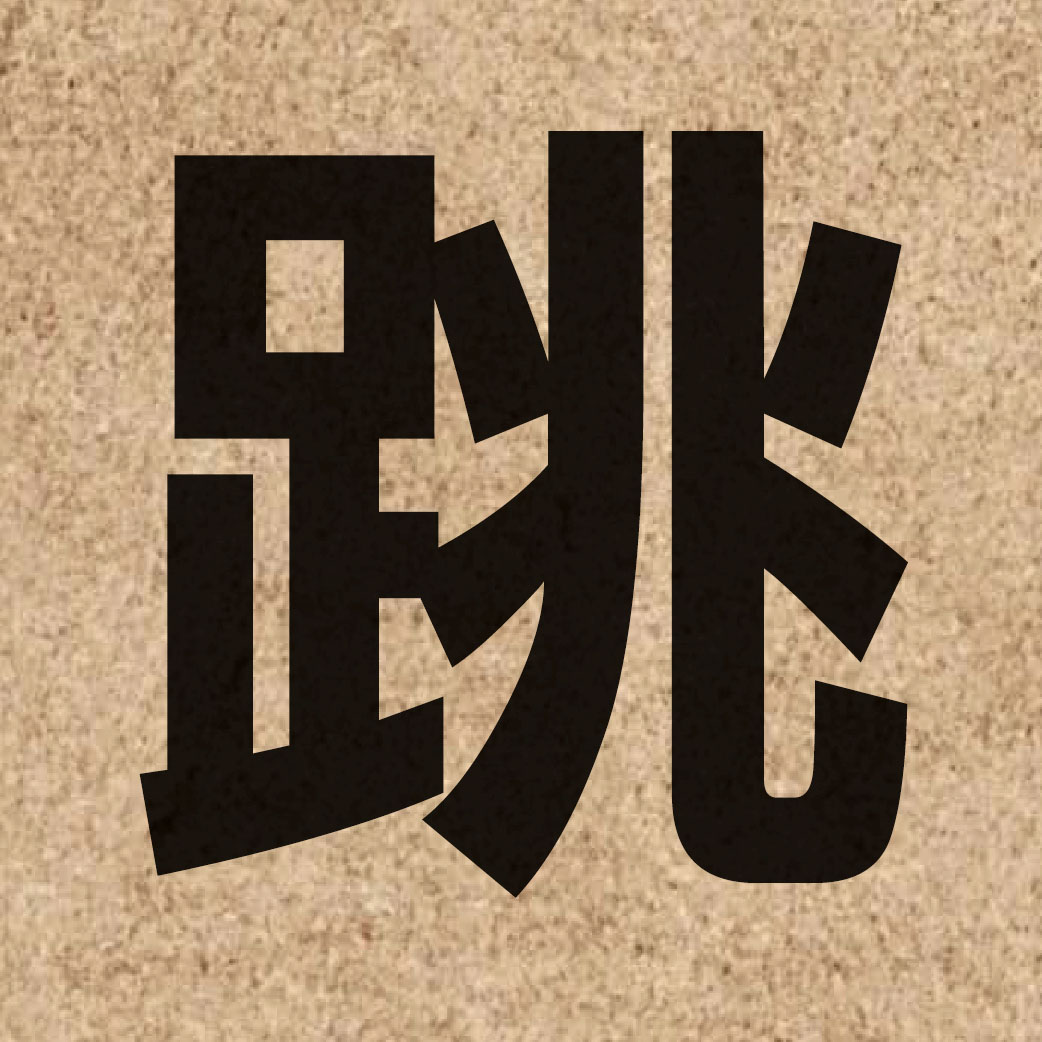
跳: Describes actions or behaviors, very commonly used, must learn basic Chinese characters (simplified version of the dictionary)
The Chinese character【跳】that we will explain today is a word that describes an action or behavior. It is mainly used for the following meanings: To…
View More 跳: Describes actions or behaviors, very commonly used, must learn basic Chinese characters (simplified version of the dictionary)
嗆: Describing the body or expressions, Chinese characters that you need to learn if you want to become a near-native Chinese speaker (with Cantonese and Mandarin pronunciation)
The Chinese character【嗆】that I will teach you this time is a word that describes the body or expression. It is mainly used for the following…
View More 嗆: Describing the body or expressions, Chinese characters that you need to learn if you want to become a near-native Chinese speaker (with Cantonese and Mandarin pronunciation)