
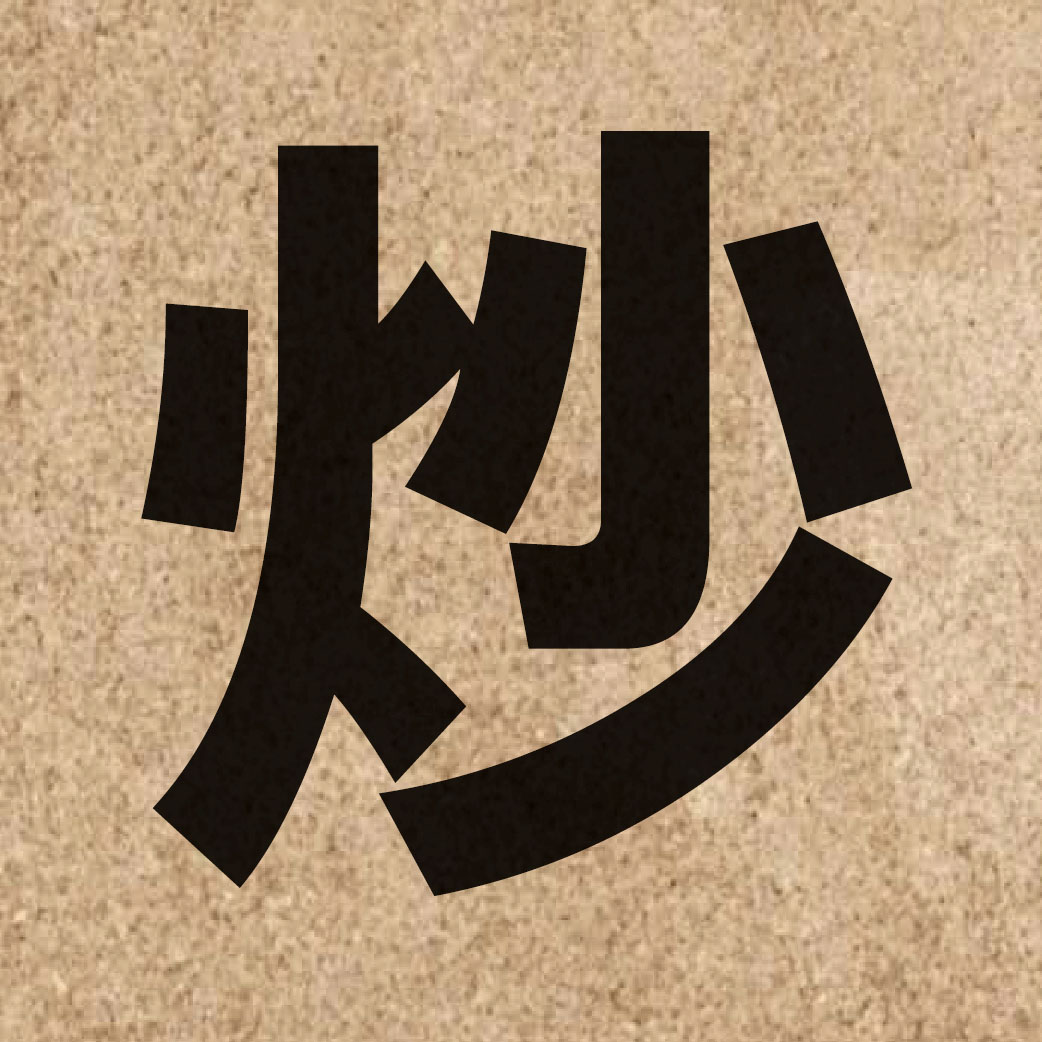
The Chinese word【炒】that we will introduce this time is a word that describes cooking or action. It is mainly used for the following meanings: Stir…
View More 炒: Describe cooking or actions, which are definitely used in daily life, more advanced Chinese characters (simplified version of the dictionary)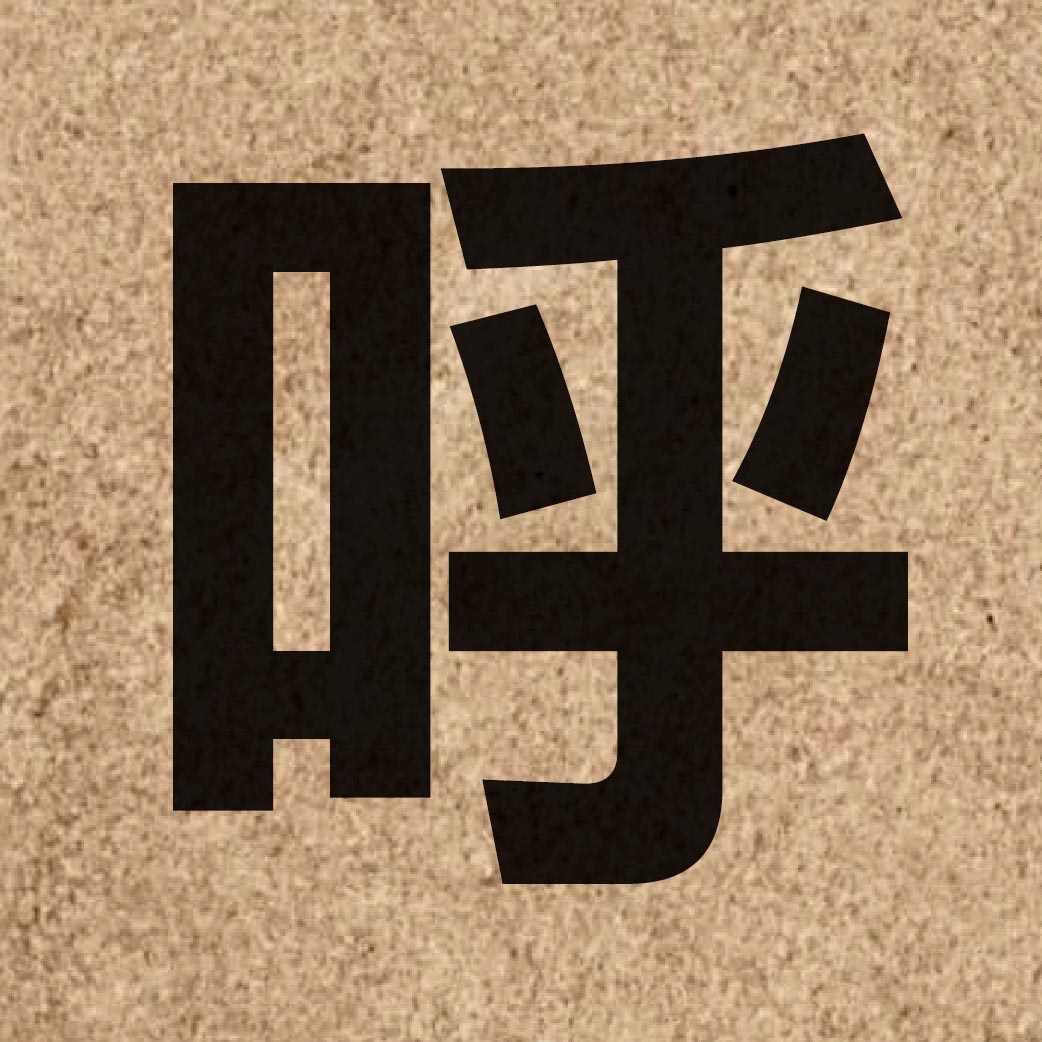
呼: Describing actions or sounds, very commonly used, basic Chinese characters that must be learned (more than 7,000 characters in total)
The Chinese character【呼】that we will explain today is a character that describes an action or a sound. It is mainly used for the following meanings:…
View More 呼: Describing actions or sounds, very commonly used, basic Chinese characters that must be learned (more than 7,000 characters in total)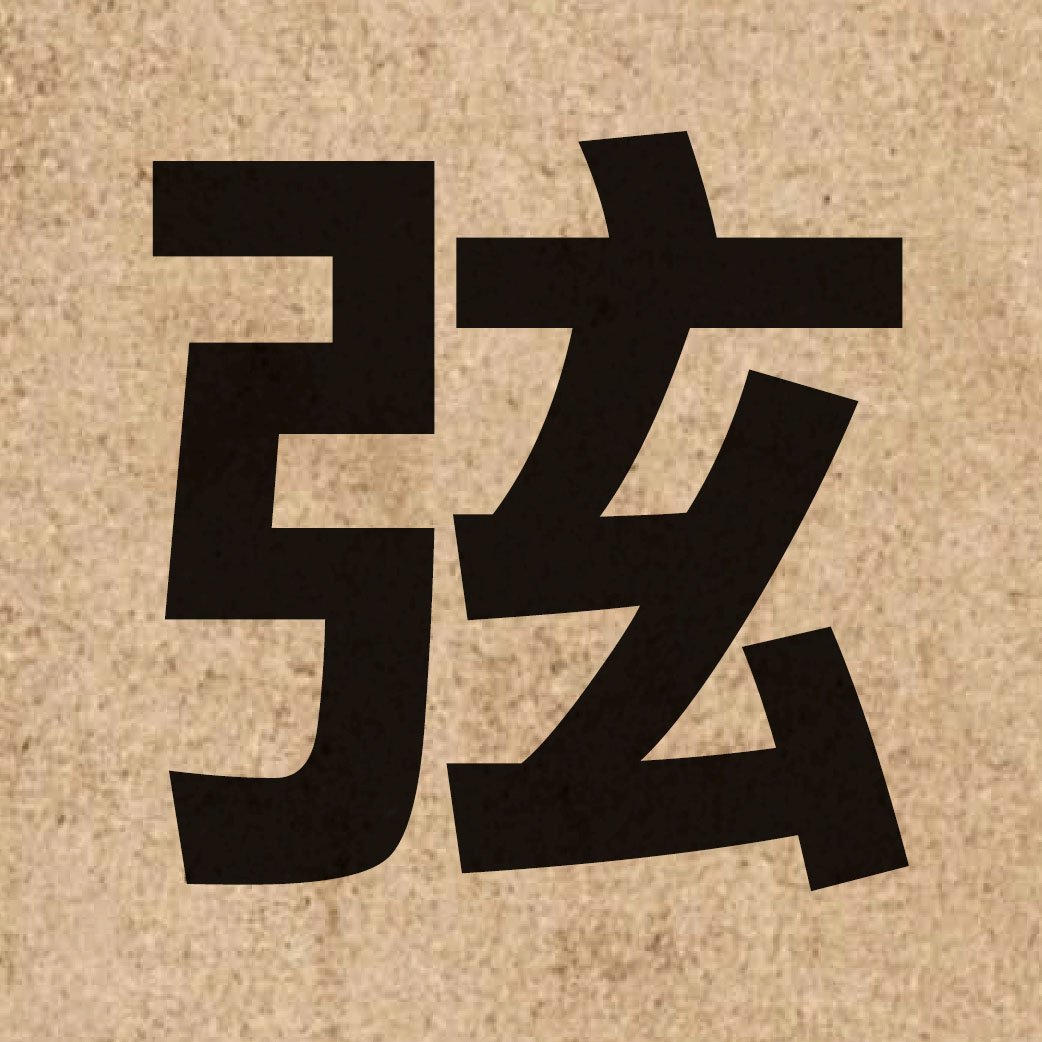
弦: Describing music or shapes, very commonly used, must learn basic Chinese characters (with Cantonese and Mandarin pronunciation)
The Chinese character【弦】that I will teach you this time is a word that describes music or shape. It is mainly used for the following meanings:…
View More 弦: Describing music or shapes, very commonly used, must learn basic Chinese characters (with Cantonese and Mandarin pronunciation)
況: Describe the status or background, very commonly used, must learn the basic Chinese characters (simple version of the dictionary)
The Chinese character【況】that we will explain today is a word that describes status or background. It is mainly used for the following meanings: Circumstances or…
View More 況: Describe the status or background, very commonly used, must learn the basic Chinese characters (simple version of the dictionary)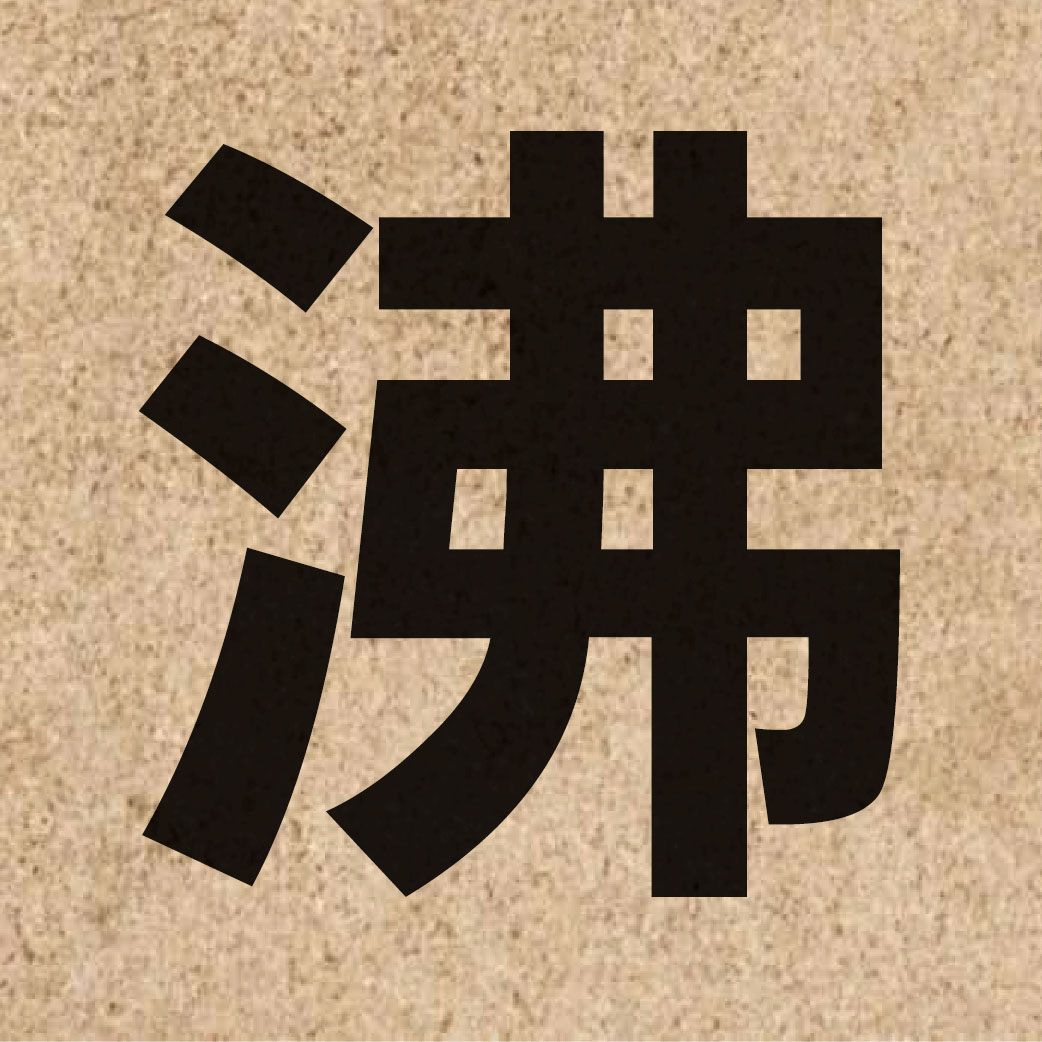
沸: Describing status or emotion, it is definitely used in daily life, more advanced Chinese characters (more than 7,000 characters in total)
The Chinese character【沸】(boiling) that I will teach you this time is a word that describes a state or emotion. It is mainly used for the…
View More 沸: Describing status or emotion, it is definitely used in daily life, more advanced Chinese characters (more than 7,000 characters in total)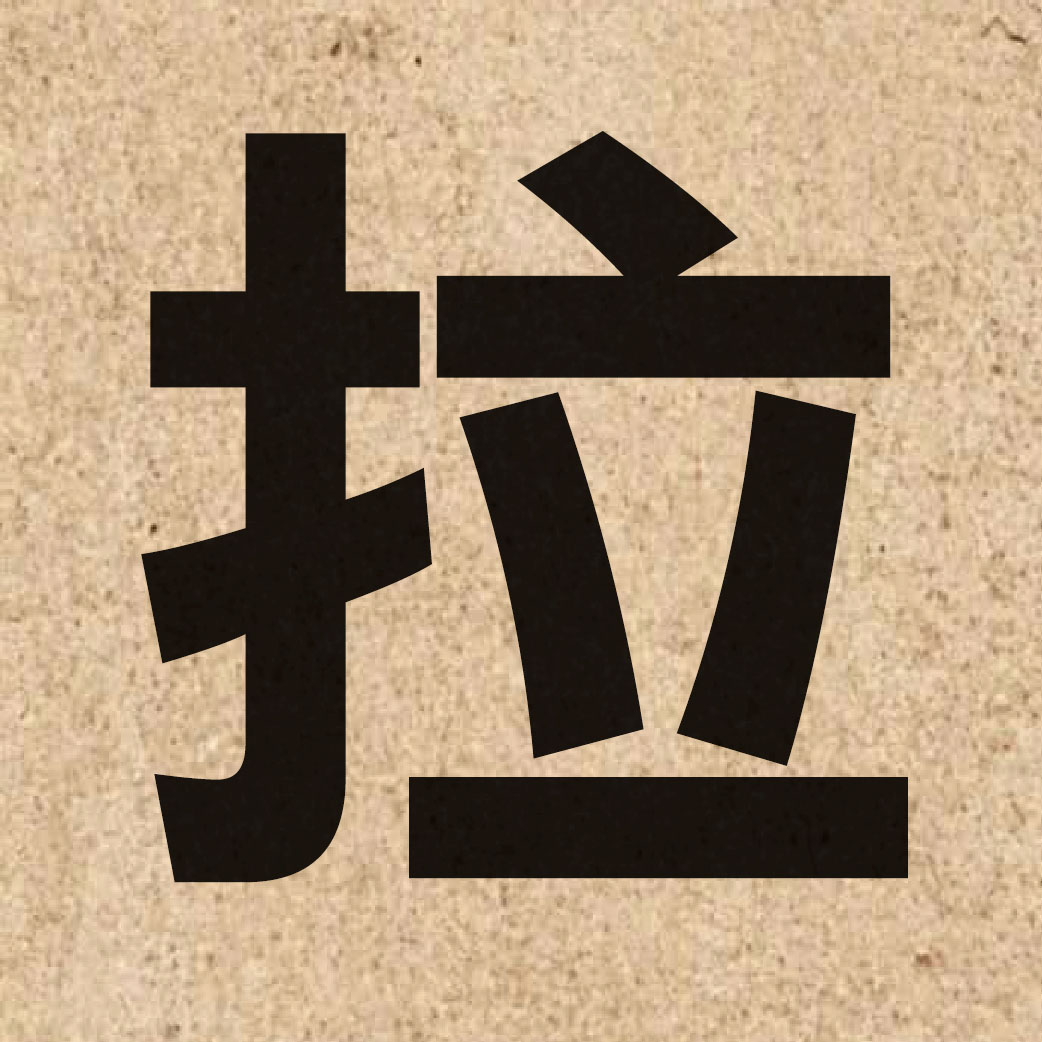
拉: Describes actions or movements, very commonly used, must learn basic Chinese characters (simplified version of the dictionary)
The Chinese character【拉】that we will explain today is a word that describes an action or movement. It is mainly used for the following meanings: To…
View More 拉: Describes actions or movements, very commonly used, must learn basic Chinese characters (simplified version of the dictionary)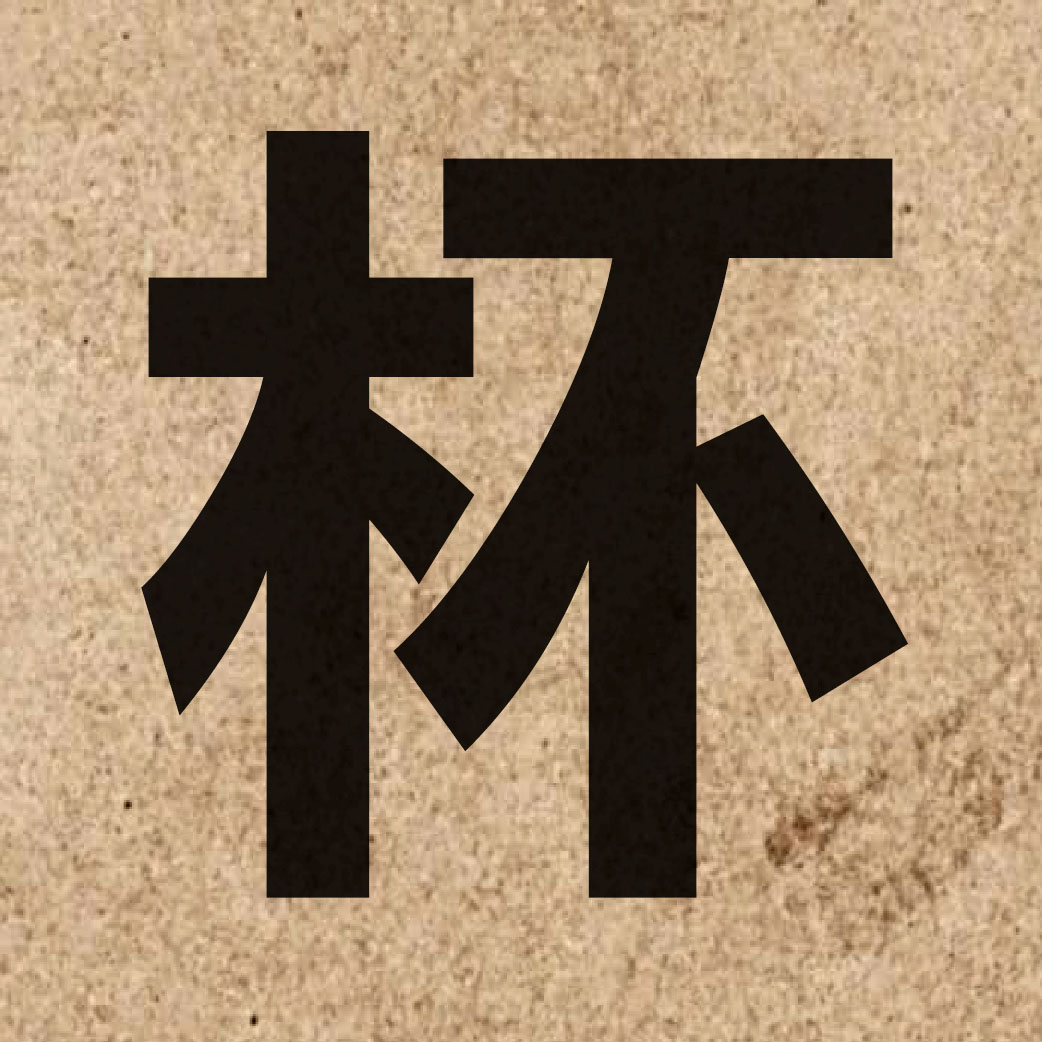
杯: Describe containers or units, which are commonly used in daily life. More advanced Chinese characters (with basic explanations)
The Chinese word【杯】that we will introduce this time is a word that describes a container or unit. It is mainly used for the following meanings:…
View More 杯: Describe containers or units, which are commonly used in daily life. More advanced Chinese characters (with basic explanations)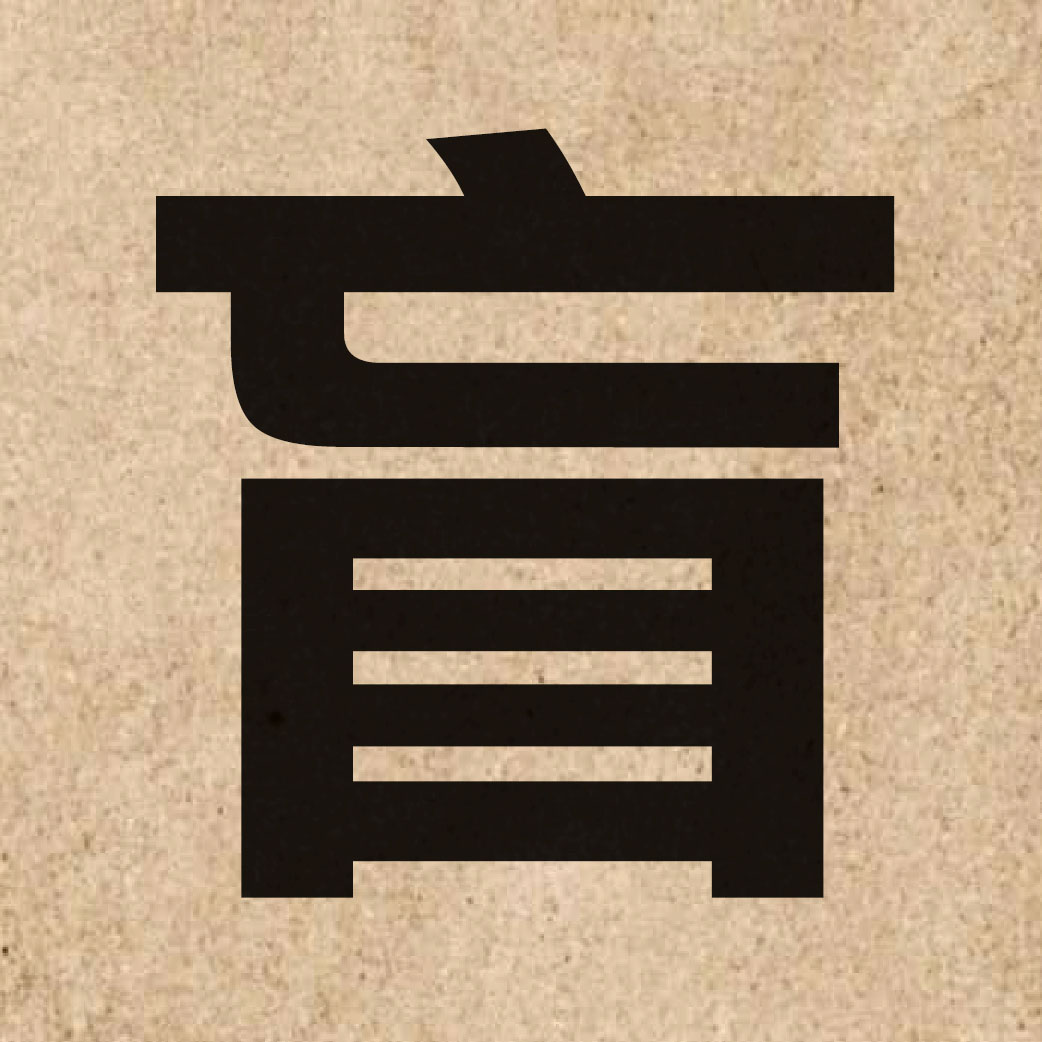
盲: Describe health or status. Once you learn it, you can further master the colorful and diverse Chinese expressions (with Cantonese and Mandarin pronunciation)
The Chinese word【盲】is a word that describes health or status, and is mainly used for the following meanings: Blind or inattentive. Explanation: (1) Blind. Such…
View More 盲: Describe health or status. Once you learn it, you can further master the colorful and diverse Chinese expressions (with Cantonese and Mandarin pronunciation)
亞: Describing places or rankings, very commonly used, basic Chinese characters that must be learned (more than 7,000 characters in total)
The Chinese word【亞】that we will introduce this time is a word that describes a place or a ranking. It is mainly used for the following…
View More 亞: Describing places or rankings, very commonly used, basic Chinese characters that must be learned (more than 7,000 characters in total)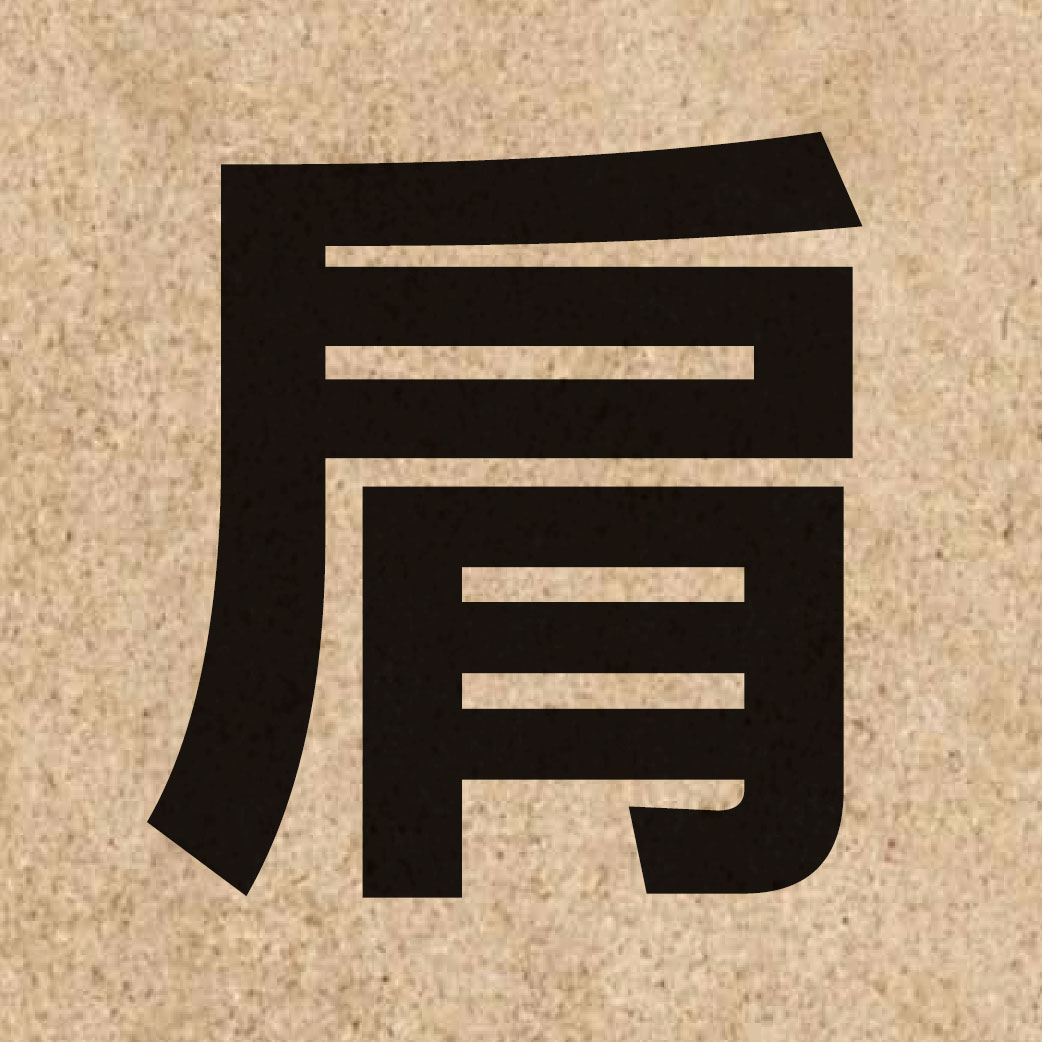
肩: Describing the body or actions, which are used in daily life, more advanced Chinese characters (with Cantonese and Mandarin pronunciation)
The Chinese character【肩】that I will teach you this time is a word that describes the body or action. It is mainly used for the following…
View More 肩: Describing the body or actions, which are used in daily life, more advanced Chinese characters (with Cantonese and Mandarin pronunciation)