
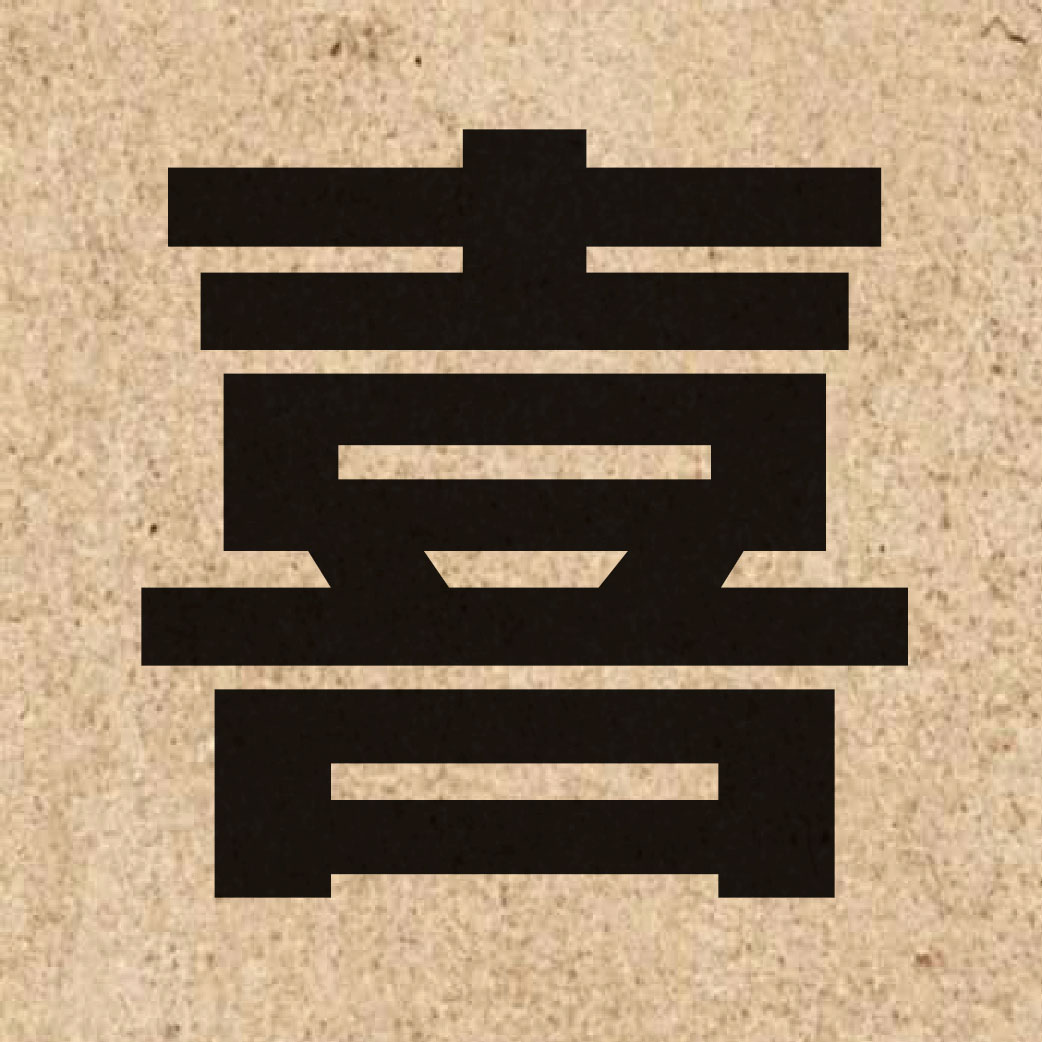
The Chinese word【喜】that we will introduce this time is a word that describes emotions or actions. It is mainly used for the following meanings: Happy…
View More 喜: Describing emotions or actions, very commonly used, must-learn basic Chinese characters (free learning resources)
Understand the meaning and usage of 「歡天喜地」 with a concise guide and pinyin in both Mandarin and Cantonese.
We aim to support your Chinese studies with free resources. In this series, we explore idioms and proverbs, full of meaning. Today’s feature is 「歡天喜地」,…
View More Understand the meaning and usage of 「歡天喜地」 with a concise guide and pinyin in both Mandarin and Cantonese.
We’re here to explain 「歡喜若狂」 simply, including its meaning, use, and pinyin references.
After learning basic characters, the next level in Chinese is combining them into words, and then idioms. This free guide helps you understand advanced idioms…
View More We’re here to explain 「歡喜若狂」 simply, including its meaning, use, and pinyin references.
Your free guide to Chinese idioms! Here’s how to use 「歡喜冤家」 effectively.
Character combinations make words; words evolve into idioms. Learn 「歡喜冤家」 today with this free Chinese resource. This time, we present the Chinese idiom 「歡喜冤家」, with…
View More Your free guide to Chinese idioms! Here’s how to use 「歡喜冤家」 effectively.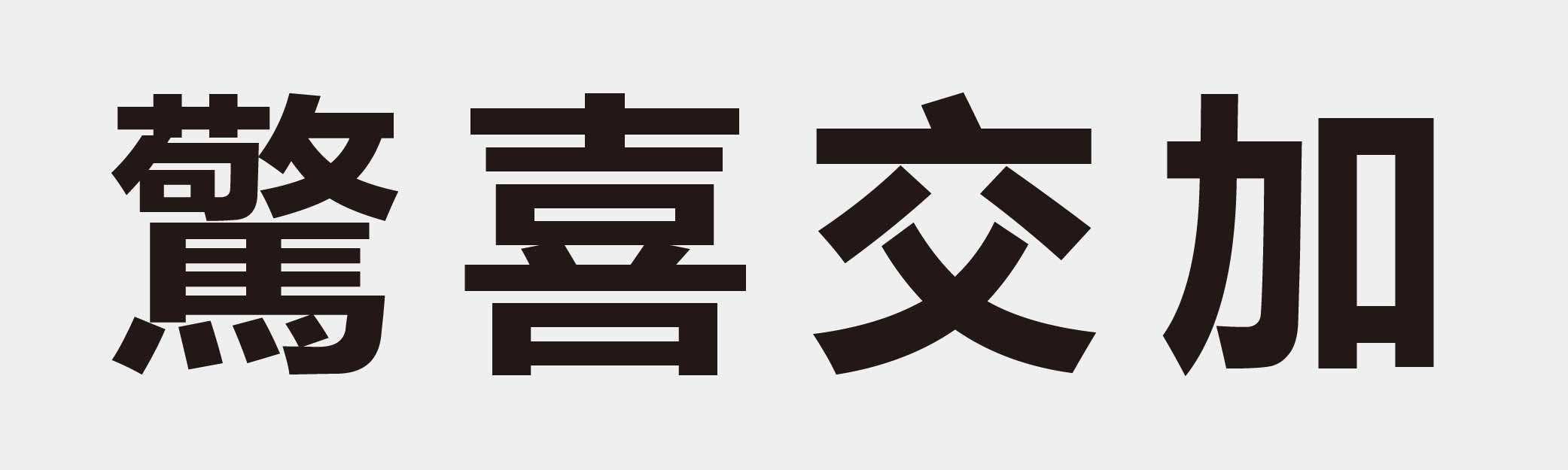
A straightforward guide to 「驚喜交加」, including its meaning, application, and Mandarin/Cantonese pinyin.
Learning Chinese grows from characters to words and then idioms. We’ve created free tools to help you master idioms like 「驚喜交加」, explained here. We’re presenting…
View More A straightforward guide to 「驚喜交加」, including its meaning, application, and Mandarin/Cantonese pinyin.
Achieve better Chinese fluency by mastering idioms. This example is: 「驚喜交集」.
Learning Chinese is easier with our free resources! This series explains idioms and proverbs, valuable for various situations. Today’s idiom is 「驚喜交集」, with more below.…
View More Achieve better Chinese fluency by mastering idioms. This example is: 「驚喜交集」.
An easy-to-follow guide to 「驚喜若狂」, with pinyin details in both Mandarin and Cantonese.
Learning Chinese starts simple with characters, advances to words, and peaks with idioms. Explore the free idiom 「驚喜若狂」 here, with meaning and examples. The idiom…
View More An easy-to-follow guide to 「驚喜若狂」, with pinyin details in both Mandarin and Cantonese.
Boost your Chinese skills through idioms. Today’s example is: 「驚喜欲狂」.
Learning Chinese starts with basic single characters, but the next step is combining them into words. To go even further, mastering idioms is the challenge.…
View More Boost your Chinese skills through idioms. Today’s example is: 「驚喜欲狂」.
Use idioms to enhance your Chinese skills. Our choice for today: 「轉悲為喜」.
Progressing from characters to words and idioms marks advanced Chinese. This guide freely explains 「轉悲為喜」 for your learning. The idiom 「轉悲為喜」 and its usage are…
View More Use idioms to enhance your Chinese skills. Our choice for today: 「轉悲為喜」.
Want to sharpen your Chinese? Idioms can help! Featured now: 「轉嗔為喜」.
Starting from characters, then words, the journey to learning Chinese leads to idioms. Our free resource teaches idioms like 「轉嗔為喜」. Explanation below. Today’s featured Chinese…
View More Want to sharpen your Chinese? Idioms can help! Featured now: 「轉嗔為喜」.