
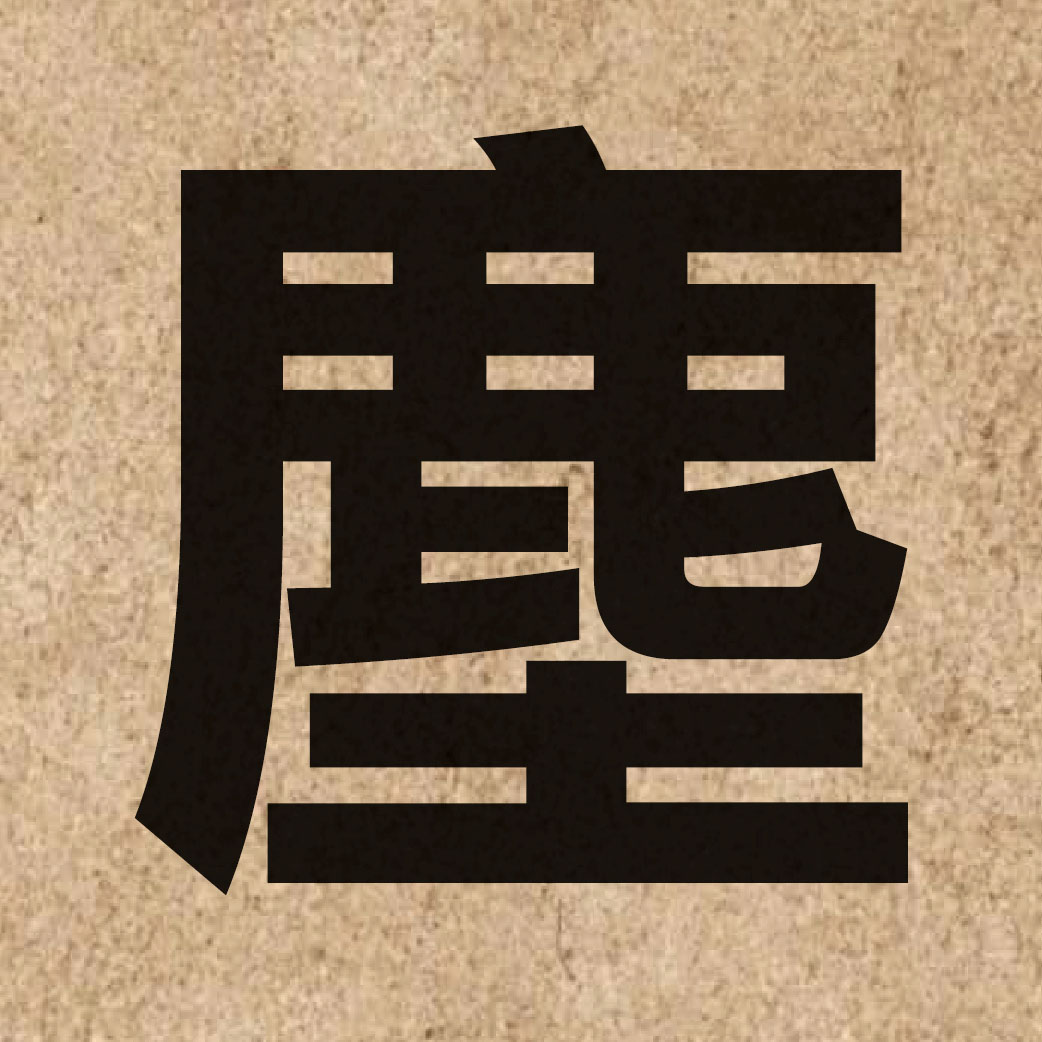
The Chinese character【塵】that we will explain today is a word that describes nature or descriptions. It is mainly used for the following meanings: Dust or…
View More 塵: Describing nature orDescribing things, these are common words in daily life, and are relatively advanced Chinese words (with basic explanations)
Let’s simplify 「纖塵不染」 for you with its meaning, usage, and pinyin provided in Mandarin and Cantonese.
Here’s a free resource for learning Chinese. This series focuses on idioms and proverbs, useful for various expressions. Today’s topic is 「纖塵不染」, as shown below.…
View More Let’s simplify 「纖塵不染」 for you with its meaning, usage, and pinyin provided in Mandarin and Cantonese.
A concise overview of 「驚起梁塵」 and how to use it, plus pinyin provided in Mandarin and Cantonese.
Idioms like 「驚起梁塵」 are key to mastering Chinese. Start from characters, climb to idioms, and explore them with this free resource. This feature highlights the…
View More A concise overview of 「驚起梁塵」 and how to use it, plus pinyin provided in Mandarin and Cantonese.
Use idioms to enhance your Chinese skills. Our choice for today: 「邊塵不驚」.
Starting from characters, then words, the journey to learning Chinese leads to idioms. Our free resource teaches idioms like 「邊塵不驚」. Explanation below. Our focus this…
View More Use idioms to enhance your Chinese skills. Our choice for today: 「邊塵不驚」.
Get to know the idiom/proverb 「鏤塵吹影」, along with pinyin in Mandarin and Cantonese for clarity.
Learn advanced Chinese idioms like 「鏤塵吹影」, following the path from basic characters to phrases, all with this free resource. Introducing the Chinese idiom 「鏤塵吹影」: its…
View More Get to know the idiom/proverb 「鏤塵吹影」, along with pinyin in Mandarin and Cantonese for clarity.
Use idioms to enhance your Chinese skills. Our choice for today: 「聲動梁塵」.
Learning Chinese starts with basic single characters, but the next step is combining them into words. To go even further, mastering idioms is the challenge.…
View More Use idioms to enhance your Chinese skills. Our choice for today: 「聲動梁塵」.
Learn Chinese idioms to boost your language skills. Today’s idiom is: 「甑塵釜魚」.
We aim to support your Chinese studies with free resources. In this series, we explore idioms and proverbs, full of meaning. Today’s feature is 「甑塵釜魚」,…
View More Learn Chinese idioms to boost your language skills. Today’s idiom is: 「甑塵釜魚」.
We’ll explain 「遺俗絕塵」 clearly, including its application and pinyin in both Mandarin and Cantonese.
Your free Chinese learning resource is here! This idiom and proverb series introduces phrases rich in meaning. Today, we explain 「遺俗絕塵」 and its usage. Discover…
View More We’ll explain 「遺俗絕塵」 clearly, including its application and pinyin in both Mandarin and Cantonese.
A concise overview of 「遺風逸塵」 and how to use it, plus pinyin provided in Mandarin and Cantonese.
Chinese idioms like 「遺風逸塵」 represent a high level of language skill. This free guide helps you learn their meaning and use. Today’s idiom is 「遺風逸塵」.…
View More A concise overview of 「遺風逸塵」 and how to use it, plus pinyin provided in Mandarin and Cantonese.
Achieve better Chinese fluency by mastering idioms. This example is: 「隨波逐塵」.
Character combinations make words; words evolve into idioms. Learn 「隨波逐塵」 today with this free Chinese resource. This time, we present the Chinese idiom 「隨波逐塵」, with…
View More Achieve better Chinese fluency by mastering idioms. This example is: 「隨波逐塵」.