
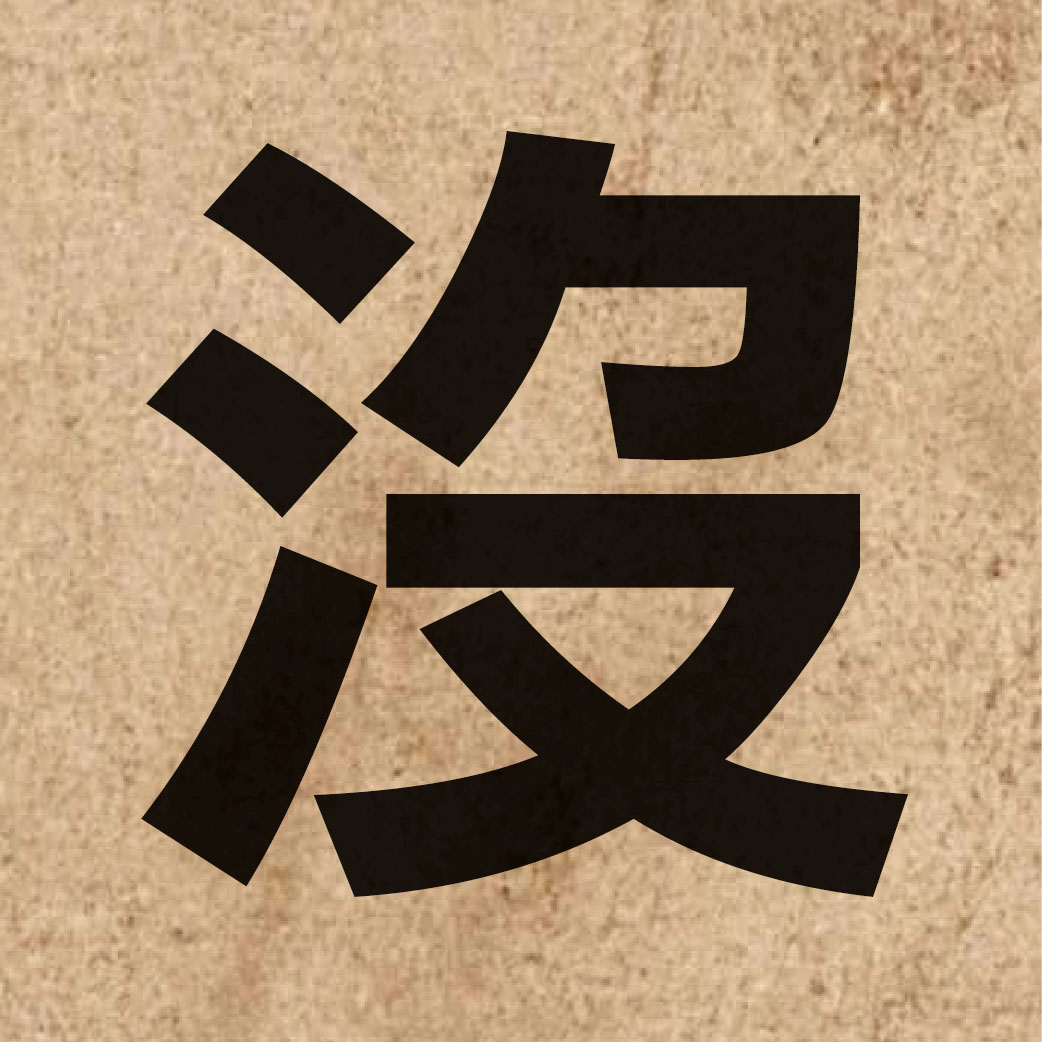
The Chinese character【沒】is used to describe the situation of missing or losing. It is mainly used for the following meanings: Disappeared, sunk. Here’s the way…
View More 沒: Describes missing or lost situations, very commonly used, must learn basic Chinese characters (with basic explanations)
A concise overview of 「齎志以沒」 and how to use it, plus pinyin provided in Mandarin and Cantonese.
Progress in Chinese starts with characters, then words, finally idioms. Here’s a free look at 「齎志以沒」 and its explanation. This time, we present the Chinese…
View More A concise overview of 「齎志以沒」 and how to use it, plus pinyin provided in Mandarin and Cantonese.
A straightforward guide to 「齎志而沒」, including its meaning, application, and Mandarin/Cantonese pinyin.
Starting from characters, then words, the journey to learning Chinese leads to idioms. Our free resource teaches idioms like 「齎志而沒」. Explanation below. Here is the…
View More A straightforward guide to 「齎志而沒」, including its meaning, application, and Mandarin/Cantonese pinyin.
Free Chinese learning! Dive into the beauty of idioms and proverbs. Today, we’ll explore 「擊排冒沒」.
Learn advanced Chinese idioms like 「擊排冒沒」, following the path from basic characters to phrases, all with this free resource. In this introduction, we explore the…
View More Free Chinese learning! Dive into the beauty of idioms and proverbs. Today, we’ll explore 「擊排冒沒」.
Learn the meaning and how to use 「頭出頭沒」, with handy pinyin in Mandarin and Cantonese.
Chinese learning begins with simple characters, progresses to phrases, and culminates in idioms. This free resource introduces advanced idioms. Today’s focus is 「頭出頭沒」. Check below…
View More Learn the meaning and how to use 「頭出頭沒」, with handy pinyin in Mandarin and Cantonese.
Learning Chinese idioms helps improve your fluency. Check out: 「頭沒杯案」.
Chinese study involves characters, phrases, and idioms. This resource introduces 「頭沒杯案」 as part of advanced learning. Explanation below. This time, our spotlight is on the…
View More Learning Chinese idioms helps improve your fluency. Check out: 「頭沒杯案」.
Learn the art of Chinese for free! Today’s idiom is 「鴉沒鵲靜」. Let’s break it down.
Understanding Chinese starts with simple characters, grows to phrases, and finally idioms. Learn 「鴉沒鵲靜」 today for free with this guide. Today’s spotlight is on the…
View More Learn the art of Chinese for free! Today’s idiom is 「鴉沒鵲靜」. Let’s break it down.
Understand the meaning and usage of 「槁項沒齒」 with a concise guide and pinyin in both Mandarin and Cantonese.
Understanding Chinese starts with simple characters, grows to phrases, and finally idioms. Learn 「槁項沒齒」 today for free with this guide. This time, our spotlight is…
View More Understand the meaning and usage of 「槁項沒齒」 with a concise guide and pinyin in both Mandarin and Cantonese.
Explore Chinese idioms to strengthen your language skills. Today’s pick is: 「湮沒無聞」.
Here’s a free resource for learning Chinese. This series focuses on idioms and proverbs, useful for various expressions. Today’s topic is 「湮沒無聞」, as shown below.…
View More Explore Chinese idioms to strengthen your language skills. Today’s pick is: 「湮沒無聞」.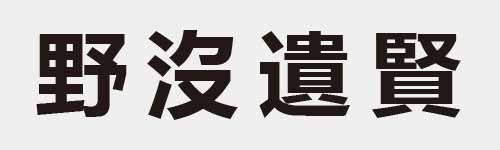
Decode 「野沒遺賢」 with a short explanation and pinyin in Mandarin and Cantonese for guidance.
We want to help you study Chinese for free! This series spotlights idioms and proverbs, known for their meaning and use. Learn about 「野沒遺賢」 below.…
View More Decode 「野沒遺賢」 with a short explanation and pinyin in Mandarin and Cantonese for guidance.