
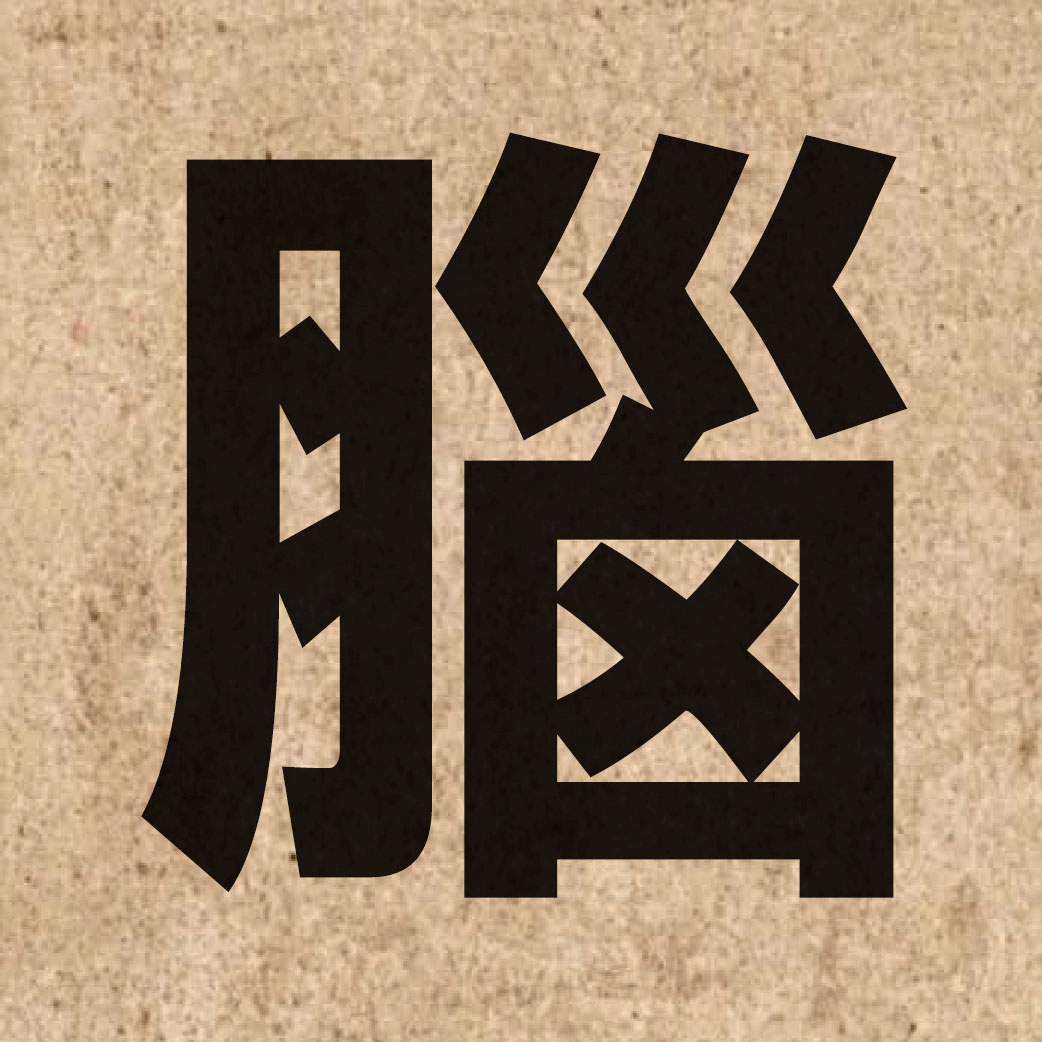
The Chinese character【腦】that I will teach you this time is a word that describes biology or thinking. It is mainly used for the following meanings:…
View More 腦: Describes biology or thinking, which is used in daily life, and is a relatively advanced Chinese character (a simple version of the dictionary)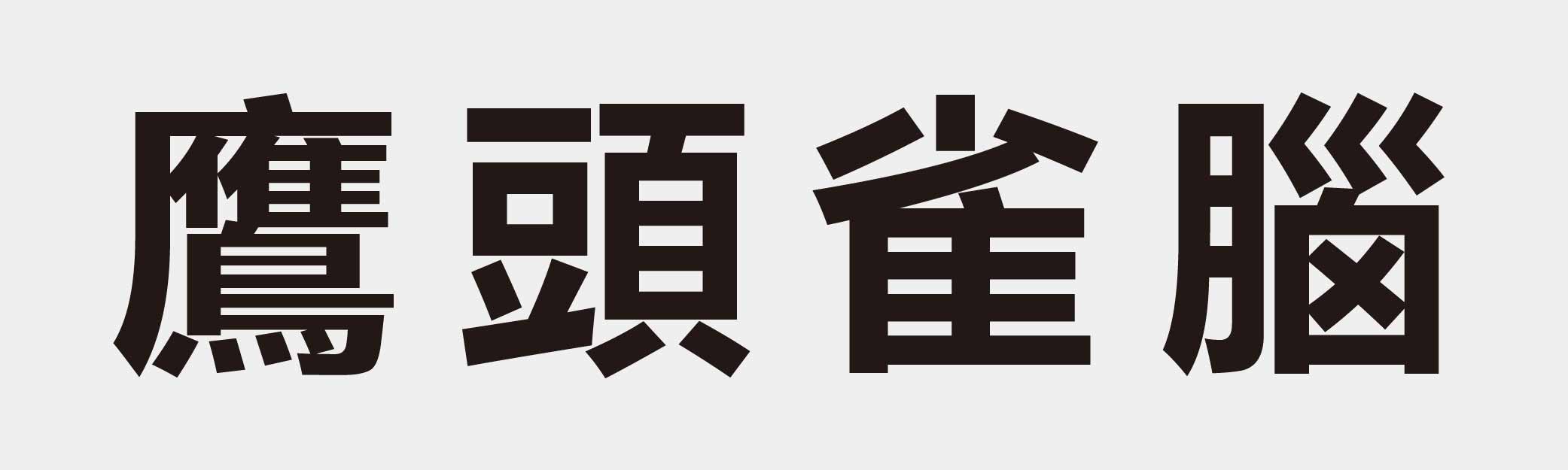
Achieve better Chinese fluency by mastering idioms. This example is: 「鷹頭雀腦」.
From the basics of characters to complex idioms, Chinese learning can be challenging. This free guide highlights the idiom 「鷹頭雀腦」. Details below. Today’s idiom is…
View More Achieve better Chinese fluency by mastering idioms. This example is: 「鷹頭雀腦」.
Explore Chinese idioms to strengthen your language skills. Today’s pick is: 「藏頭亢腦」.
Here’s a free resource for learning Chinese. This series focuses on idioms and proverbs, useful for various expressions. Today’s topic is 「藏頭亢腦」, as shown below.…
View More Explore Chinese idioms to strengthen your language skills. Today’s pick is: 「藏頭亢腦」.
Study Chinese without cost! Idioms and sayings are at its heart. Here’s the meaning and use of 「縮頭縮腦」.
We’re happy to bring you free Chinese lessons. This series dives into idioms and proverbs, meaningful and practical. Today’s phrase is 「縮頭縮腦」, with its usage…
View More Study Chinese without cost! Idioms and sayings are at its heart. Here’s the meaning and use of 「縮頭縮腦」.
Study Chinese without cost! Idioms and sayings are at its heart. Here’s the meaning and use of 「頭昏腦眩」.
Learn advanced Chinese idioms like 「頭昏腦眩」, following the path from basic characters to phrases, all with this free resource. Discover the idiom 「頭昏腦眩」, along with…
View More Study Chinese without cost! Idioms and sayings are at its heart. Here’s the meaning and use of 「頭昏腦眩」.
Studying idioms makes your Chinese stronger. Today, we discuss: 「頭昏腦悶」.
Learning Chinese grows from characters to words and then idioms. We’ve created free tools to help you master idioms like 「頭昏腦悶」, explained here. The idiom…
View More Studying idioms makes your Chinese stronger. Today, we discuss: 「頭昏腦悶」.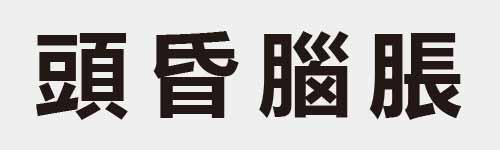
Take your Chinese to new heights with idioms. Our current focus is: 「頭昏腦脹」.
Learning Chinese is easier with our free resources! This series explains idioms and proverbs, valuable for various situations. Today’s idiom is 「頭昏腦脹」, with more below.…
View More Take your Chinese to new heights with idioms. Our current focus is: 「頭昏腦脹」.
Understand 「頭疼腦熱」 easily with its usage and meanings, and compare the Mandarin/Cantonese pinyin.
Learning Chinese starts with basic single characters, but the next step is combining them into words. To go even further, mastering idioms is the challenge.…
View More Understand 「頭疼腦熱」 easily with its usage and meanings, and compare the Mandarin/Cantonese pinyin.
We’ll explain 「頭痛腦熱」 clearly, including its application and pinyin in both Mandarin and Cantonese.
Progressing from characters to words and idioms marks advanced Chinese. This guide freely explains 「頭痛腦熱」 for your learning. The idiom 「頭痛腦熱」 and its usage are…
View More We’ll explain 「頭痛腦熱」 clearly, including its application and pinyin in both Mandarin and Cantonese.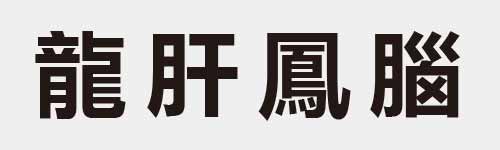
Take your Chinese to new heights with idioms. Our current focus is: 「龍肝鳳腦」.
From the basics of characters to complex idioms, Chinese learning can be challenging. This free guide highlights the idiom 「龍肝鳳腦」. Details below. Here, we present…
View More Take your Chinese to new heights with idioms. Our current focus is: 「龍肝鳳腦」.