
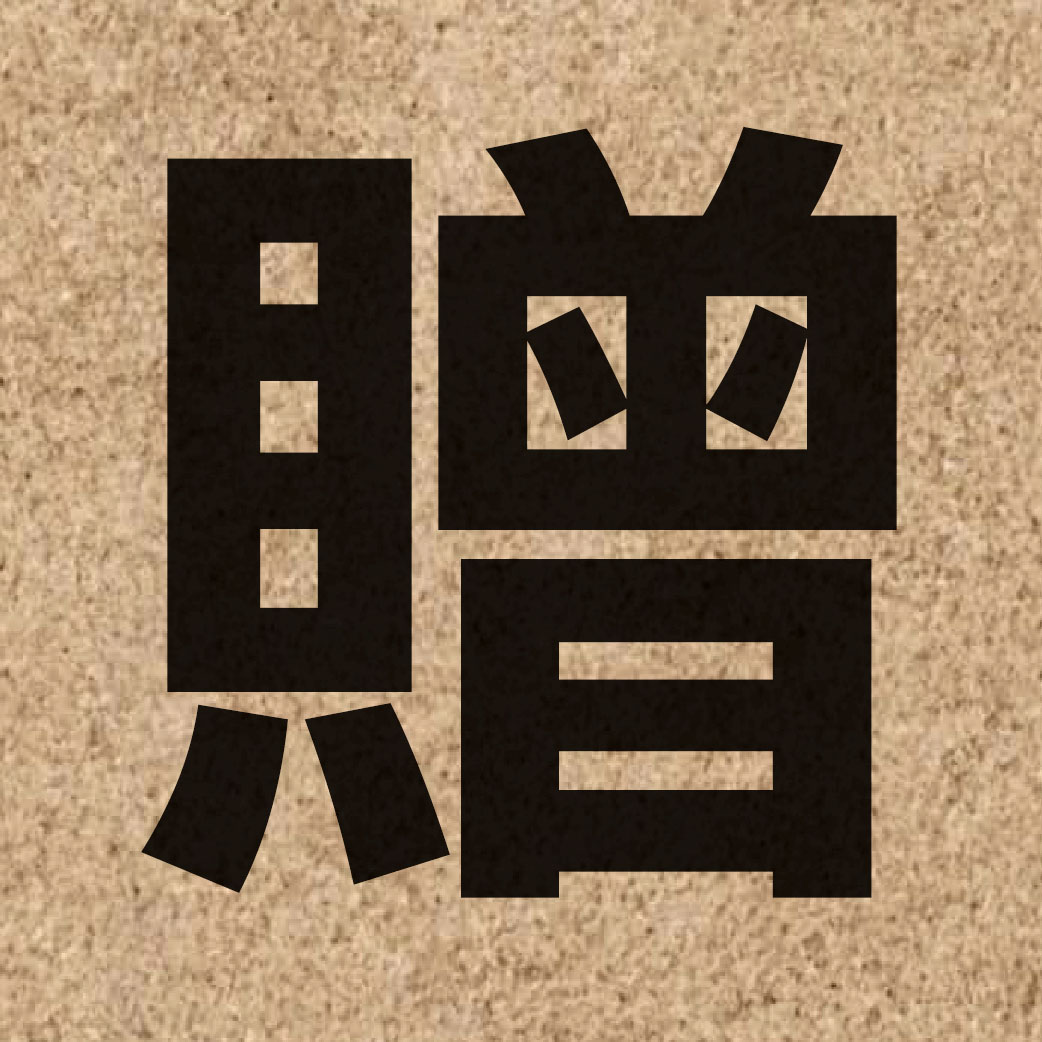
The Chinese character【贈】is used to describe an action or an item, and is mainly used to mean the following: Give or gift. Explanation: (1) To…
View More 贈: Describing actions or objects, learning them will help you further master the various Chinese expressions (a simple version of the dictionary)
We’ll break down 「臨別贈言」 for you, with its meaning, usage, and pinyin in Mandarin and Cantonese.
We strive to offer you free Chinese learning resources. This series focuses on idioms and proverbs, which are rich in meaning and can be used…
View More We’ll break down 「臨別贈言」 for you, with its meaning, usage, and pinyin in Mandarin and Cantonese.
We’ll explain 「臨別贈語」 clearly, including its application and pinyin in both Mandarin and Cantonese.
After learning basic characters, the next level in Chinese is combining them into words, and then idioms. This free guide helps you understand advanced idioms…
View More We’ll explain 「臨別贈語」 clearly, including its application and pinyin in both Mandarin and Cantonese.
Unlock free Chinese learning! Dive into the meaning and usage of 「指囷相贈」.
We’re happy to bring you free Chinese lessons. This series dives into idioms and proverbs, meaningful and practical. Today’s phrase is 「指囷相贈」, with its usage…
View More Unlock free Chinese learning! Dive into the meaning and usage of 「指囷相贈」.
We’ll break down 「釆蘭贈芍」 for you, with its meaning, usage, and pinyin in Mandarin and Cantonese.
Learning Chinese is easier with our free resources! This series explains idioms and proverbs, valuable for various situations. Today’s idiom is 「釆蘭贈芍」, with more below.…
View More We’ll break down 「釆蘭贈芍」 for you, with its meaning, usage, and pinyin in Mandarin and Cantonese.
We’ll explain 「釆蘭贈藥」 clearly, including its application and pinyin in both Mandarin and Cantonese.
Learning Chinese starts simple with characters, advances to words, and peaks with idioms. Explore the free idiom 「釆蘭贈藥」 here, with meaning and examples. This time,…
View More We’ll explain 「釆蘭贈藥」 clearly, including its application and pinyin in both Mandarin and Cantonese.